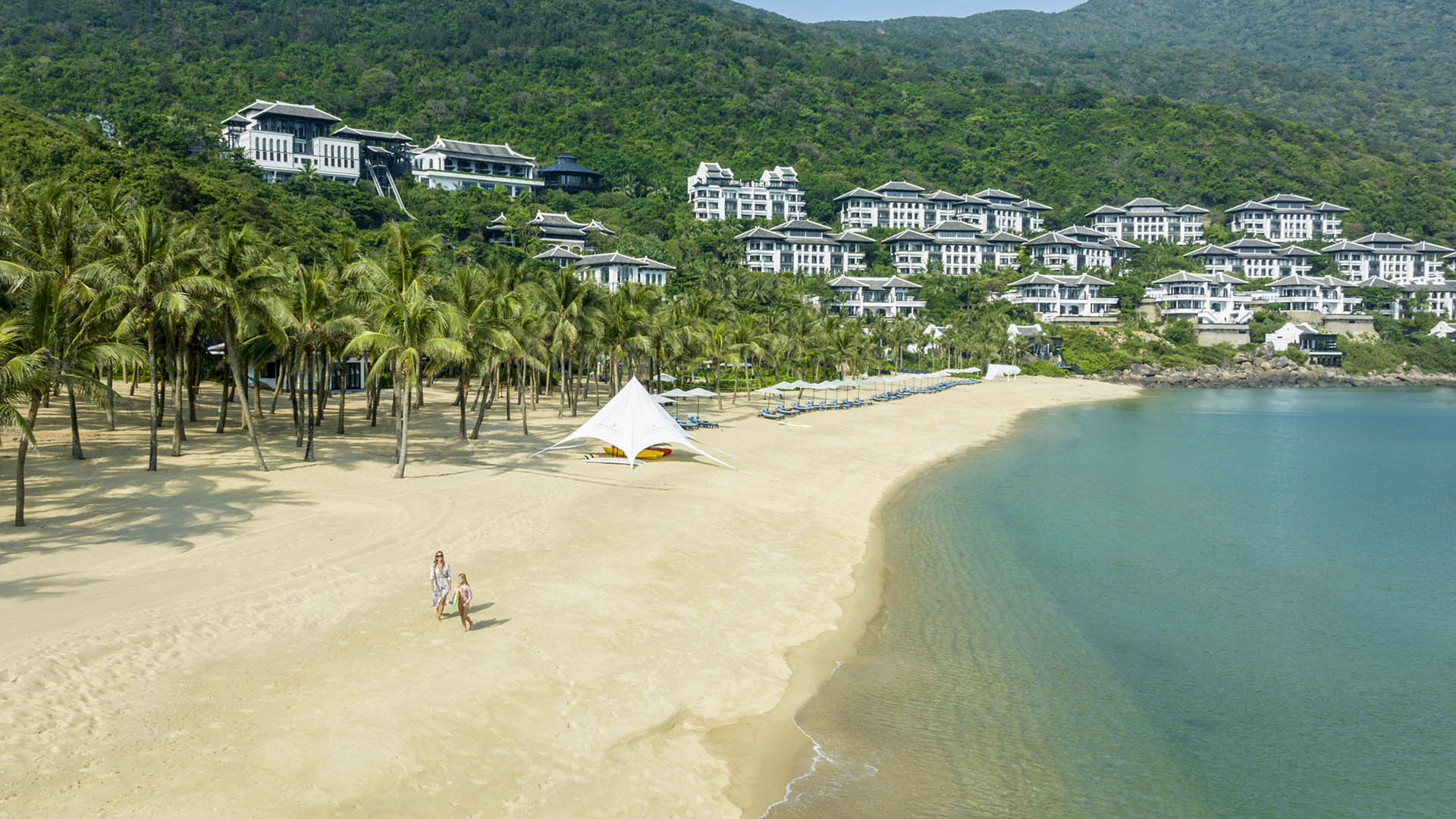
















Today, Da Nang not only boasts a diverse and abundant wealth of natural tourism resources—including seas, rivers, lakes, mountains, streams, waterfalls, and vast rural agricultural landscapes—but also stands out for its remarkable treasure of cultural and historical heritage.
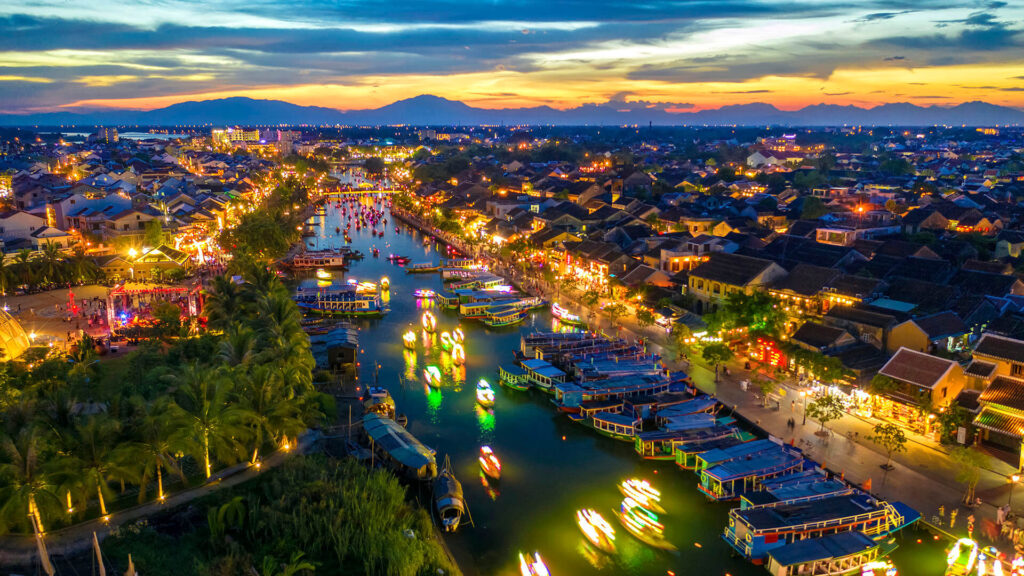
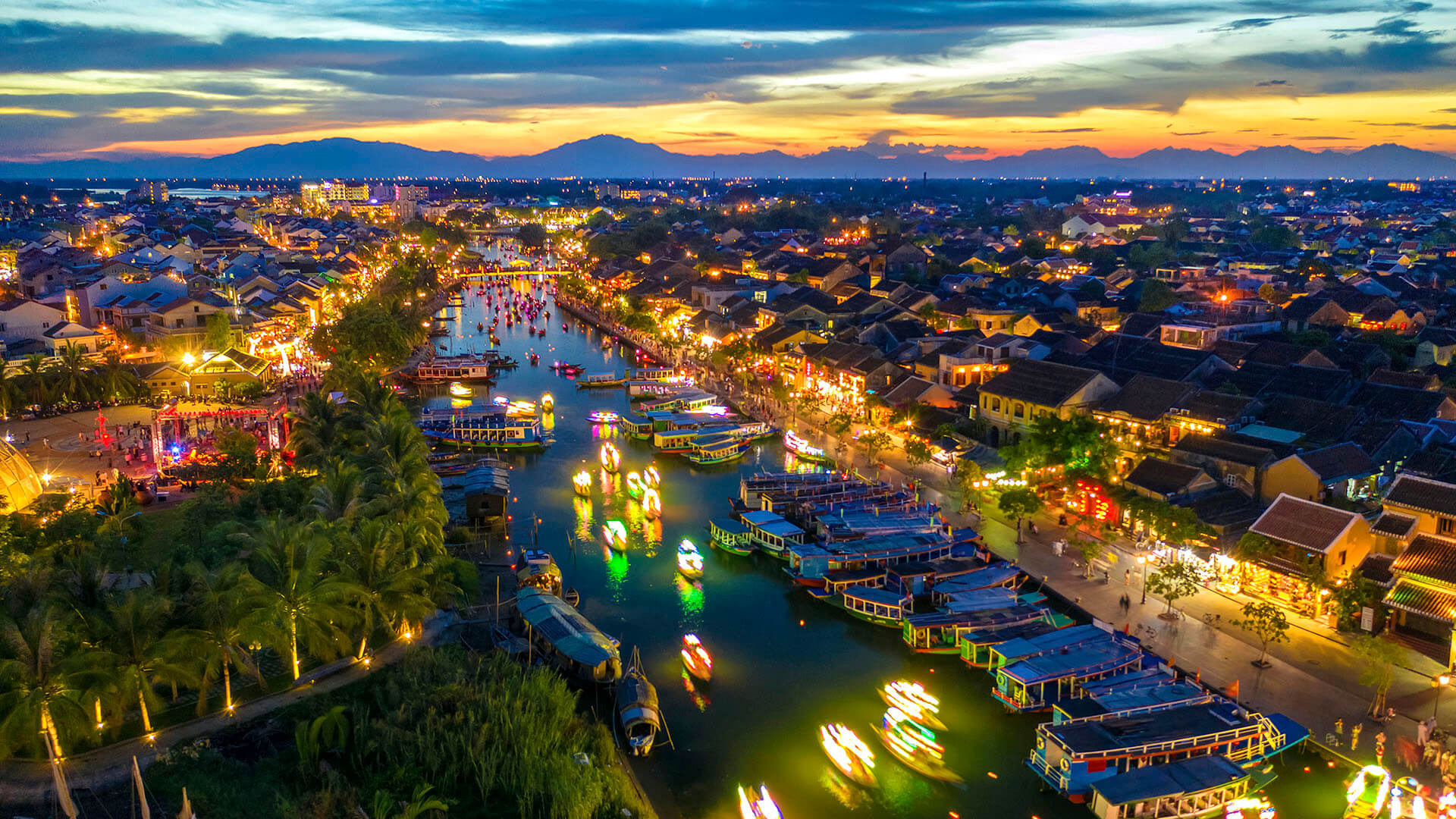
Hoi An Ancient Town and My Son Sanctuary were both inscribed as UNESCO World Heritage Sites on December 4, 1999.
The city is home to numerous valuable relics, unique architectural works of art, and two UNESCO-recognized World Cultural Heritage sites. The harmonious combination of magnificent natural beauty and humanity’s heritage has affirmed Da Nang’s position as one of the leading cultural and tourism centers of Vietnam and the region.
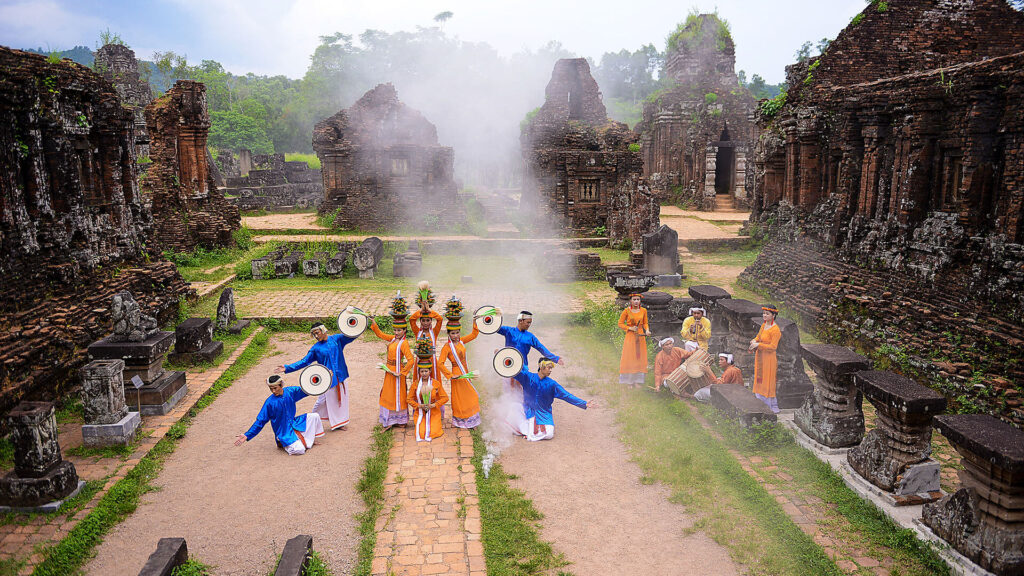
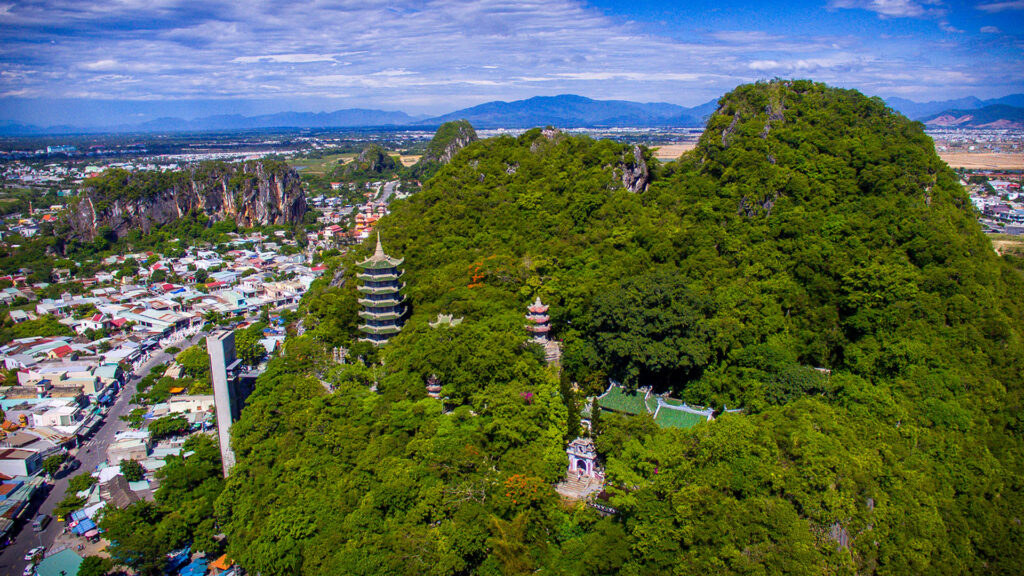
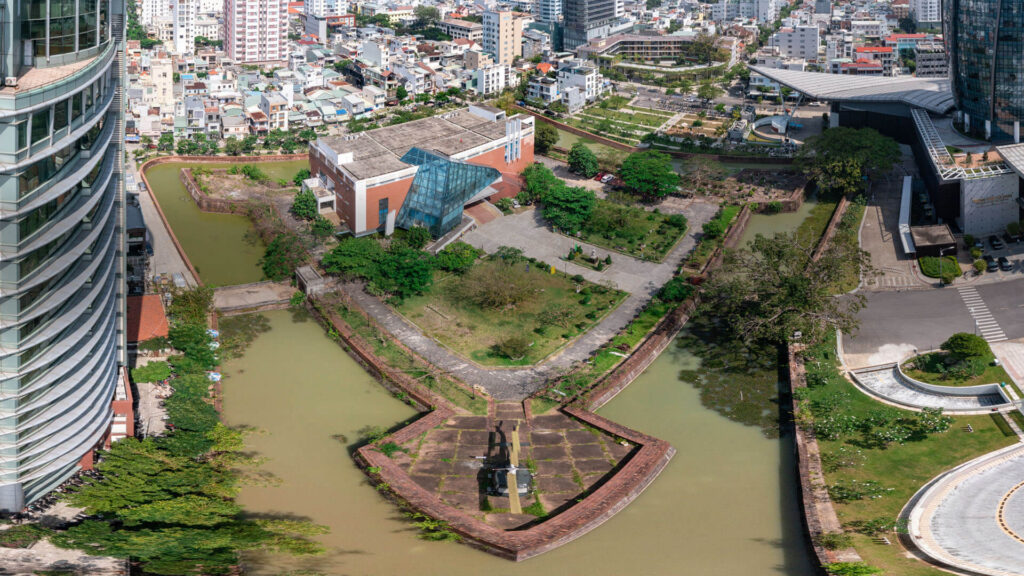
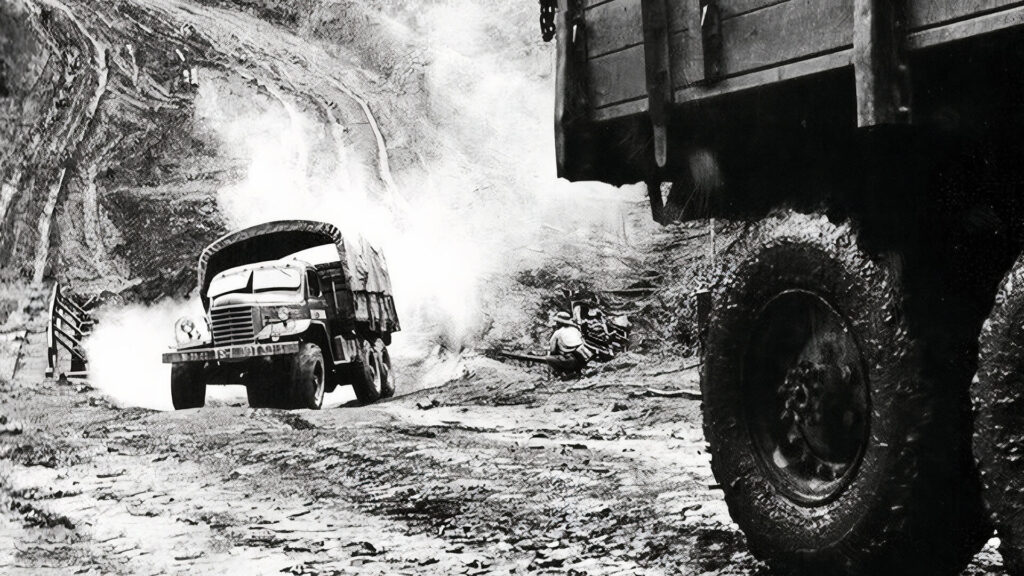
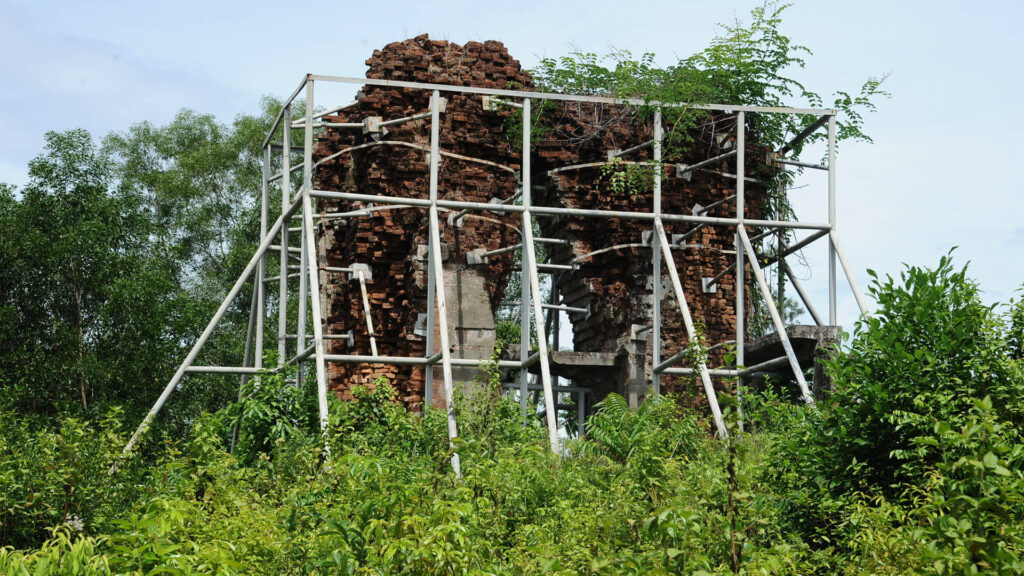
As of today, the “new” Da Nang is home to two UNESCO World Cultural Heritage Sites—Hoi An Ancient Town and My Son Sanctuary. In addition, the city also boasts four National Special Relics, including the Marble Mountains, Dien Hai Citadel, the Truong Son Road – Ho Chi Minh Trail, and the Archaeological and Architectural Relic of Dong Duong Buddhist Monastery.
In addition, Da Nang is home to 84 nationally recognized relics and 475 relics at the provincial and municipal levels. In terms of intangible heritage, 26 elements have been recognized by the Ministry of Culture, Sports and Tourism and inscribed on the National Intangible Cultural Heritage List.
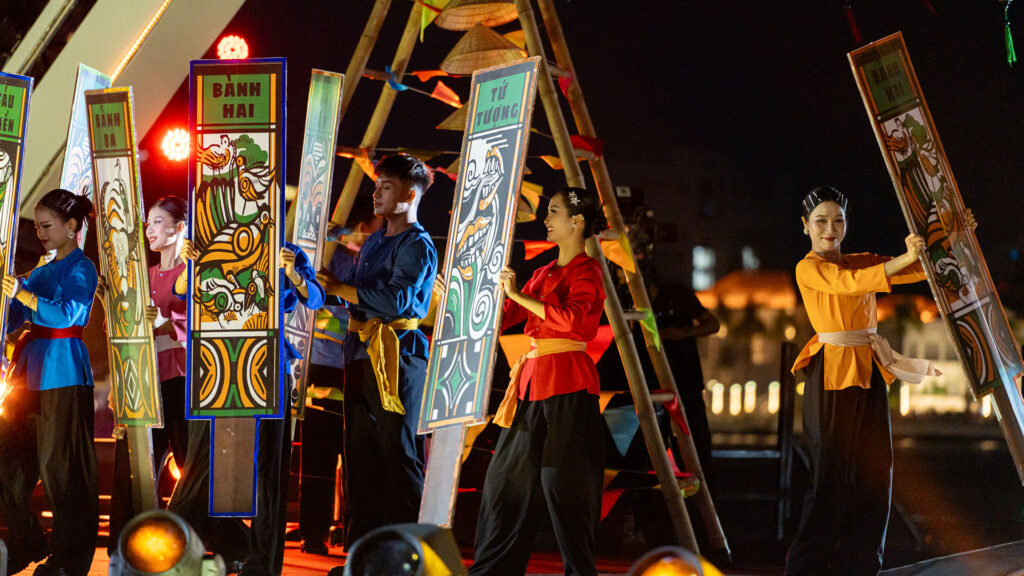
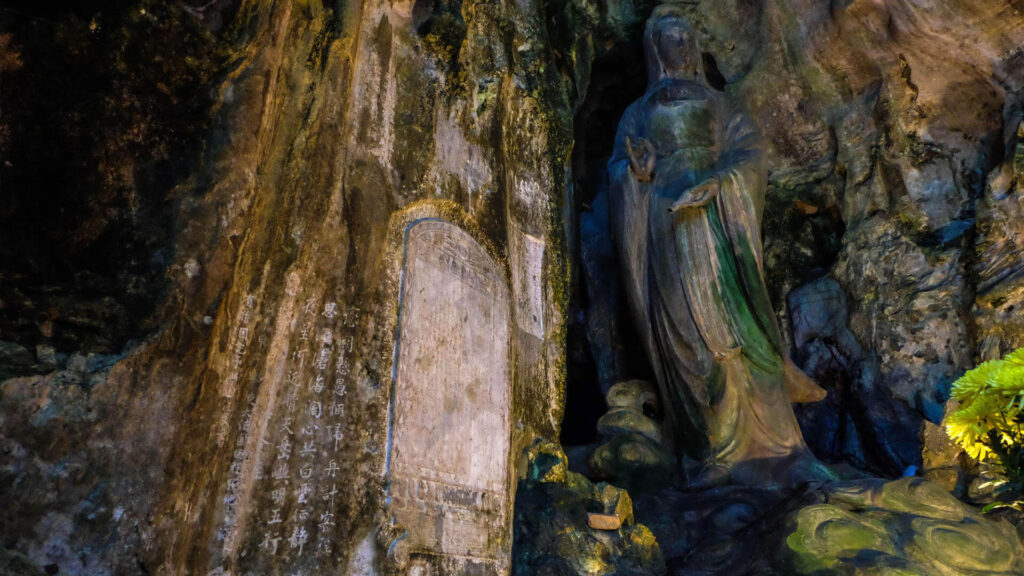
Notably, The Art of Bài Chòi in Central Vietnam has been inscribed by UNESCO on the Representative List of the Intangible Cultural Heritage of Humanity, while the Ma nhai (stone epitaphs) at the Marble Mountains have been recognized by UNESCO as a documentary heritage of the Asia–Pacific region.
In total, the city is currently home to 593 cultural heritages, including 565 tangible and 28 intangible elements, reaffirming its position as one of Vietnam’s most distinctive cultural and tourism centers.
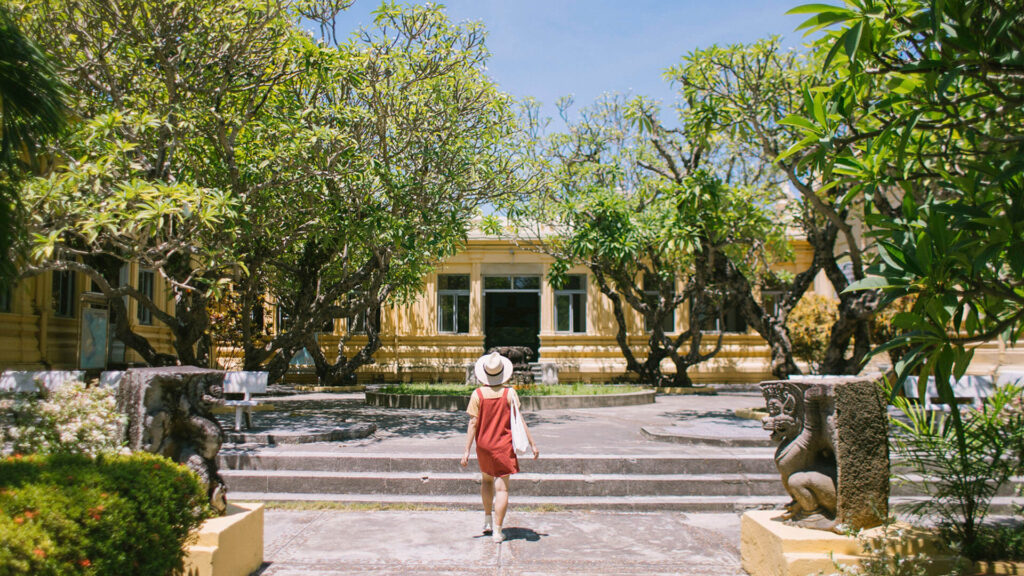
In addition, Da Nang currently preserves 19 national treasures, of which the Da Nang Museum of Cham Sculpture houses 12 artifacts. The remaining seven include: the My Son A10 Altar, Ekamukhalinga, the Head of the Shiva Statue, the Lai Nghi Gold Jewelry Collection, the Lai Nghi Agate Animal Bead, and two Dong Son-era masterpieces—the bronze drum and the bronze jar.
[1] The art of Bai Choi singing; The art of Tuong (classical drama) of Quang; The Bà Thu Bồn Festival; Bà Phường Chào Festival; Procession of Bà Chợ Được Palanquin; Ba Trao Singing; Tan’tung Da’da Dance of the Co Tu people; Brocade weaving of the Co Tu people; Neu pole erection ritual and Gu set of the Cor people; Noi Ly, Hat Ly (folk dialogues and singing) of the Co Tu people; The Craft of Thanh Ha Pottery in Hoi An; The Craft of Edible Bird’s Nest Harvesting in Thanh Chau – Hoi An; Kim Bồng Traditional Carpentry Village – Hội An; Trà Quế Traditional Vegetable Farming Village – Hội An; Hoi An Full Moon (Nguyen Tieu) Festival; Hoi An Mid-Autumn Festival; The Craft of Bamboo and Coconut House Construction in Cam Thanh; Ngô Đồng tree-bark hammock weaving in Cu Lao Cham; Bà Chiêm Sơn Festival; Folk knowledge of My Quang noodles; Folk knowledge of Ngoc Linh ginseng; Non Nước Traditional Stone Carving Village; The Cầu Ngư Festival in Đà Nẵng (the Whale Worship Festival); Nam Ô Traditional Fish Sauce Making Village; The Avalokitesvara Festival at Marble Mountains; Tuy Loan Rice Paper Making.
[2] Tra Kieu Altar; Tra Kieu Apsara Relief; My Son E1 Altar; Ganesha Statue; Brahma the Creator; Shiva; Dong Duong Altar; Statue of Bodhisattva Laskmindra-Lokeshvara/Tara; Ganesha Statue; Thap Mam Dragon Statue; Shiva Dancing Relief of Phong Le; Uma Relief of Chanh Lo.
DANANG CENTER FOR TOURISM PROMOTION