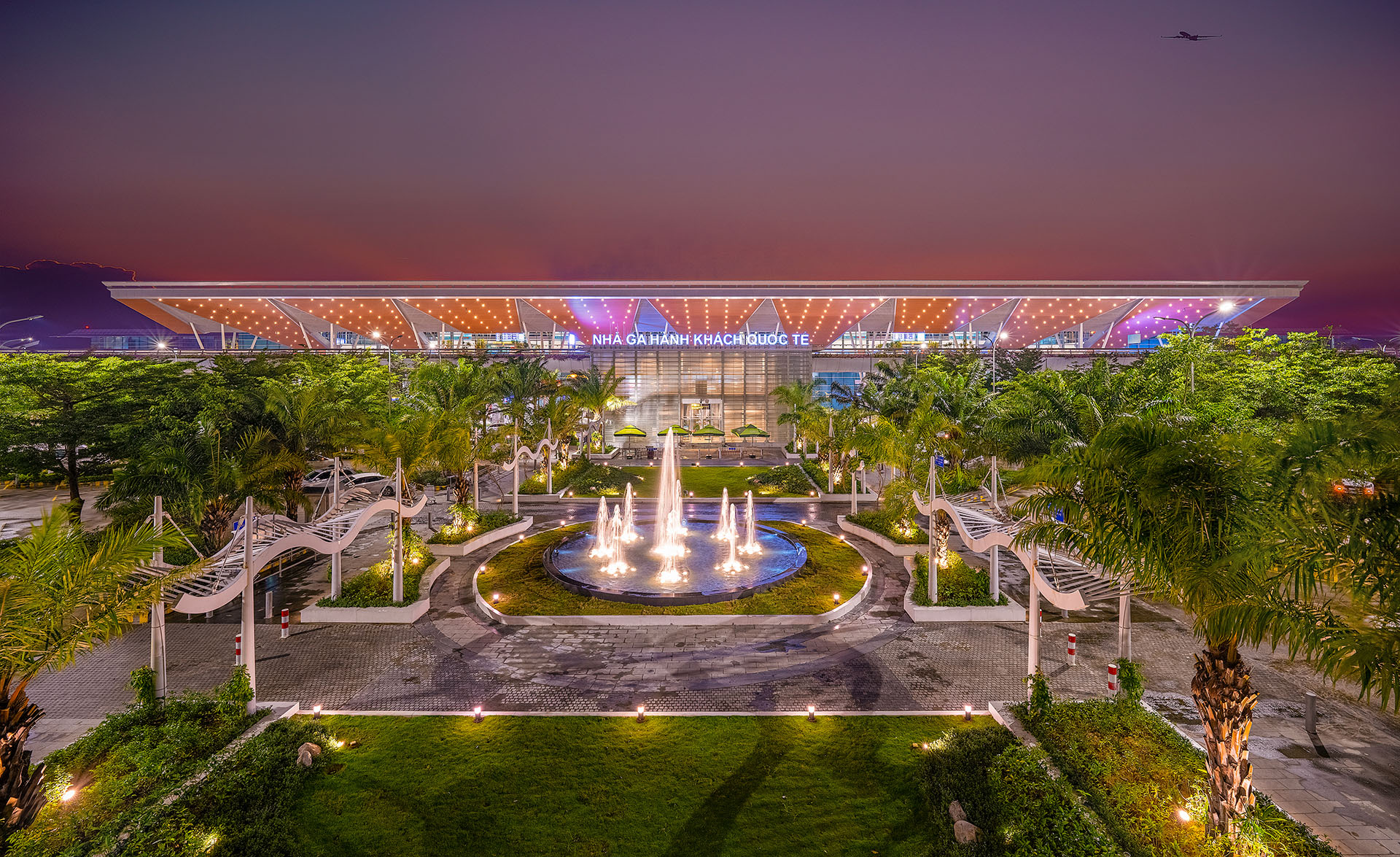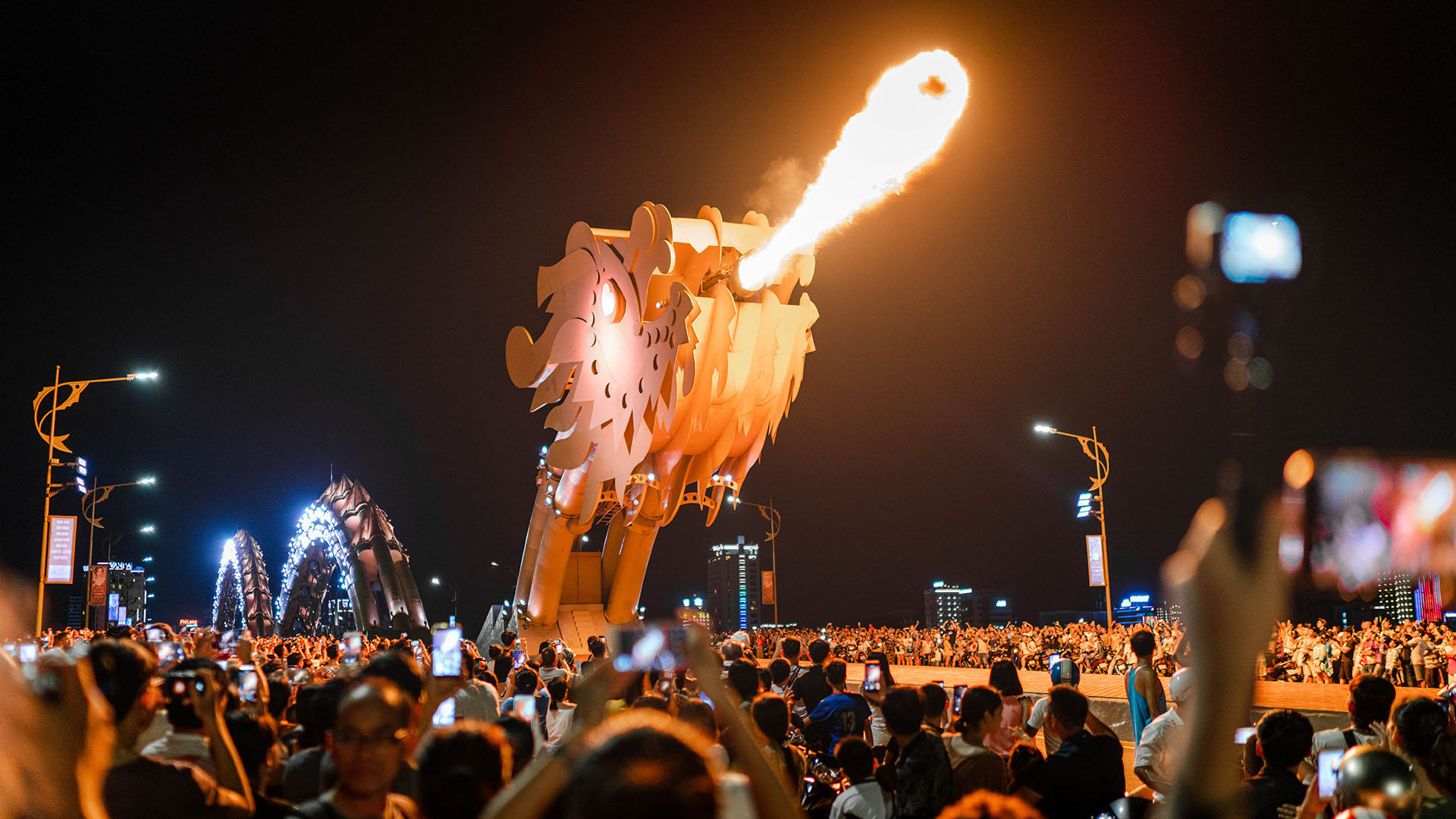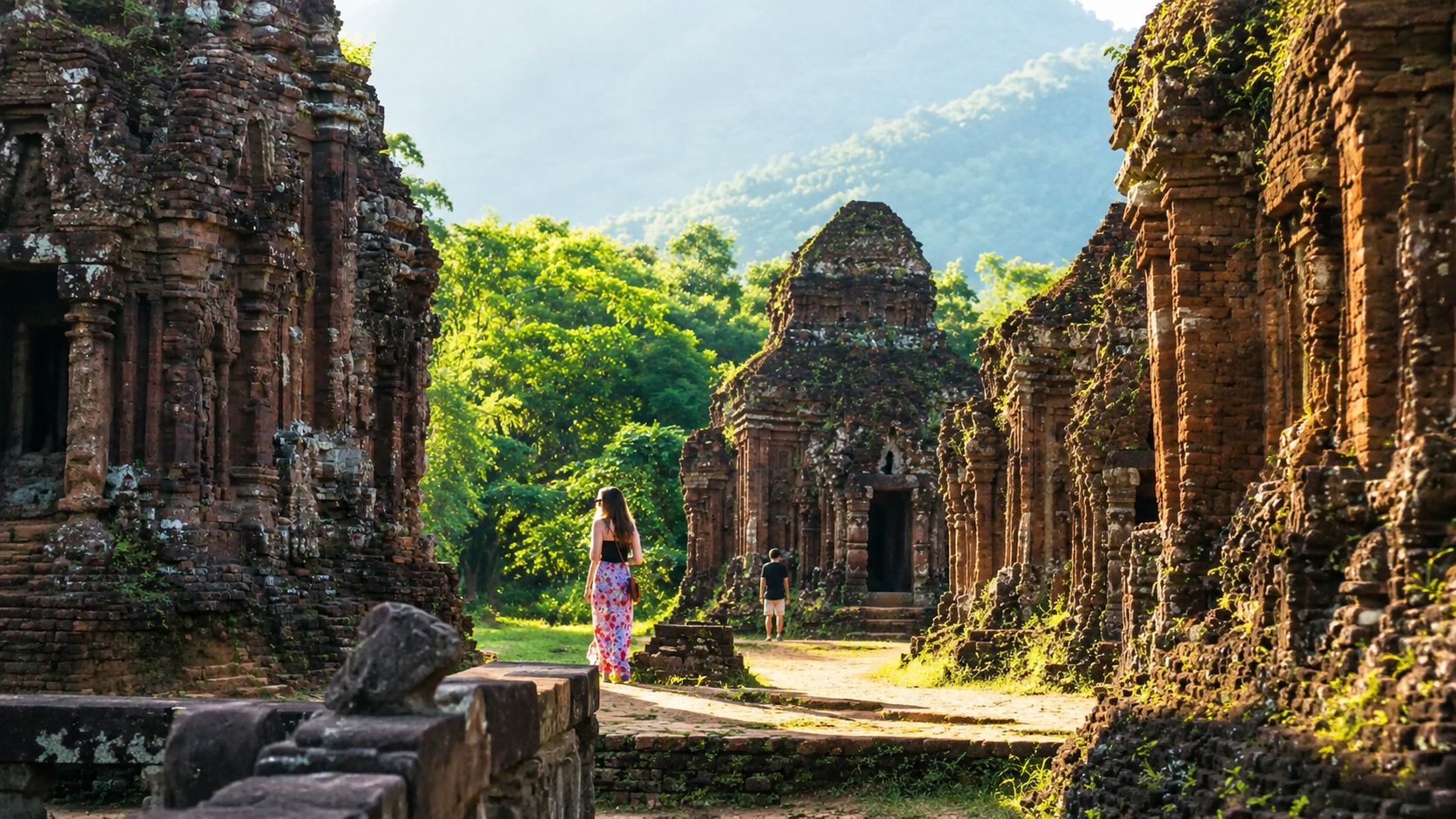
















There is never really a “wrong” time to visit Da Nang. Each season offers its own unique charm—from sunny beach days and vibrant summer festivals to refreshing mountain mornings and rainy days perfect for exploring local culture, museums, and cuisine.
The key is not choosing the best season, but choosing the season that matches the experience you are looking for.
DRY SEASON: THE TIME OF BLUE SEAS, FESTIVALS, AND OUTDOOR ADVENTURES
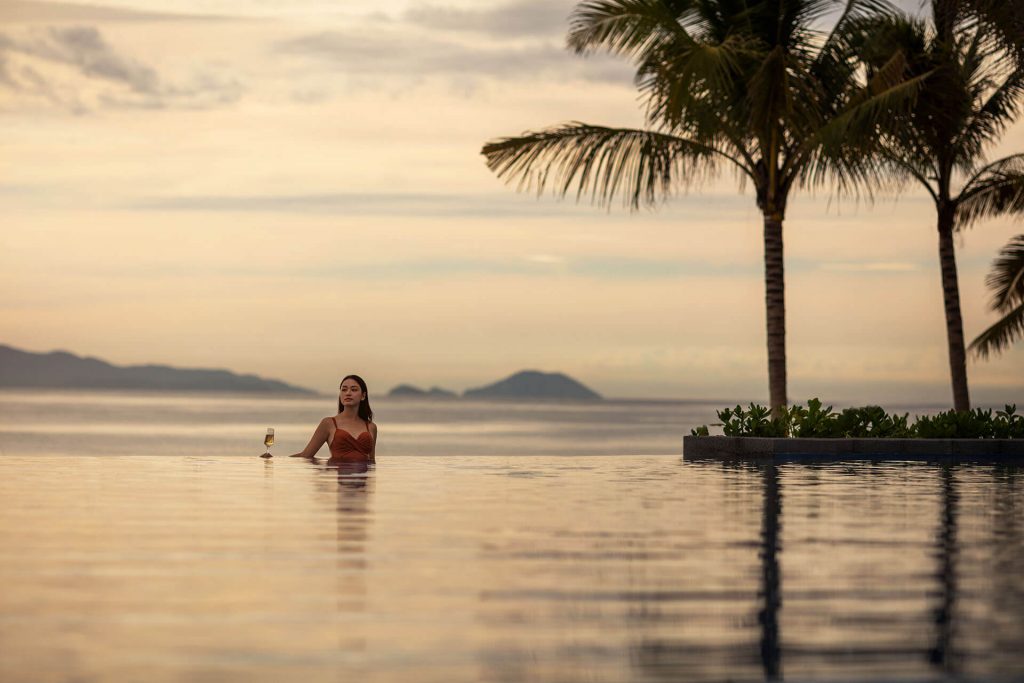
From around March to August, Da Nang enters its dry season, bringing sunny weather, clear blue waters, and ideal conditions for outdoor activities. This is also the city’s peak tourism season, attracting visitors from around the world and earning recognition as one of Asia’s most appealing summer destinations.
Beaches such as My Khe, Man Thai, and An Bang become perfect places to enjoy golden sunshine, refreshing waters, and relaxing seaside moments. A little farther offshore, Cham Island reveals its pristine beauty, crystal-clear waters, and rich marine ecosystem, offering opportunities for snorkeling, coral reef exploration, nature discovery, and experiencing island community life.
Along the southern coastline, Tam Tien presents a different atmosphere with peaceful sandy beaches, traditional fishing villages, and a slower pace of life, making it ideal for travelers seeking tranquility amid nature.
Summer is also the perfect season to experience Da Nang through a wide range of outdoor activities. From swimming, stand-up paddleboarding (SUP), kayaking, surfing, and paragliding over Son Tra Peninsula to coastal cycling routes, nature trekking, and panoramic city viewpoints, every day offers new adventures for active travelers.
This is also the season of festivals and major events. The city comes alive with artistic performances along the Han River, cultural and entertainment activities on the beaches, and international events that attract large numbers of visitors. From early morning until late at night, seaside parks, public squares, and downtown streets remain full of energy, creating the vibrant atmosphere that defines Da Nang as a modern coastal tourism city.
Travel Tips
- If you enjoy outdoor activities, plan beach trips, Son Tra excursions, or Cham Island visits early in the morning for the most comfortable weather.
- From May to July, the city hosts many of its biggest festivals and events, creating the lively atmosphere that characterizes summer in Da Nang.
- Don’t forget sunscreen, a wide-brimmed hat, and plenty of water when participating in outdoor activities on sunny days.
The Season of Nature-Filled Journeys
On Son Tra Peninsula, winding roads through lush forests lead visitors to spectacular viewpoints such as Ban Co Peak, the Thousand-Year Banyan Tree, and Linh Ung Pagoda. In the early morning, when clouds still drift above the sea, Son Tra feels like a world apart from the bustle of the city.
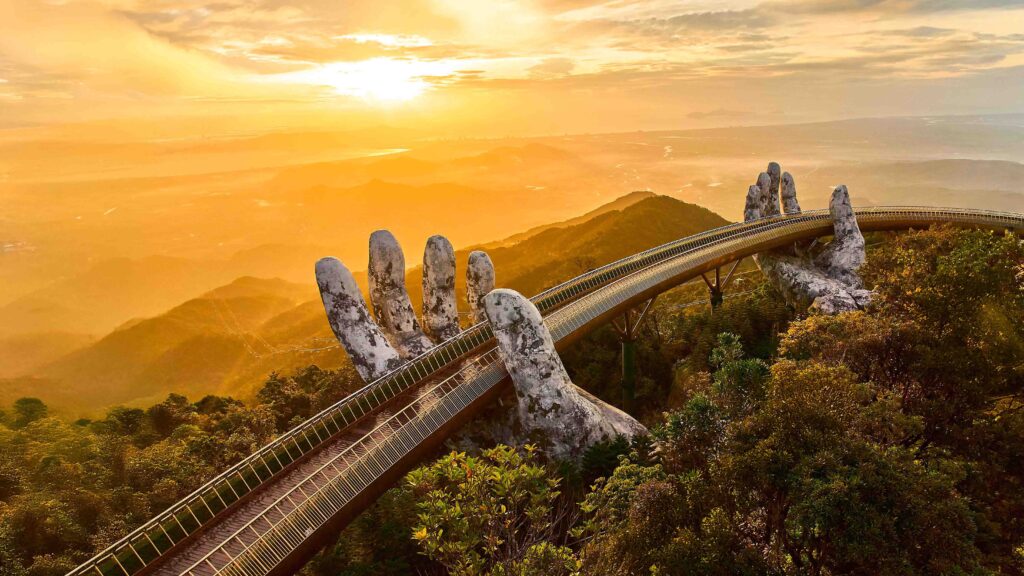
At an elevation of more than 1,400 meters above sea level, Ba Na enjoys cool weather throughout the year. Beyond its famous cable car system and mountain scenery, it is an ideal retreat for those seeking fresh air and peaceful moments surrounded by nature.
Travel Tips
- Son Tra is particularly beautiful in the early morning, while Ba Na offers pleasant weather year-round.
- Bringing a light jacket is recommended if you plan to stay in the mountains during early mornings or late afternoons.

Days for Culture and Heritage
Da Nang is more than beaches and natural landscapes. It is also the gateway to some of Central Vietnam’s most remarkable cultural and historical treasures.
From the city center, visitors can easily explore the Da Nang Museum, the Museum of Cham Sculpture, Dien Hai Citadel, and various historical sites associated with the development of the region.
A short journey away lies the Ancient Town of Hoi An, known for its moss-covered rooftops, charming streets, and centuries-old cultural heritage. Further inland, My Son Sanctuary offers a glimpse into the glorious legacy of the ancient Champa Kingdom, nestled within a green valley surrounded by majestic mountains.
These destinations are especially enjoyable on cooler days or for travelers interested in gaining deeper insights into local history and culture.
Travel Tips
- Allow at least one full day to explore Hoi An and half a day for My Son Sanctuary to fully appreciate the atmosphere and stories behind each heritage site.
RAINY SEASON AND SLOWER EXPERIENCES
From approximately September to December, Da Nang enters its rainy season. While some outdoor activities may be affected, this period offers an opportunity to experience the city from a different perspective.
Cafés overlooking the Han River, art spaces, museums, local restaurants, and beachfront resorts become ideal choices during cooler weather.
Many travelers enjoy this season because the pace of life slows down, the atmosphere becomes more peaceful, and attractions are generally less crowded.

Travel Tips
- Always carry a compact umbrella or lightweight raincoat when traveling in Central Vietnam during the rainy season.
- Many rainy-season days still feature sunshine between short periods of rainfall.
What Should You Pack for Da Nang?
- Comfortable clothing suitable for a tropical climate.
- A hat, sunglasses, and sunscreen if visiting during the dry season.
- Walking shoes or sneakers for exploring Son Tra, Hoi An, and My Son.
- A light jacket for trips to Ba Na Hills or early morning outings.
- A compact umbrella or raincoat if traveling during the rainy season.

Every Season Has Its Own Beauty
Da Nang is more than beautiful beaches and luxury resorts. From riverside streets along the Han River and museums preserving local memories to the primeval forests of Son Tra Peninsula and the renowned heritage sites of Central Vietnam, each season reveals a different side of the destination.
Whether you are looking for a beach holiday, a nature-filled adventure, or cultural stories that span centuries, there is always a perfect time to begin your journey in Da Nang.
DANANG TOURISM PROMOTION CENTER