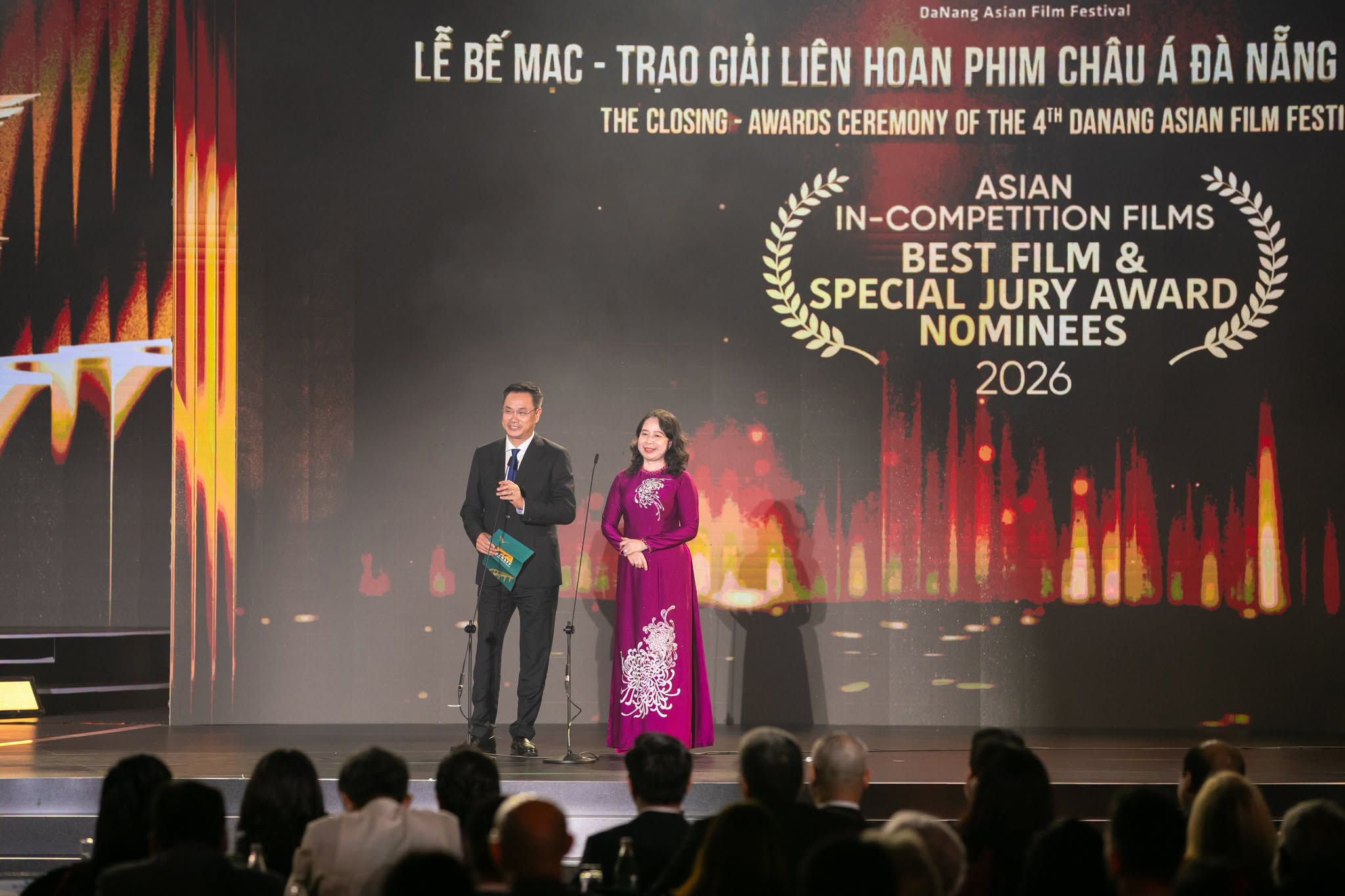
















Full Plate, directed by Tannishtha Chatterjee, was honoured with the Best Asian Film Award at the 4th Da Nang Asian Film Festival (DANAFF IV).
With its gentle yet powerful storytelling, the film takes audiences on the journey of an ordinary woman, from the familiar confines of her family kitchen to rediscovering her voice, her self-worth and the right to make decisions about her own life.
From a Small Kitchen to a Journey of Self-Discovery
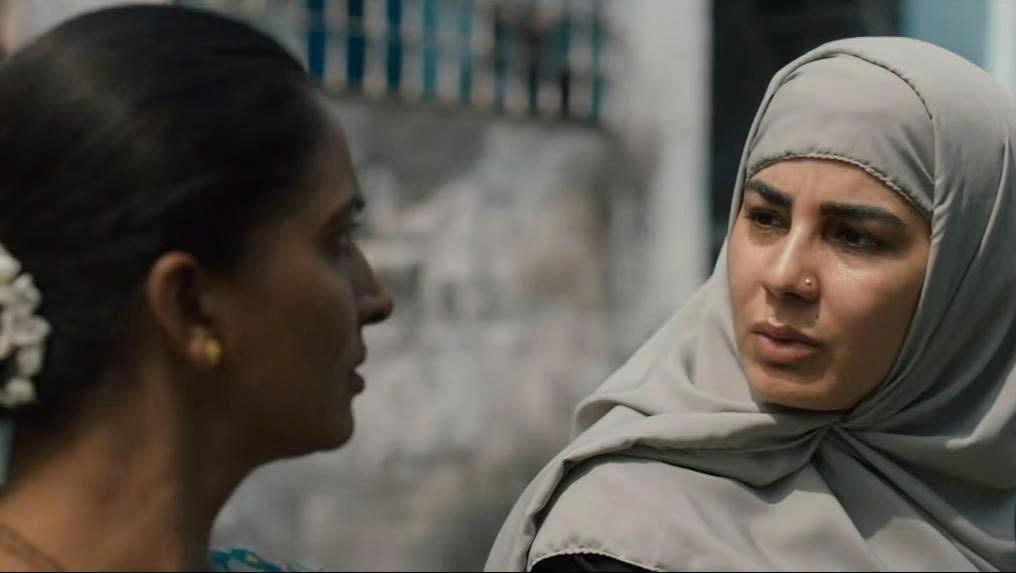
Full Plate tells the story of Amreen, a poor Muslim woman living in Mumbai. After her husband is injured in an accident, she is forced to become the family’s breadwinner and takes a job preparing vegetarian meals for an affluent couple.
From that point on, the film is not only about learning to cook new dishes, but also follows Amreen’s gradual journey of discovering her own abilities and self-worth.
The kitchen, once associated with the traditional role of a homemaker, becomes the doorway to her financial and emotional independence. Through what seems like an ordinary job, Amreen gradually gains confidence, learns to make her own choices and finds a new place within both her family and society.
Confronting Prejudice from Every Direction
Along this journey, Amreen faces multiple layers of prejudice, including discrimination against Muslims, the gap between rich and poor, traditional family expectations and her husband’s wounded pride as his role as the family’s “provider” begins to shift.
The film does not portray its characters through a clear-cut good-versus-evil narrative. Instead, each character is shaped by the limitations of their own circumstances, beliefs and understanding, responding in ways they believe are appropriate.
This approach makes the story more authentic and relatable while opening up thoughtful reflections on gender, religion, social class and the invisible barriers women continue to face in everyday life.
Food as a Reflection of Personal Transformation
Food is a central element throughout Full Plate, yet it is never used simply to showcase the appeal of the dishes themselves.
Every meal Amreen prepares reflects a stage in her personal transformation, from uncertainty and inexperience to confidence and creativity. As her culinary skills improve, she also gains a deeper understanding of her own abilities, aspirations and value.
Through the image of the kitchen, the film demonstrates that a space traditionally viewed as a symbol of confinement can become the starting point of freedom, provided one has the courage to redefine oneself.
The Power of Everyday Stories
Winning the Best Asian Film Award at DANAFF IV not only recognises the film’s artistic excellence but also highlights the power of everyday stories when told with careful observation and genuine empathy.
Full Plate moves audiences through its sincerity in storytelling while reminding us that the greatest transformations often begin with the smallest things: a kitchen, a job and a woman who decides to step beyond the boundaries that society has long assigned to her.
DA NANG TOURISM PROMOTION CENTER