















This Tet, on your spring journey through Da Nang, if you wish to step away from the urban rhythm and return to a peaceful countryside, choose the route to Duy Xuyen—a land resting gently along the Thu Bon River, where spring seems to flow slowly with the water and cultural memories have been carefully preserved across generations.
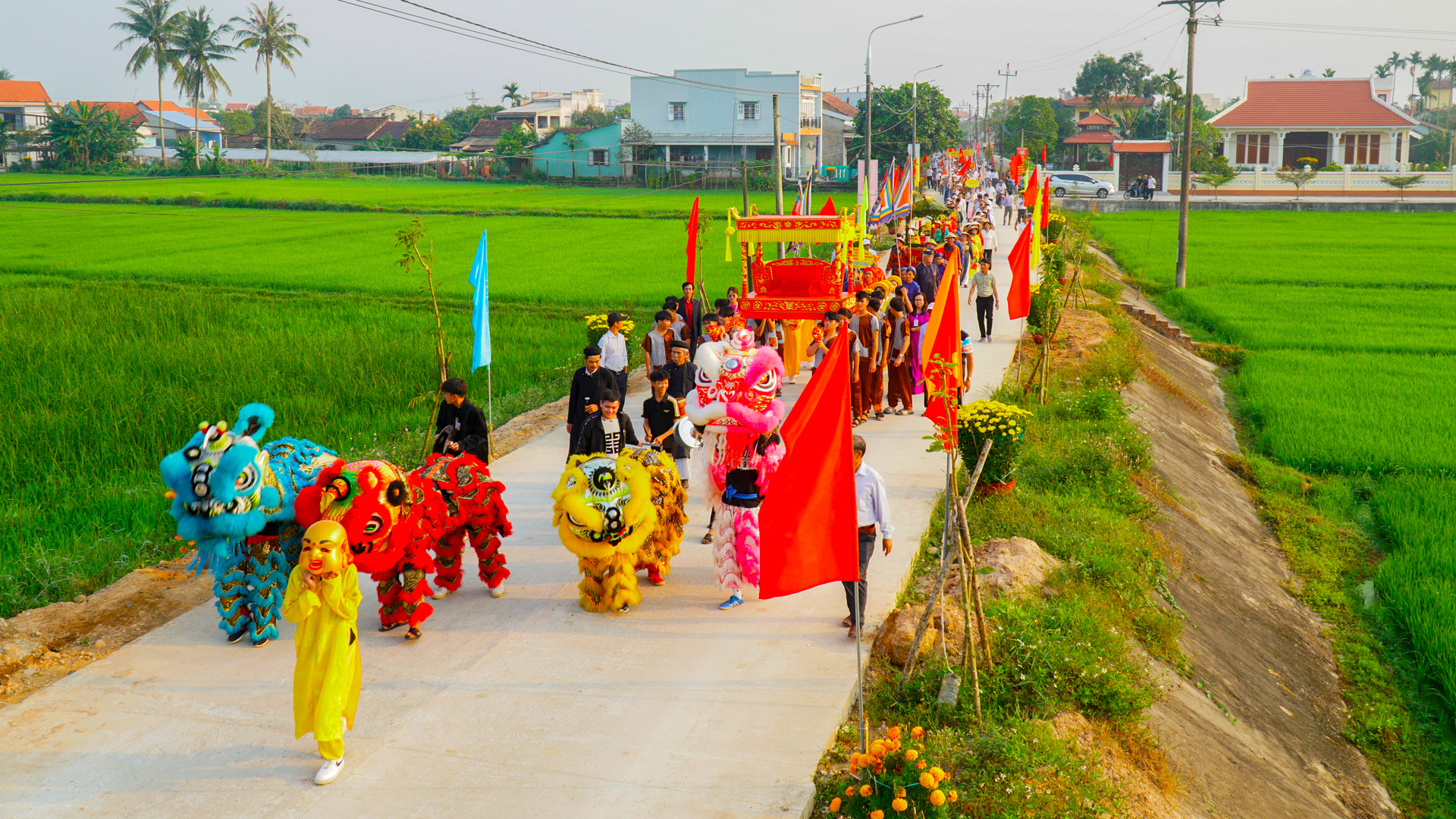
Within this rural setting, the Ba Chiem Son Traditional Festival unfolds as a special spring gathering—a festival closely connected to the mother river, community life, and folk cultural values that have accompanied this land over time. A spring visit to Chiem Son Village is not merely about attending an early-year festival; it is a journey that touches the local rhythm of life, listens to the stories of a riverside village, and experiences spring in a simple, reflective, and deeply personal way.
Taking place from February 25–28, 2026 (the 9th–12th days of the first lunar month of the Binh Ngo year), the festival is one of Da Nang’s most representative cultural events of the new spring season. In 2026, it carries special significance as it coincides with the ceremony recognizing the Ba Chiem Son Festival as a National Intangible Cultural Heritage—a milestone affirming its cultural and historical value and its role in community spiritual life, while also opening wider opportunities for visitors to discover the festival.
Festival space – where a spring journey begins in stillness
The heart of the festival is Ba Chiem Son Shrine, a space long intertwined with the cultural life of local residents. During the festival days, it becomes a gathering place for collective memory, traditional rituals, and early-spring community activities.
For visitors, traveling to Chiem Son after Tet feels like a slow spring journey: passing through village paths scented with new rice, listening to ceremonial drums echo in the quiet air, and sensing spring colors spreading across rooftops and courtyards. Here, the festival does not stand apart from daily life—it blends seamlessly into it, creating a sense of closeness and authenticity, true to the spirit of “touching” rather than simply “watching.”
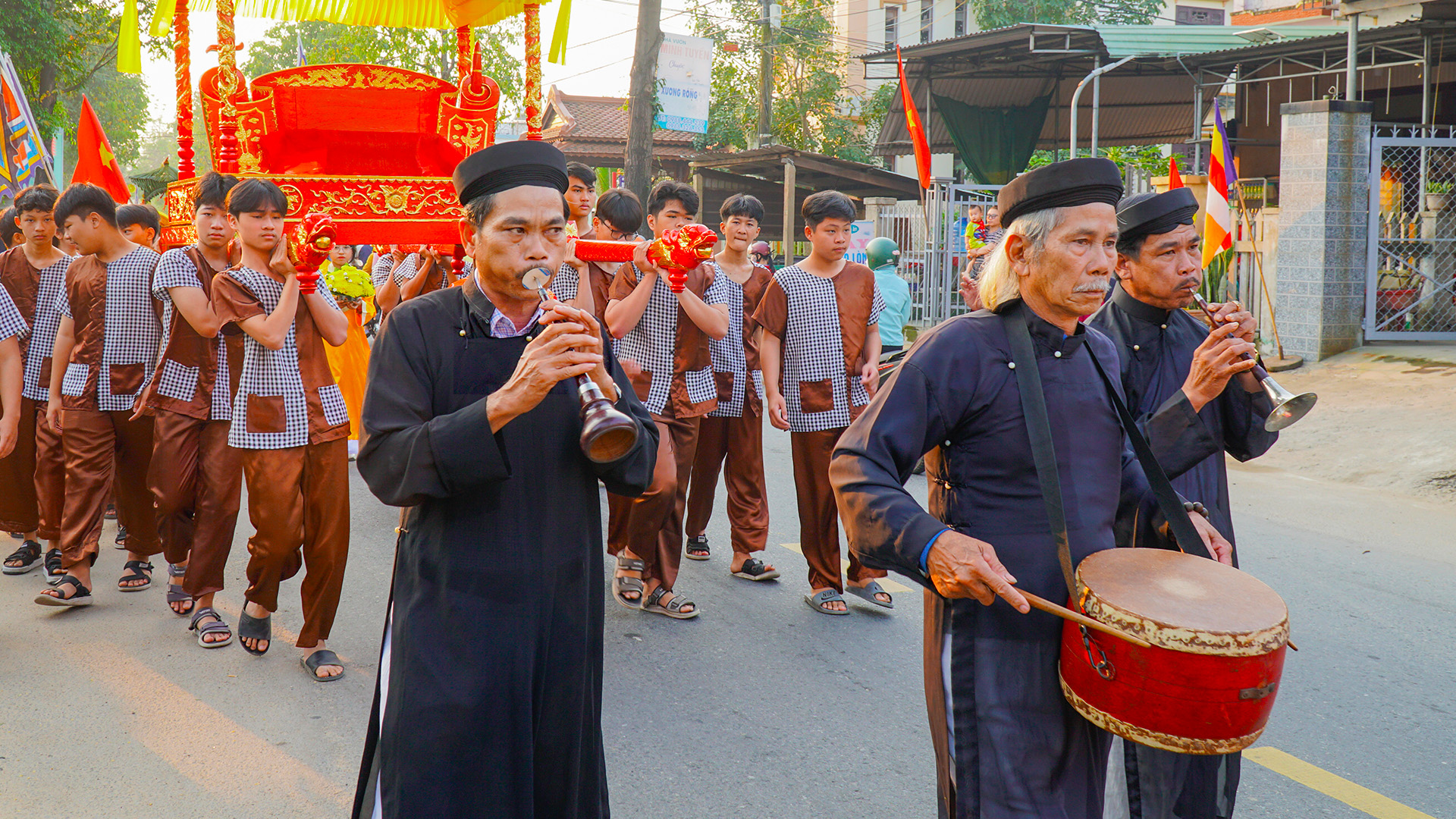
Traditional rituals – history continued through community practice
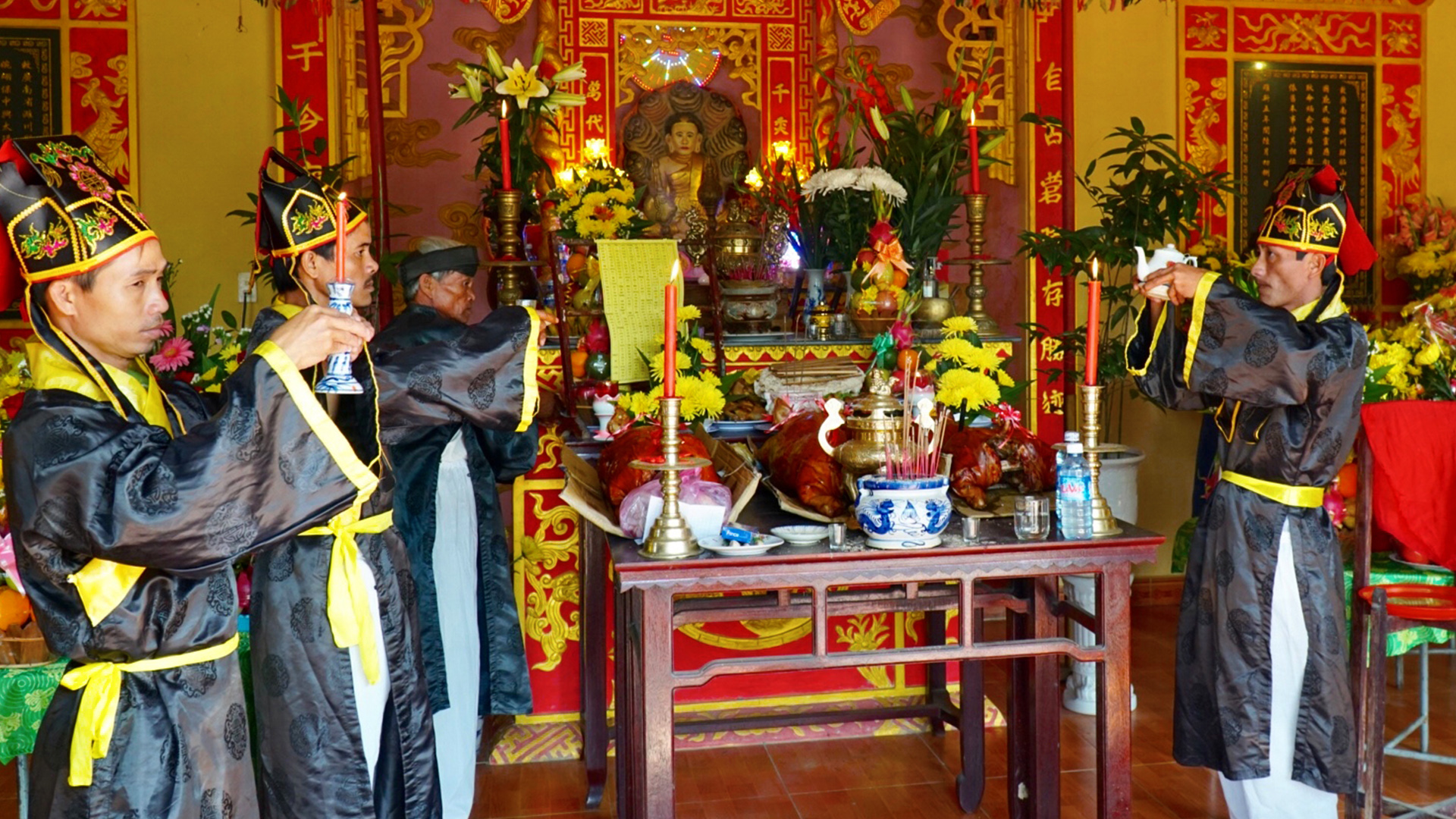
The ceremonial part of the Ba Chiem Son Festival is conducted with solemnity, following rites passed down through generations. These rituals are not staged performances, but a natural continuation of collective memory, preserved and practiced by local residents as an integral part of early-year cultural life.
For visitors, being present in the ritual space offers a deeply observational experience—from the preparation of offerings and arrangement of ceremonial spaces to the coordinated participation of ritual members. Every detail reflects respect for tradition and reveals how the local community safeguards its core values amid modern life.
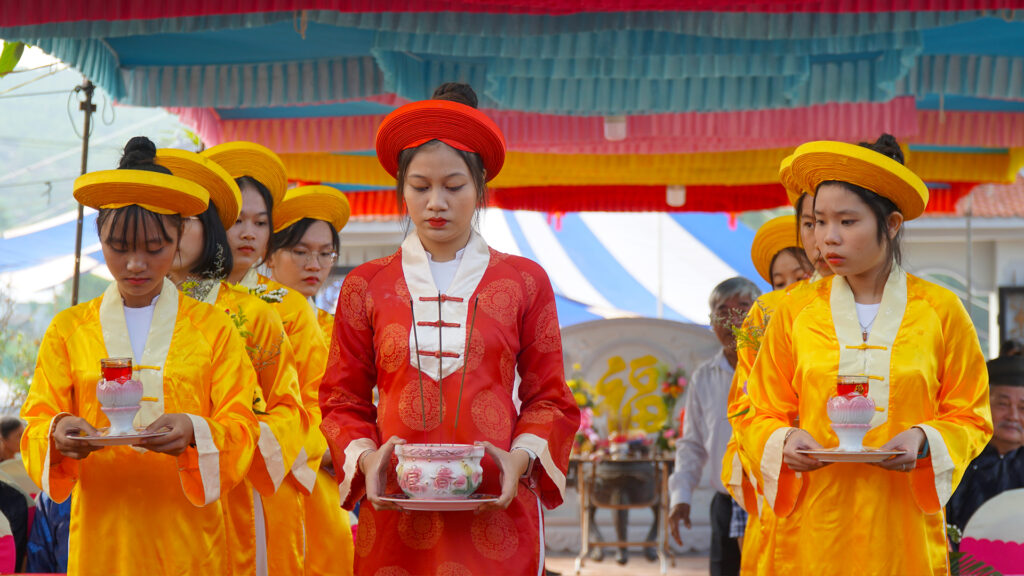
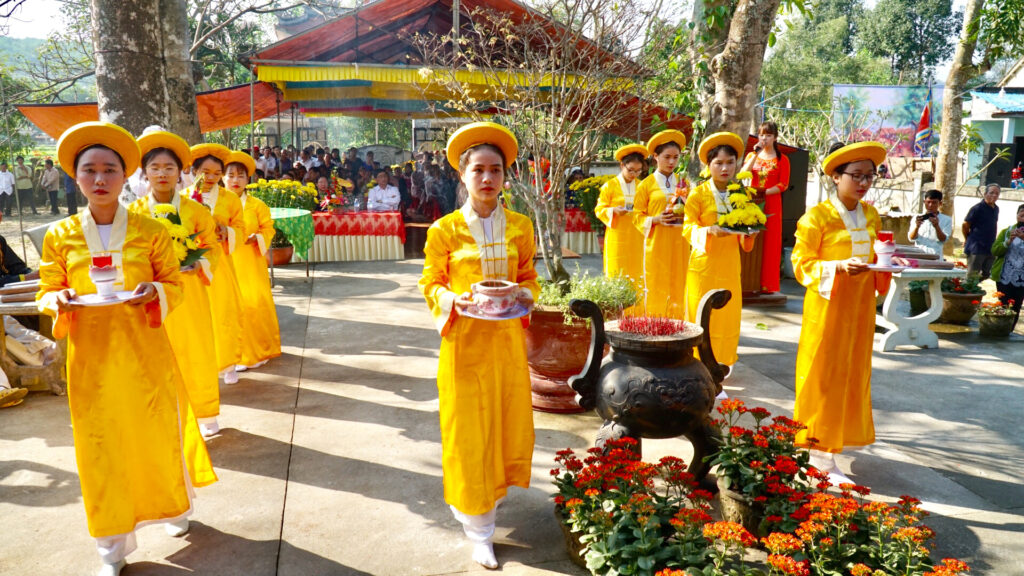
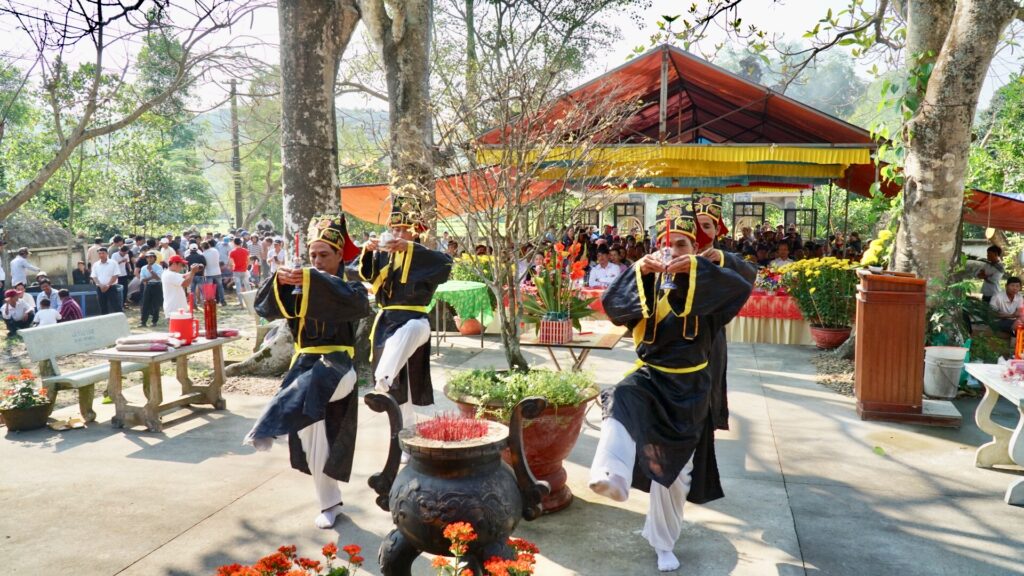
Artistic program – retelling the Ba Chiem Son story through contemporary expression
One of the highlights of the Ba Chiem Son Festival 2026 is the artistic program reenacting the history and legends of Ba Chiem Son, held on February 27, 2026 (the 11th day of the first lunar month). Through stage performance, music, and movement, the story of Ba is retold in a vivid and emotional way, allowing visitors to approach local history and culture more intimately.
Instead of rigid narration, the program opens an emotional space where legends are revived through imagery, sound, and rhythm. For visitors, it is not merely a performance, but an opportunity to understand, feel, and connect with a story that has accompanied Chiem Son for generations.
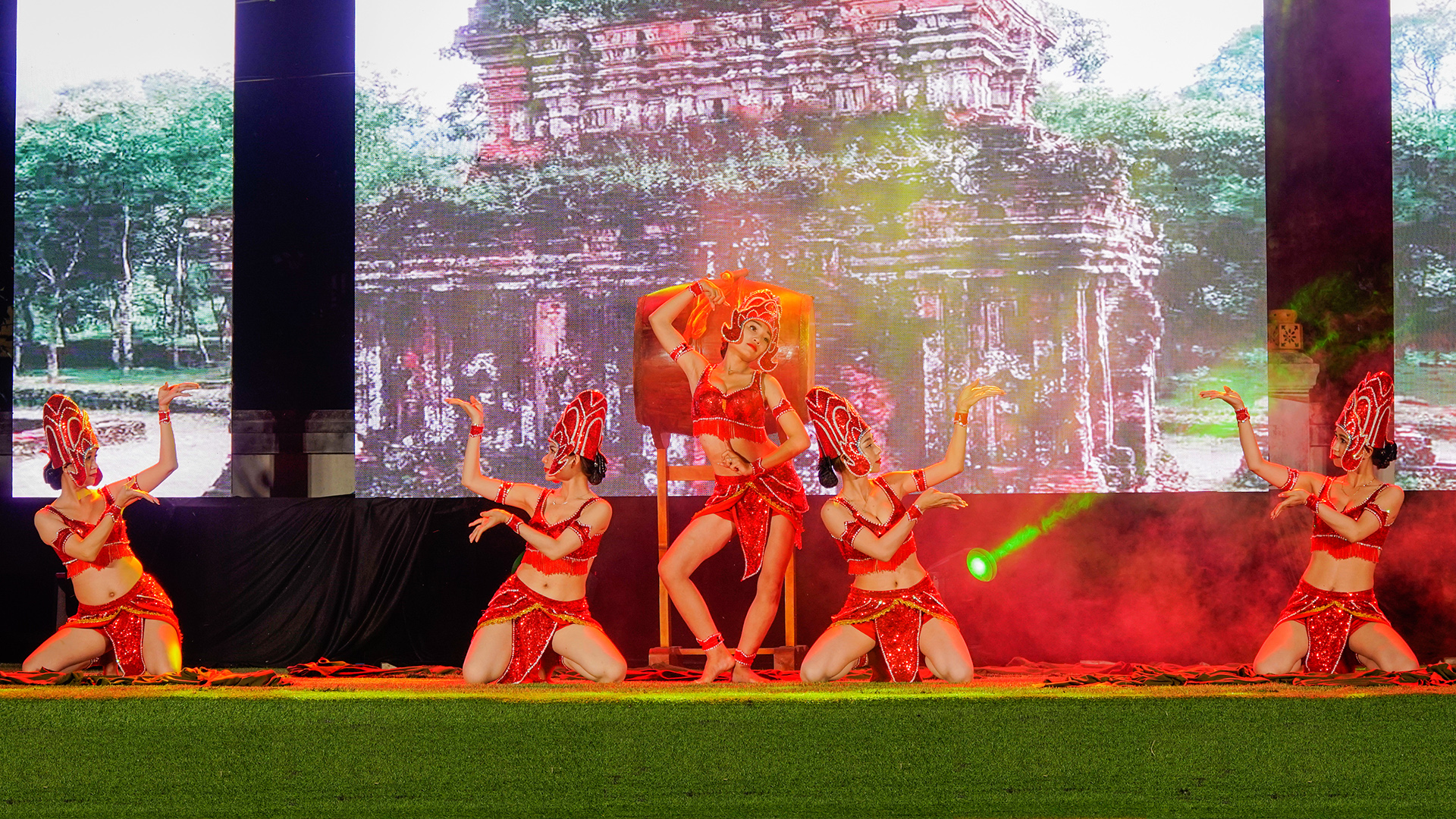
Festive activities – spring journeys within community life
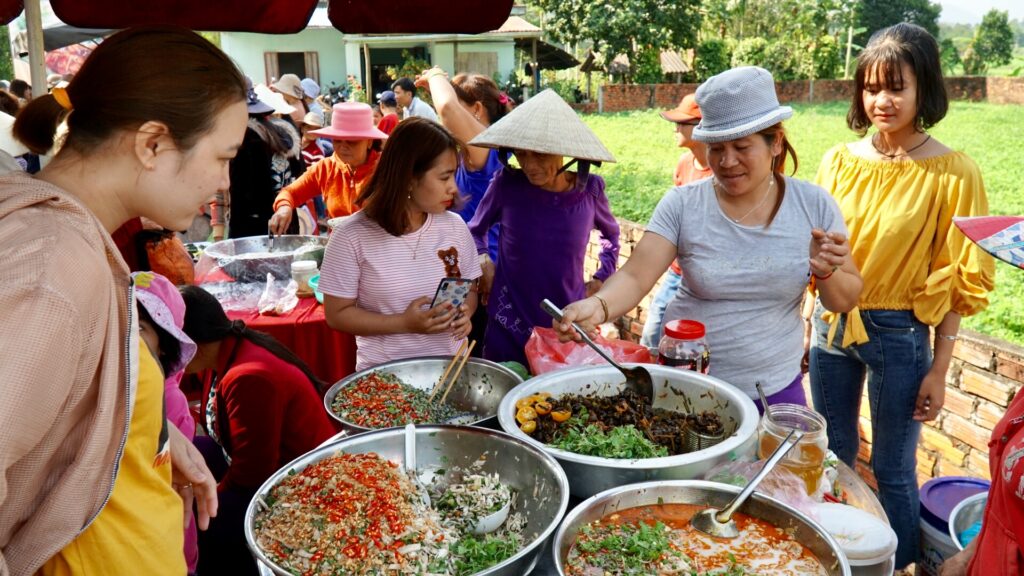
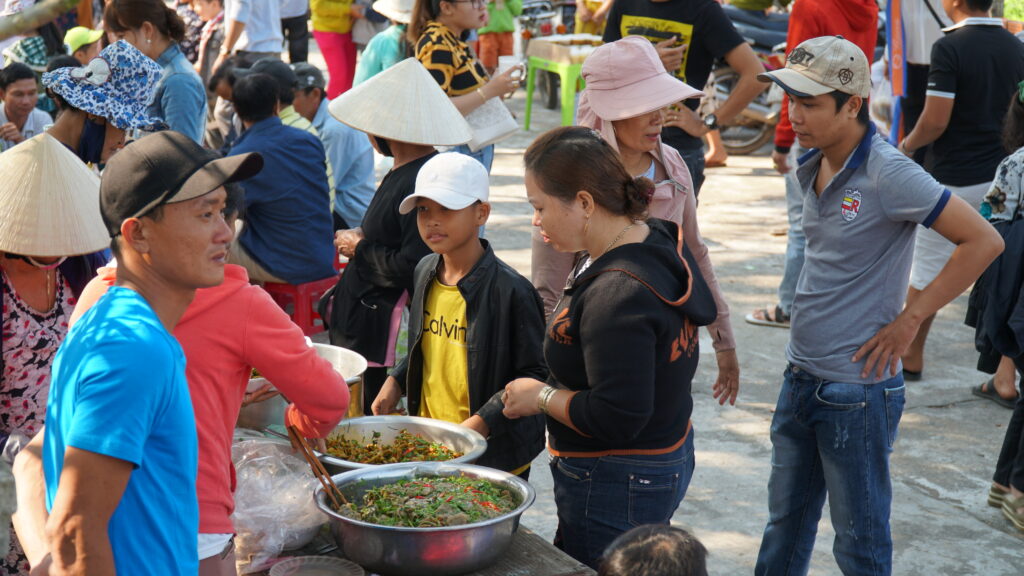
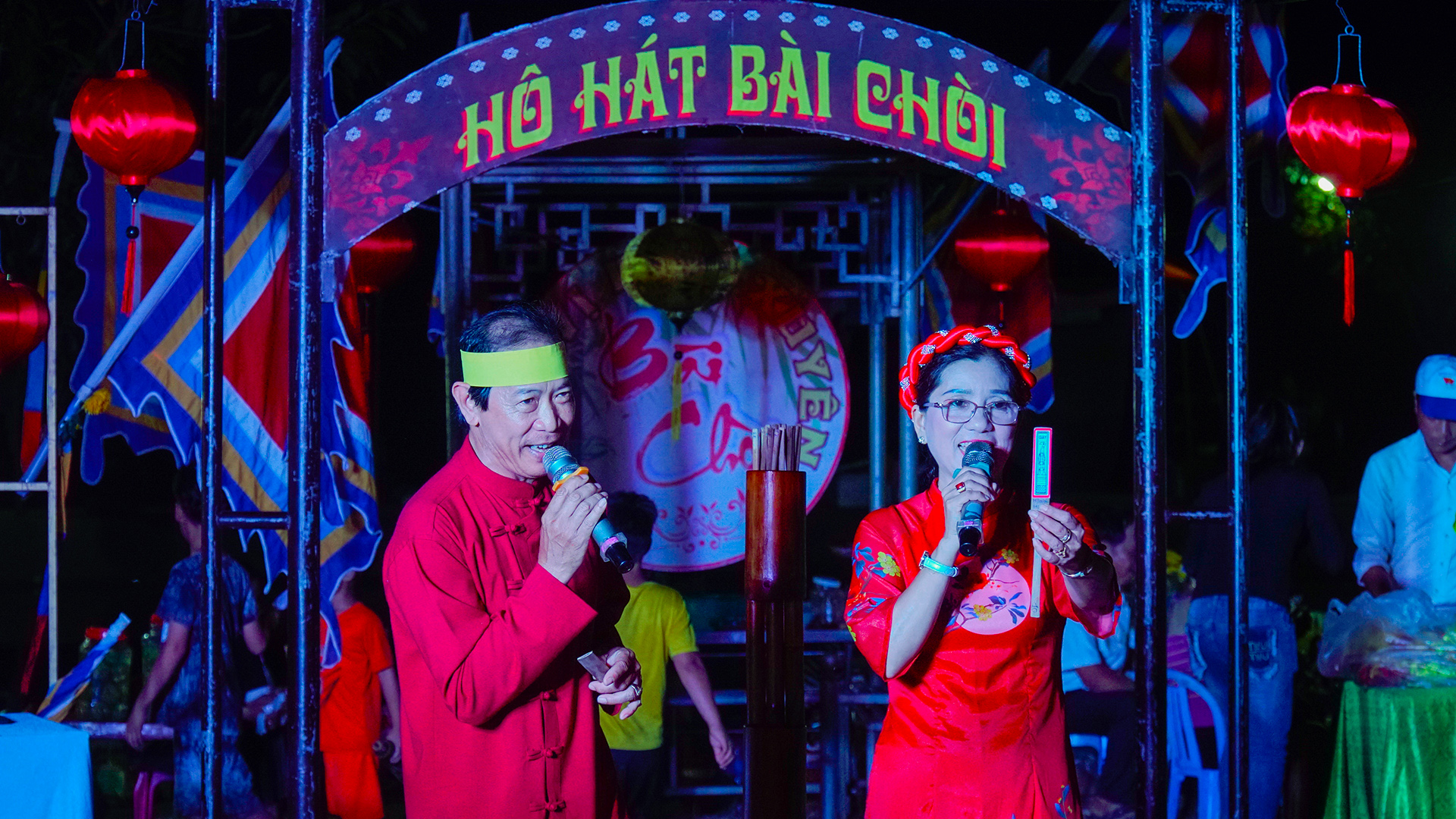
Alongside the solemn rituals, festive activities take place on February 25–26, 2026 (the 9th–10th days of the first lunar month) at the Ben Gia Ngu area, bringing a lively yet open spring atmosphere. This is where the festival extends into the community, allowing locals and visitors to share early-year joy through interactive activities.
For visitors, the festive section is a chance to immerse themselves in local life: strolling through the festival grounds, observing traditional practices, chatting with residents, and feeling the hospitality and strong community spirit of the Quang countryside. Not overly bustling or commercialized, it offers a warm, natural ambiance where early-year joy grows from genuine connection.
Ba’s death anniversary, procession, and sacrificial rites – the festival’s depth
A key highlight of the festival is Ba’s death anniversary ceremony (at midnight on February 28, 2026), followed by the traditional procession and sacrificial rites the following morning. These ceremonies are conducted strictly according to ancient protocols, reflecting solemnity, order, and strong communal participation.
For visitors, this moment reveals the deepest layer of the festival: the atmosphere grows still, rituals unfold at a measured pace, and each procession step and sacrificial gesture carries symbolic meaning. This simplicity, free from ostentation, defines the unique value of the Ba Chiem Son Festival and helps preserve its original identity in a modern context.
Spring journeys in Da Nang – when festivals become emotional touchpoints
Among the many Tet and post-Tet festivals in Da Nang, the Ba Chiem Son Traditional Festival offers a distinct tone—calm, reflective, and culturally profound. It is not a festival to “tick off,” but a destination for those who wish to slow down and find a space to connect with history, folk culture, and local community life.
In the new spring season, as the plains of Da Nang are gently dressed in fresh green hues, a journey to Chiem Son becomes a truly fulfilling spring experience—one where the festival lingers beyond its dates, leaving lasting impressions on visitors. This reflects the spirit Da Nang tourism embraces in 2026: each festival as a meaningful touchpoint, contributing to the journey of “Da Nang – Returning to Original Values” through authentic experiences, genuine emotions, and sustainable cultural heritage.
DA NANG TOURISM PROMOTION CENTER