















Vietnam’s tourism industry is entering a new phase of growth, marked by a strong recovery of international arrivals and noticeable shifts in global travel behavior. Within this evolving landscape, Da Nang is gradually affirming its role as a dynamic, well-connected, and experience-rich destination in the Asia–Pacific region.
As global tourism stabilizes after previous disruptions, 2026 is considered a pivotal transition period—when international travelers not only return but also redefine how they choose destinations. The latest report from Amadeus highlights Vietnam as a rising growth market in the region, with synchronized recovery across aviation, accommodation, and travel consumption trends.

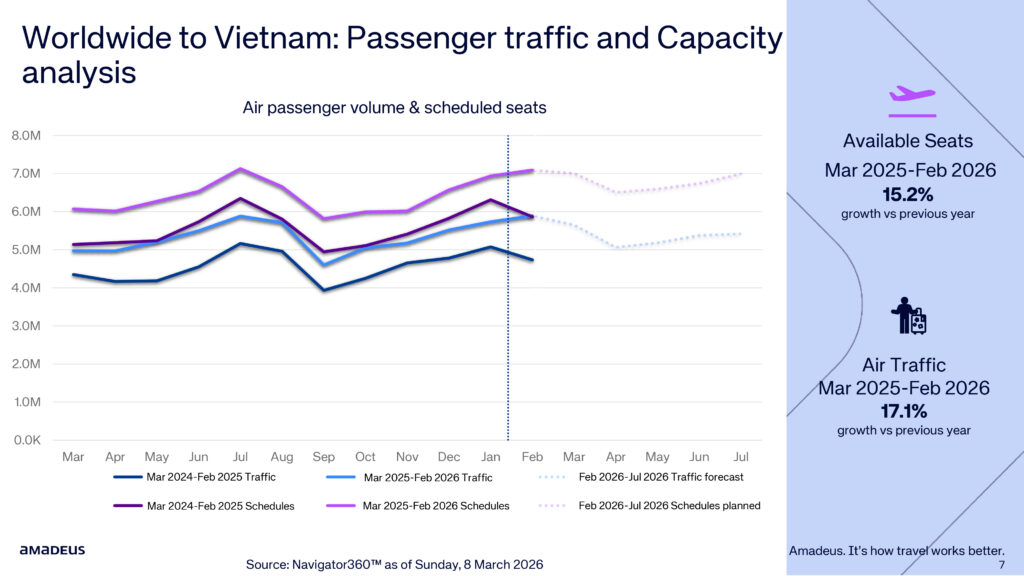
Data from Navigator360 shows that from March 2025 to February 2026, international arrivals to Vietnam increased by approximately 17.1%, while seat capacity grew by 15.2% compared to the same period last year. This is not only a signal of recovery but also reflects a broader shift of travel demand back to Asia–Pacific destinations, where Vietnam is increasingly recognized as an attractive choice.
Within this broader picture, Da Nang stands out as a key growth highlight. According to the same data source, international passenger arrivals to Da Nang rose by around 26%, while international seat capacity increased by 24%. This growth significantly exceeds the market average, indicating not only route recovery but also rising traveler confidence in a destination known for strong connectivity, well-developed infrastructure, and increasingly diverse experiences
Market shifts – The restructuring of international visitor segments
Amadeus data shows that Vietnam’s inbound markets continue to be led by key source markets such as South Korea, China, and the United States—traditional drivers of visitor volume. However, a notable trend lies in the strong growth of emerging markets.

During 2025–2026, India recorded a growth rate of approximately 69%, while Japan grew by around 38%. This increase is not only quantitative but also reflects a diversification of travel demand—from leisure-focused trips to multi-purpose journeys that combine cultural experiences, events, and personal connection.

Meanwhile, traditional markets such as South Korea and China, although experiencing slight adjustments in growth, continue to play a dominant role in overall volume. This indicates that Vietnam’s tourism market is entering a more balanced phase—where mass tourism and high-value travelers coexist, requiring more diversified products and experiences.
In this context, Da Nang holds a clear advantage as a central hub within Central Vietnam’s tourism ecosystem. Beyond being a coastal leisure destination, the city serves as a gateway connecting heritage, culture, and experiential spaces—helping extend visitor stays and increase travel spending.
Changing traveler behavior – From booking patterns to personalized experiences
One of the most notable changes lies in booking behavior. Amadeus data indicates that early booking trends—particularly between 31 and 180 days prior to travel—are becoming increasingly common. This reflects greater travel stability and a more proactive approach among travelers in planning their journeys.
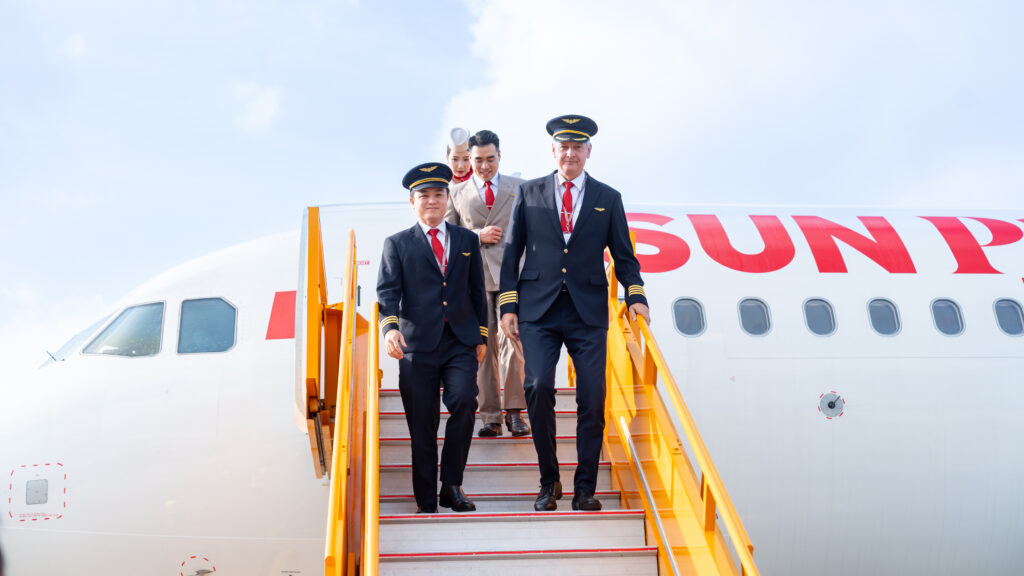
In addition, while economy class still dominates (accounting for around 93% of total passengers), premium and business segments are seeing positive growth. In destinations such as Da Nang, both economy and business classes recorded growth of approximately 22%. This signals a shift from “mass tourism” to “selective travel,” where experience and personal value take priority.
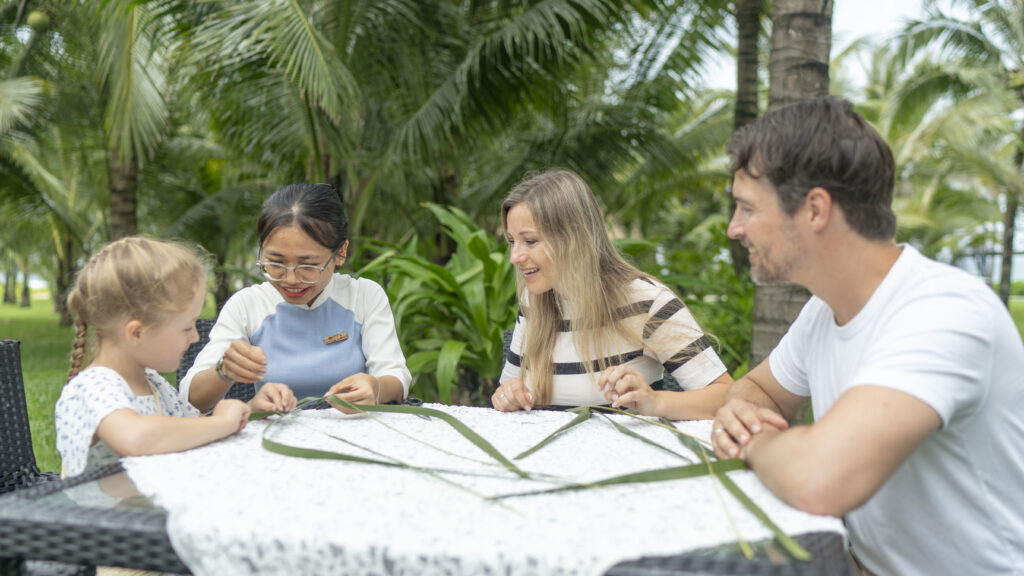
In the accommodation sector, both occupancy rates and average daily rates (ADR) show positive recovery trends in the forecast period. In particular, Da Nang’s “on-the-books” data indicates a rebound in room rates aligned with rising demand, reflecting improvements in visitor quality and spending capacity.
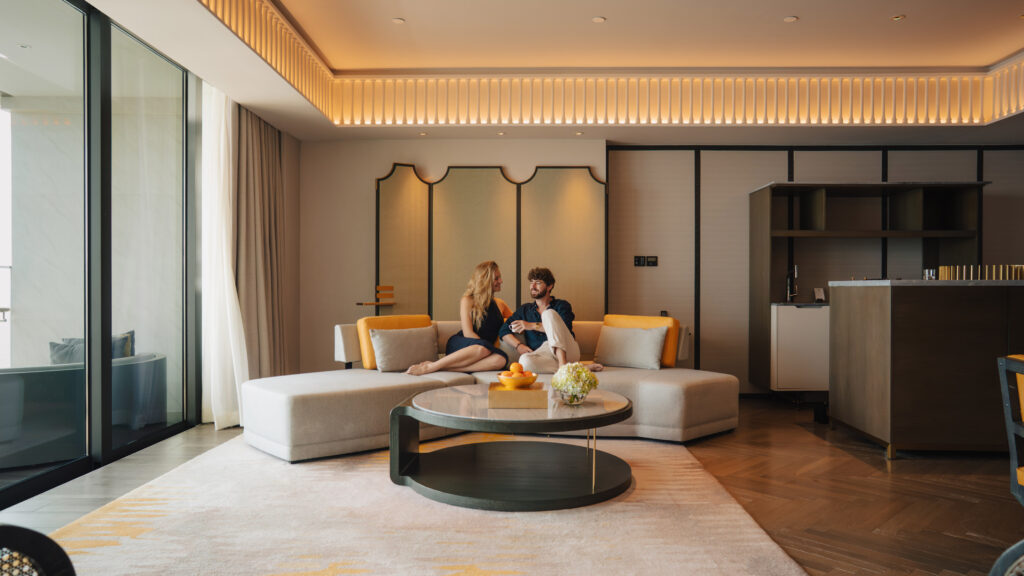
Da Nang in transition – From recovery destination to positioning itself globally
If previous years were defined by recovery, 2026 marks a clearer transformation—where Da Nang is not only welcoming returning visitors but also gradually defining its role within the global destination network.

Strong aviation growth, diversified visitor markets, and evolving travel behaviors are opening up new opportunities: shifting from volume-driven growth to value-driven development. In this process, high-end resort tourism, wellness, MICE, and cultural experiences will play a key role in enhancing destination value.


In the broader flow of global tourism—where travelers increasingly seek emotional value and deeper connections—Da Nang is entering a new stage of development. It is no longer just a place to visit, but a place to experience, to feel, and to “return to origin” — reconnecting with nature, culture, and one’s inner self.
Source: Navigator360
DA NANG TOURISM PROMOTION CENTER