















Some journeys begin with a clear plan: where to go, what to experience, what itinerary to follow. But there are also journeys that begin gently—with a moment when you pause in the middle of nature, take a deep breath, and realise that the quiet rhythm of the earth is still moving softly around you.
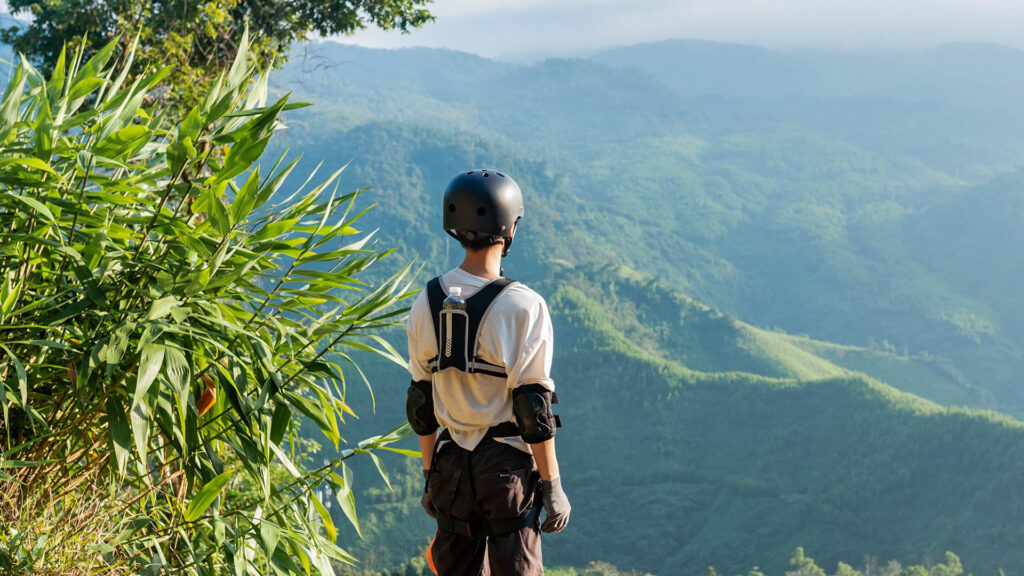
In Da Nang, such moments are not difficult to find. It may be an early morning on the Son Tra Peninsula, when the sun first touches the sea and the forest is still wrapped in a thin veil of mist. It may also be a trekking path through the Truong Son forests, where each step leads travellers deeper into a world of mountain streams, moss-covered trees, and the primal sounds of the great forest.
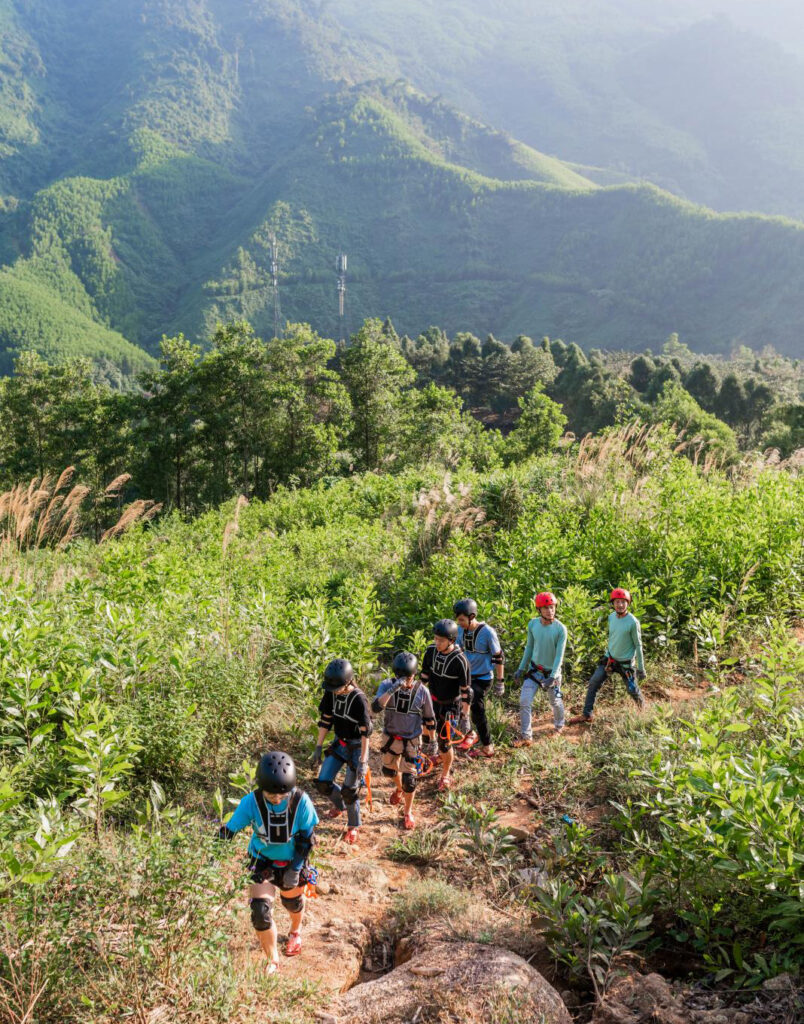
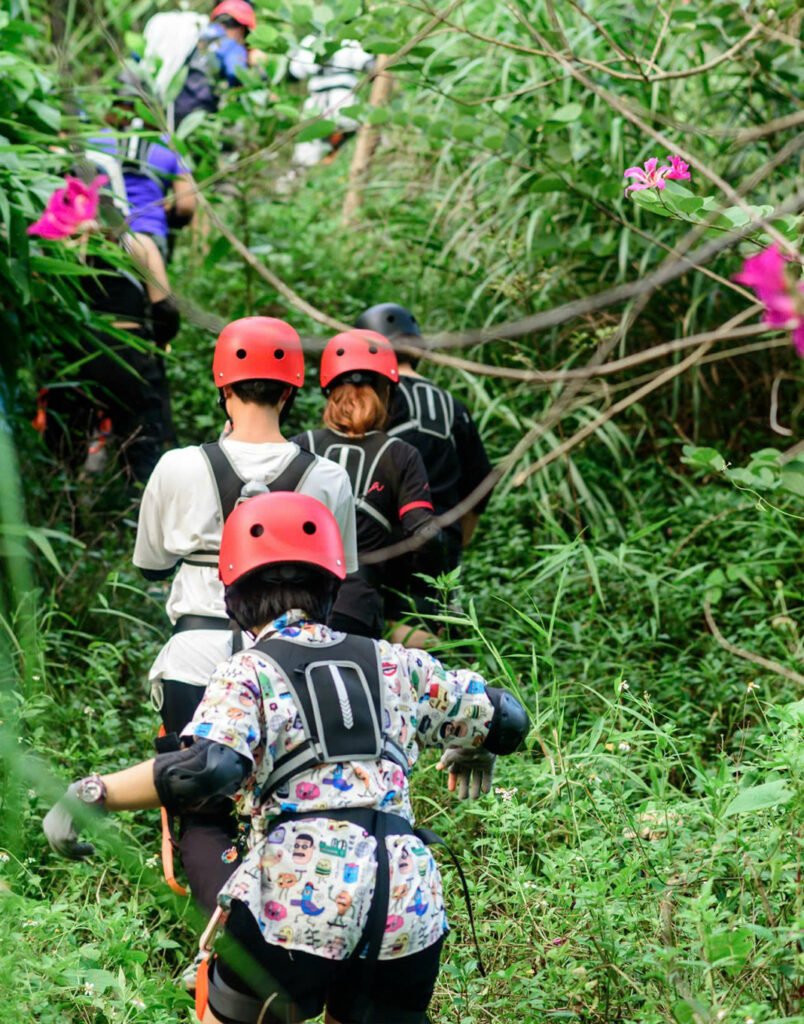
In spaces like these, travel is no longer simply about “where to go” or “what to see.” The journey becomes a deeper experience—one where people slow down, listen to nature, and reconnect with the rhythm of their own lives. From these emotions emerges Touch the Untouched – Where Nature Connects, one of the five experiential journeys within the tourism programme “Return to Origin.” It opens pathways to experiences linked with forests, mountains, islands, rivers and local communities—where travellers can immerse themselves in nature and feel the authentic pulse of the land.
Natural landscapes that still hold their original breath
One of the most fascinating aspects of Da Nang is the diversity of its landscapes. Within a single journey, travellers can move from islands to mountains, from marine biospheres to ancient forests of the Truong Son range.
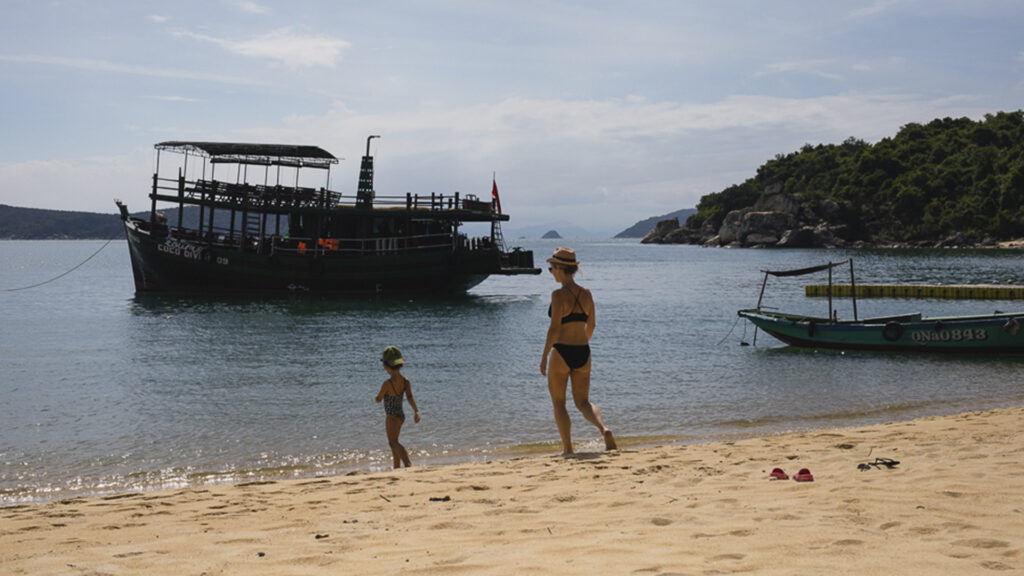
Offshore, the Cham Islands World Biosphere Reserve unfolds a pristine island world with vibrant coral reefs, crystal-clear beaches and peaceful fishing villages. Here, visitors can join activities such as coral diving, kayaking, exploring the island’s primary forest, or experiencing local life through seaside homestays.
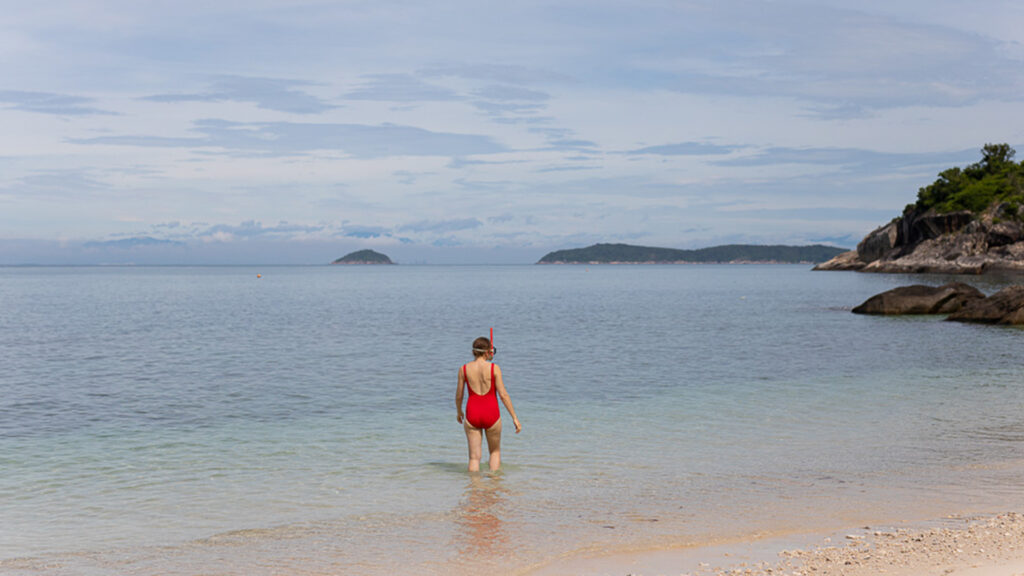
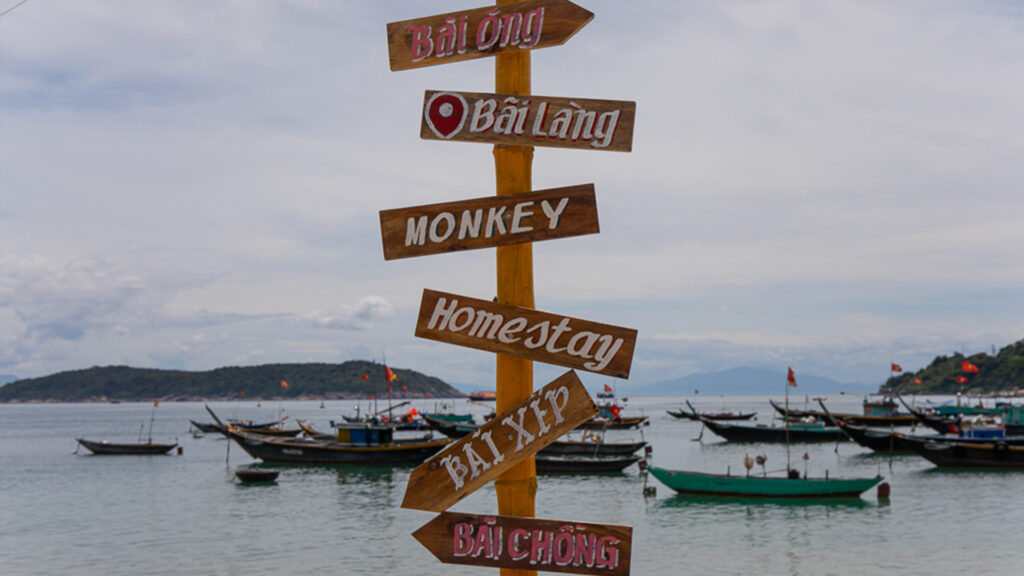
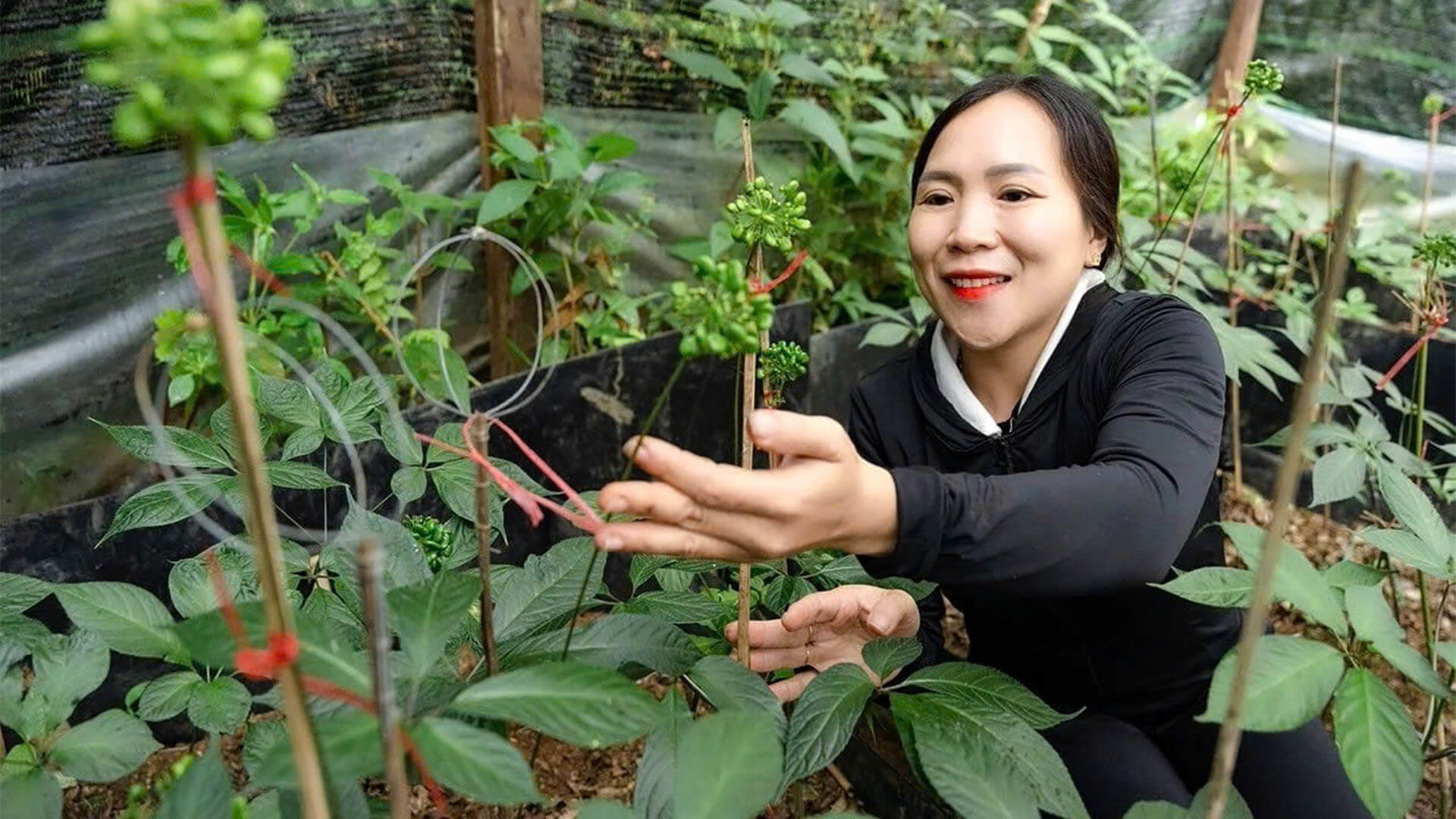
If Cham Islands represent the meeting of nature and the sea, the western mountains reveal the depth of the great forest. The Ngoc Linh Ginseng Garden – Tak Ngo lies within a primary forest ecosystem associated with rare medicinal plants. Trekking routes here take visitors through dense forests where indigenous knowledge of herbs and mountain life has been preserved for generations.
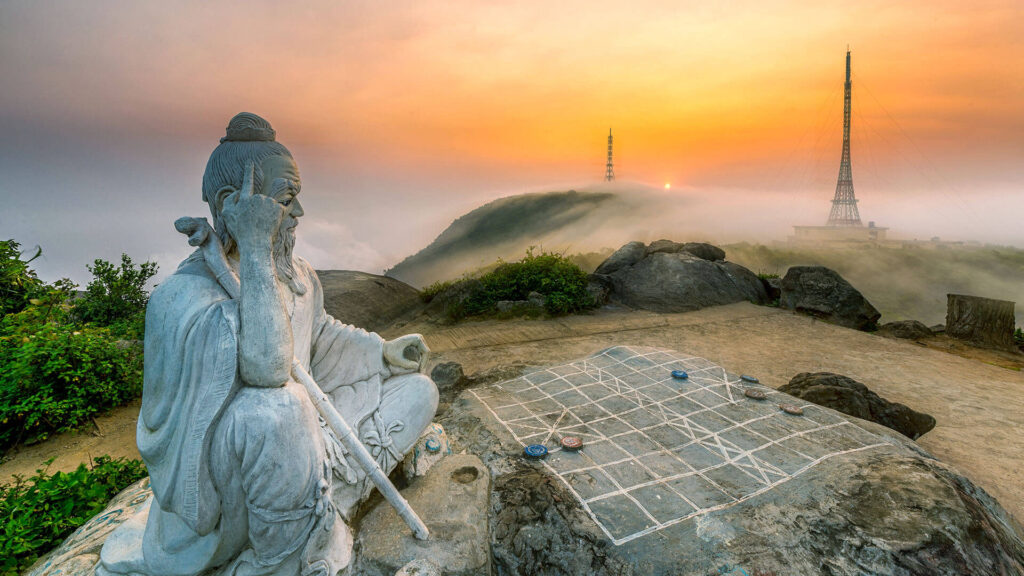
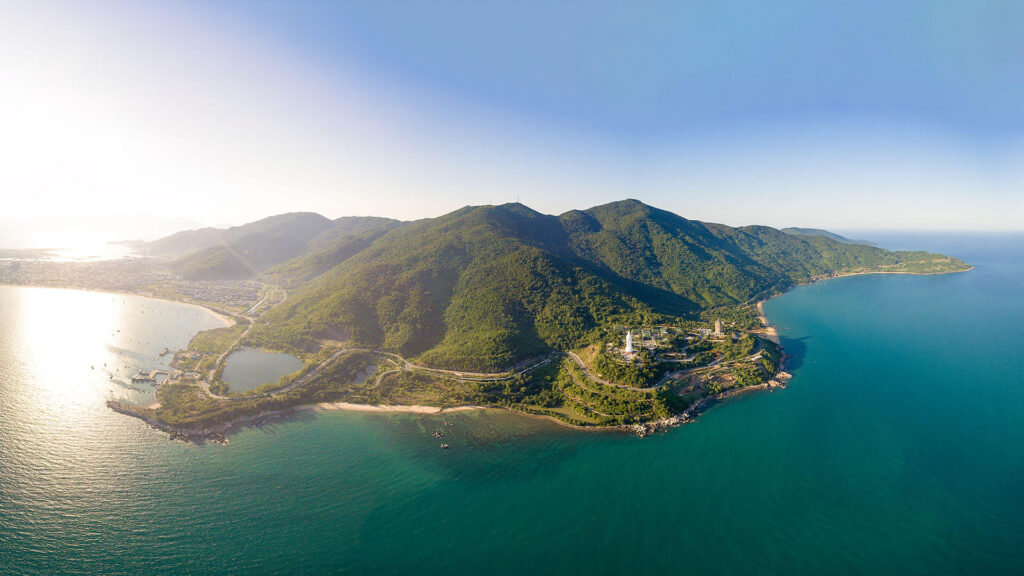
Even within the city itself, the Son Tra Peninsula still retains the remarkable beauty of a rare coastal forest. Winding roads through lush greenery, high viewpoints overlooking the ocean, and nature exploration programmes such as the Son Tra Green Tour offer entirely different perspectives of Da Nang. At Son Tra Marina, travellers can pause for coffee while gazing out toward the sea, feeling the unique harmony between forest and ocean.
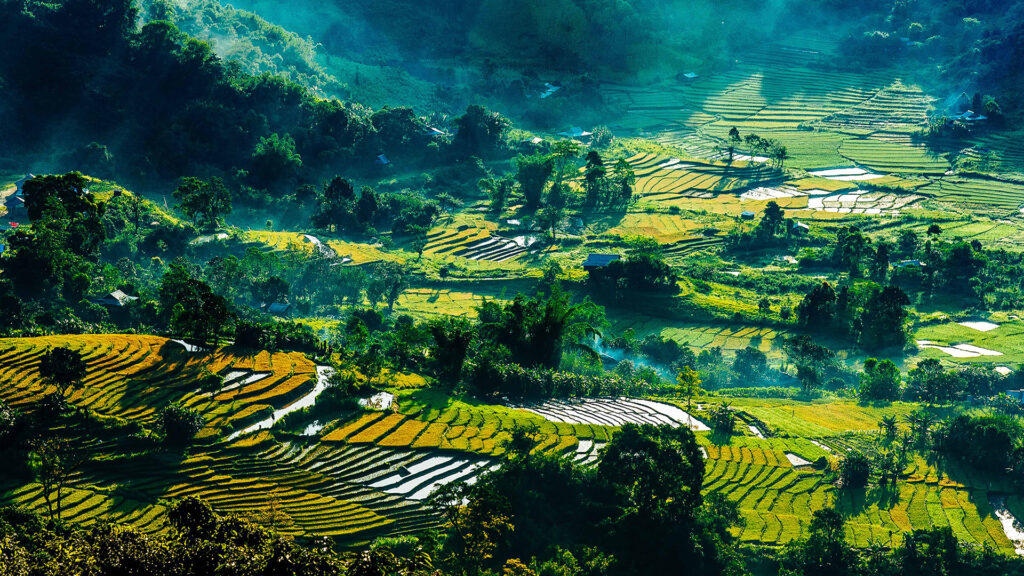
Further into the mountains, Que Peak opens up compelling trekking adventures with forest trails, expansive mountain views and homestays nestled among the hills—places where nature becomes part of every step of the journey.
Trekking – When every step becomes a discovery
For nature lovers, trekking is one of the clearest ways to touch the untouched beauty of the natural world.
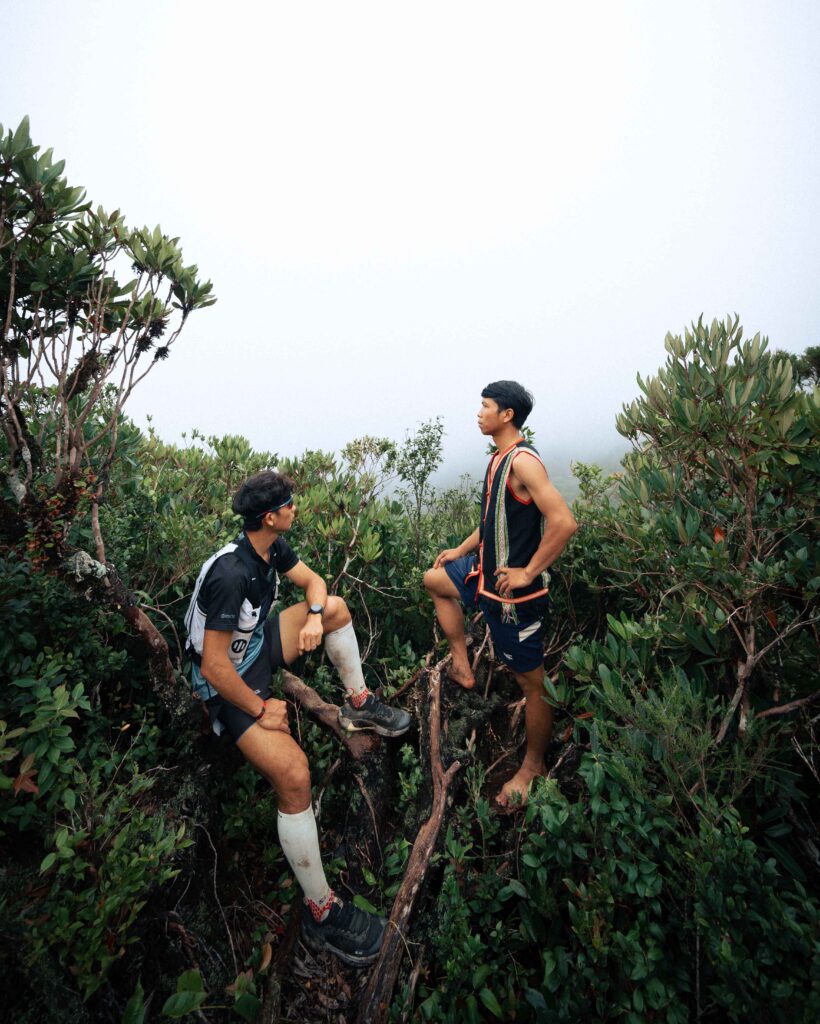
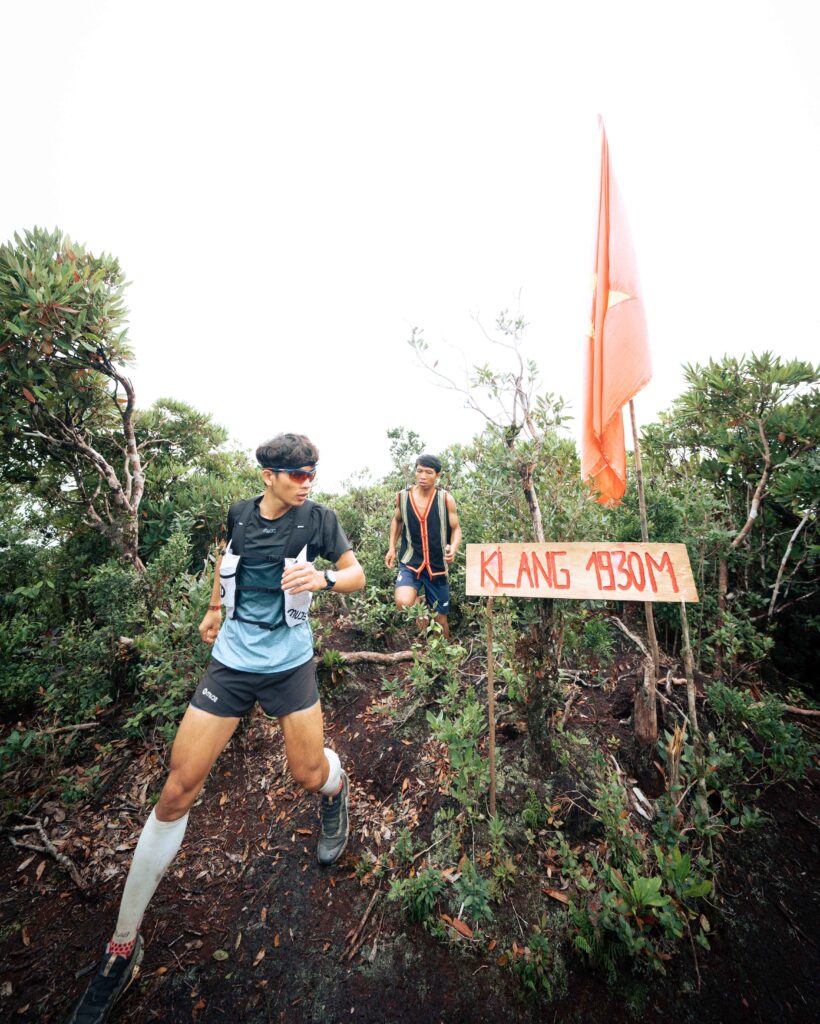
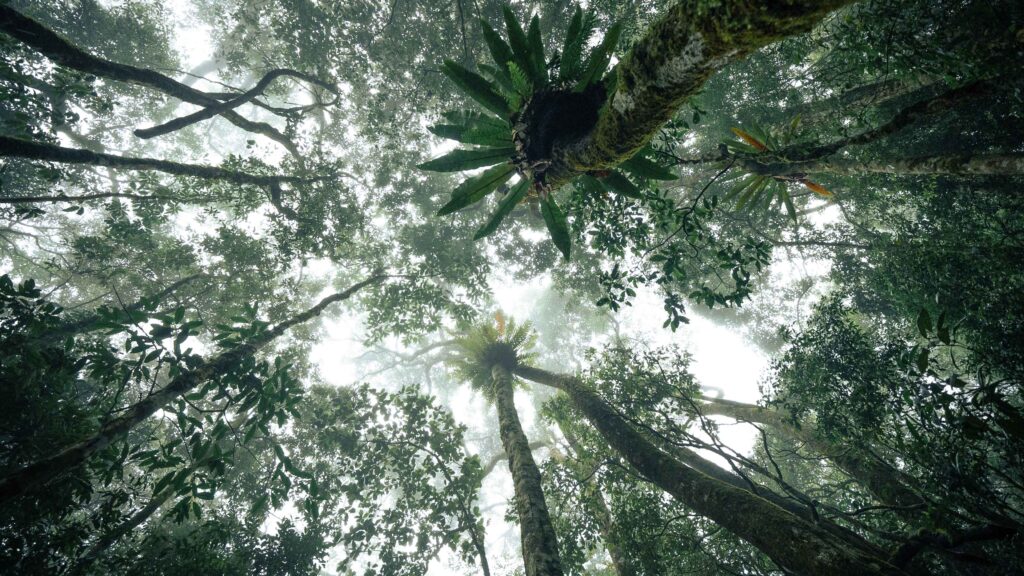
The trekking journey through the moss forest and Klang Peak leads travellers into another realm of the Truong Son forests. At elevations of around 1900 metres and above, ancient trees covered in thick green moss create a magical landscape reminiscent of a fairy-tale forest. In spring, when rhododendrons bloom, the forest becomes a tapestry of vibrant colours.
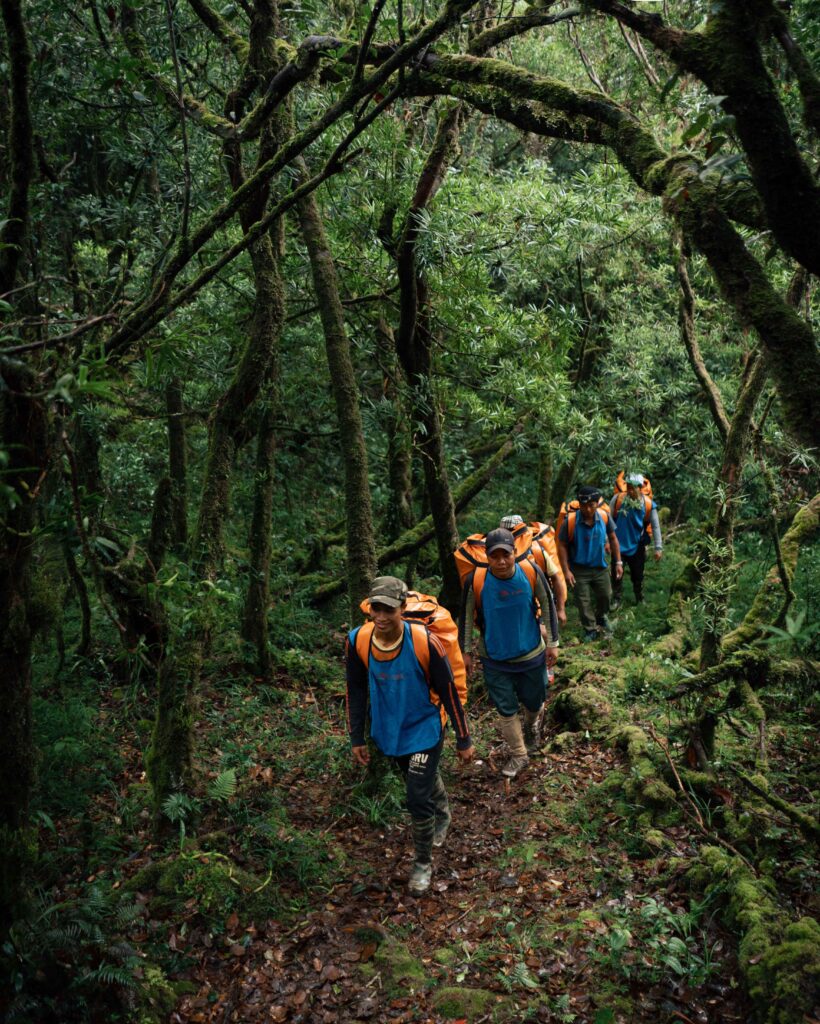
Another journey leads to Aur Village, a small settlement deep within the Truong Son mountains. Reaching the village requires hours of walking through forest trails, but the reward is the chance to experience the peaceful life of the Co Tu community—sleeping in the traditional Guol communal house, tasting local dishes and listening to stories about the great forest.
Meanwhile, the trekking route through ancient ironwood forests offers a different sense of adventure. The path follows the Lang Stream, passing through centuries-old ironwood trees with towering trunks and dense forest canopies. On journeys like these, travellers do not simply pass through nature—they step into a world where the breathing rhythm of forest, earth and water becomes more vivid than ever.
Villages where nature and people share the same rhythm
Touching the untouched is not only a story of deep forests or high mountains. It is also the story of villages—places where people live with nature, grow with the land, and preserve ways of life that have endured through generations.
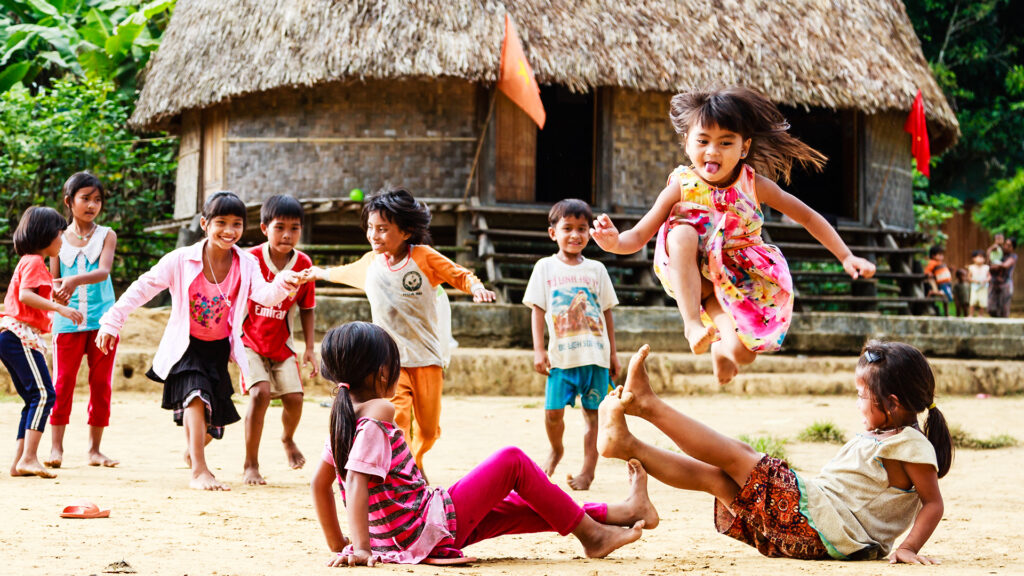
In these spaces, nature is not merely scenery to admire. It is part of daily life—from gardens and rivers to fields and meals prepared in the kitchens of local families. Through such simple moments, travellers can truly feel the original rhythm of the land.
At Tra Que Vegetable Village, lush green fields stretch like a giant garden within nature. Visitors can start the morning by joining farmers in loosening the soil, watering vegetables with traditional shoulder yokes, and harvesting bundles of herbs still fresh with morning dew. When stepping into the fields and touching the earth, travel becomes more intimate—an experience closely tied to rural life.
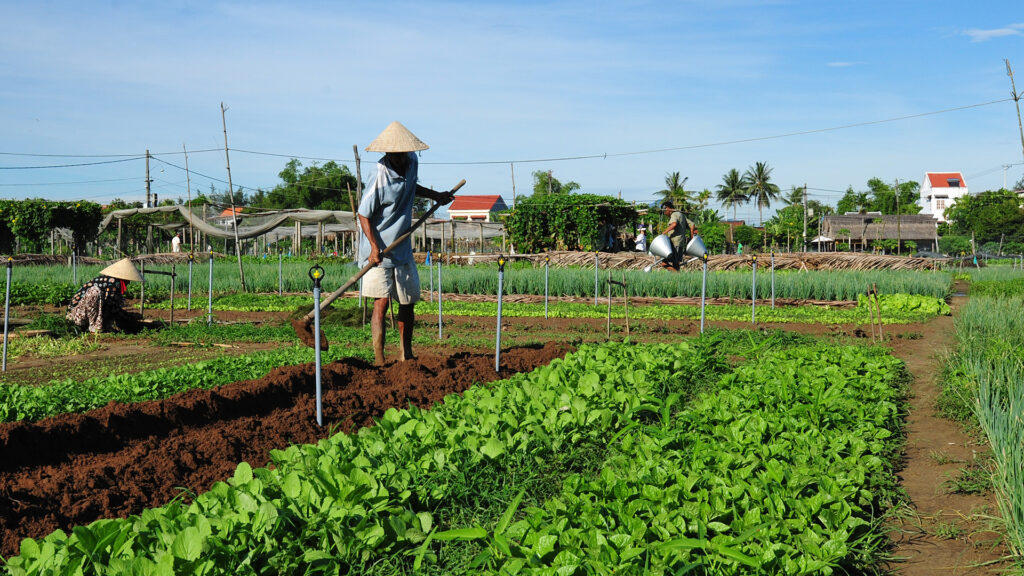
Nearby, Thanh Dong Vegetable Village offers another perspective on organic agriculture and community life. Small organic gardens, countryside cooking classes and basket-boat journeys along narrow canals create a rare sense of tranquillity. Every experience unfolds slowly—from picking vegetables in the garden to preparing meals by hand—allowing travellers to feel the connection between people, land and nature.
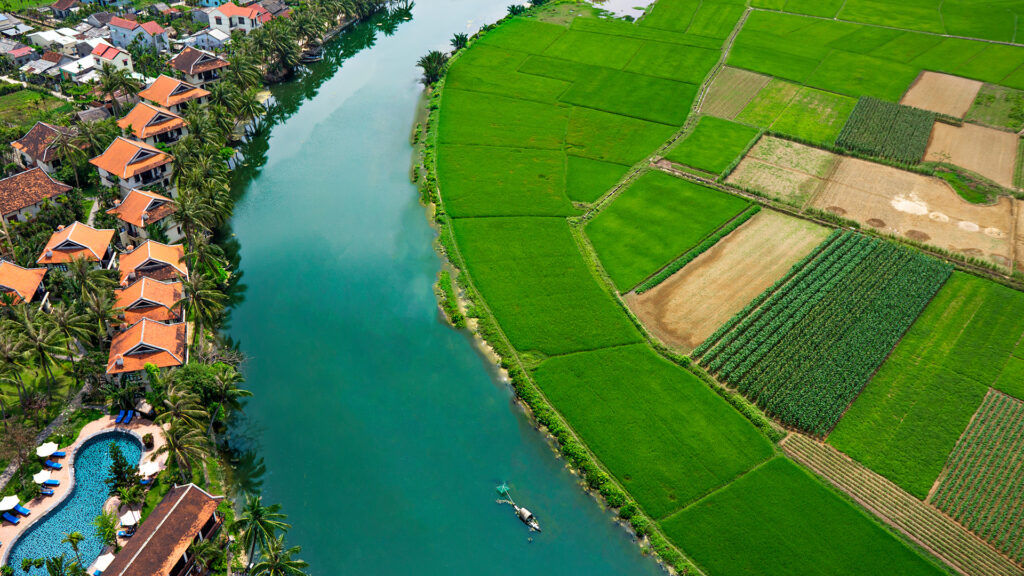
Along the Thu Bon River, villages such as Triem Tay and Cam Phu tell stories of sustainable community tourism. Tree-lined village paths, flower gardens and traditional houses form peaceful living spaces. Here, visitors can cook with local families, share conversations, or simply sit by the veranda watching the river flow gently by.
In the midland region, Loc Yen Ancient Village offers a unique glimpse into the past. Old wooden houses, moss-covered stone walls and shaded gardens create a space rich in tradition. Walking along stone-paved paths, visitors can sense the beauty of a village that has preserved its structure and lifestyle through generations.
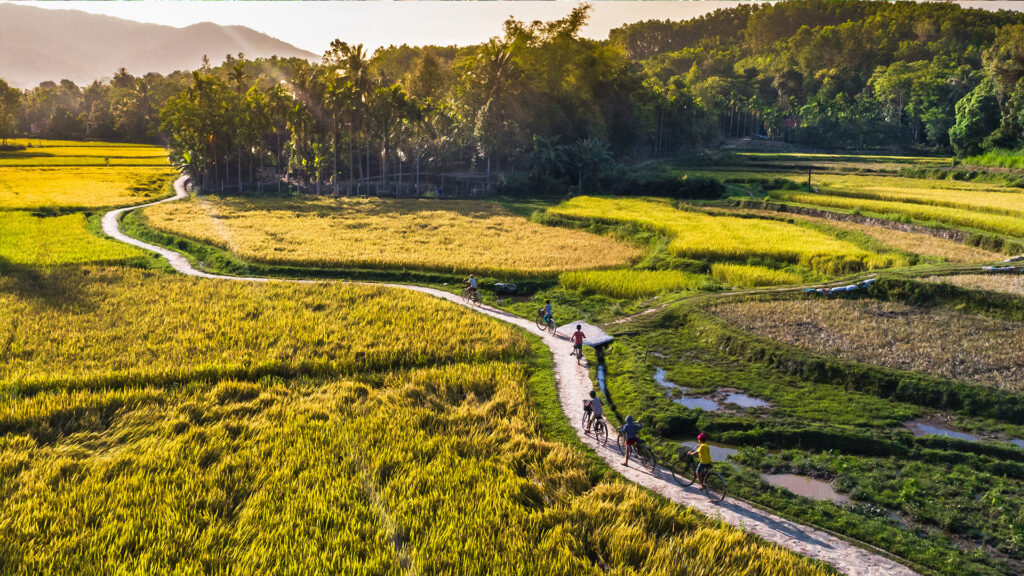
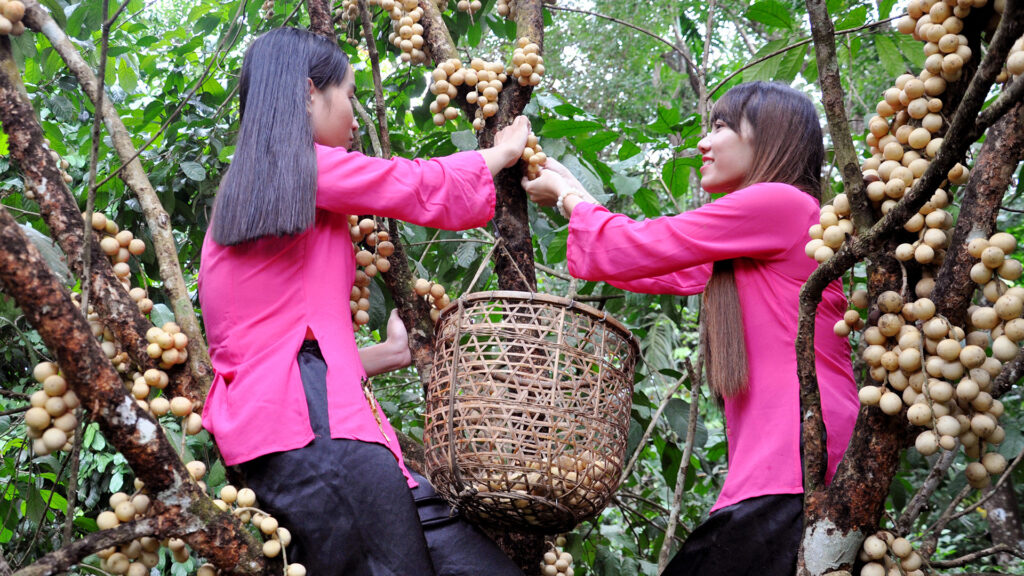

Other villages such as Tra Nhieu, Dai Binh, Huong Tra and Cua Khe reveal different aspects of rural life along rivers and midland landscapes. Traditional crafts, fruit gardens and community festivals linked to rivers and the sea appear in each place. Every village tells its own story, yet all share a deep connection with nature.
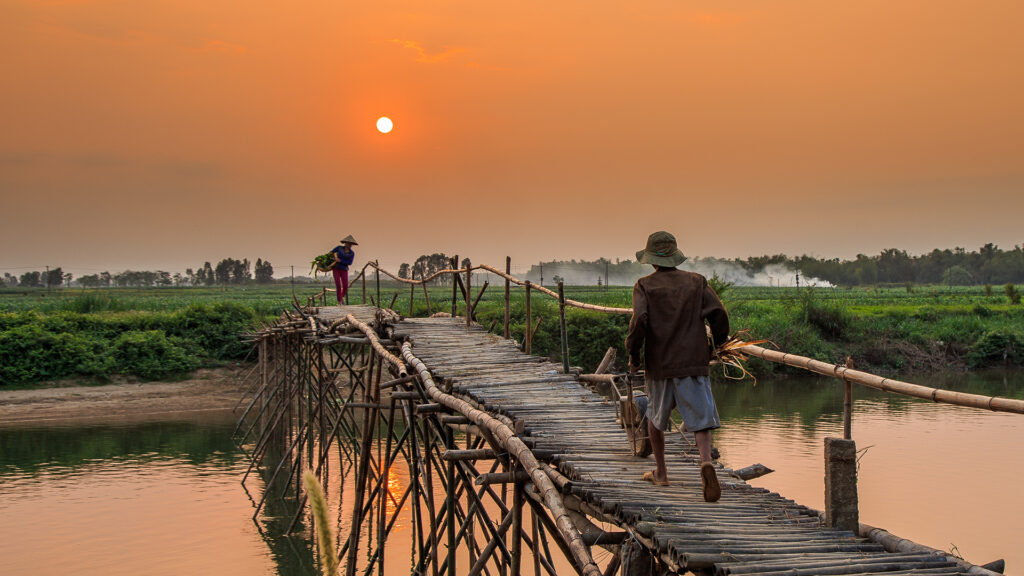
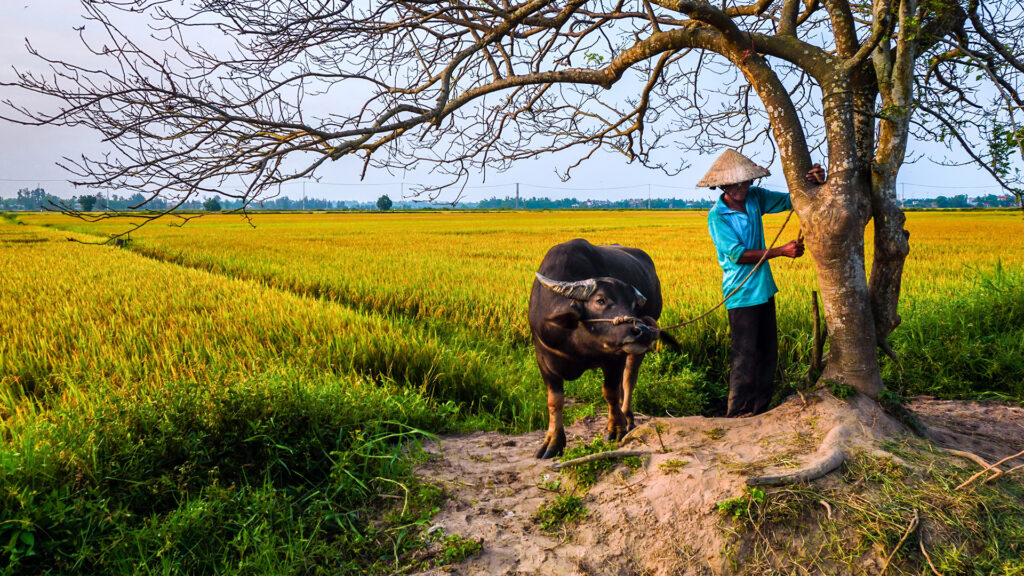
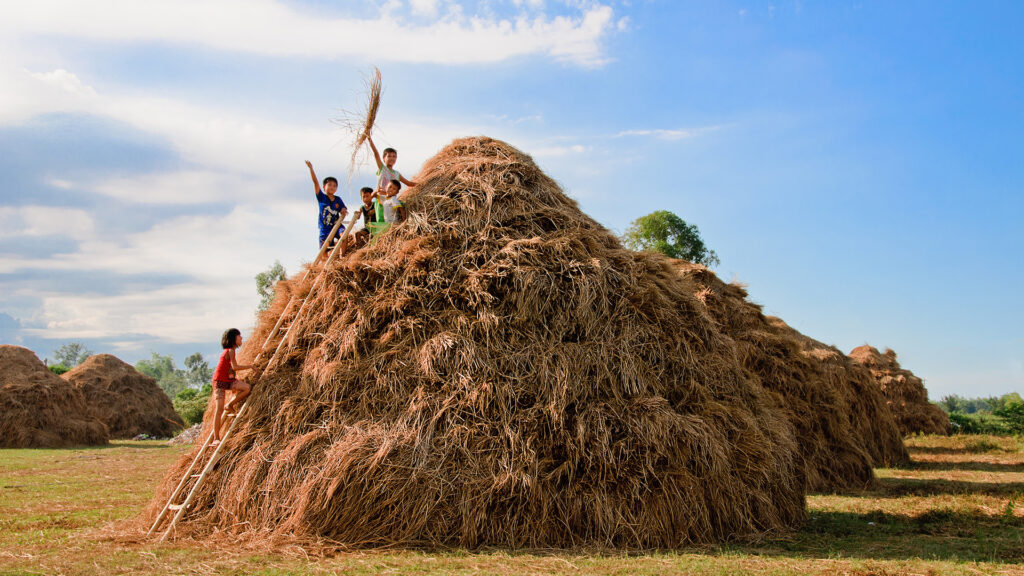
Through these journeys, travellers realise that nature is not just the backdrop of a trip—it is the living space, memory and cultural foundation of local communities. And when stepping into these villages, visitors are no longer merely observers but participants, connectors and storytellers.
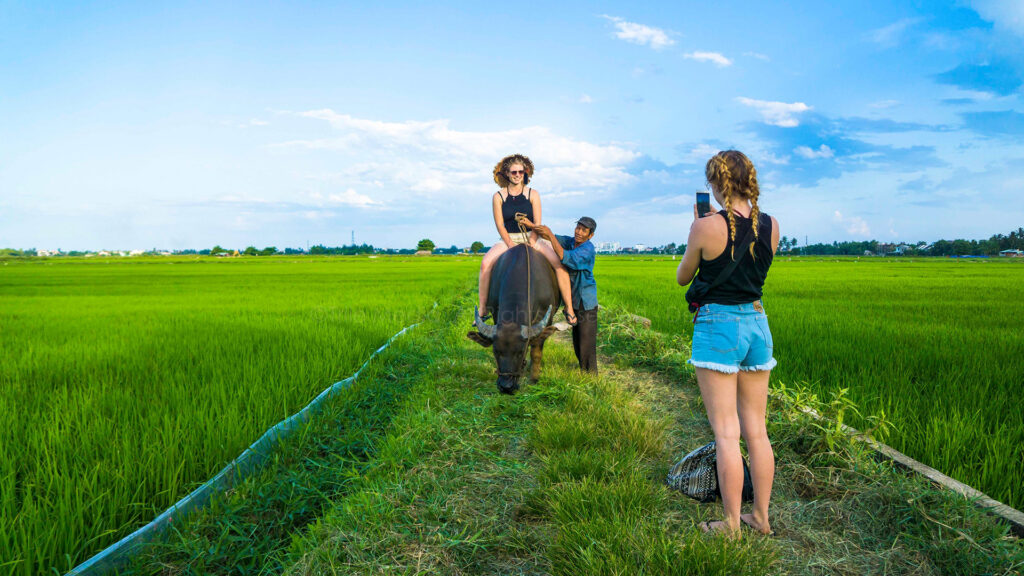
Eco-destinations where streams and forests meet
Within the journey of Touch the Untouched, nature is present not only in distant mountains or deep forests but also in eco-tourism destinations where streams and forests create vibrant spaces for exploration.
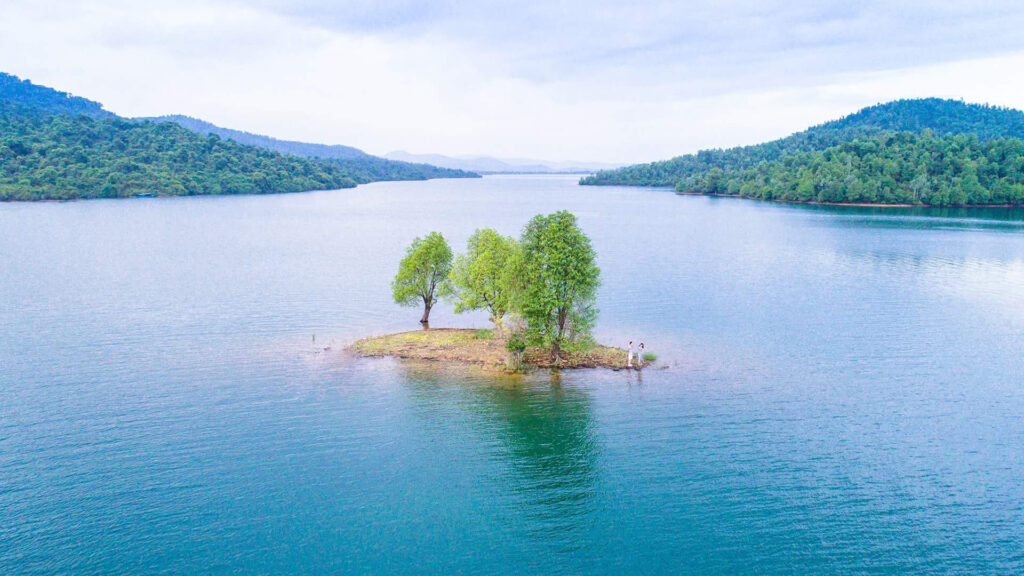
Places such as Lang Muong Ecological Area, Phu Ninh Lake, Dong Giang Heaven Gate Ecotourism Area, and Than Tai Hot Springs Park offer different ways to discover nature. Some reveal trekking routes along mountain slopes, others lead to waterfalls hidden in ancient forests, while some provide relaxing hot mineral springs amidst lush green landscapes. Each destination becomes a way for people to reconnect with nature—through both exploration and restoration.
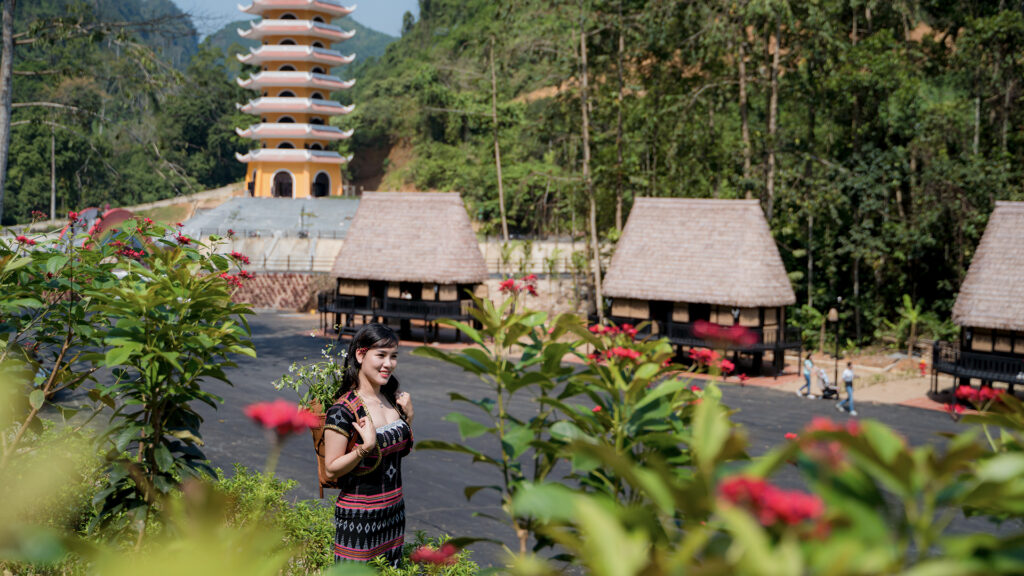
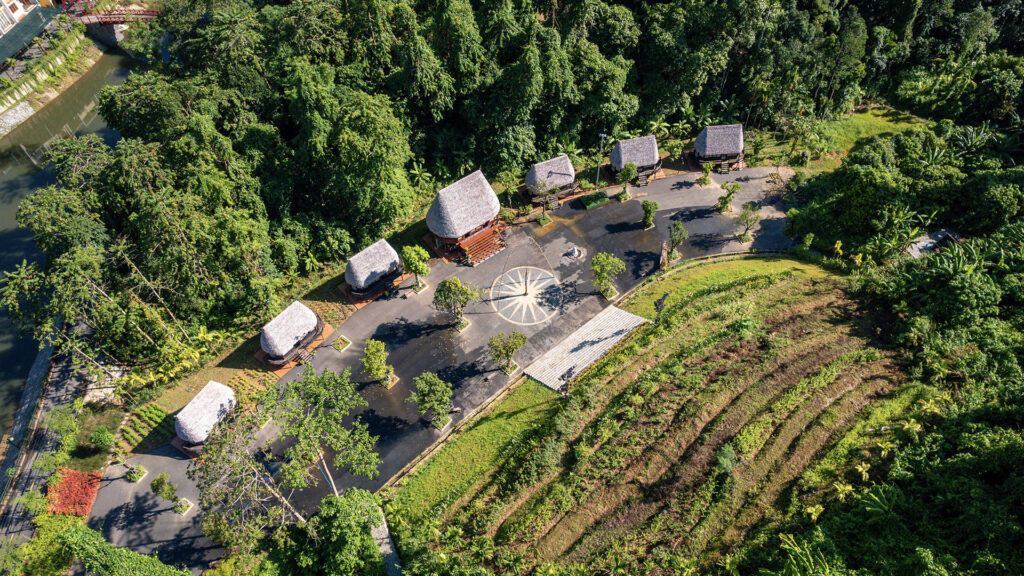

In Da Nang, nature also unfolds through eco-spaces such as Toom Sara Village, Hoa Phu Thanh Tourist Area, and Suoi Luong – Hai Van Park. Clear streams flow through forest canopies, grassy riverbanks open wide beside flowing water, and spacious natural settings create ideal conditions for camping, forest trekking and outdoor activities.
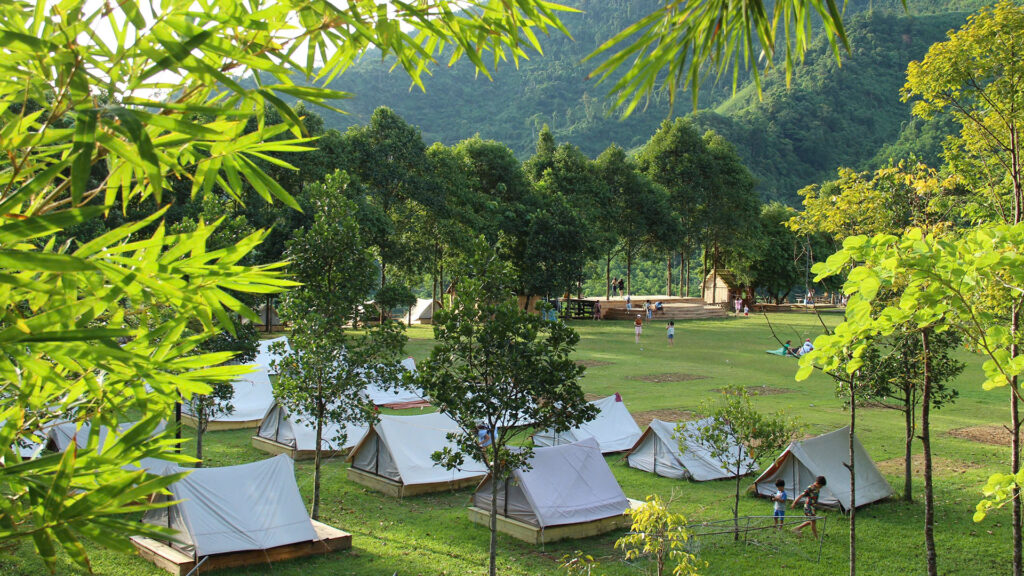
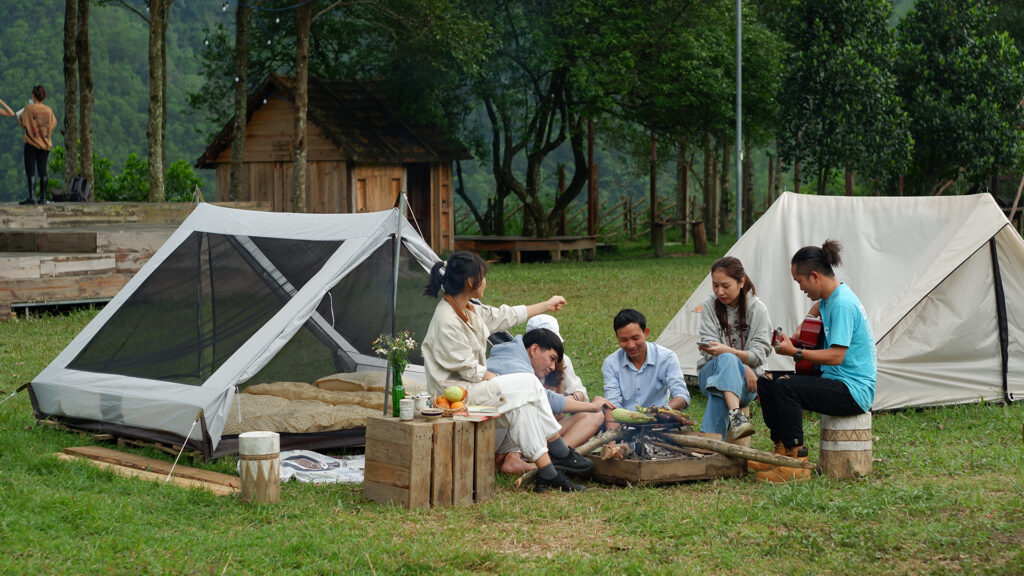
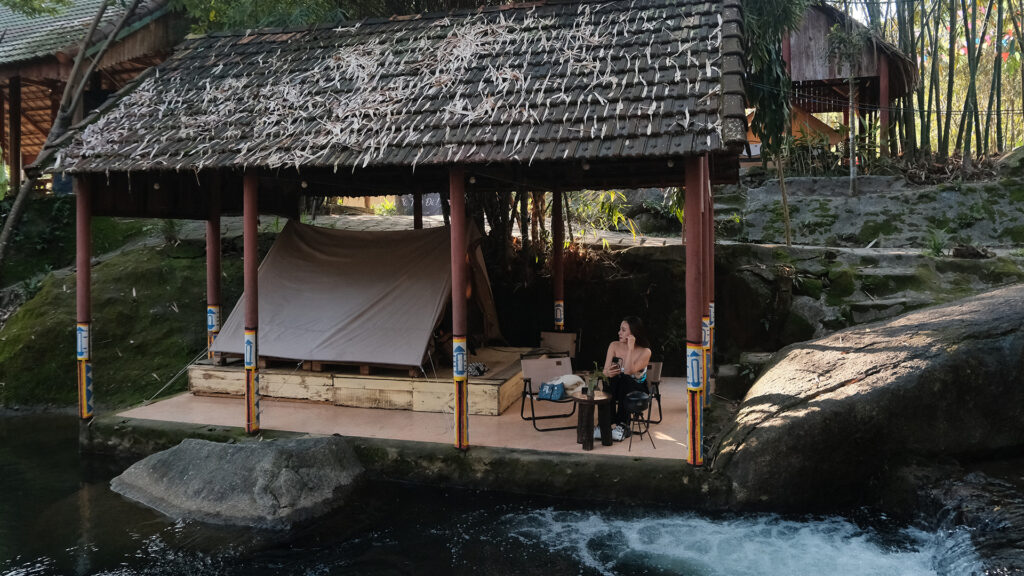
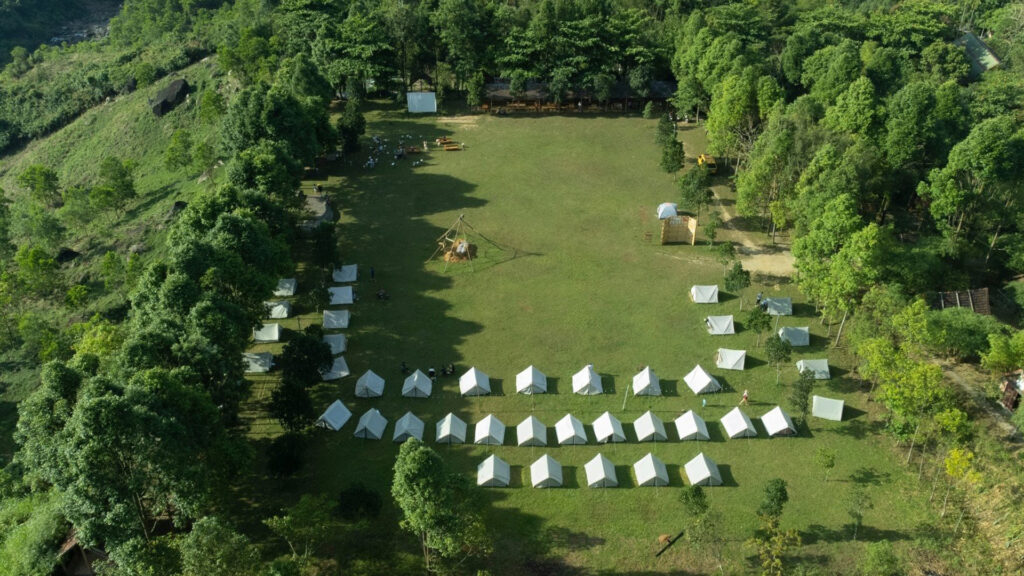
In such places, nature is no longer distant scenery—it becomes a living environment. Visitors can step into cool streams, touch clear water, and feel the refreshing vitality of the land.
Camping and farmstay – Living close to nature
Within the Touch the Untouched journey, travellers do not always need to venture deep into remote forests or climb high mountains to feel nature. Sometimes, simply spending a day among fields, rivers or gardens is enough to sense the gentle rhythm of the earth.
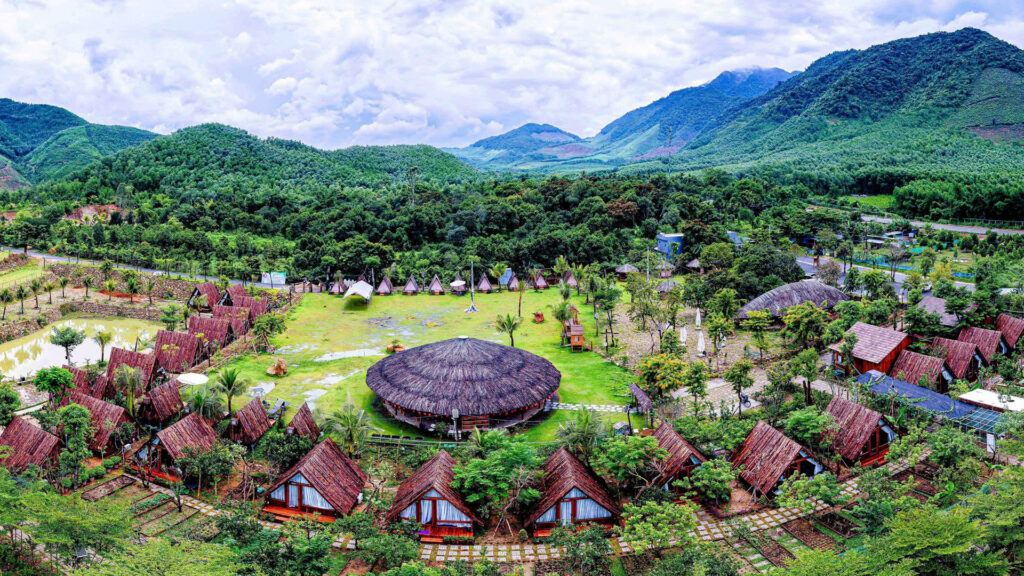
In recent years, camping and farmstay experiences have become increasingly popular among young travellers seeking closer connections with nature and slower lifestyles. Destinations such as Yen Retreat, Leaf Village & Farm, Lua Café House, Huong Buoi Farmstay, ALang Nhu Homestay, Lang Me, Bana Rita Farm, and Nam Yen Valley Vineyard offer green retreat spaces where nature appears in every corner of the journey.
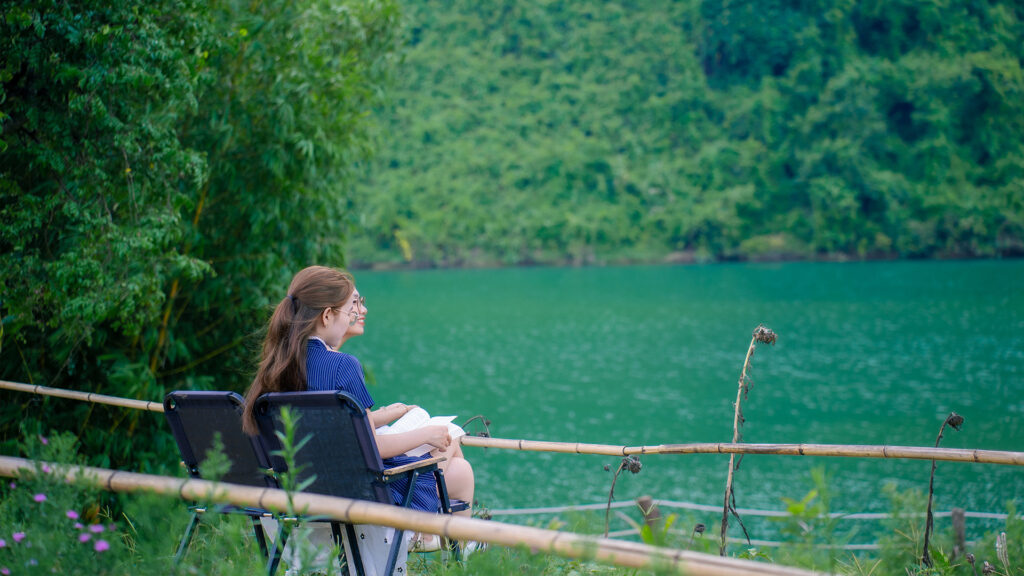
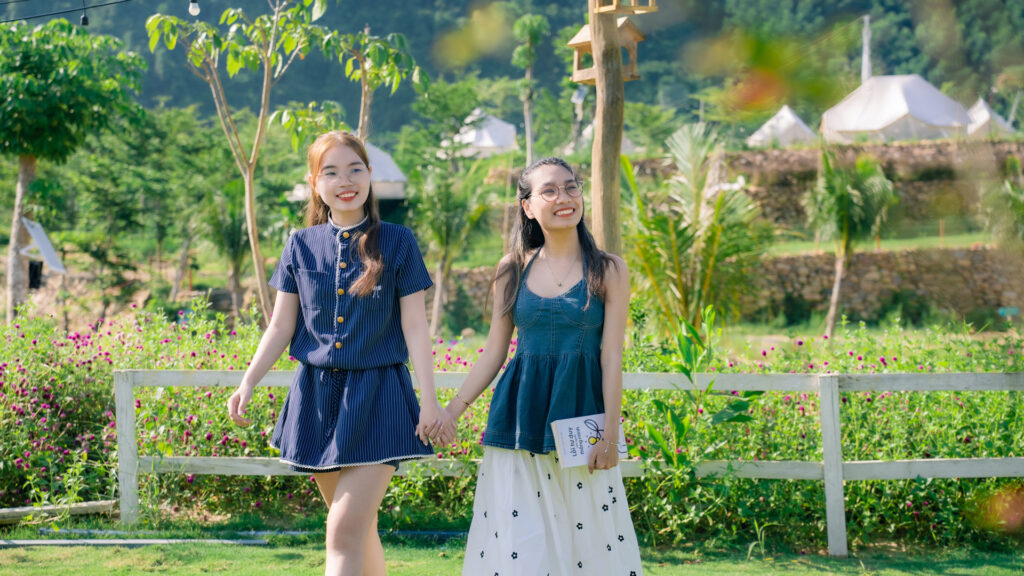
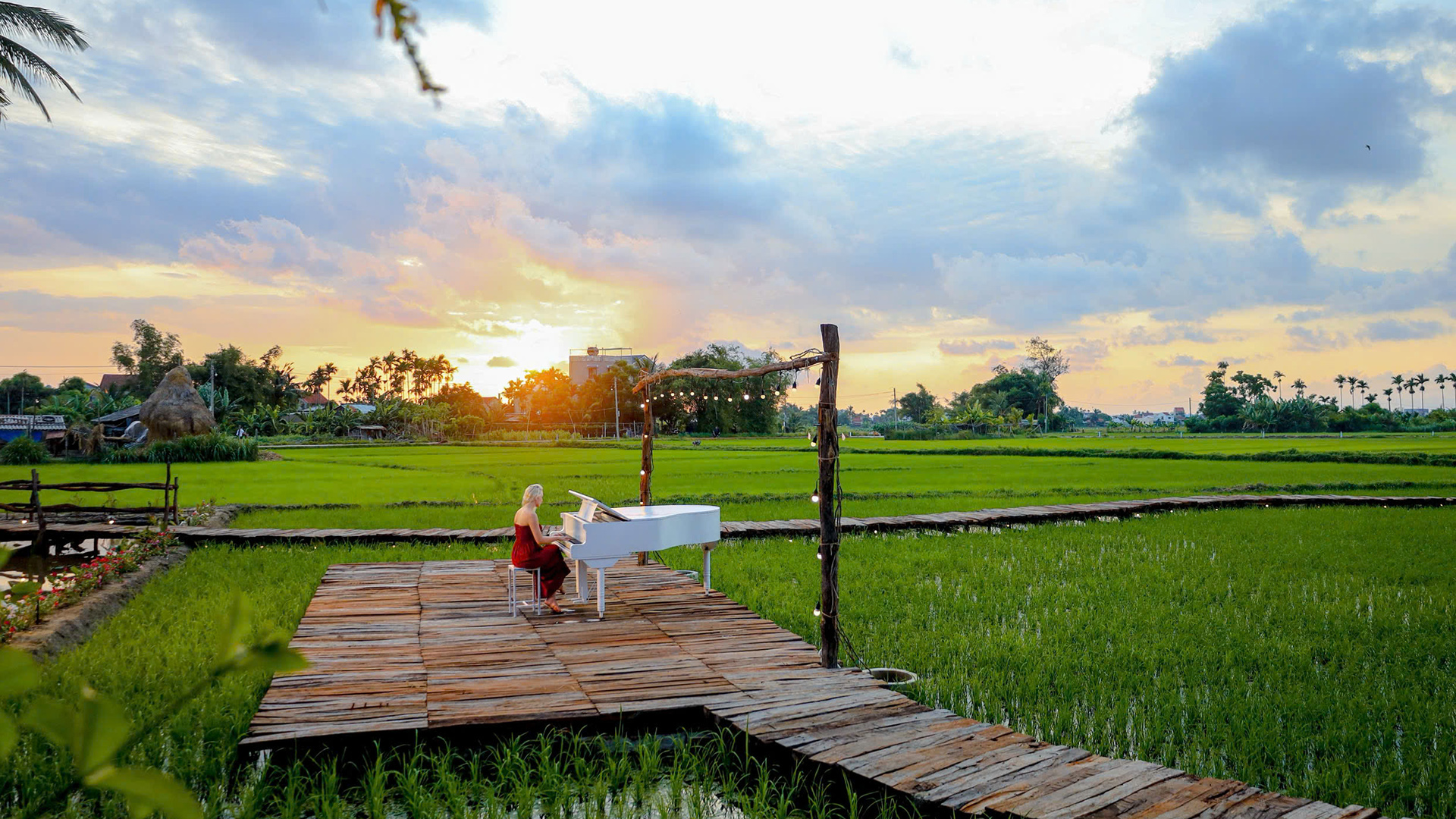
An afternoon might begin with pitching a tent beside a river as the final sunlight glides across the water. Picnics in open fields, simple meals made from local ingredients, or quiet moments by the fire under a star-filled sky create a rhythm of life that feels both gentle and authentic.
In these moments, travellers begin to understand the meaning of Touch the Untouched. Nature is no longer a backdrop to the journey—it becomes the living space where people pause, listen to the wind and water, and reconnect with the rhythm of the earth.
Touching the breath of the earth
In the modern world, where everything seems to move faster each day, nature experiences have become something many people long for. Not to escape daily life, but to rediscover balance and reconnect with the simple harmony of the earth.
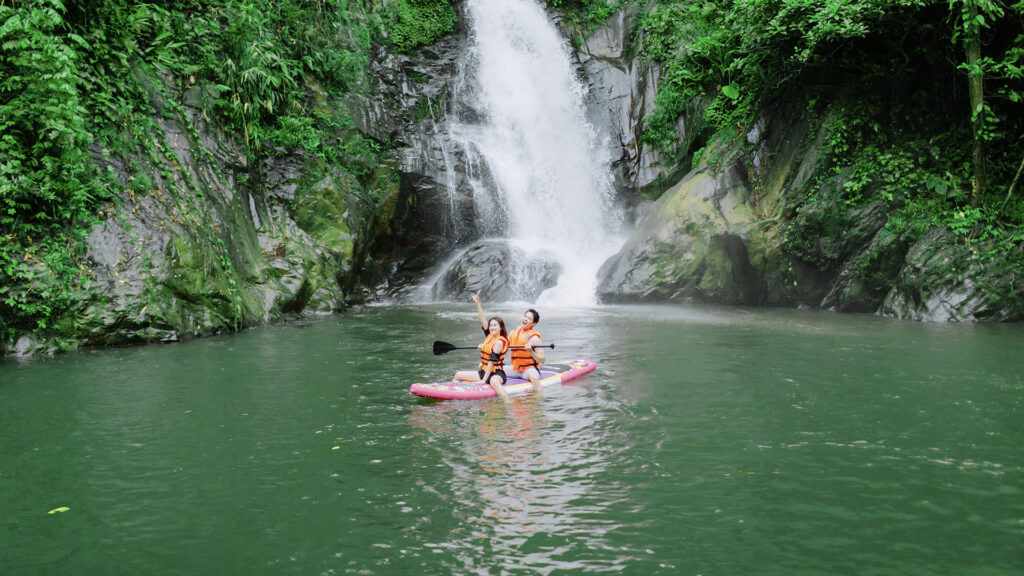
Touch the Untouched is therefore not a journey of conquering nature. It is a journey of reconnecting with nature in the most gentle and authentic way. It may be a quiet walk along a forest path shaded by ancient trees, feeling the scent of wet soil after rain and listening to the wind passing through leaves. It may be an afternoon beside a cool stream where sunlight filters through rocks and the sound of water forms the natural music of the mountains. Or it may be a night of camping under a vast sky filled with stars, where silence becomes so deep that every breath feels clearer.
In those seemingly small moments, travellers do not simply observe nature—they truly touch the breathing rhythm of the earth, sensing the movement of wind, water, forest and themselves within that vast landscape.
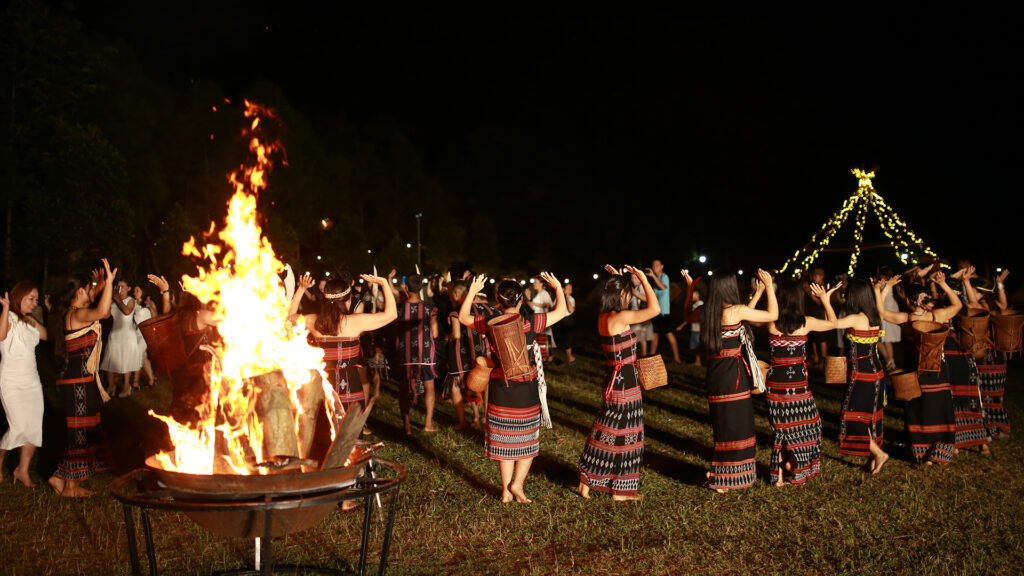
And when the journey ends, what remains is not only photographs or destinations visited. It is the authentic emotion of nature—the memory of days spent slowly among mountains, rivers and villages. A land where nature, people and experiences blend seamlessly, creating a rhythm uniquely its own—the rhythm of Da Nang, where every journey becomes an invitation to reconnect with the original values of the land and its people.
DANANG TOURISM PROMOTION CENTER