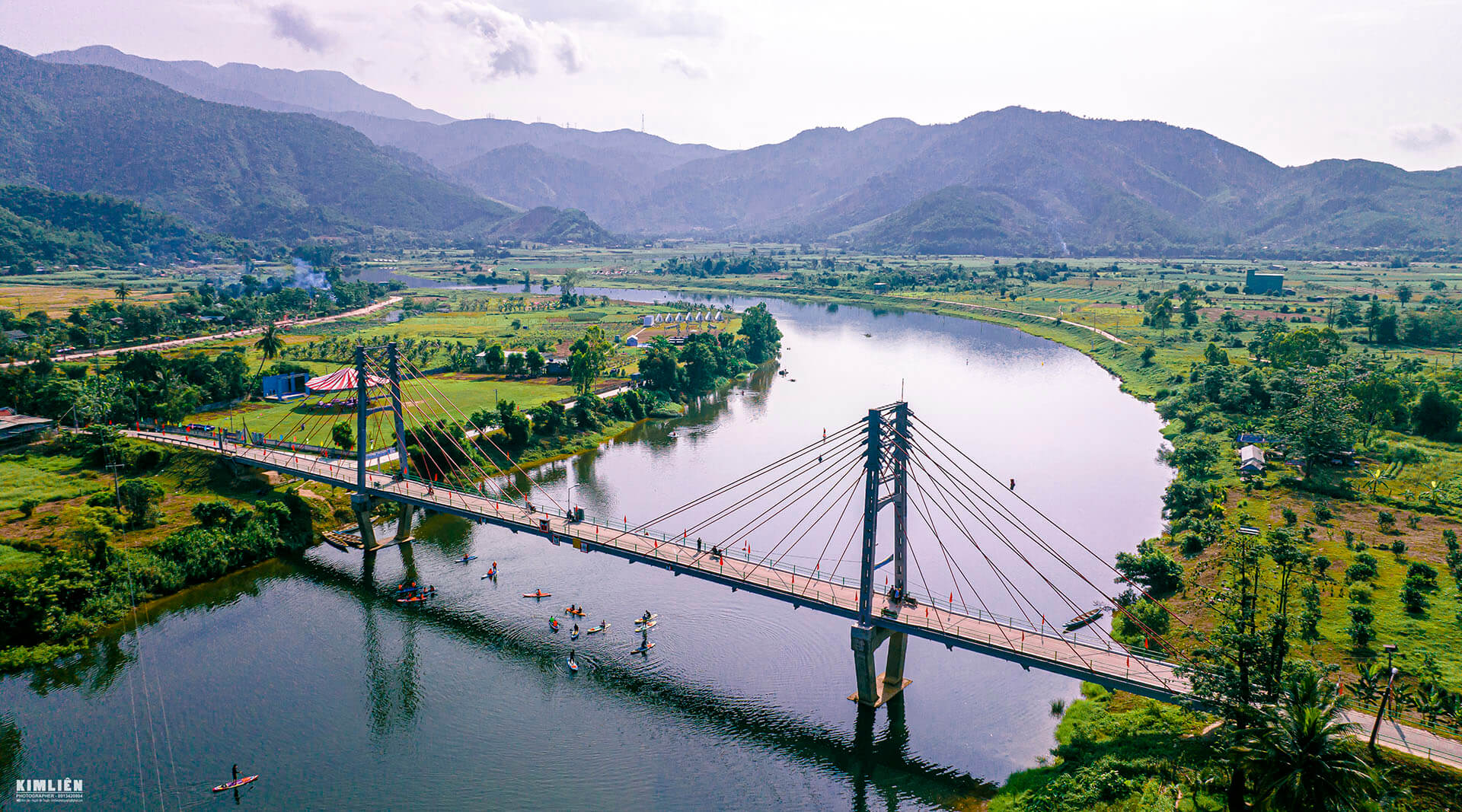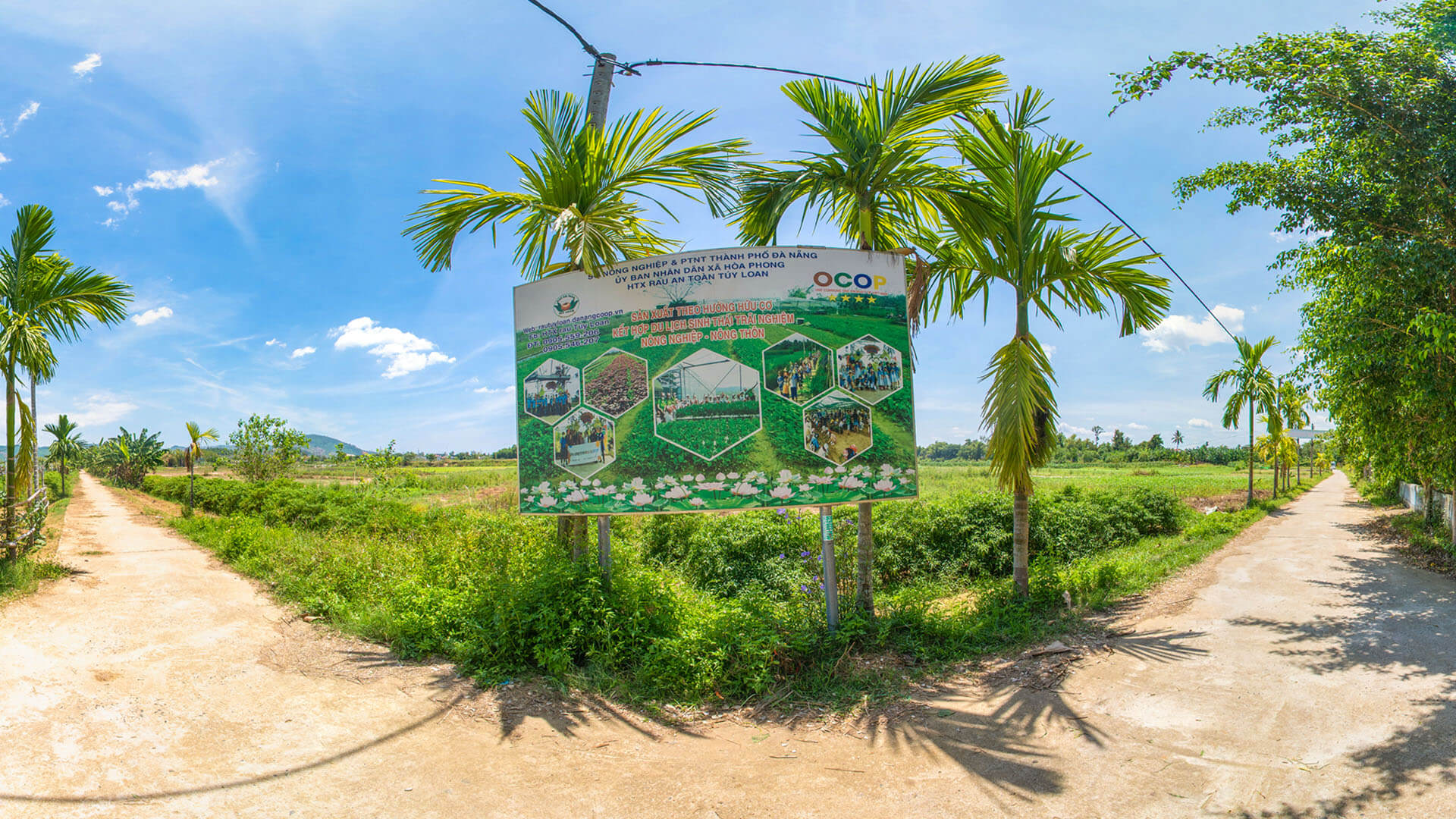
















Amid the vast forests to the west of Da Nang, where headwater streams weave through rocky slopes and green forest canopies, there is a place so tranquil that one can clearly hear the wind, the flowing water, and even one’s own breath. Here live the gentle Cơ Tu people, with meals infused with the flavours of the mountains, and dances accompanied by the rhythmic sounds of gongs and drums preserved through generations.
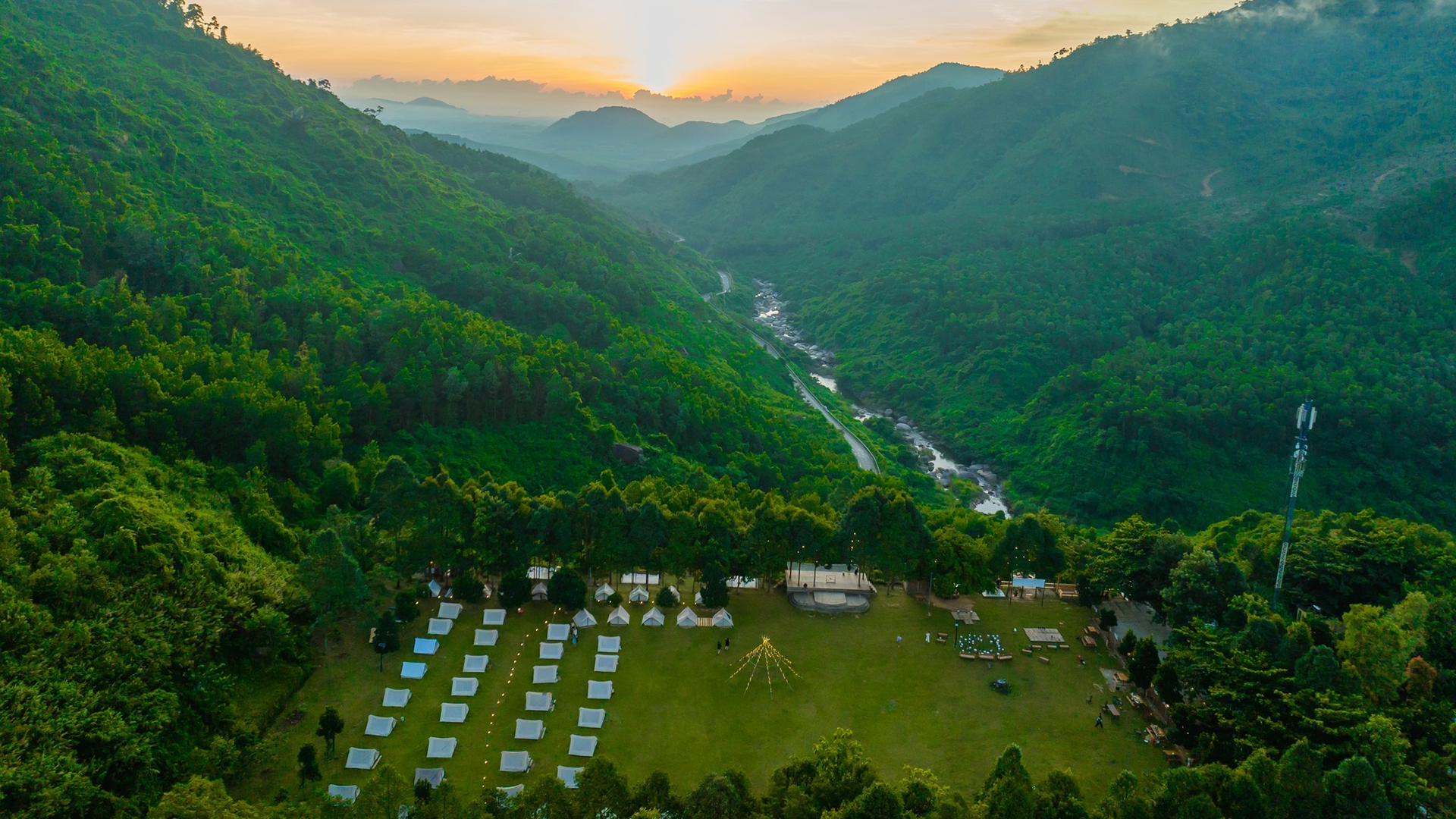
Toom Sara Village appears as a meeting point between nature, culture, and local life – a place where every value is nurtured within the same unhurried rhythm of living.
Where is Toom Sara Village?
Nestled at the foot of the Bà Nà – Núi Chúa mountain range, about an hour’s drive from the centre of Da Nang, Toom Sara Village lies among forested hills and cool mountain streams in the western part of the city.
Address: National Highway 14G – Phú Túc Hamlet – Hòa Vang Commune – Da Nang City

In the Cơ Tu language, “Toom” means stream, while “Sara” refers to a type of wild forest flower. The name reflects the village’s choice to grow alongside nature while preserving indigenous culture as its roots.
An ASEAN Community-Based Tourism Destination
The village evolved from Suối Hoa Eco-Tourism Area, a familiar destination since 2007. In 2019, it was restructured following a sustainable community-based tourism model, with a focus on ecosystem conservation and the preservation of indigenous culture.
In 2025, Toom Sara met the criteria of the ASEAN Community-Based Tourism Standard. This recognition reflects transparent management, environmental responsibility, cultural preservation, and fair benefit-sharing within the community. Being acknowledged within this regional framework affirms the long-term direction the village has chosen.
Throughout its development, the village has prioritised harmony with nature and the preservation of the existing landscape. Local materials such as driftwood, bamboo, stone, and other natural resources are widely used to minimise environmental impact.
More than half of the staff are local Cơ Tu people. Many once lived closely with forests, fields, and streams. Today they work on their homeland as operators, service staff, technicians, and performers in nightly fire ceremonies. Their working rhythm still reflects the calm pace of the mountains. The way they speak, serve, and guide visitors remains simple and sincere – without rush or embellishment, only dedication and a genuine wish to share the beauty of their homeland in the most authentic way.
Best Time of Day and Season to Visit
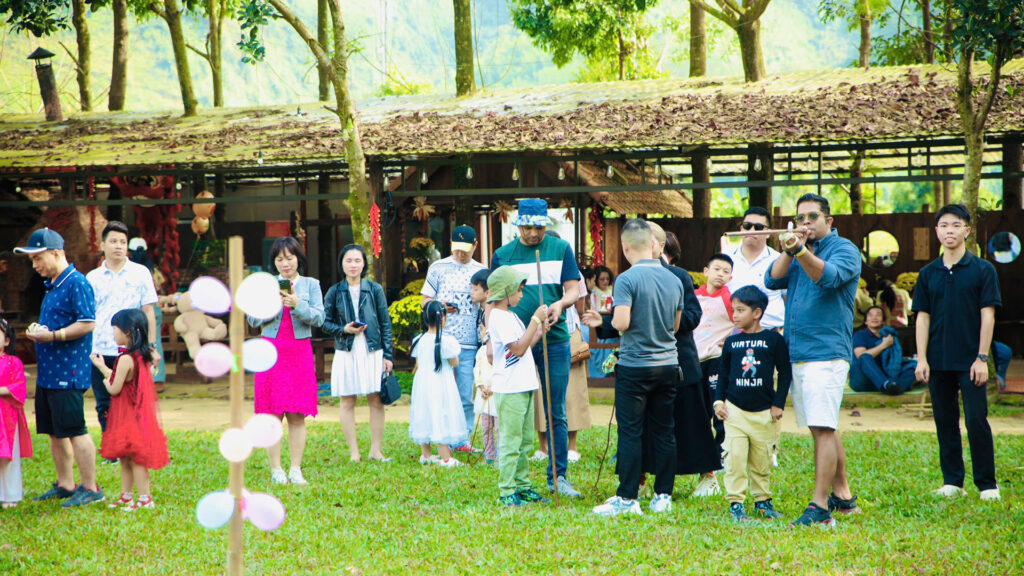
Late afternoon to evening often offers the most complete experience. As sunlight softens over the mountain slopes and the streams grow cooler, visitors can take a quiet walk, sit by the water, or join Cơ Tu families in preparing a traditional meal.
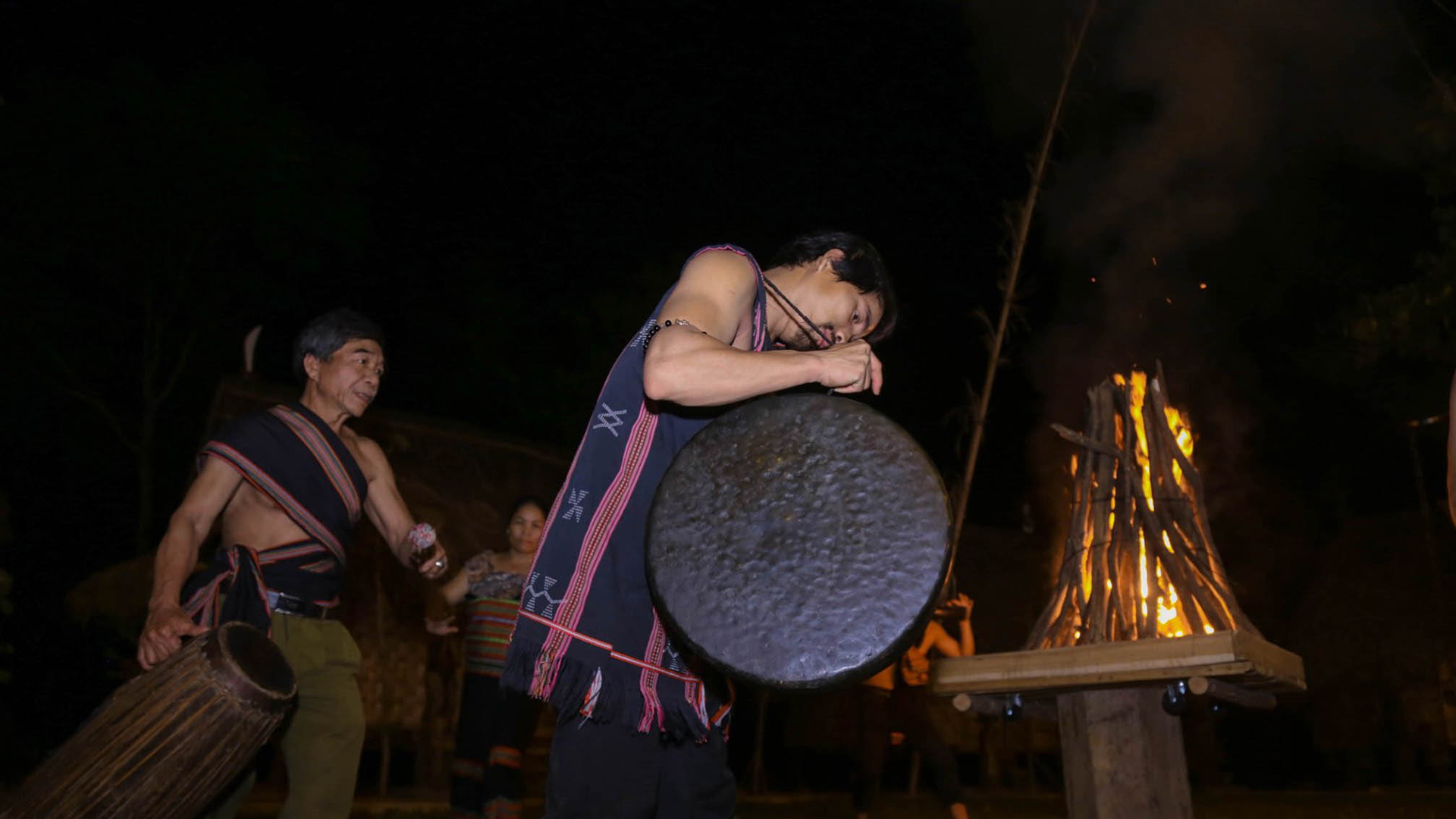
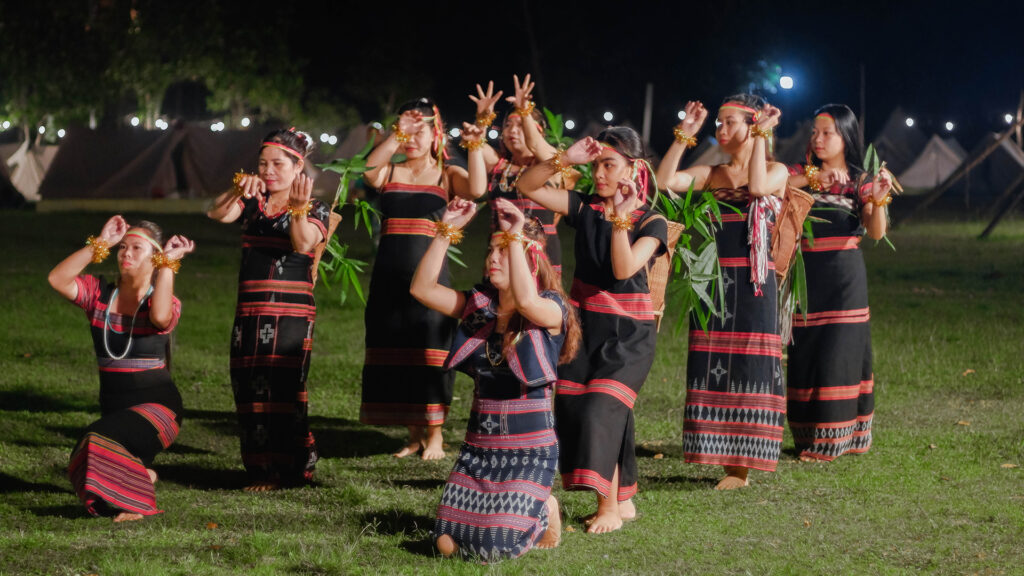
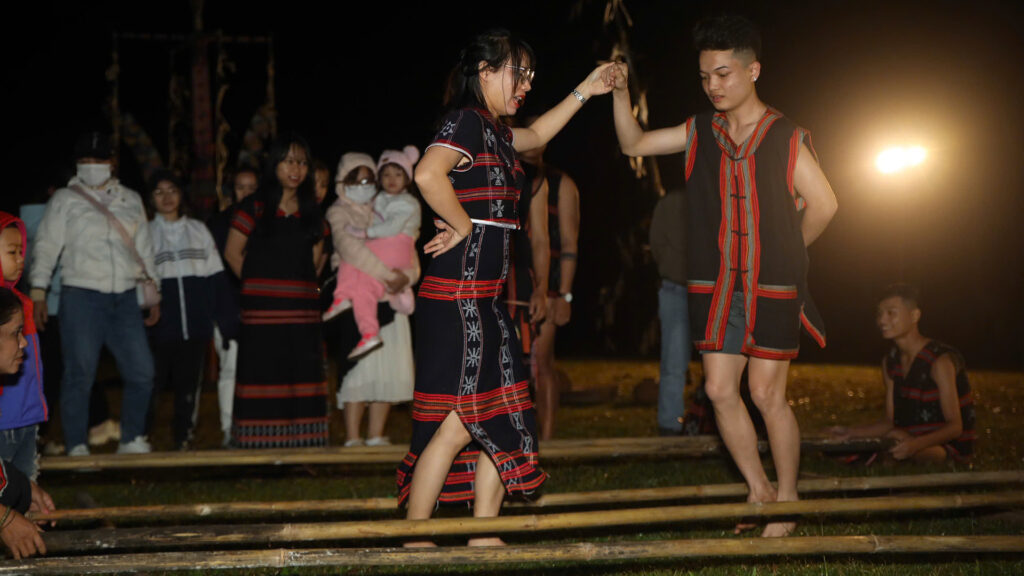
When night falls, the sounds of gongs and drums echo through the forest. The fire is lit for the Calling the Fire Ceremony (Cơ Tu Show), beginning with the powerful Tung Tung Da Dá dance, which recounts ancestral stories and the early days of hunting and gathering.
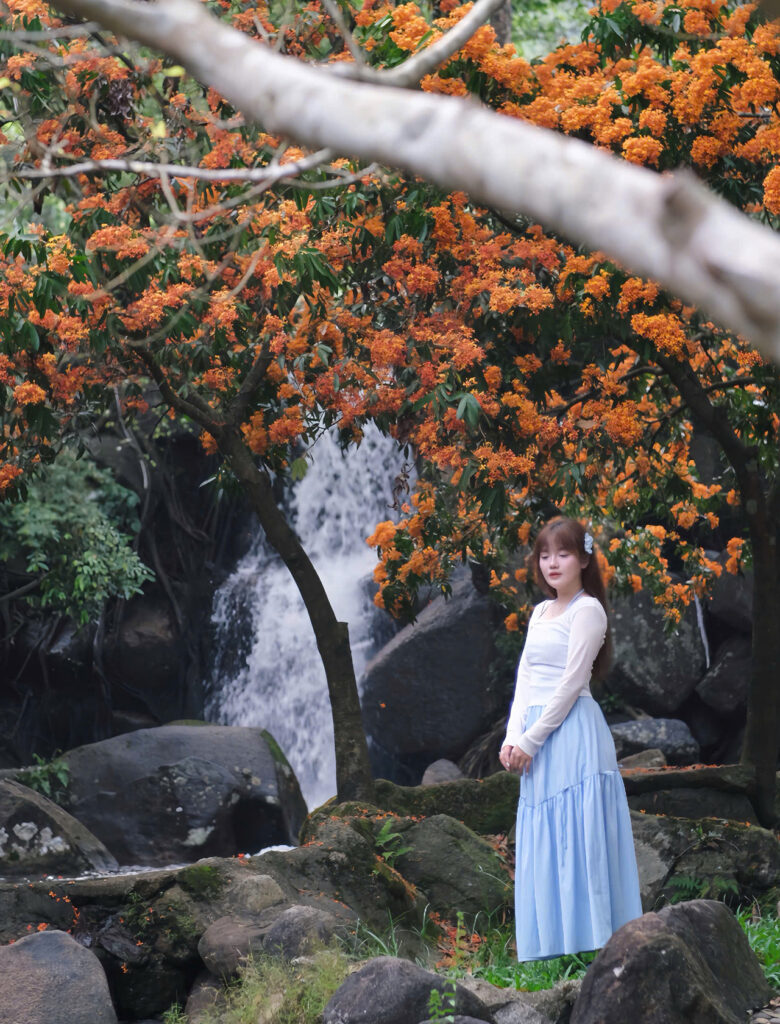
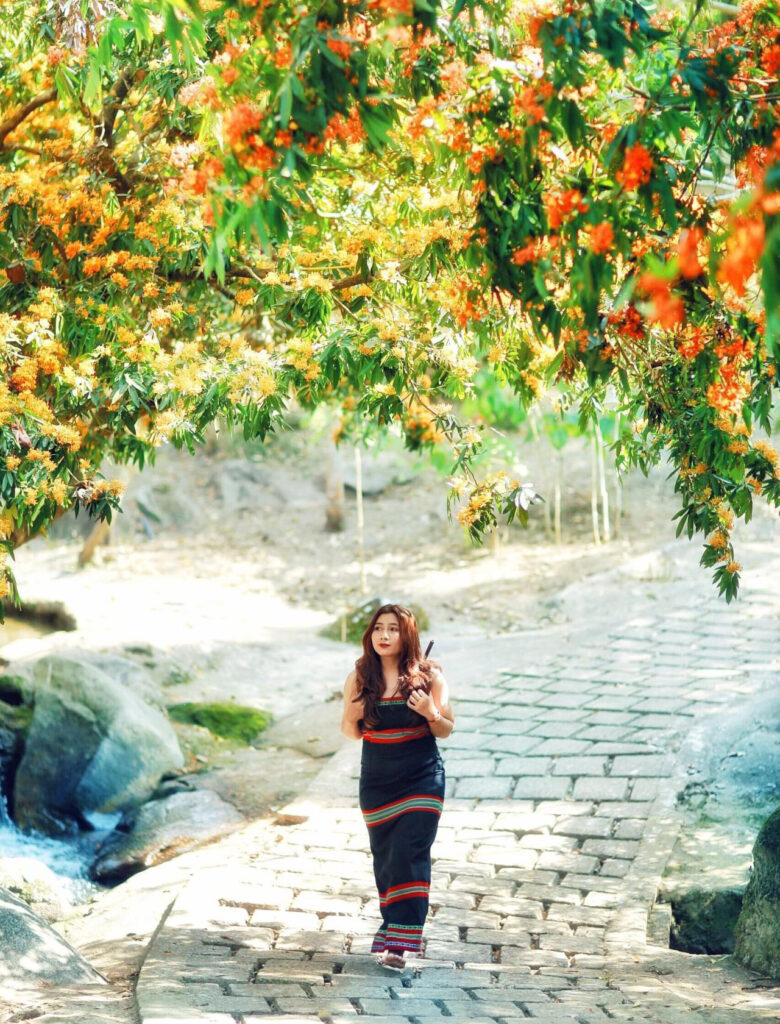
From late February to mid-March is the most beautiful season at Toom Sara, when the entire village is coloured in brilliant shades of yellow and orange by the blooming Rì forest flowers. Blossoms appear along pathways, beside streams, and on mountain slopes, filling the landscape with warmth and vitality.
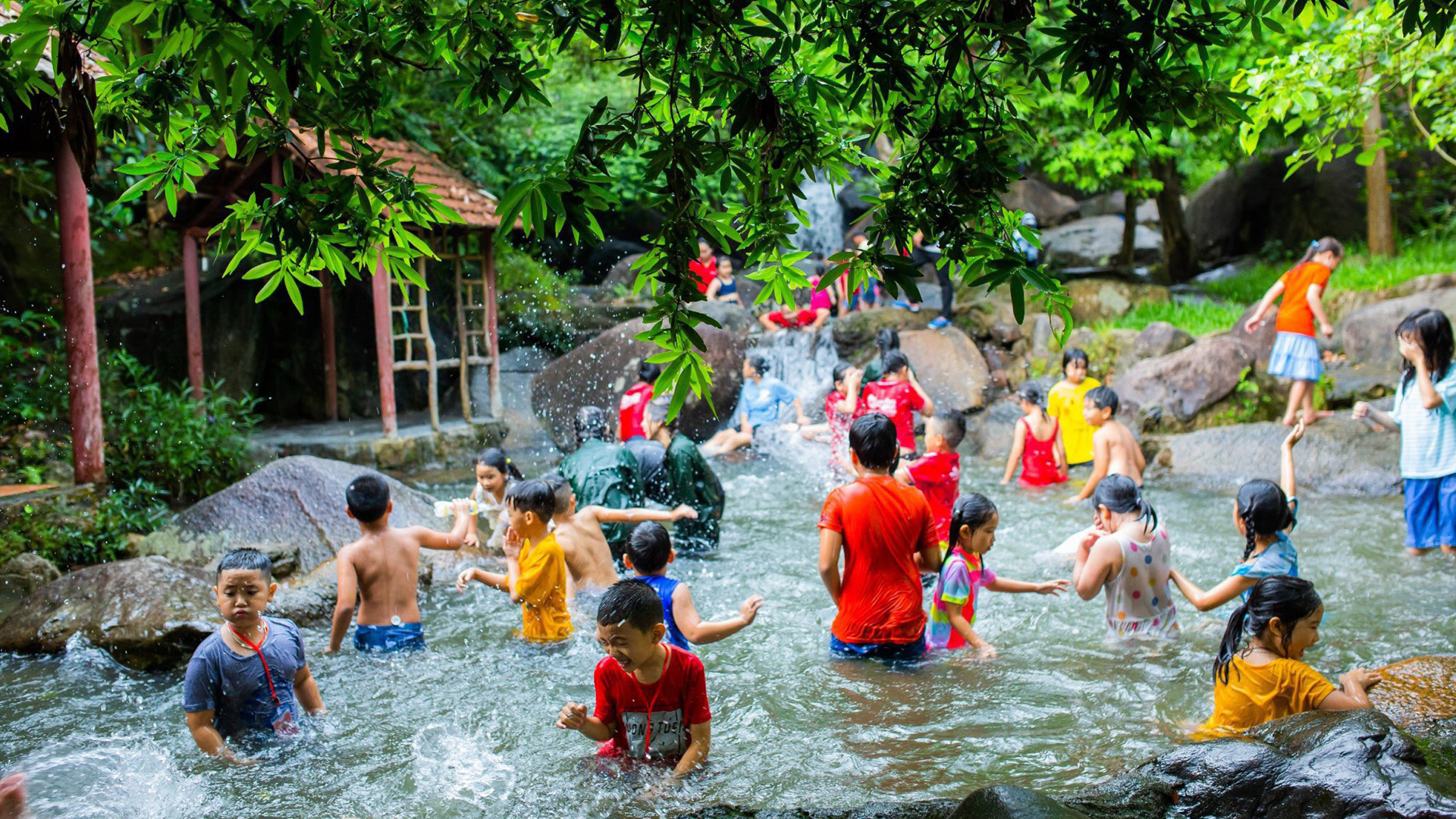
During the hot summer months, when the city feels heavy with heat, the cool headwater streams become a place where visitors naturally linger longer. Clear water flows across stone surfaces while gentle mountain air moves through the forest, as if nature itself were quietly regulating the atmosphere.
Experiences in the Forest
Stay among the trees
Staying at Toom Sara allows guests to be closer to nature. Comfortable bungalows open onto green forest views, where the sound of flowing streams becomes the background music each morning.
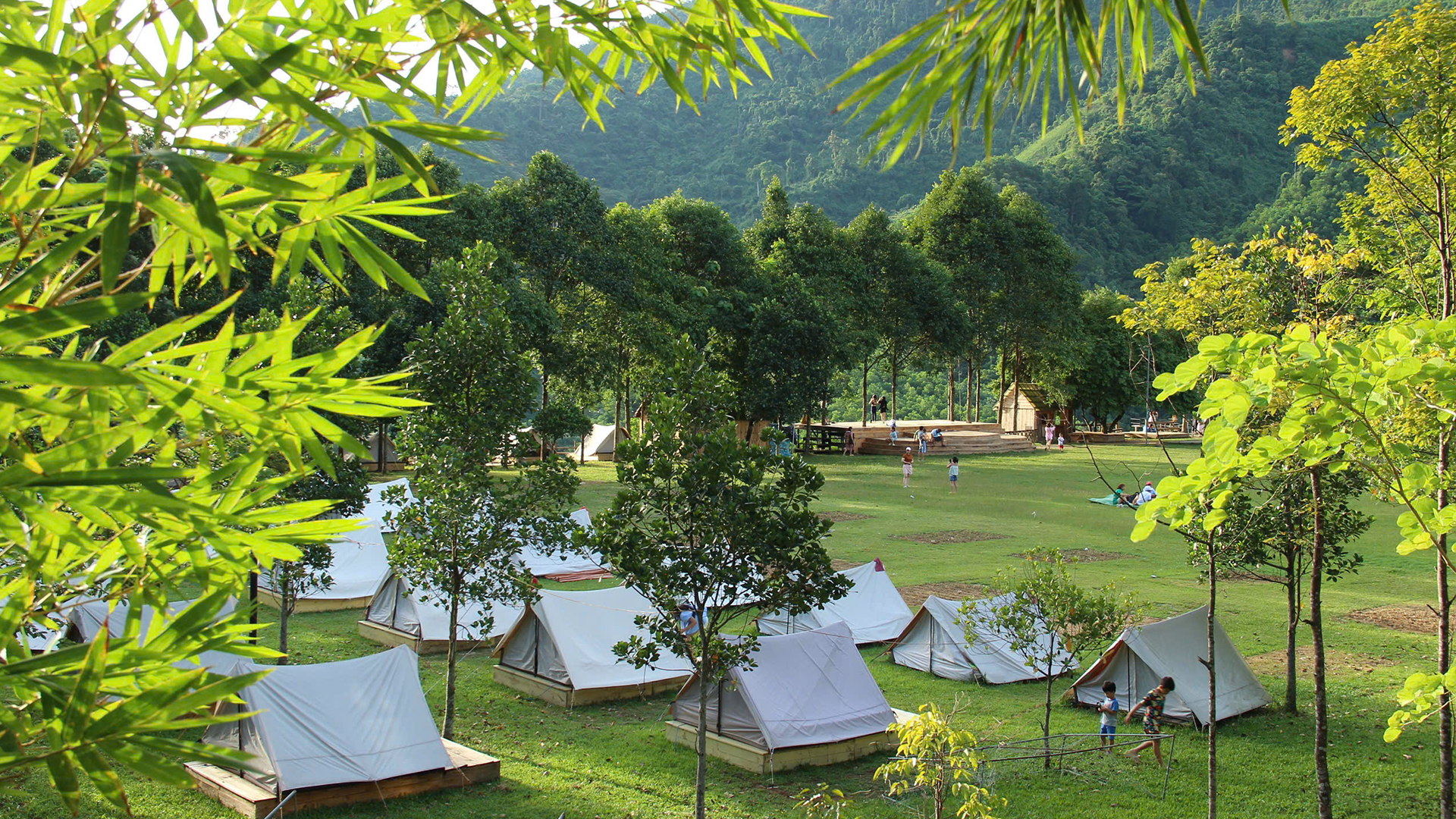
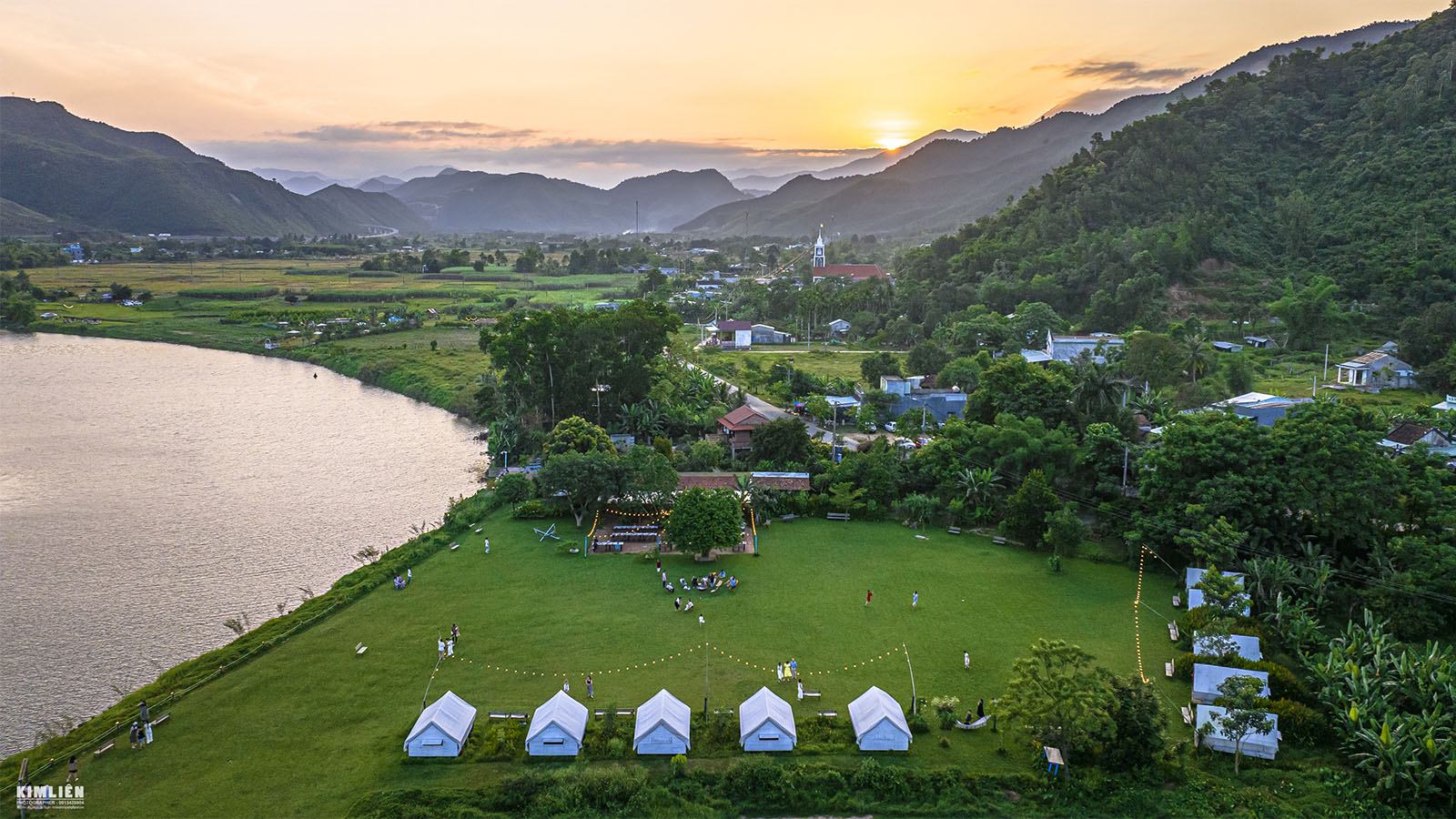
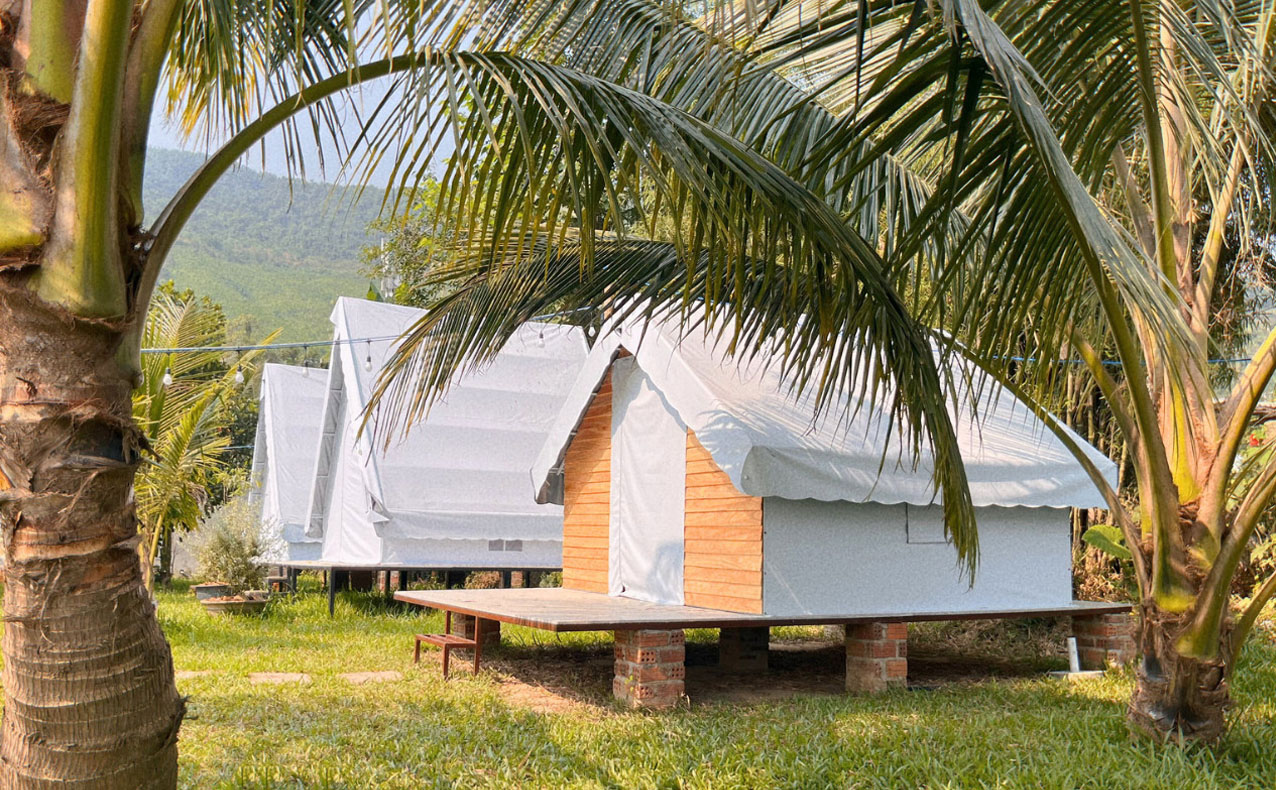
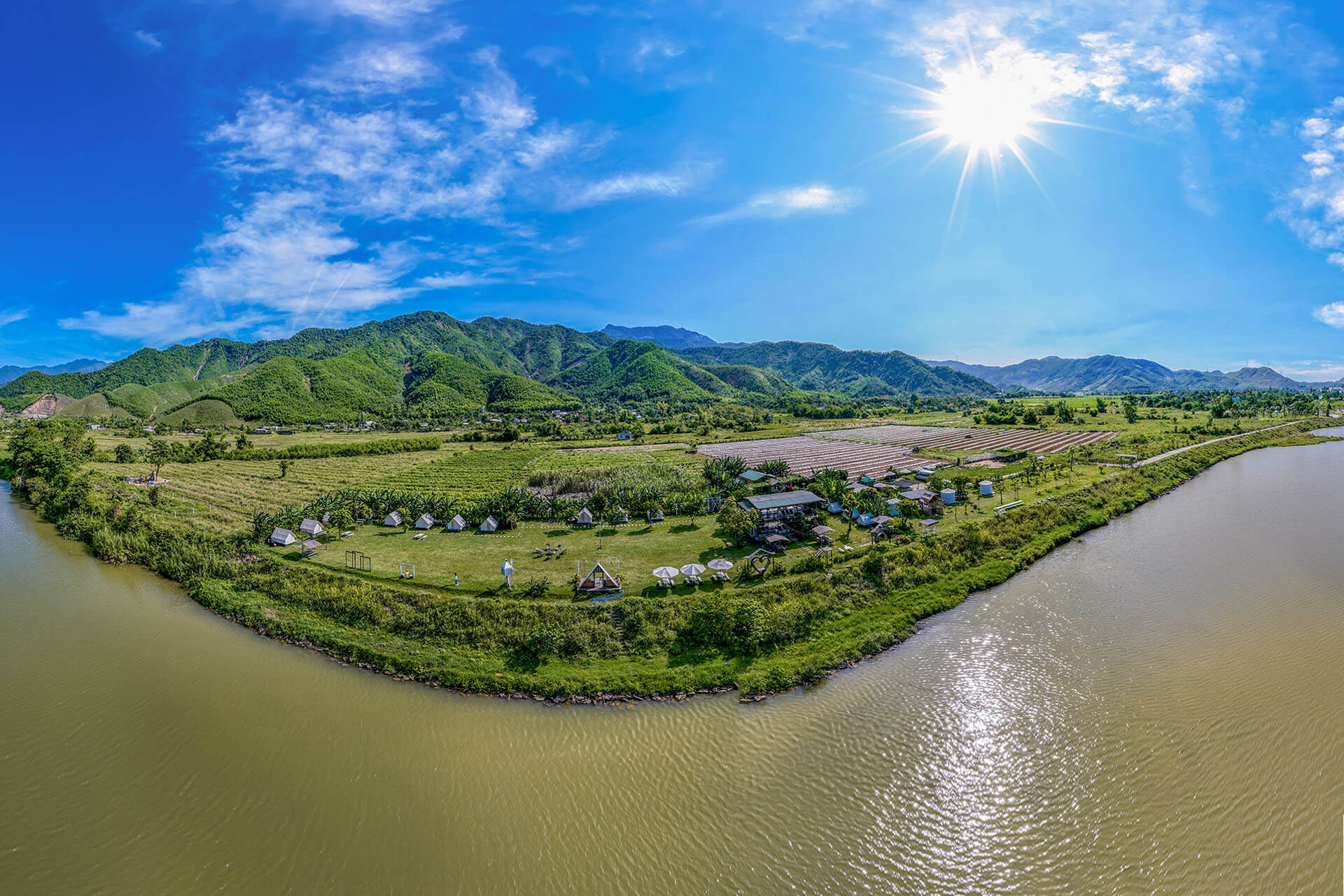
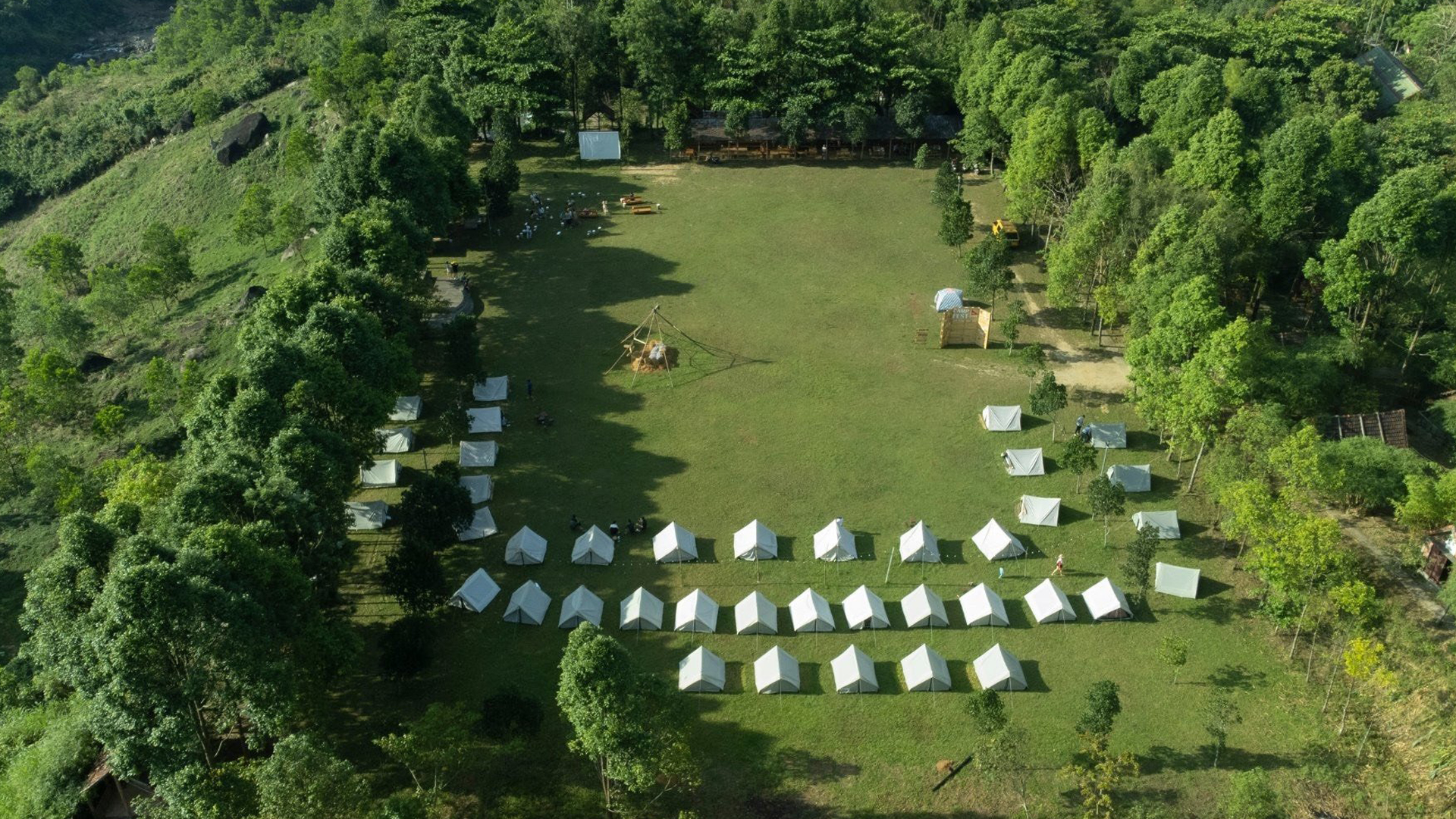
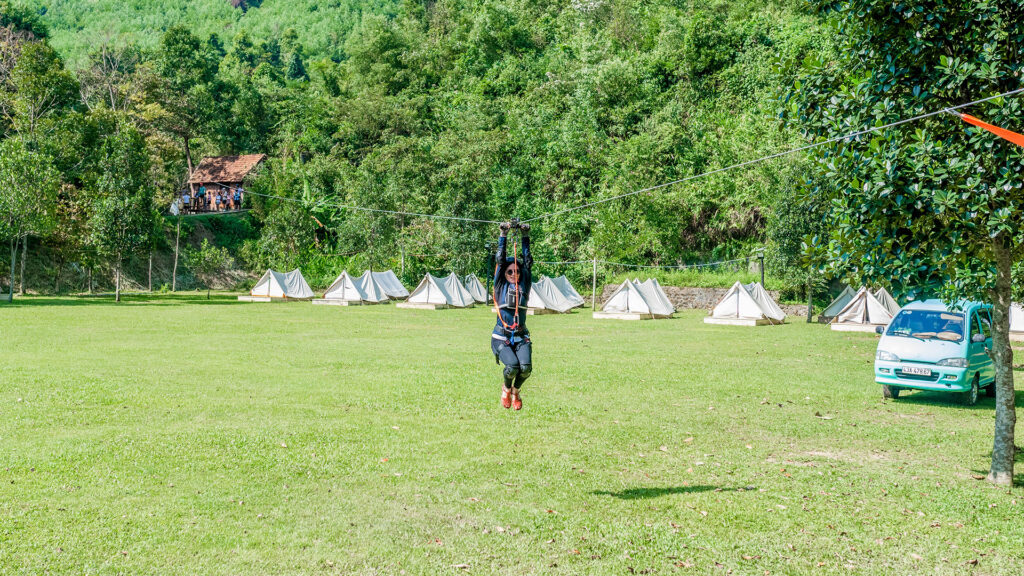
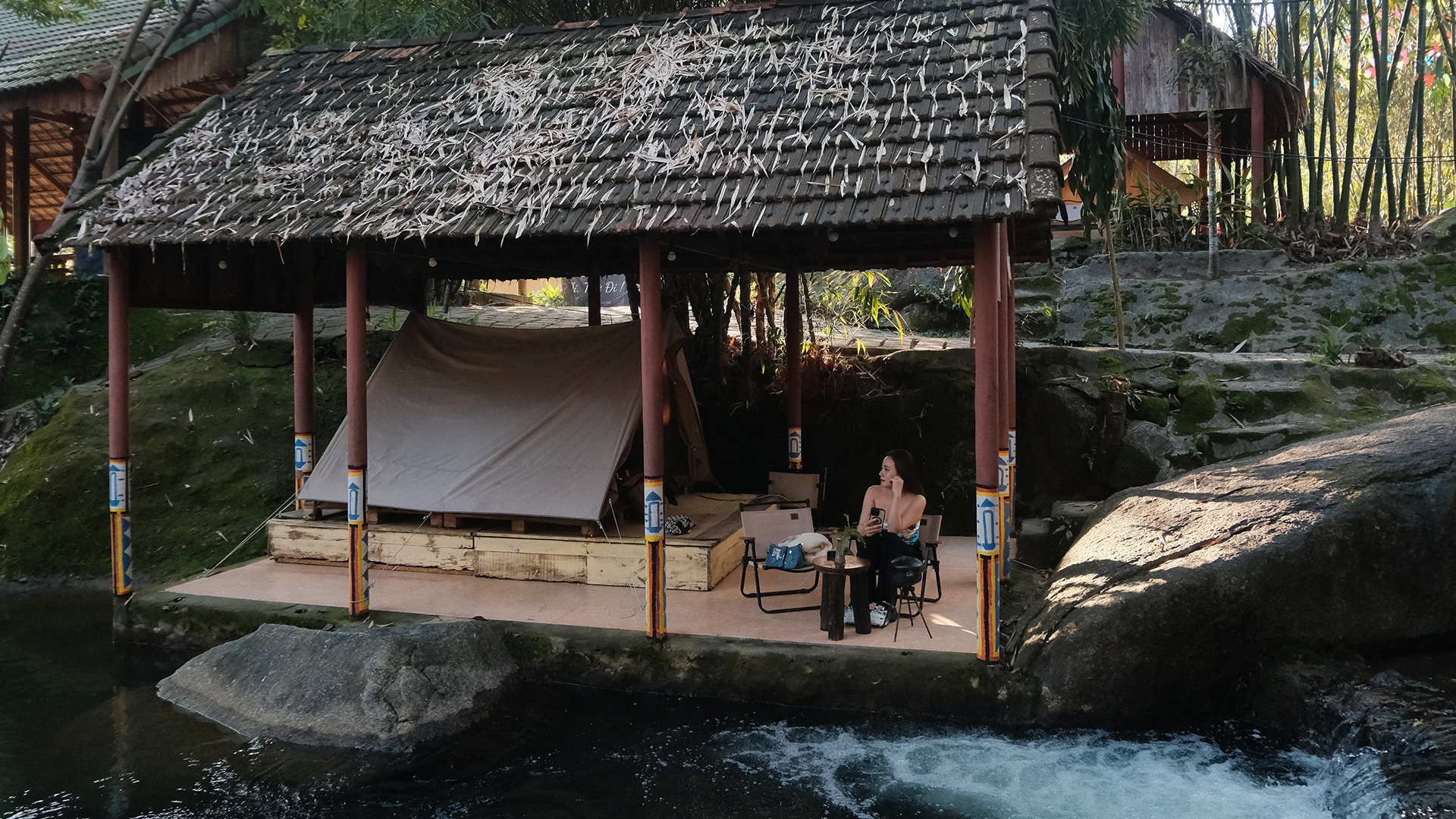
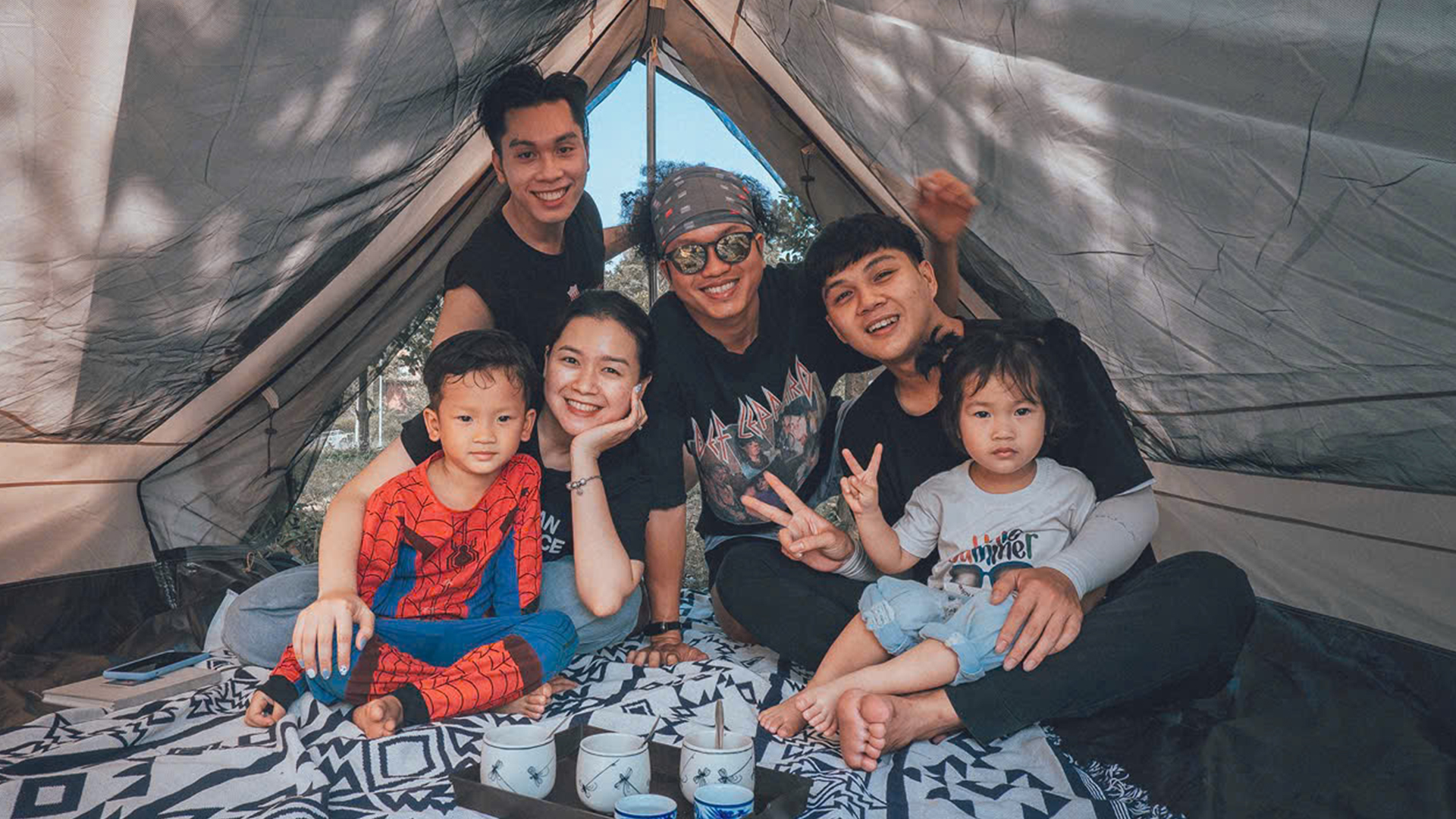
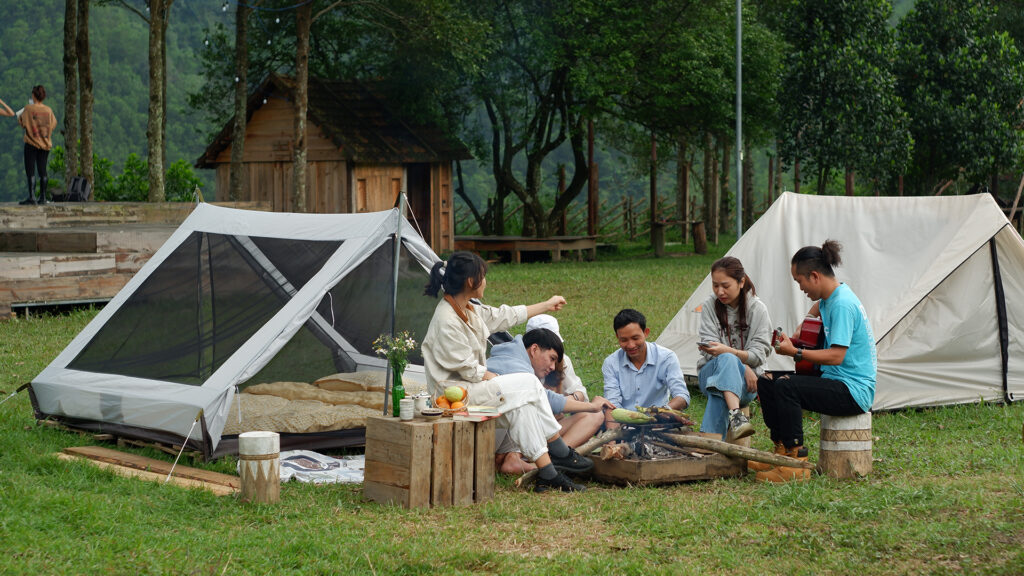
For a more immersive experience, visitors can sleep in tents on wide grassy fields under a sky full of stars, try infinity tents overlooking mountain slopes, or choose the most special option – riverside tents where the sound of flowing water accompanies the night.
Culture in everyday life
If nature forms the foundation, indigenous culture is the soul of the village. Visitors can stay in Moong houses or the Gươl communal house, traditional Cơ Tu architectural spaces adapted for comfort while retaining their cultural spirit.
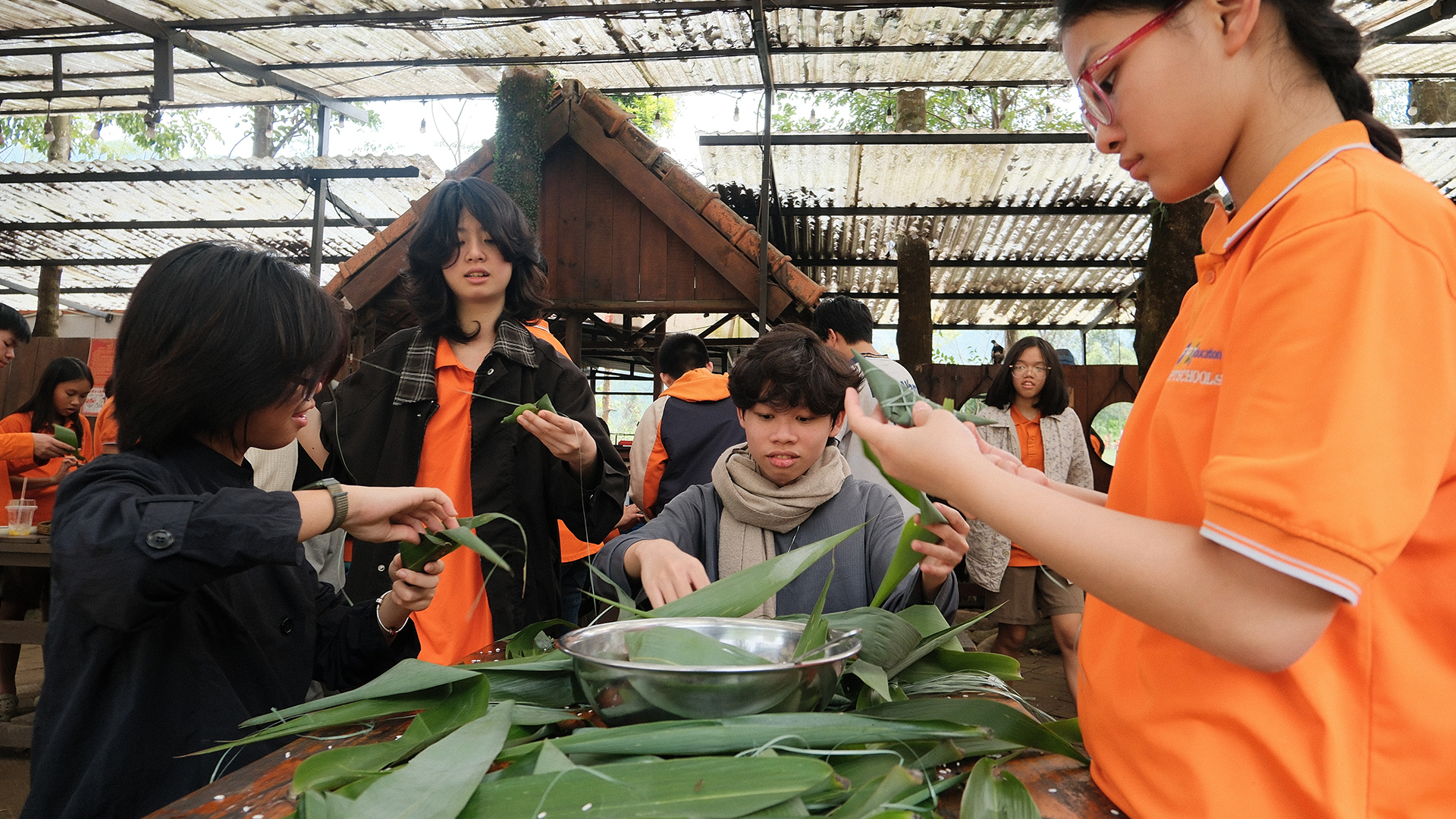
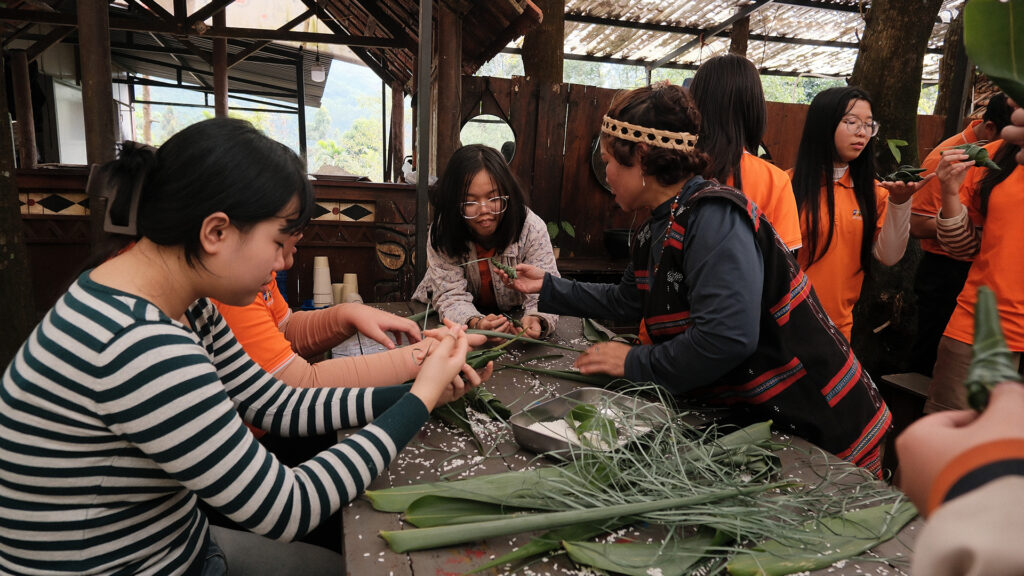
Guests may also cook alongside Cơ Tu families and listen to stories from people whose lives remain closely tied to the forest. A highlight is the sacred Fire Calling Night, which re-enacts ancient hunting and gathering traditions through dance and ritual.
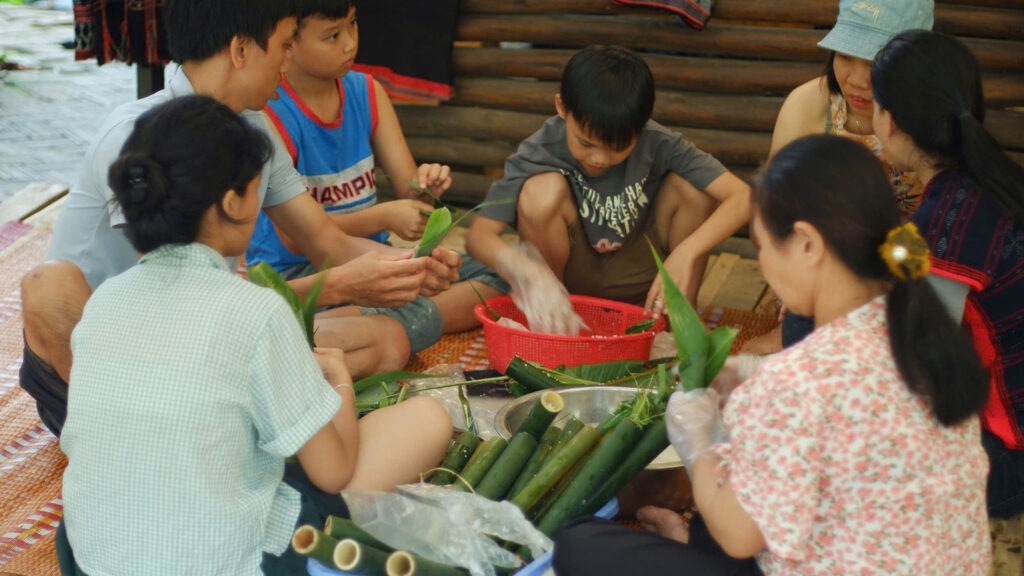
Meals from the mountains
Cuisine at Toom Sara reflects the flavours of the highlands: bamboo-tube rice, grilled pork cooked in bamboo tubes, hill chicken, forest vegetables, stream fish, and Phú Túc traditional rice wine. Each dish tells the story of the Cơ Tu people’s connection with the forest – simple, honest, and deeply rooted in nature.
Eco-space and outdoor activities
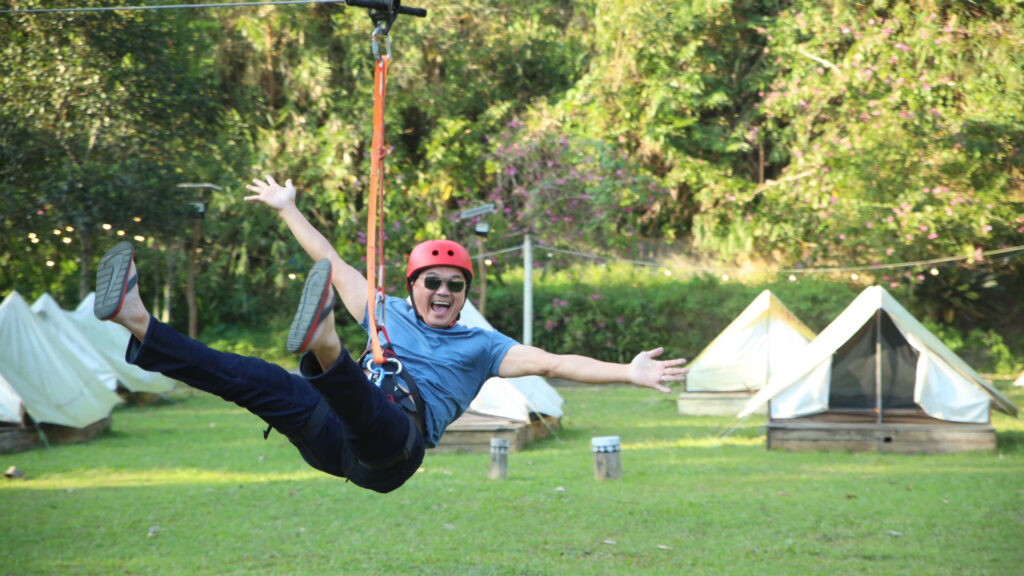
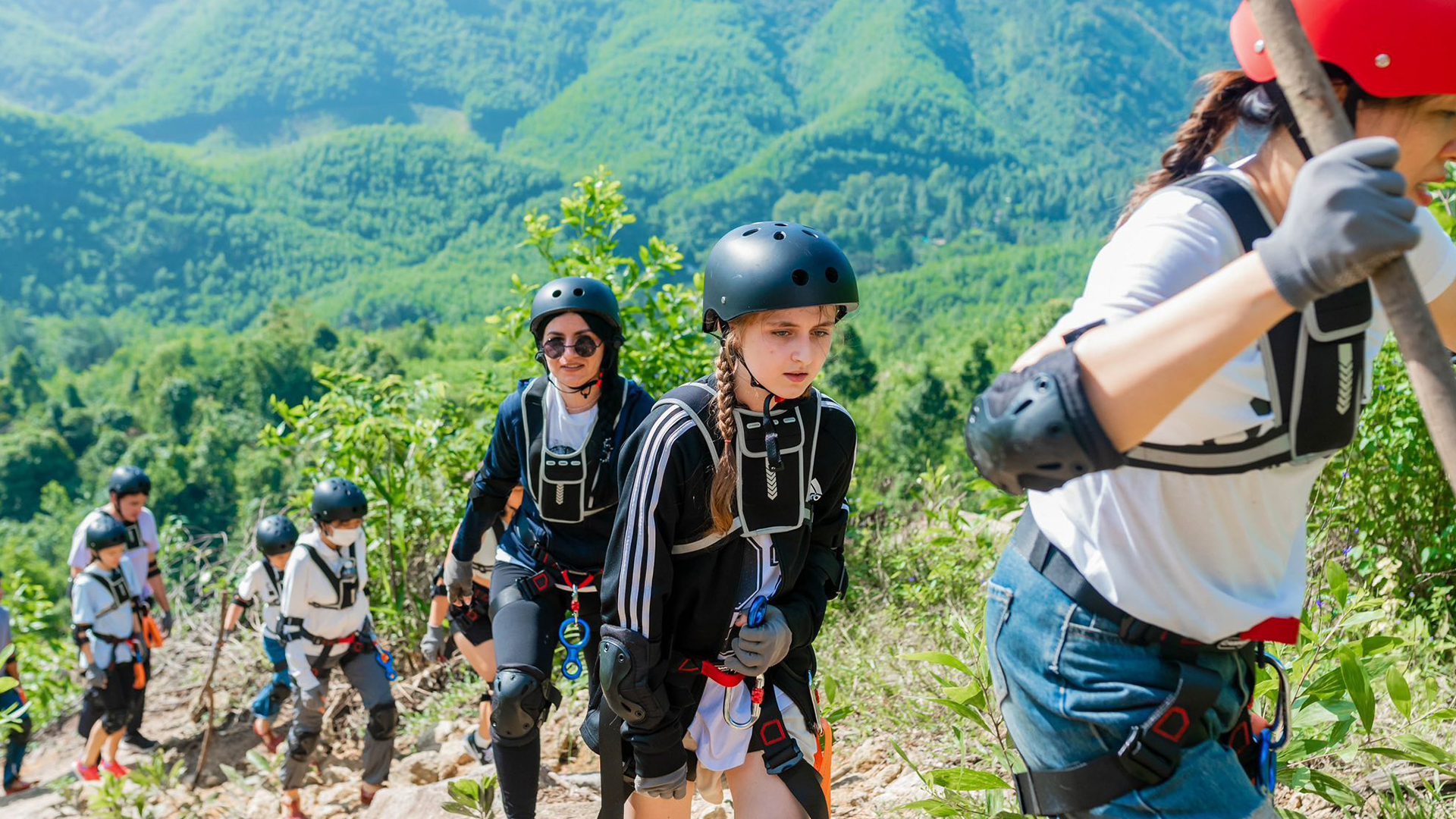
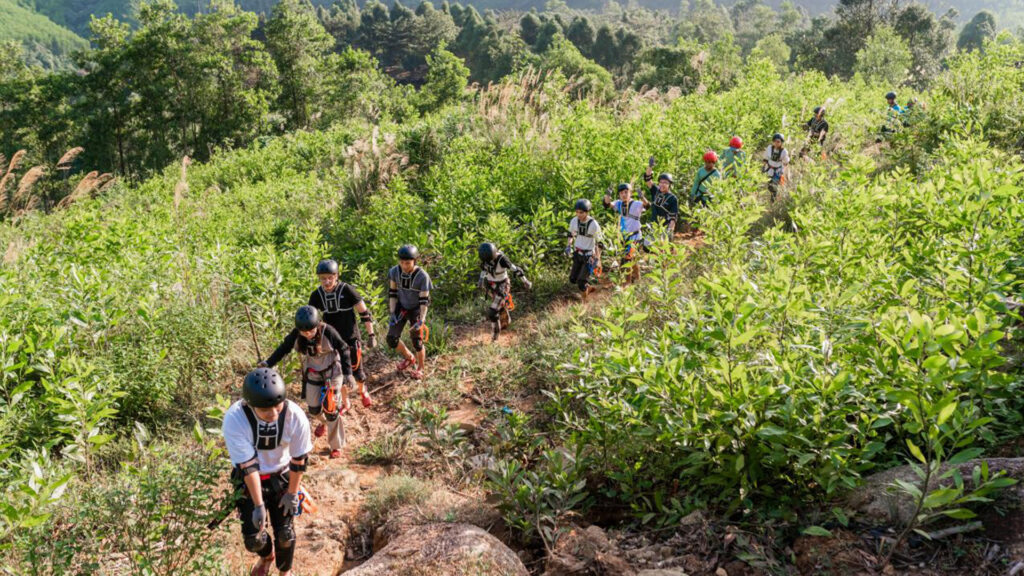
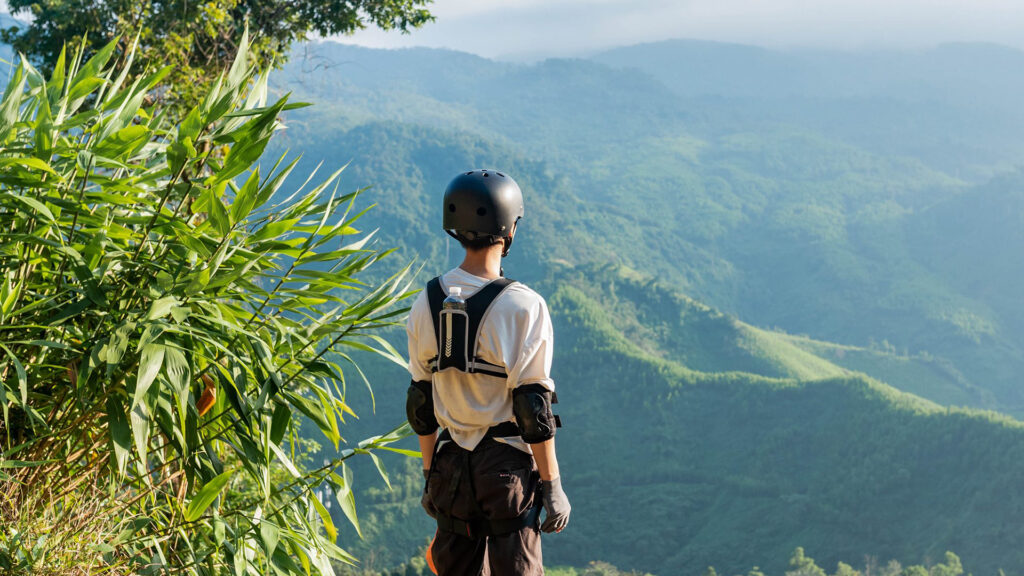
Visitors can fully immerse themselves in nature by swimming in the cool headwater streams among untouched rocky slopes, paddling SUP boards, exploring chemical-free vegetable gardens to learn about nature-friendly cultivation, or challenging themselves with outdoor activities such as ziplining and Toom Sara Adventure.
Green Tourism and Forest Restoration – “Forest, Please Breathe!” Project
Located within a natural forest ecosystem mixed with acacia plantations, Toom Sara is gradually restoring indigenous forests to rebuild biodiversity, protect soil and water resources, prevent erosion, and bring life back to the mountains.
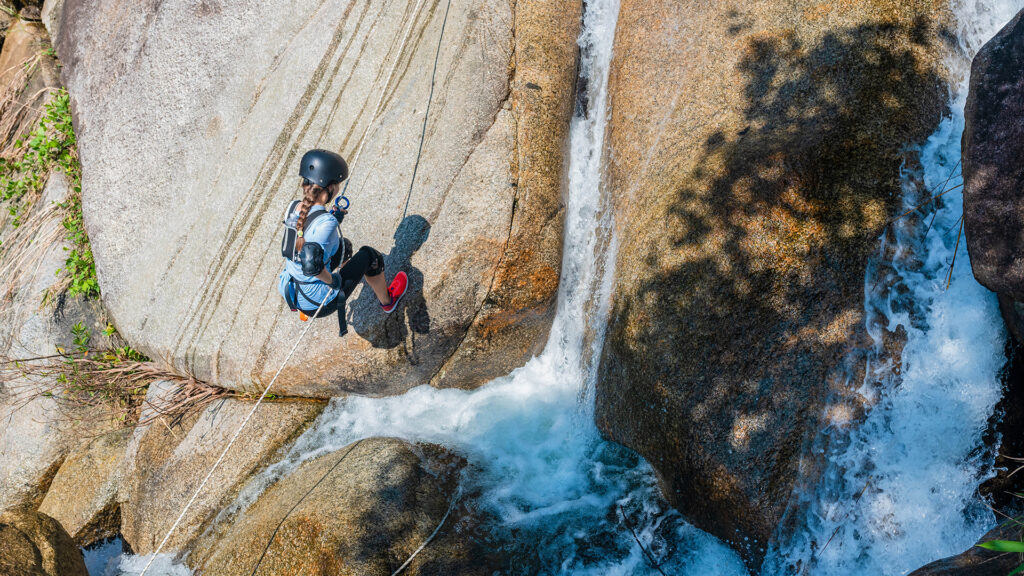
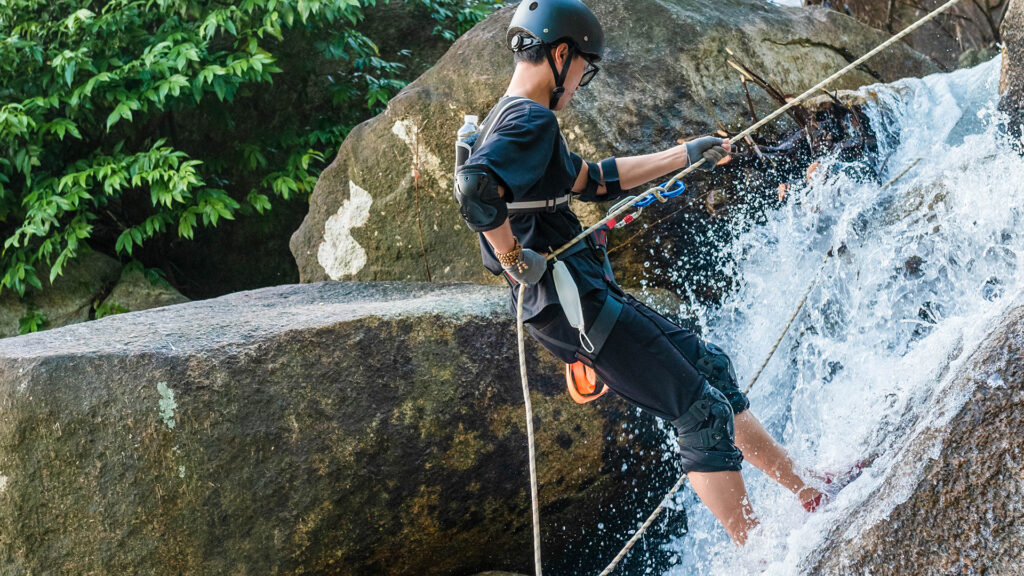
Alongside this effort, the village has launched the “Forest, Please Breathe!” project – a model that integrates forest restoration with eco-tourism. The initiative gradually transforms short-cycle monoculture forests into multi-layered native forests, a long-term solution for strengthening natural watershed protection and stabilising ecosystems.
The project focuses on four main goals:
Restoring multi-layered indigenous forest ecosystems;
Creating sustainable livelihoods beneath forest canopies through eco-tourism and agricultural activities;
Linking forest restoration with the preservation and promotion of indigenous culture through festivals, arts, and music;

Expanding participation from communities, businesses, and hillside landowners through the shared initiative “We have land – let’s plant forests together.”
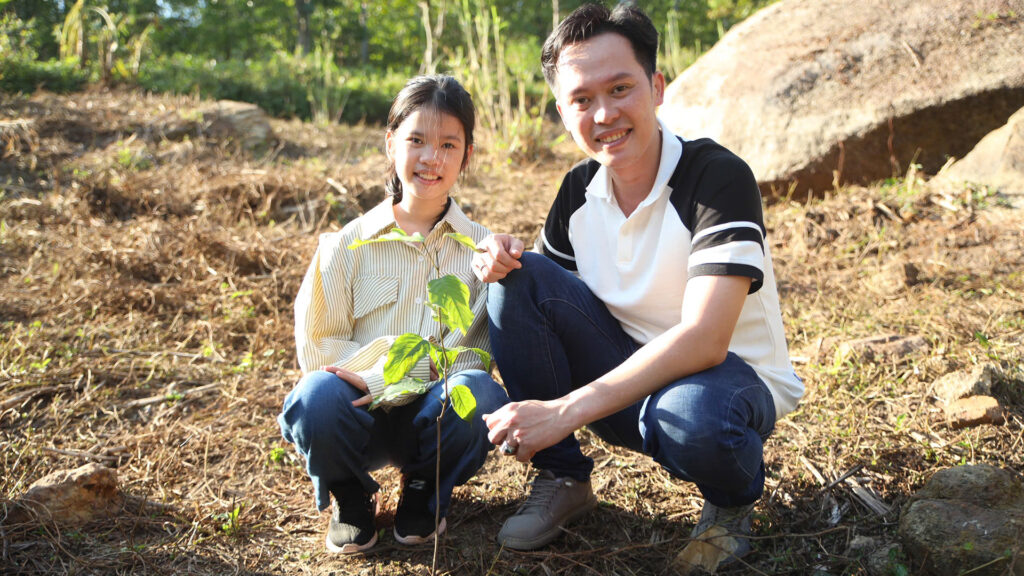
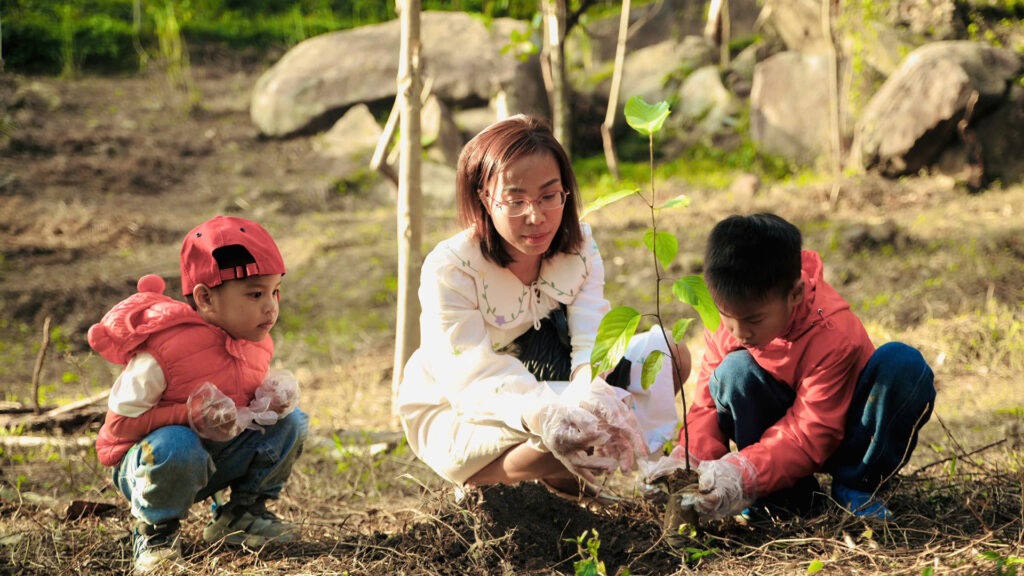
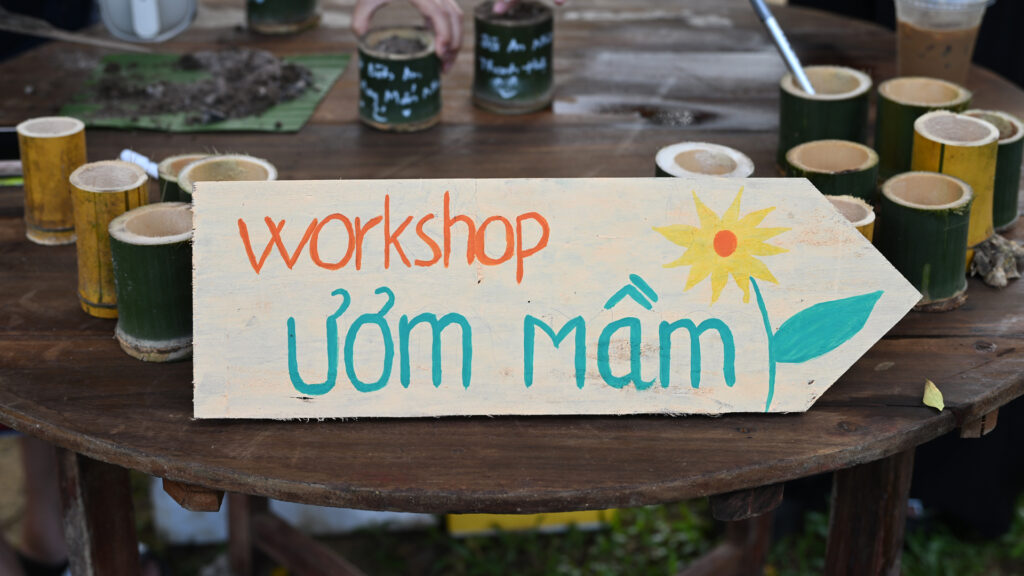
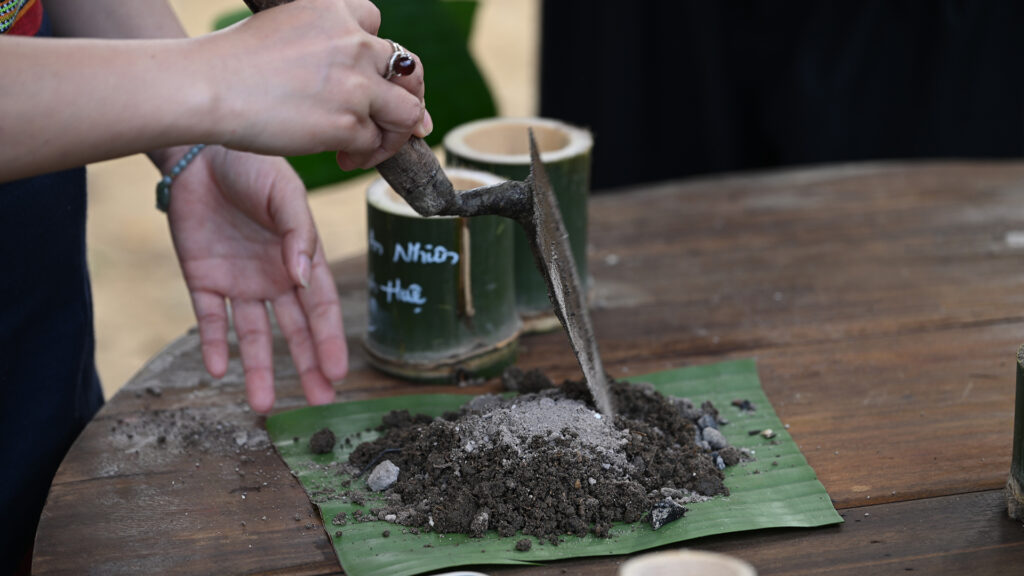
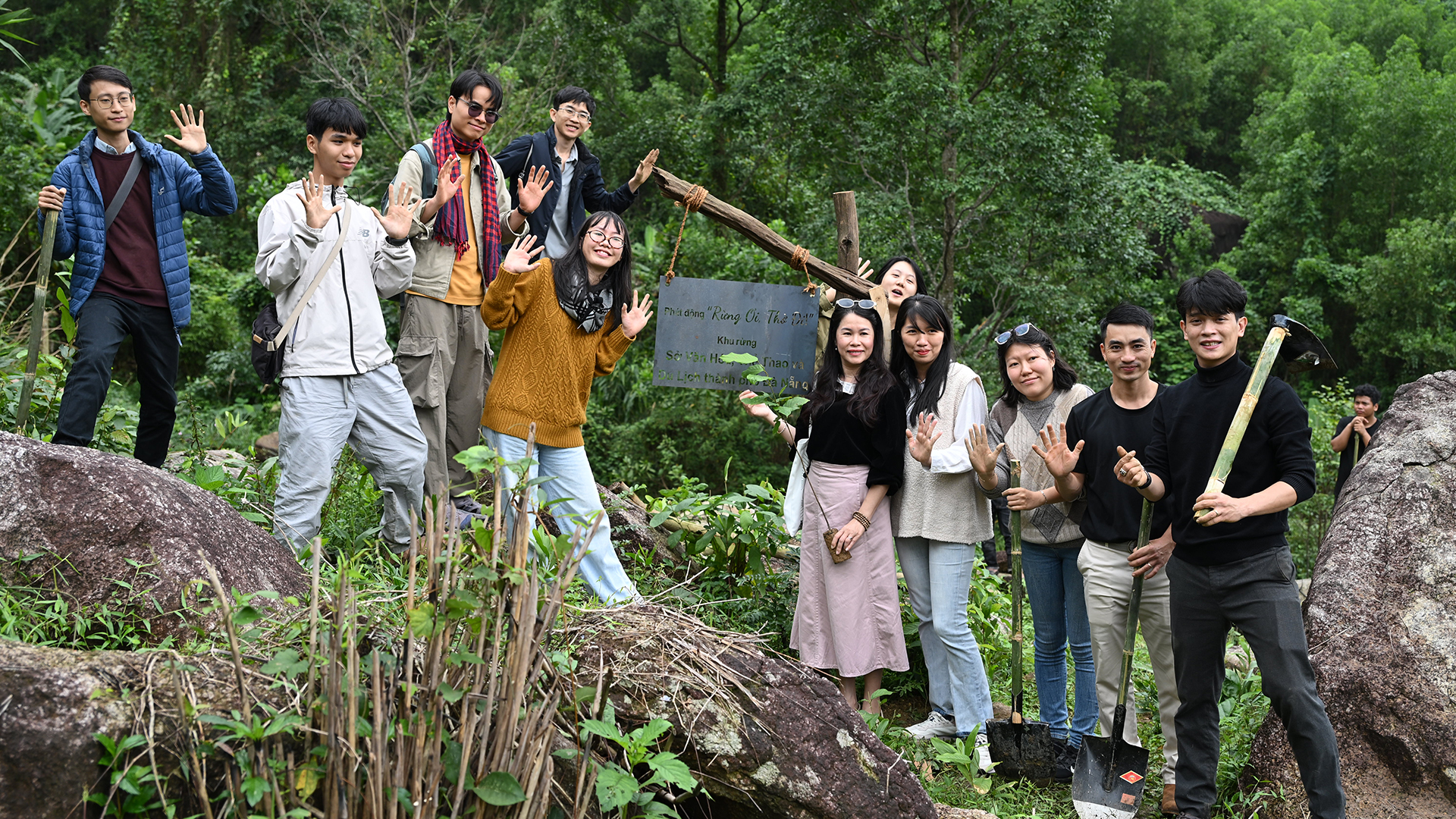
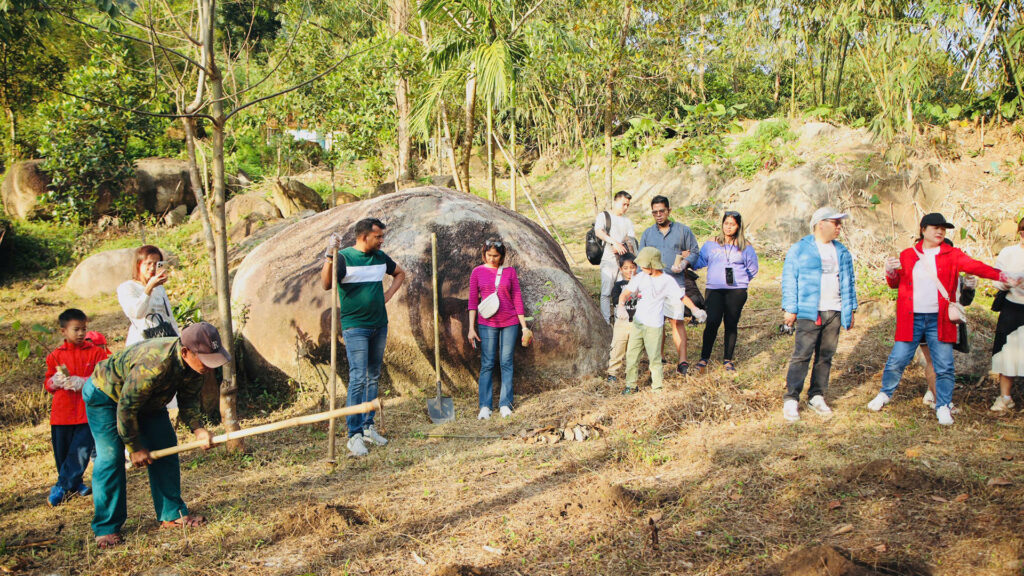
At the Suối Hoa pilot area, visitors can directly participate in planting and caring for forest trees during their journey. Each tree is given a long-term care plan aimed at forming a resilient multi-layered forest structure rather than short-term replacement planting.
In this way, tourism becomes a mechanism for generating financial resources to reinvest in restoring and nurturing indigenous forests. When visitors join tree-planting activities, they also contribute to the regeneration of forests that are slowly returning to life.
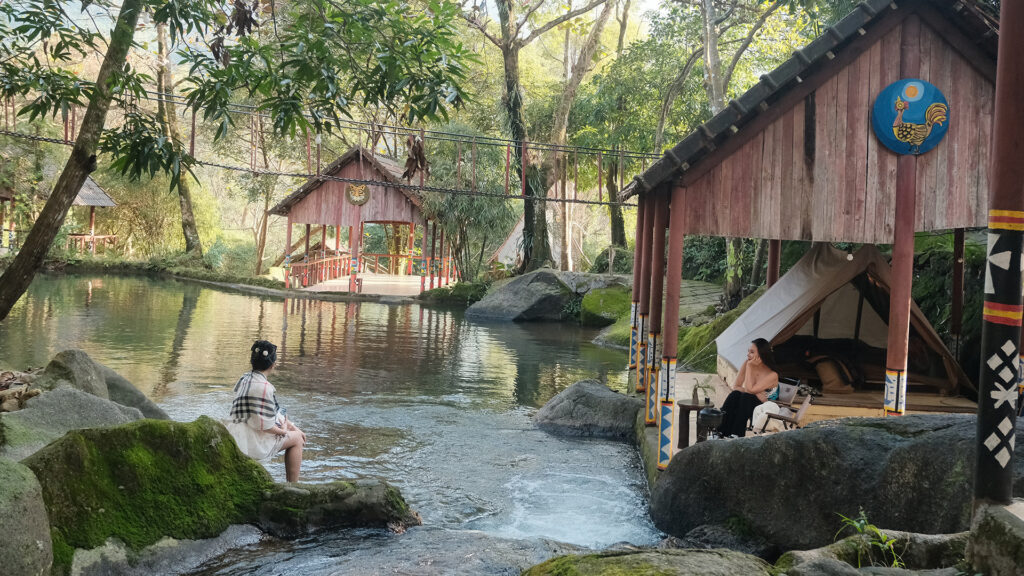
Amid the constant motion of modern life, Toom Sara Village offers a quiet pause where people can rediscover balance. Here there are green forests, cool headwater streams, and the gentle rhythm of indigenous life. And if one day you wish to leave the city behind and take a deep, refreshing breath, Toom Sara will always be there, waiting for your visit.
DANANG TOURISM PROMOTION CENTER