















As the world moves faster than ever, the way people travel is also beginning to change. Travelers are no longer searching for tightly packed itineraries or journeys filled with endless destinations simply to “go everywhere” or rush from one check-in spot to another. Instead, more and more people are choosing experiences that are deeper, slower, and more emotionally meaningful.
From this shift, the spirit of “slow travel” has gradually become a choice for those seeking rest not only for the body, but also for the mind. A journey is no longer simply about discovering the outside world, but about returning to oneself — living a little slower, feeling a little deeper, and reconnecting with the authentic values of the places we pass through.

Within this movement, Da Nang emerges not only as a coastal resort destination, but as a place where people can truly “Return to Origins” — reconnecting with nature, cultural depth, peaceful rhythms of life, and timeless values preserved through generations.
Unlike many bustling tourism cities across Asia, Da Nang offers space for the mind to breathe. Here, travelers can embrace slow living in their own way: beginning the morning with meditation by the sea, walking beneath tree-lined streets along the Han River, enjoying tea within tranquil mountain spaces, or simply spending an entire afternoon watching sunlight drift across the ancient rooftops of Hoi An. In this city, travel is no longer a race against time, but an opportunity to listen more closely to emotions and restore energy from within.
When Nature Becomes a Healing Space
In Da Nang, nature is not separated from urban life — it exists as part of the city’s everyday rhythm. A morning may begin with sunrise over My Khe Beach, slow footsteps on the Son Tra Peninsula, or the quiet stillness of standing within green forests listening to the wind moving through the trees.
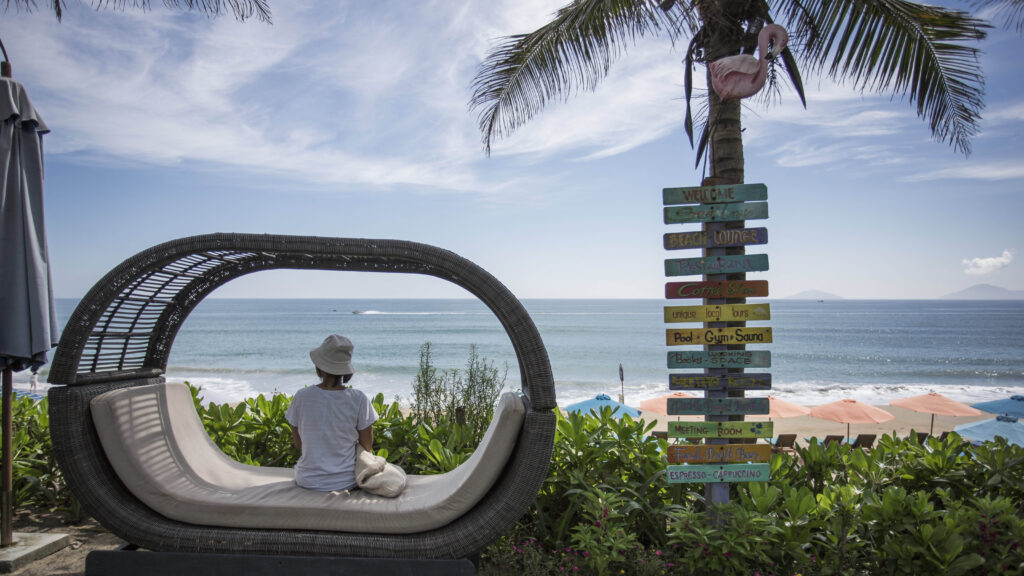
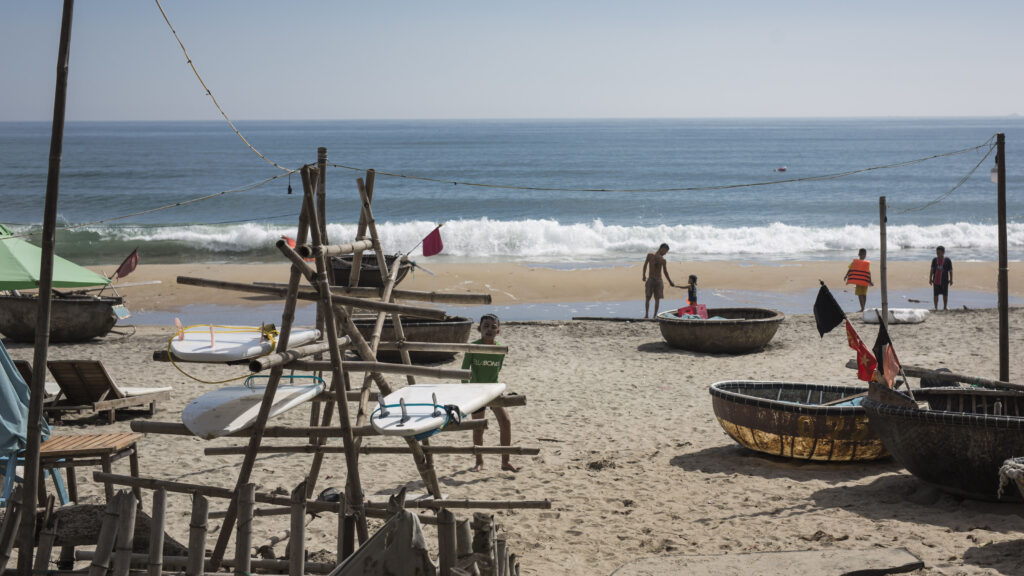
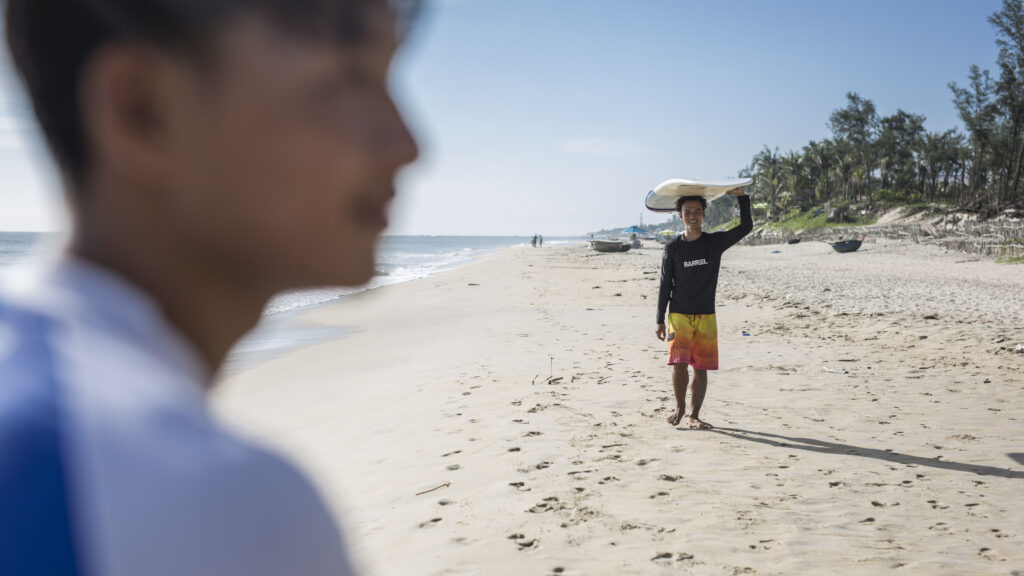
Just beyond the city center, places such as An Bang Beach, Cua Dai Beach, and Cu Lao Cham open into even more pristine and spacious landscapes — where travelers can easily find serenity amid blue seas, gentle sunlight, and the slower pace of life within the heritage region.

Nature here does not demand to be conquered. Instead, it feels like an invitation to step away from the overload of modern life. A sunset SUP journey on the river, a gentle trekking route through forest trails, or simply sitting quietly by the sea for hours can gradually calm the mind.
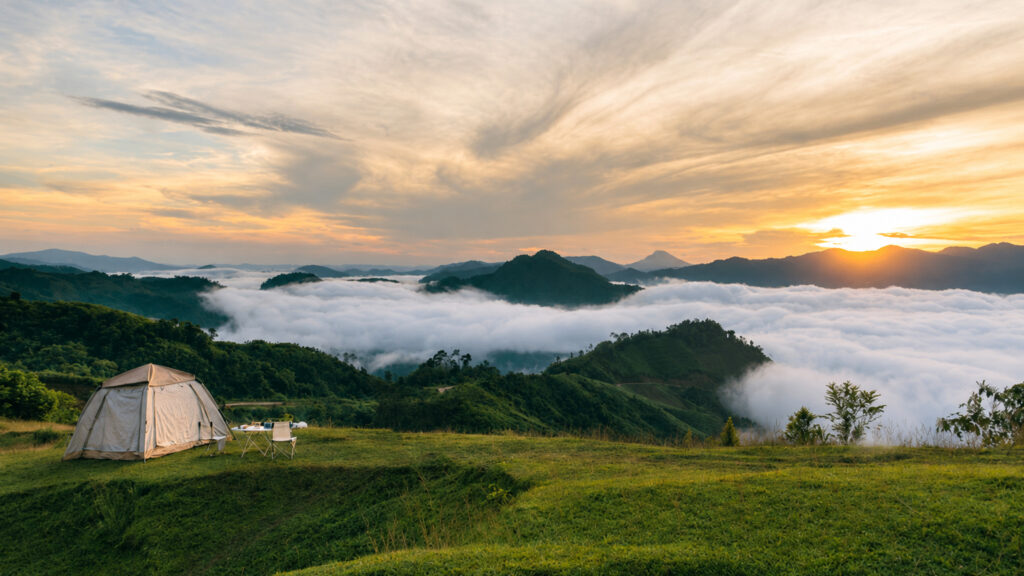
Within the spirit of slow living, nature is no longer merely a background for check-in photos. It becomes a place where people learn to breathe more deeply, move more slowly, and reconnect with the world around them.
That is also why more green tourism and responsible travel experiences are emerging across Da Nang — from wellness-focused resorts and eco-lodges to limited-capacity nature tours, low-plastic journeys, recycled materials, and experiences encouraging the use of local products.
Travelers today are no longer seeking only relaxation, but journeys that create positive impacts for both the environment and local communities — where every experience contributes to preserving nature for future generations.
Spaces to Rebalance Body – Mind – Spirit
Da Nang is gradually becoming a destination for these kinds of journeys — where travel is not only about resting, but also about restoring balance between body, mind, and spirit amid the pressures of modern life.
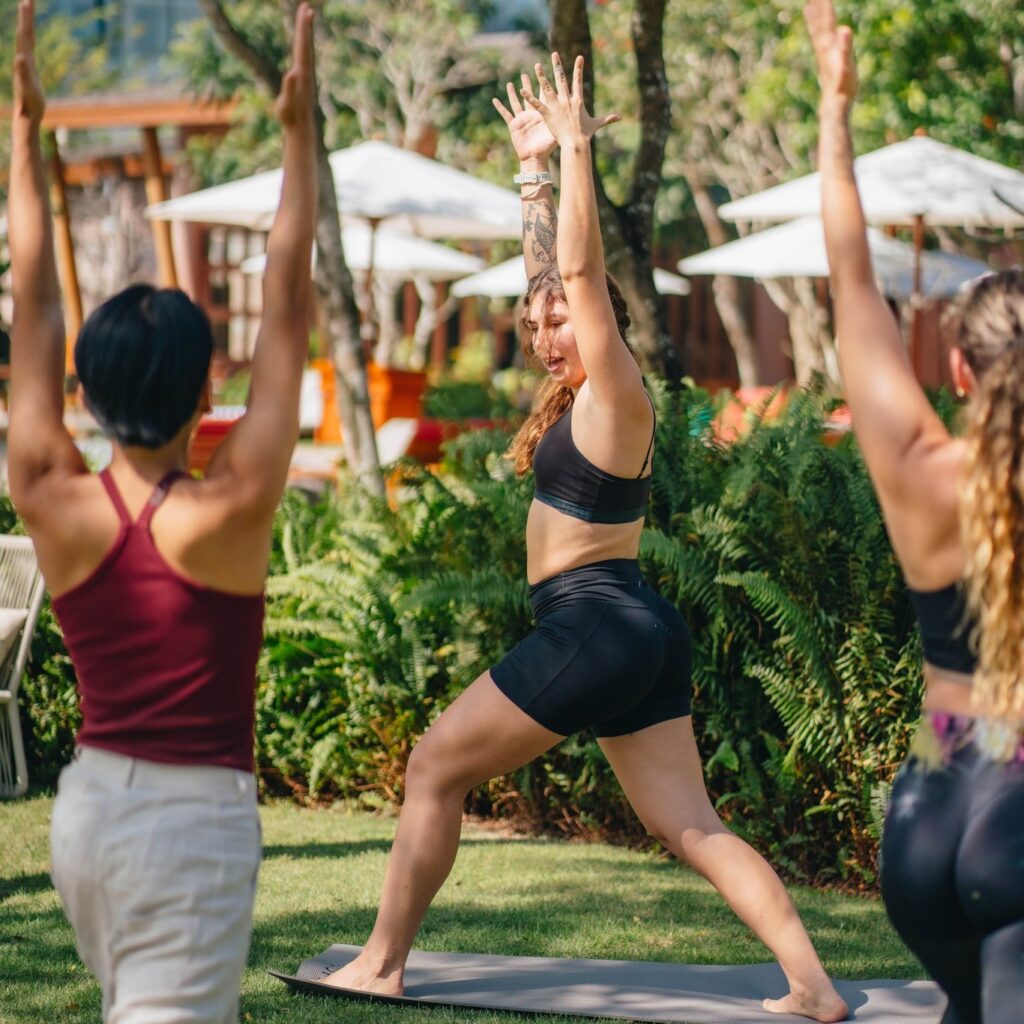
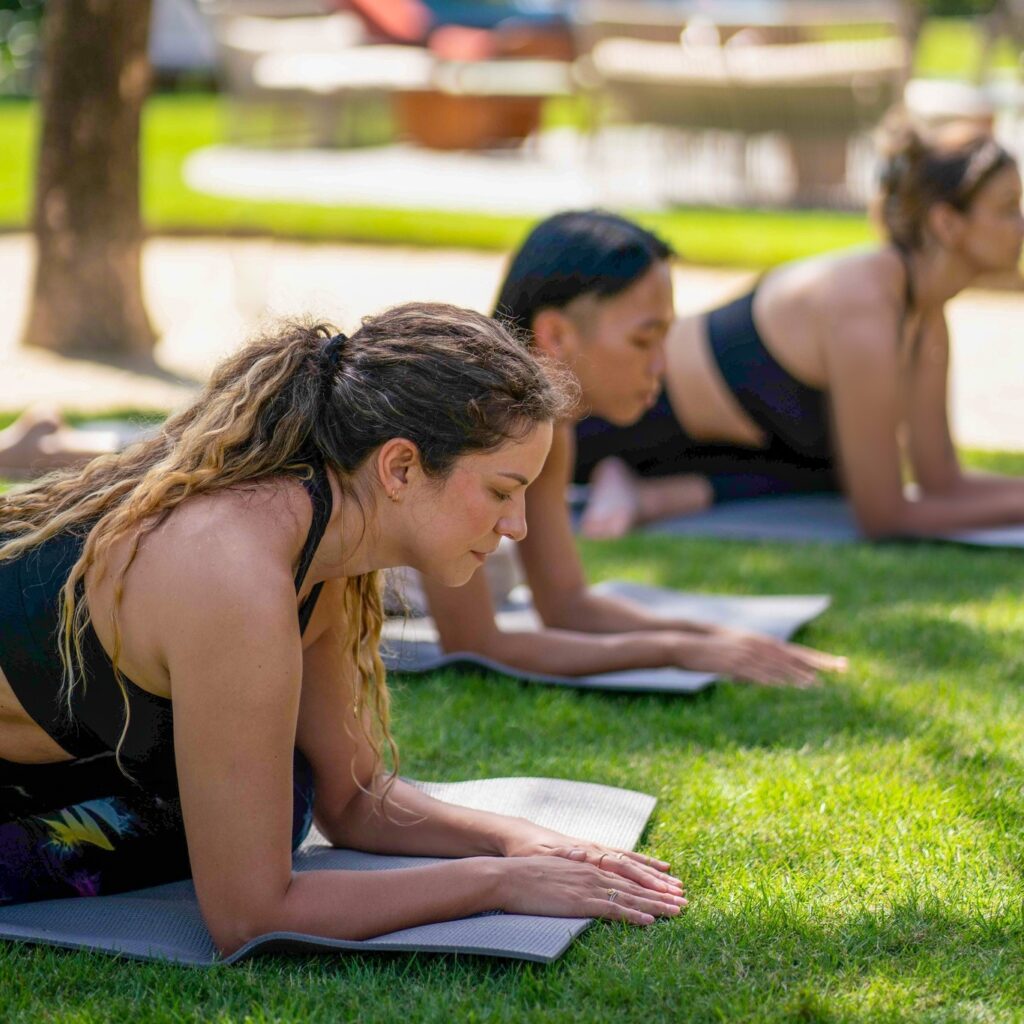
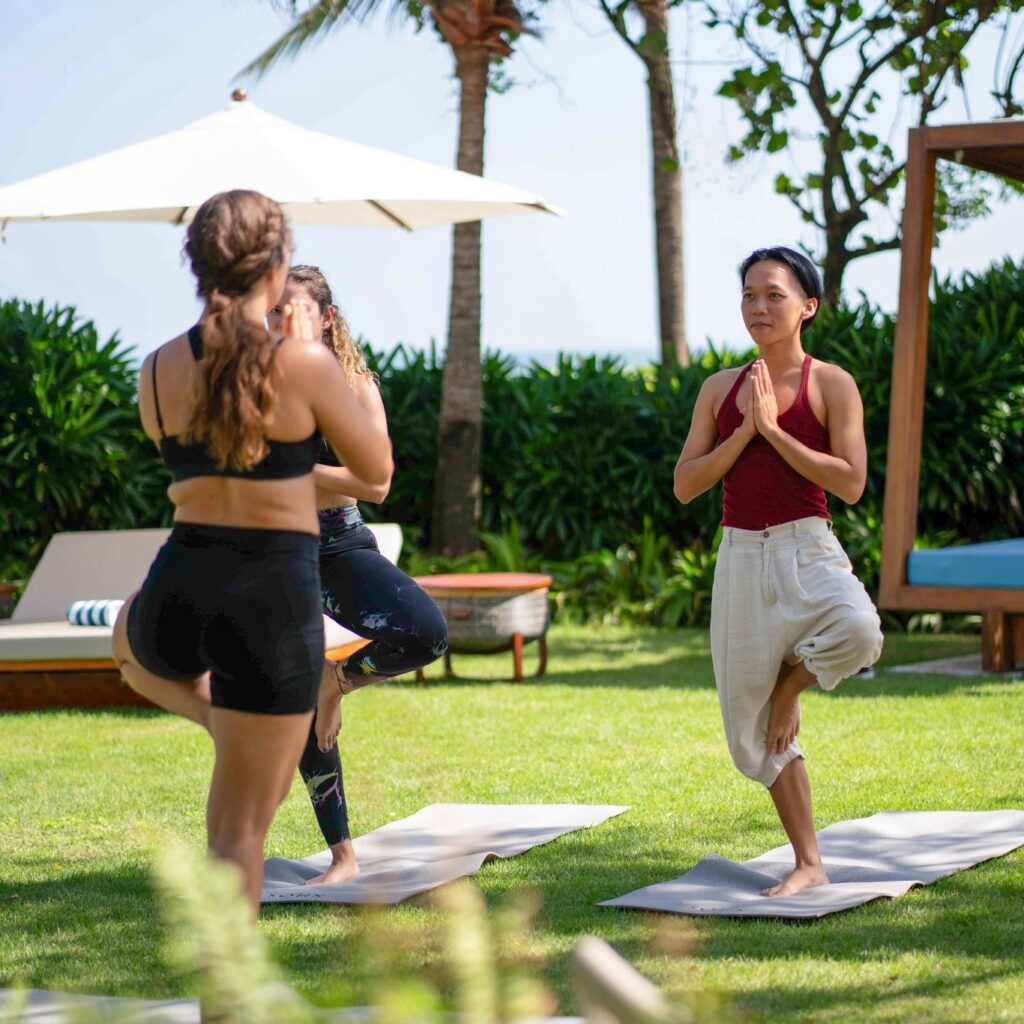
From healing retreats by the sea, meditation spaces in the mountains, and sunrise yoga sessions to tea ceremonies in tranquil gardens, heritage walking journeys, cycling through countryside villages, or simply spending an afternoon in a quiet café, the city offers a different rhythm of living.
It is a rhythm that does not pressure people to “experience more,” “move faster,” or constantly fill schedules with destinations, but instead allows travelers to slow down and connect more deeply with nature, culture, local life, and their own emotions.
This is also how many travelers today come to Central Vietnam to truly “Return to Origins” — rediscovering balance, silence, and a sense of connection often forgotten within the pace of everyday life.
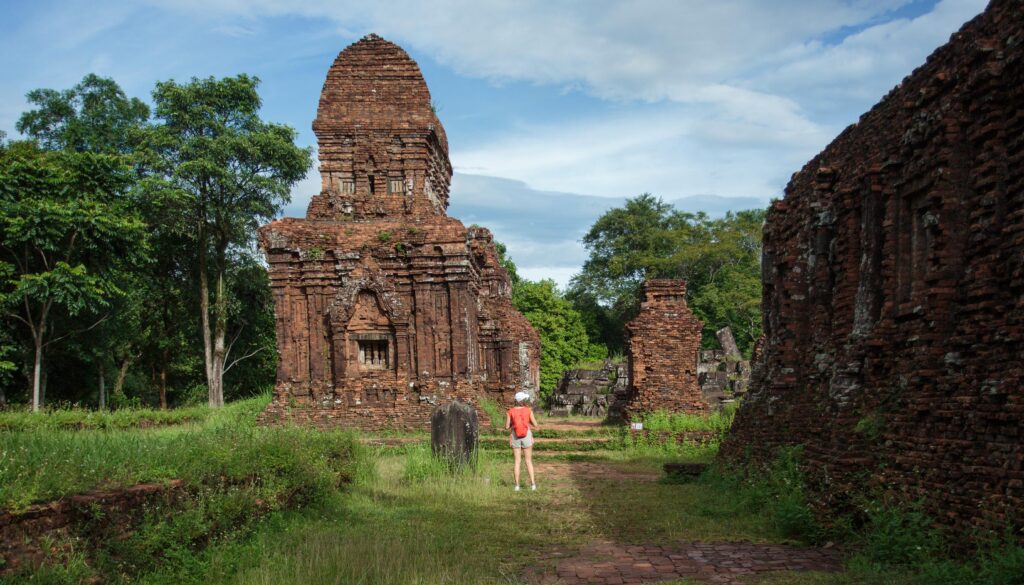
Nestled quietly against the mountains, My Son Sanctuary offers its own unique sense of stillness through ancient temple towers and the mystical atmosphere of Cham art and culture. It is not absolute silence, but rather a rhythm slow enough that people naturally begin to walk more softly, speak more quietly, and spend more time simply feeling — from the sound of wind brushing ancient bricks to the scent of rain-soaked grass and the cultural depth lingering within the heritage space.
An essential part of Return to Tranquility also lies within Da Nang’s museum system — places where visitors do not simply come to observe artifacts, but to slow down among moments of reflection and cultural memory in the heart of the city.
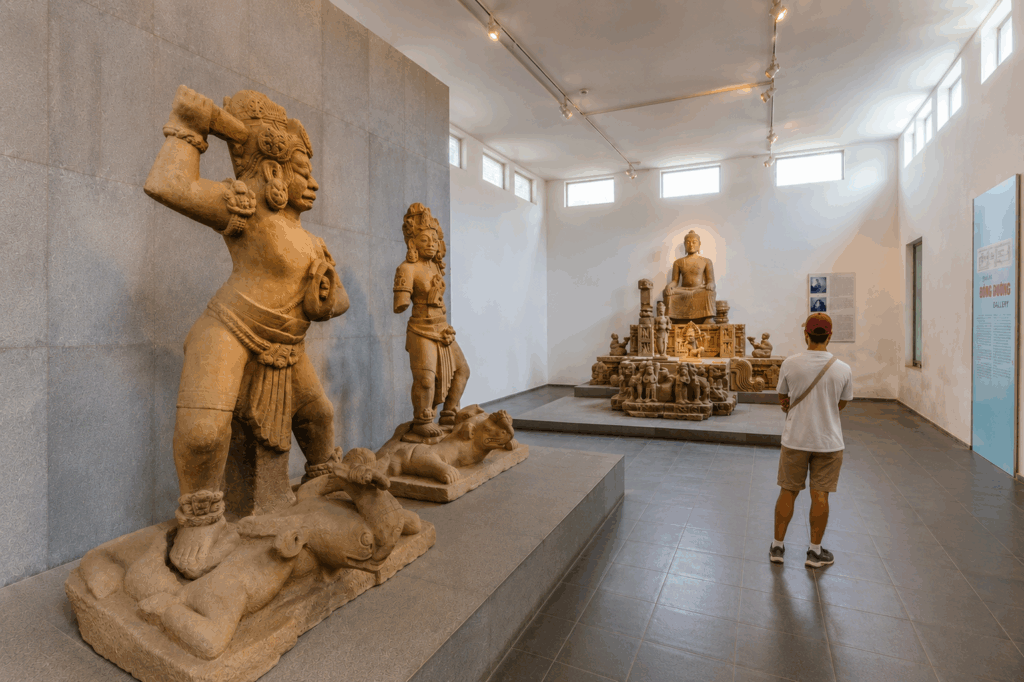
From Da Nang Museum of Cham Sculpture, Da Nang Fine Arts Museum, and Da Nang Museum to Dong Dinh Museum and the Non Nuoc Stone Sculpture Memory Museum, each space opens into a different rhythm of life — where visitors move slowly through exhibitions, listen to stories carried through time, and feel the depth of history, art, and community life that shaped the identity of the region.
Within quiet corridors, soft light, and unhurried observation, museums become more than places to visit — they become breathing spaces for body, mind, and spirit within modern urban life.
Hoi An Leading Asia’s Slow Travel Movement
As “slow travel” continues gaining popularity across Asia, Hoi An has been recognized by Agoda as one of the region’s most representative destinations for slow travel.
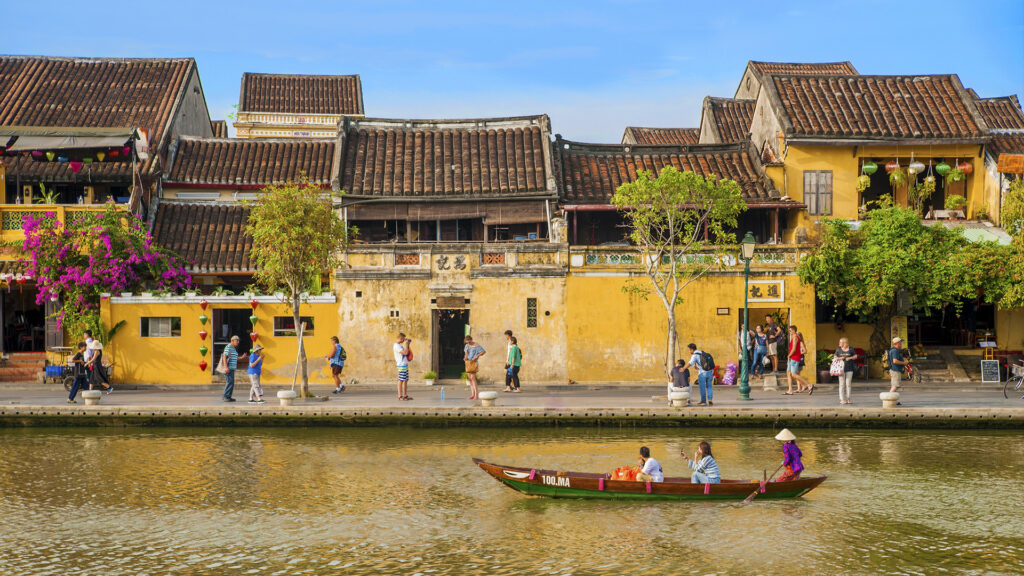
Rather than attracting visitors through vibrant nightlife or tightly packed itineraries, Hoi An captivates through its peaceful rhythm and cultural depth — where journeys are no longer about collecting destinations, but about reconnecting with local life and oneself.
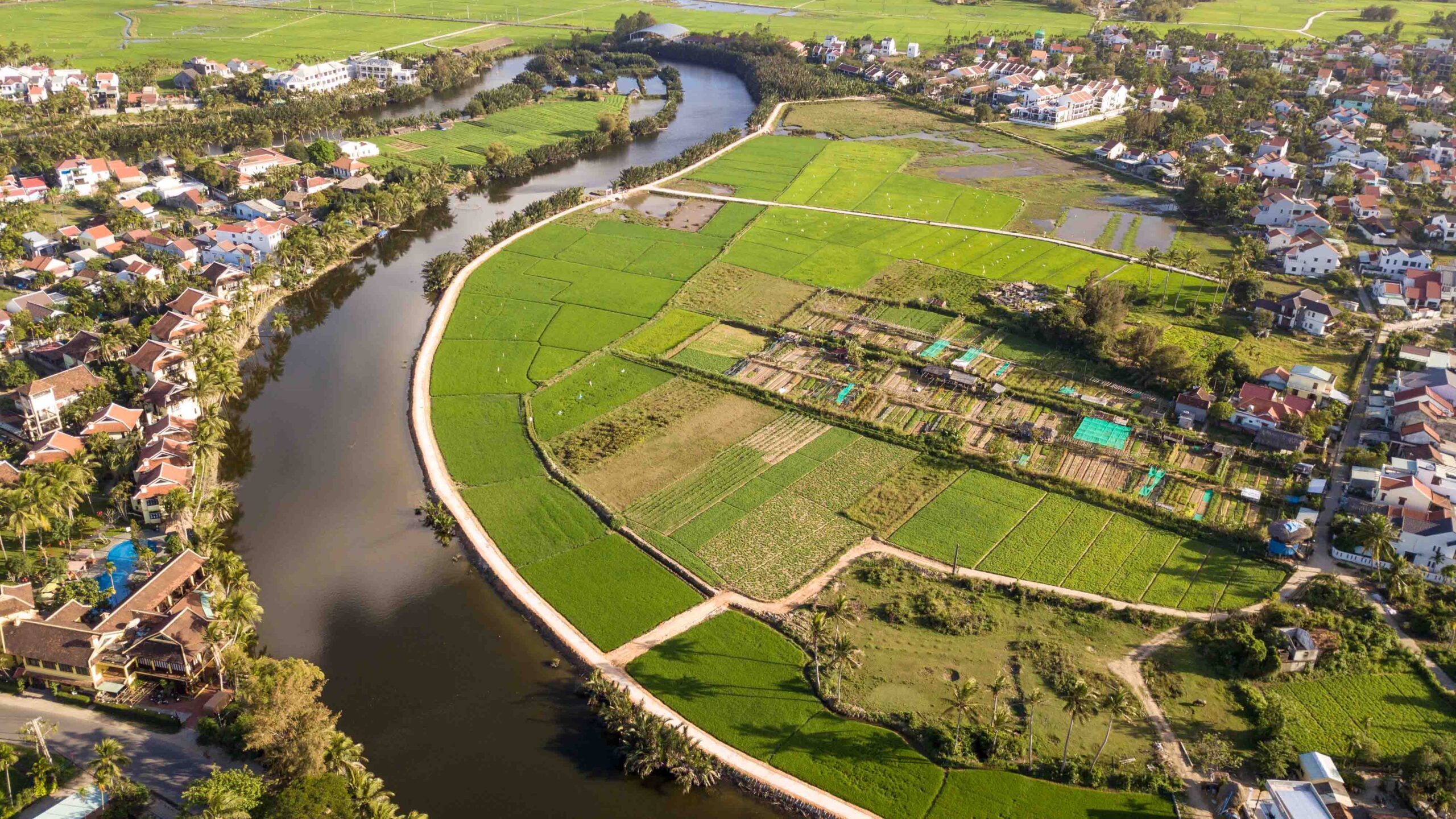
A day here may begin with a quiet walk through ancient streets touched by time, cycling through riverside villages scented with morning grass, listening to the gentle sound of oars along the Hoai River, or sitting for hours inside a small café beneath the warm golden lights of the old town.
These simple experiences are exactly what make visitors remember Hoi An — a place where people are allowed to slow down and truly feel every sound, every light, and every rhythm surrounding them.
Even as sunset touches the old tiled rooftops and lanterns begin to glow, Hoi An still preserves its unique stillness. It is a kind of tranquility that does not separate people from life, but instead helps them hear footsteps more clearly, feel the breath of the river, sense the rhythms of local residents, and reconnect with the quiet spaces within themselves.
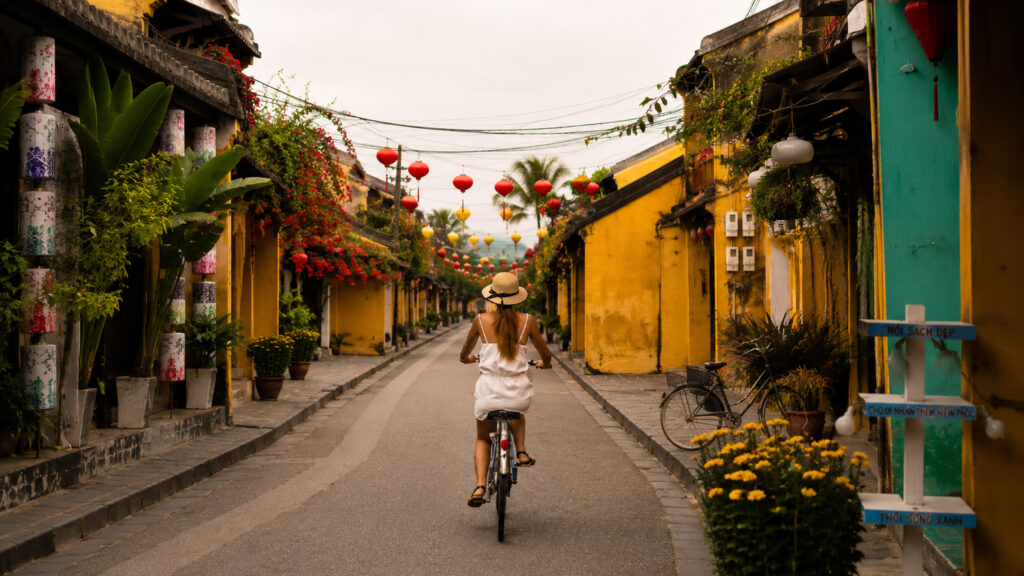
In a world moving increasingly faster, these moments of pause have become something many people long for — not only to rest, but to truly heal and reconnect with the authentic balance of body, mind, and spirit.
When Travel Becomes a Connection with Local Communities
The spirit of slow living also brings people closer to local values.
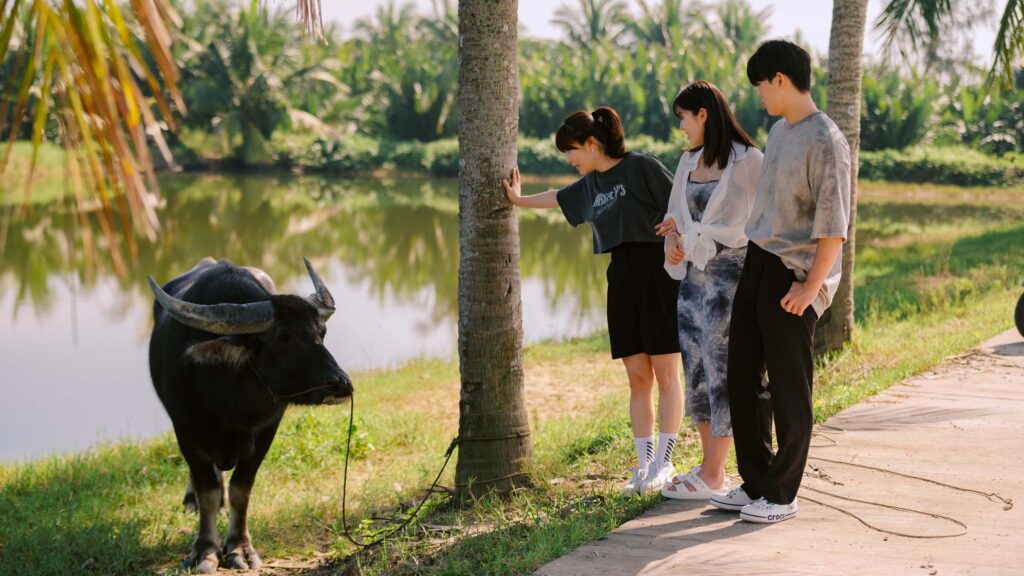
Rather than passing through quickly, many travelers now choose to stay longer in one place to better understand local life, culture, and people. They seek out traditional craft villages, local markets, community cultural spaces, and tourism experiences rooted in local communities.
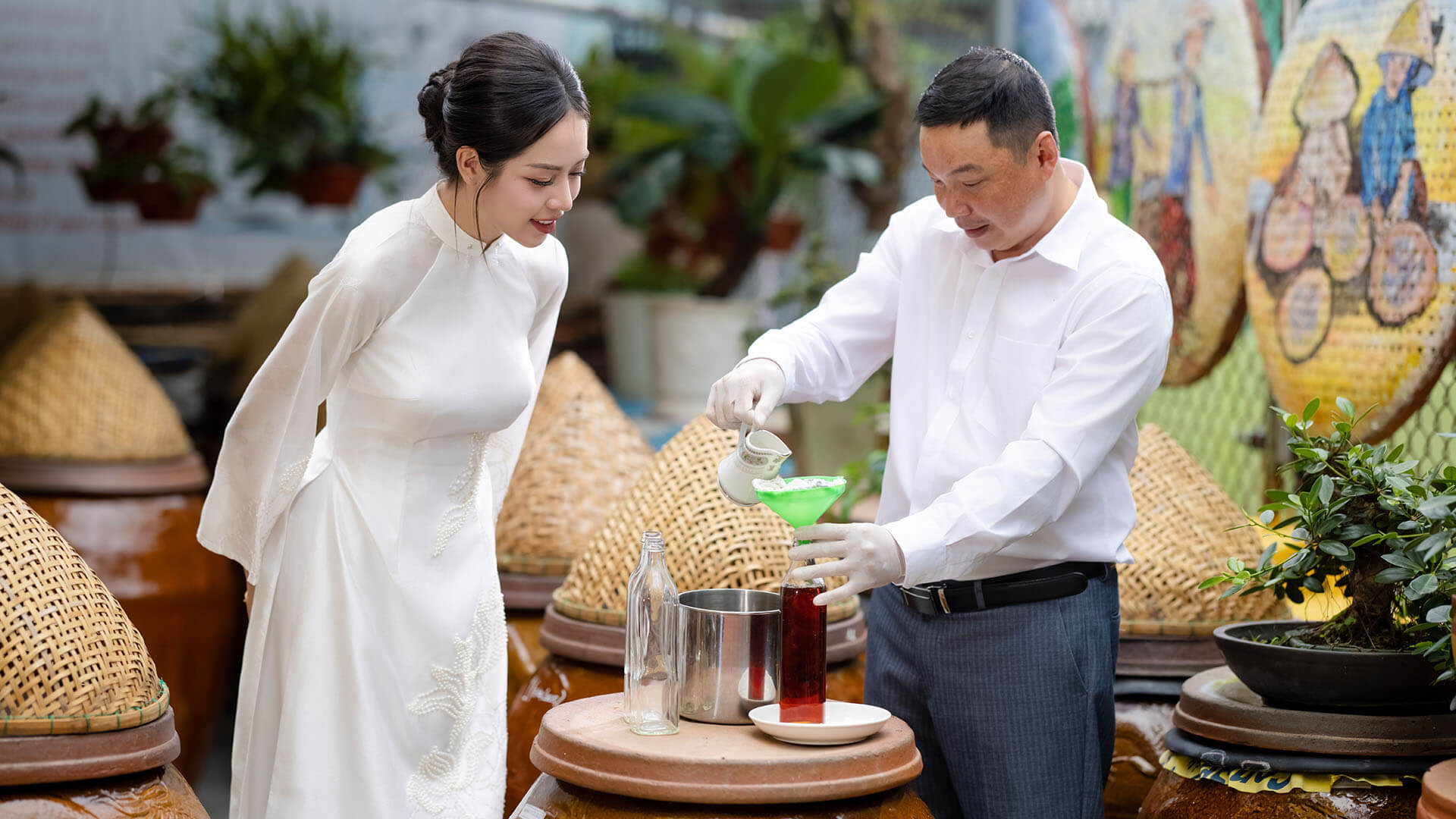
Across Da Nang, more community-based tourism models are being developed sustainably: riverside countryside experiences, traditional handicraft workshops, organic farming journeys, homestays with local families, and activities supporting the preservation of nature and cultural heritage.
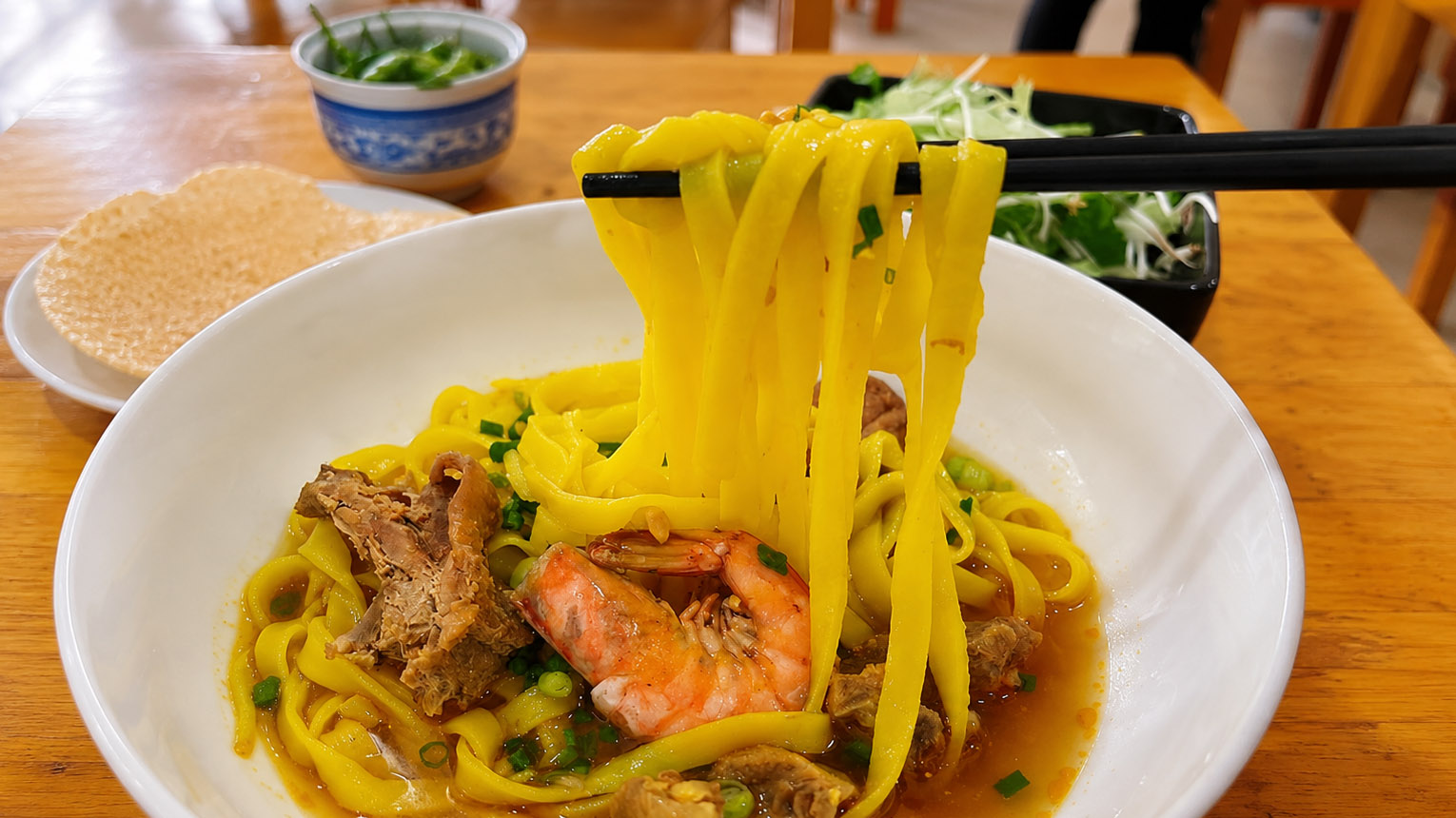
Here, travelers do not simply “visit” — they become part of the local rhythm of life. They listen to stories about traditional noodle-making, how local people protect forests and seas, and how small communities continue preserving their traditions amid the development of modern urban life.
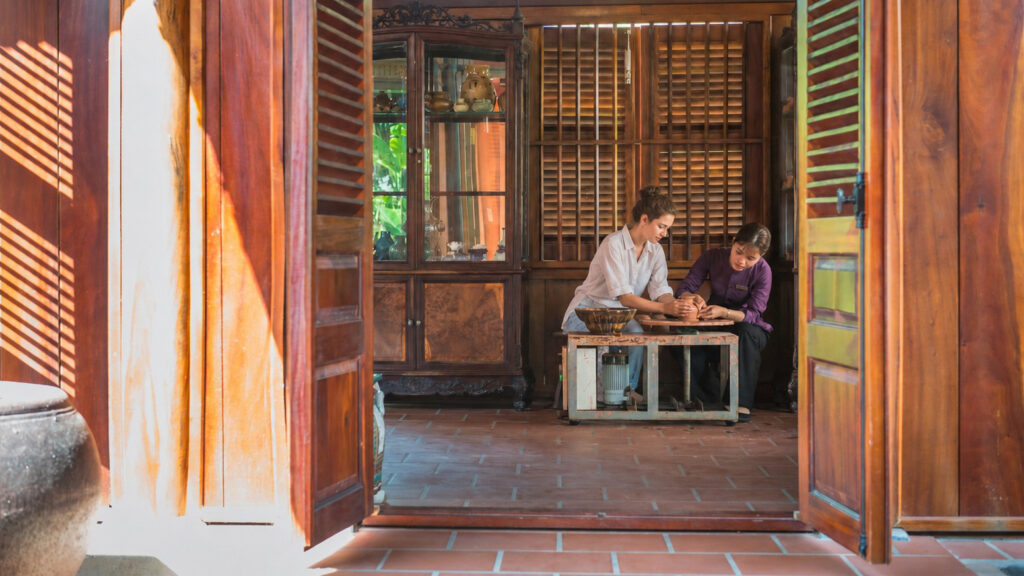
In this way, “Return to Origins” also becomes a journey of reconnecting with the authentic cultural values still alive within the everyday life of Quang culture.
When Cuisine Becomes Gentle Healing for the Soul
Within the spirit of slow living, cuisine is no longer simply about eating — it becomes part of a journey toward balance between body, mind, and spirit.
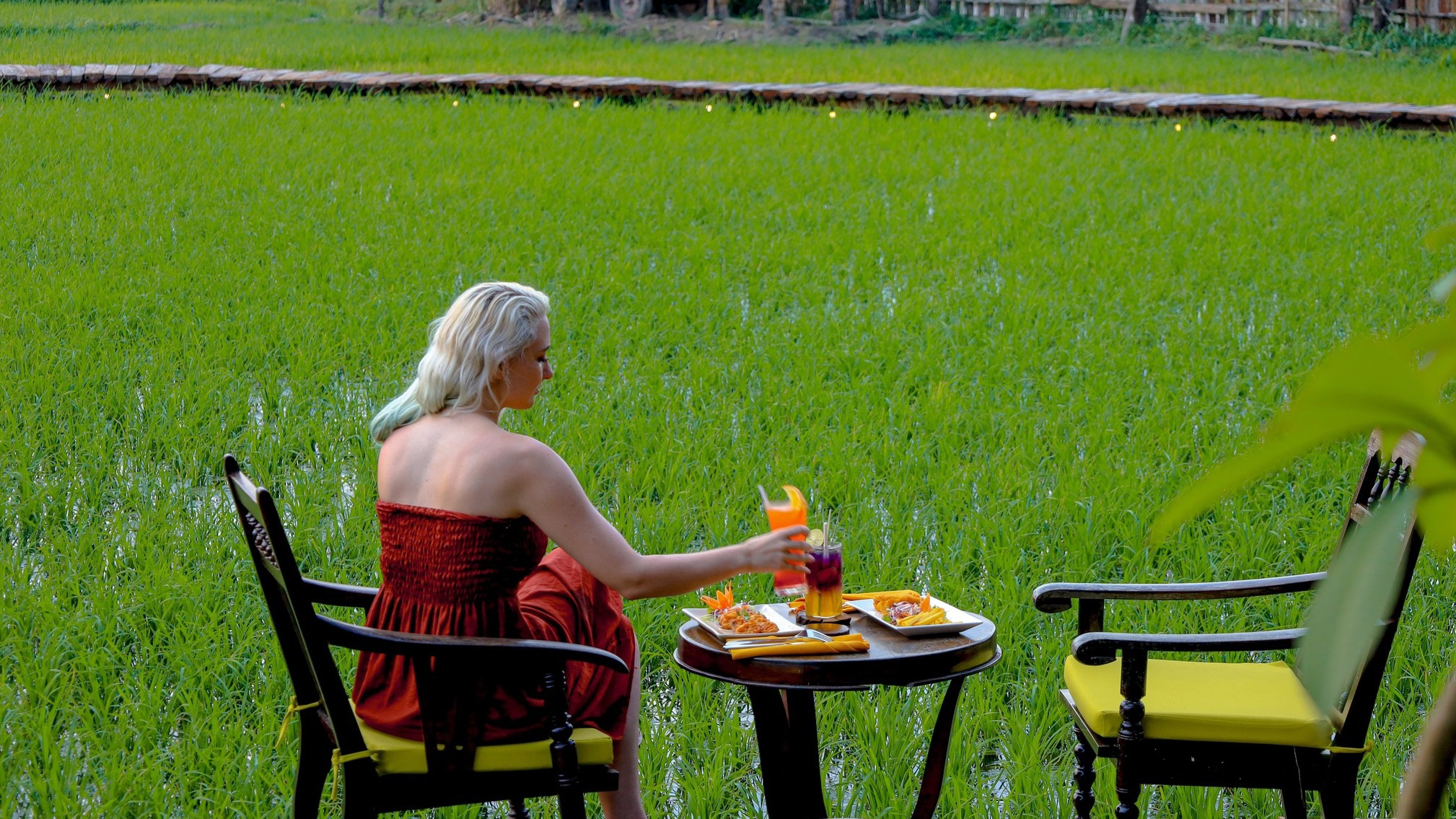
More travelers are searching for healthy, organic, and nature-connected meals. Organic gardens, seasonal menus, vegetarian cuisine, mindful dining, and healing café spaces are gradually becoming new “Return to Palate” touchpoints in Da Nang.
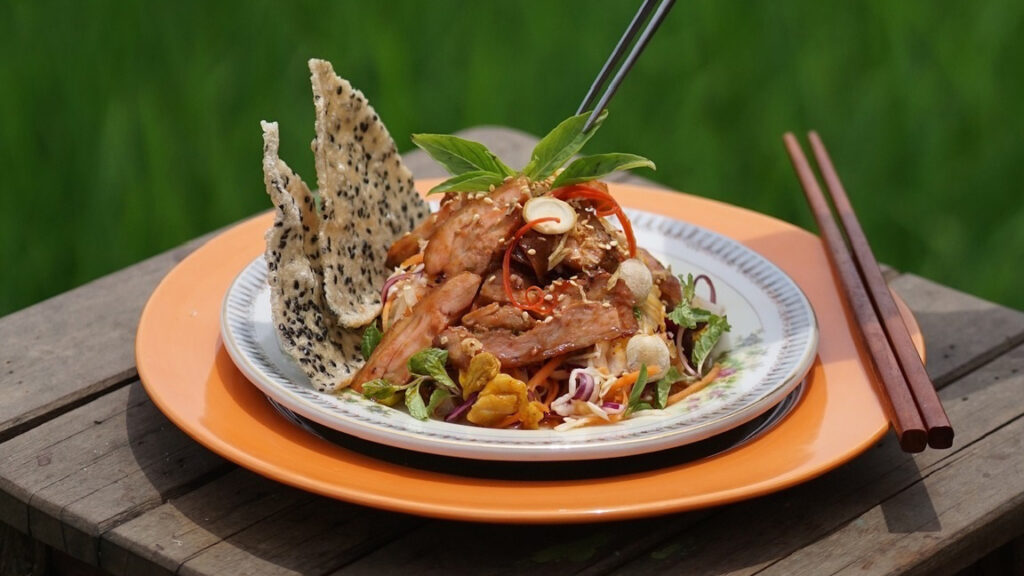
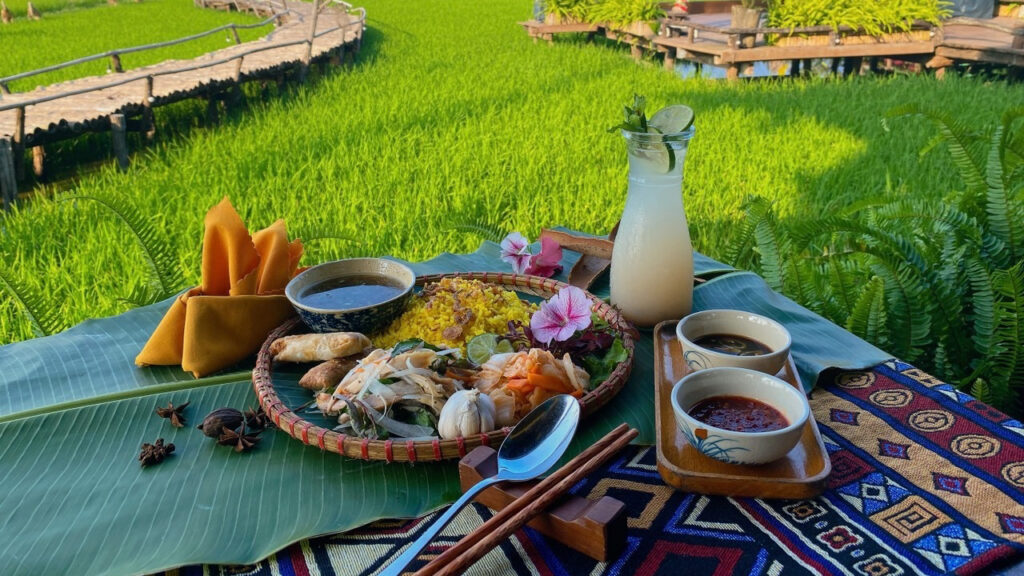
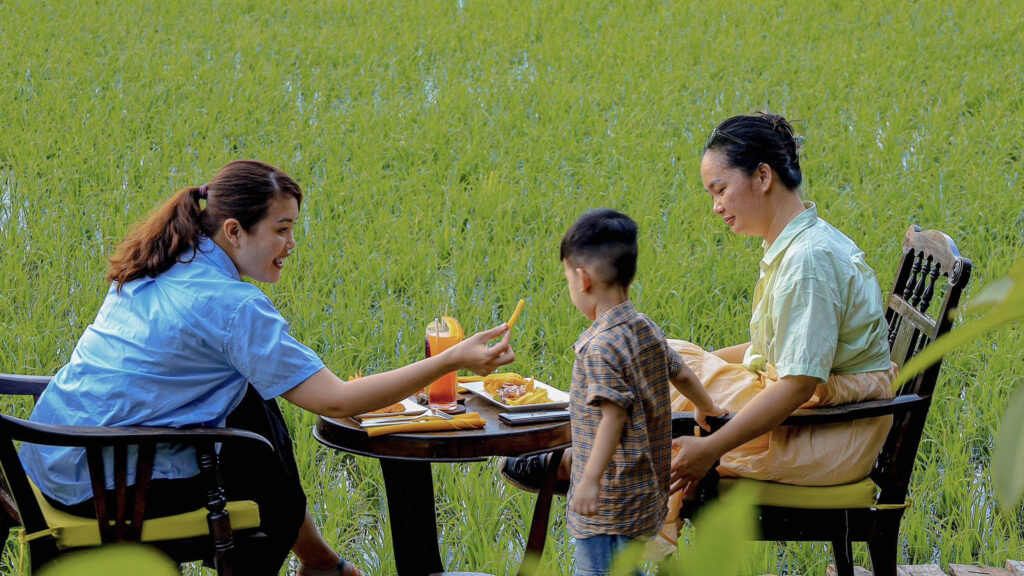
A vegetarian meal within a green garden, a cup of herbal tea in a quiet space, or dishes crafted from local ingredients are not designed for extravagance, but for creating a sense of lightness for both body and soul.
Here, people eat more slowly. Feel more deeply. And spend more time reconnecting with themselves through every flavor.
Within the spirit of “Return to Origins”, cuisine does not simply awaken the senses — it gently nourishes emotions and opens pathways toward inner balance.
Return to Origins – A Path Toward Meaningful and Sustainable Tourism
Slow travel is no longer simply a tourism trend. It is gradually becoming a new development direction for destinations around the world — where value is measured not by visitor volume or short-term growth, but by the depth of experience and long-term sustainability.
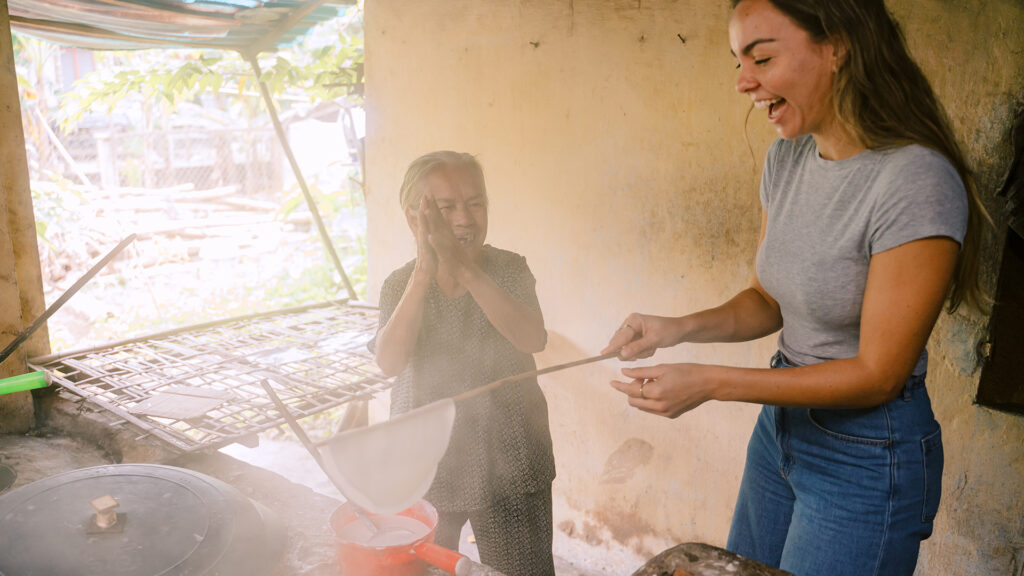
Da Nang is also moving steadily in this direction. Rather than encouraging travelers to simply visit more places, the city is focusing on journeys that inspire visitors to stay longer, feel more deeply, and invest more in high-quality experiences.
This reflects a new economic perspective of slow travel: less movement, deeper spending. Travelers spend more time on wellness, healing retreats, cultural experiences, local cuisine, green products, and community-based activities. The value of travel no longer lies in rapid consumption, but in emotional connections deep enough to create lasting and meaningful memories.
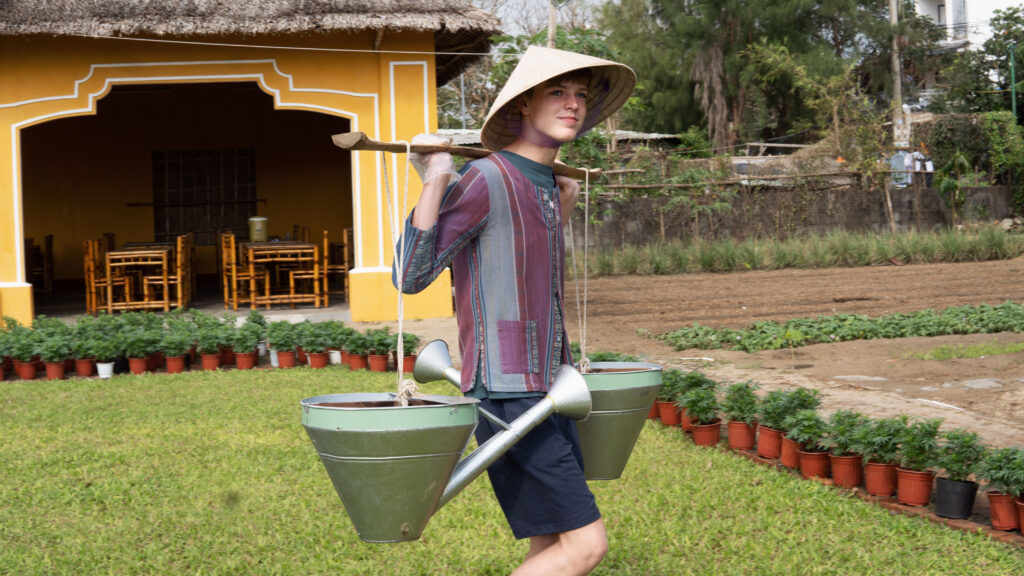
Within this journey, “Return to Origins” is no longer simply a tourism campaign. It is gradually becoming the development spirit of the destination itself — an approach centered on emotional depth, harmony between people, nature, and culture, and more responsible journeys for both the environment and local communities.
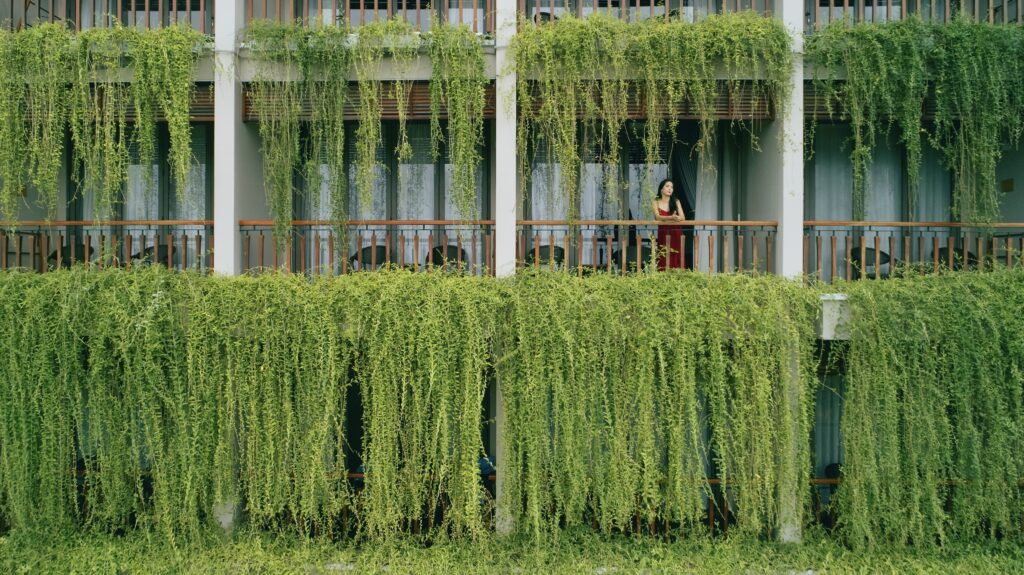
Because sometimes, after all the movement and noise of life, what people truly need is not to travel farther — but to find a place peaceful enough to return to the most authentic version of themselves.
DA NANG TOURISM PROMOTION CENTER