















From the perspective of The New York Times, Hoi An emerges as a destination that feels both familiar and refreshingly new, where layers of experience unfold naturally within a single setting. Recently, the renowned U.S. newspaper introduced the itinerary “36 Hours in Hoi An,” offering a way to fully explore the ancient town within a short yet richly layered timeframe.
Hoi An is not only defined by its timeworn rows of historic houses, but also by the seamless interplay of culture, cuisine and contemporary life. As the day begins, visitors can leisurely wander through narrow streets, stopping by craft shops, tailor stores and traditional markets to feel the rhythm of local life. As night falls, the Thu Bon River becomes the focal point, where lantern lights shimmer on the water, creating a romantic and distinctive scene rarely found elsewhere.
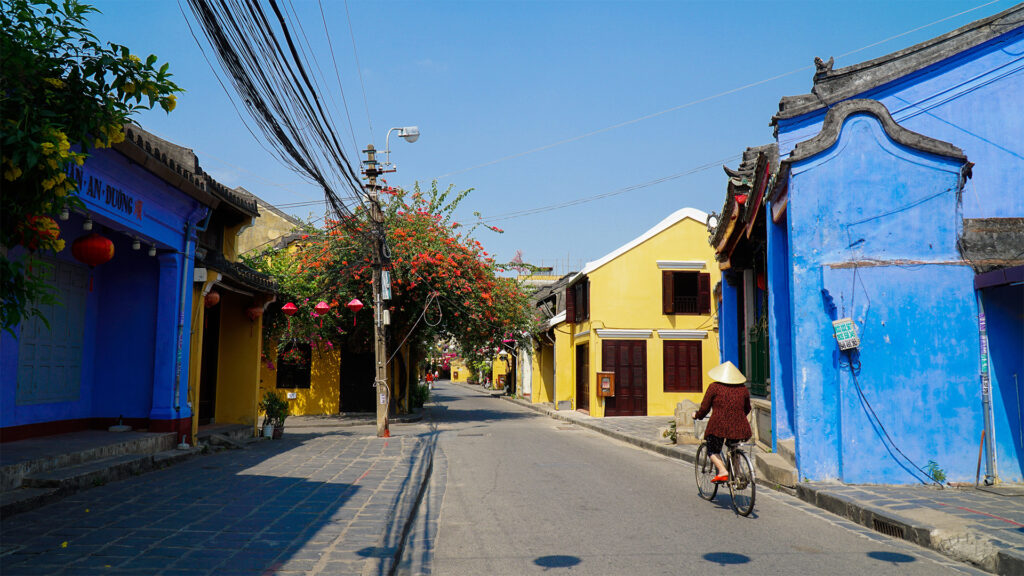
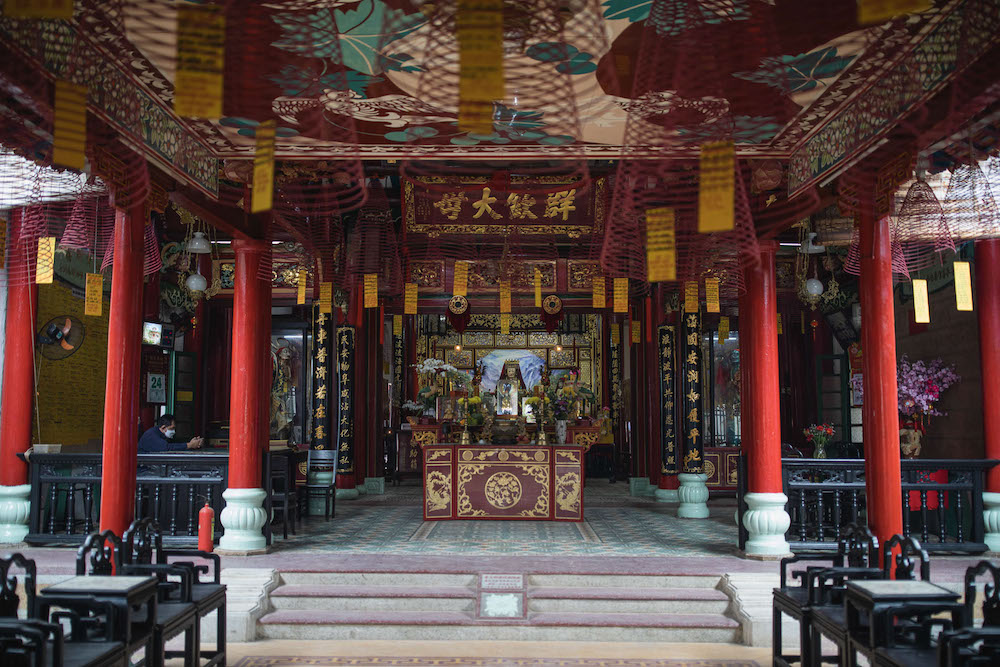
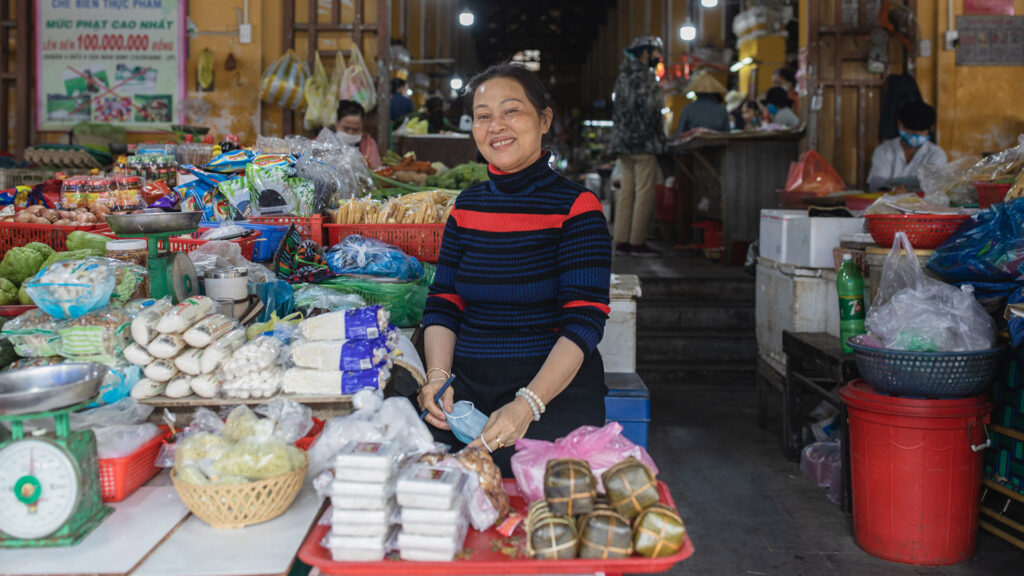
The journey begins in the compact Old Town, easily explored on foot. From Hoi An Market, with its 19th-century food court that still preserves a strong local atmosphere, the route continues to museums and assembly halls reflecting historical trade links with Japan, China and Southeast Asia. Ancient houses such as Duc An and Quan Thang are not merely relics but are still preserved by descendants of former merchants, offering a vivid glimpse into the life of a once-thriving trading port. The iconic Japanese Covered Bridge, with over 400 years of history, stands as a symbol of cultural convergence within the ancient town.
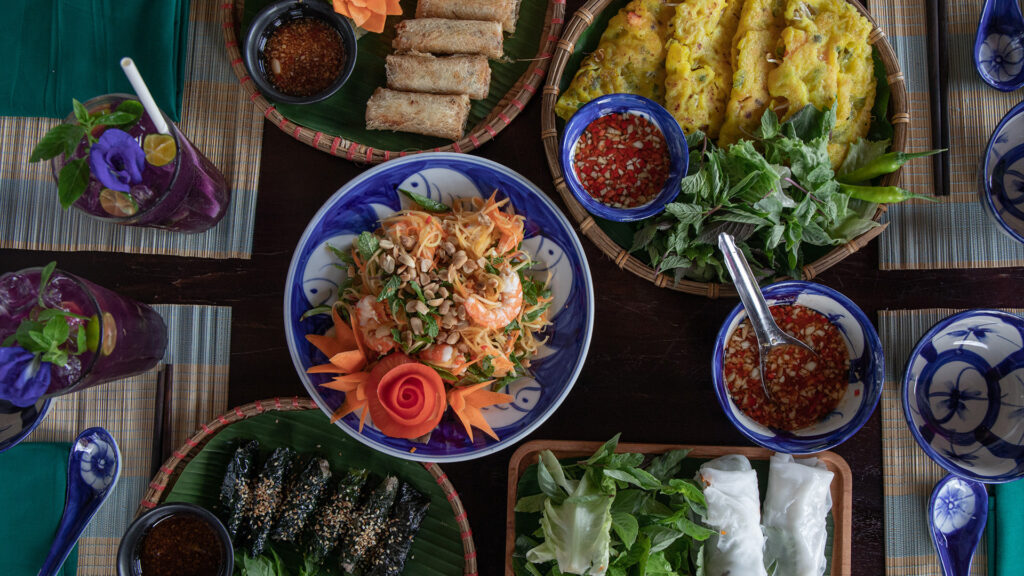
Hoi An’s cuisine is portrayed as a parallel journey alongside spatial exploration. Signature dishes such as cao lau, chicken rice and “white rose” dumplings are not only enjoyed for their flavors but are deeply connected to cultural and historical contexts. A bowl of cao lau, with marinated pork, chewy noodles, crispy pork skin and fresh herbs, clearly reflects the fusion of Chinese, Japanese and Vietnamese influences. Places like Cao Lau Ba Le and the Quan Thang ancient house become spaces where gastronomy and heritage intertwine.
Beyond tradition, the article highlights contemporary culinary and creative experiences. At Mua – meaning “season” – diners can enjoy a 15-course tasting menu in an open-air setting by a lake, where local ingredients are reinterpreted through modern techniques. Restaurants like tok. further expand culinary boundaries by combining Vietnamese ingredients with European techniques, set against open views of rice fields.
Cultural experiences are also brought into focus through Hoi An Lune Center, where the Teh Dar show blends circus, contemporary dance and Central Highlands culture inside a bamboo dome theater. Rotating basket boats, gong music and mask imagery evoke stories of the life cycle, creating a highly artistic experience.
Hoi An’s space extends beyond the Old Town to quieter surrounding areas. In Tra Que vegetable village, cafés such as Café Slow offer tranquil settings among green gardens, where visitors can start the day with birdsong and gentle breezes. Cultural spaces like An Nhàn and traditional craft workshops further enrich the experience, connecting visitors with local life.
The sea also plays an important role in the journey. Near sunset, as the daytime heat softens, visitors can immerse themselves in cool waters and admire the misty layers between the Marble Mountains and Son Tra Peninsula, forming a watercolor-like landscape. Instead of crowded beaches, the article suggests more tranquil spaces where nature remains largely untouched.
As night falls, Hoi An becomes lively in its own unique way. Lantern lights, the river and a slow-paced rhythm create an atmosphere that is both romantic and contemplative. Small bars, riverfront rooftops and dining spaces along the river reveal an expanding nighttime experience.
The journey concludes with calming experiences such as tea ceremonies. In a quiet setting, each type of tea is brewed multiple times with evolving flavors, reflecting the depth of Vietnamese tea culture. This is not just an activity, but a way to experience Hoi An in its most tranquil state.
Hoi An’s continued presence in The New York Times is not merely a destination feature, but an “experience script” presented on a globally influential platform. With the “36 Hours” format, the article not only inspires but also sketches out a clear, concise journey—where visitors can easily imagine starting the day in the Old Town, savoring local cuisine, exploring craft villages, and ending with an evening by the Hoai River or in a contemporary art space.
This approach transforms Hoi An from just a name into a journey one can step into—where international travelers can clearly visualize where to go, what to experience and how to begin. From a media perspective, the appeal lies not in packaging a rigid itinerary, but in presenting each experience as flexible suggestions—clear enough to guide, yet open enough for travelers to shape their own rhythm.
The ripple effect from The New York Times also creates strong resonance. From a single original article, content can be quoted, shared across social media, and retold by global travel platforms and communities, expanding reach to high-spending travelers seeking unique experiences. As travelers increasingly rely on trusted sources for decision-making, such presence acts as a form of “media endorsement” for the destination.

Notably, the 36-hour journey is not confined within a single ancient town, but suggests a broader experiential structure—where Hoi An naturally connects with the sea, countryside and neighboring destinations across Central Vietnam. This opens opportunities to develop extended itineraries, lengthen stays and enhance experiential value.
Within this flow, Hoi An is not only seen as a well-preserved heritage site, but as a living heritage—where every layer of experience, from culture and cuisine to contemporary life, contributes to its unique appeal. And when this story is told on a global platform, the traveler’s journey no longer begins upon arrival, but from the very moment they read and imagine Hoi An.
DA NANG TOURISM PROMOTION CENTER