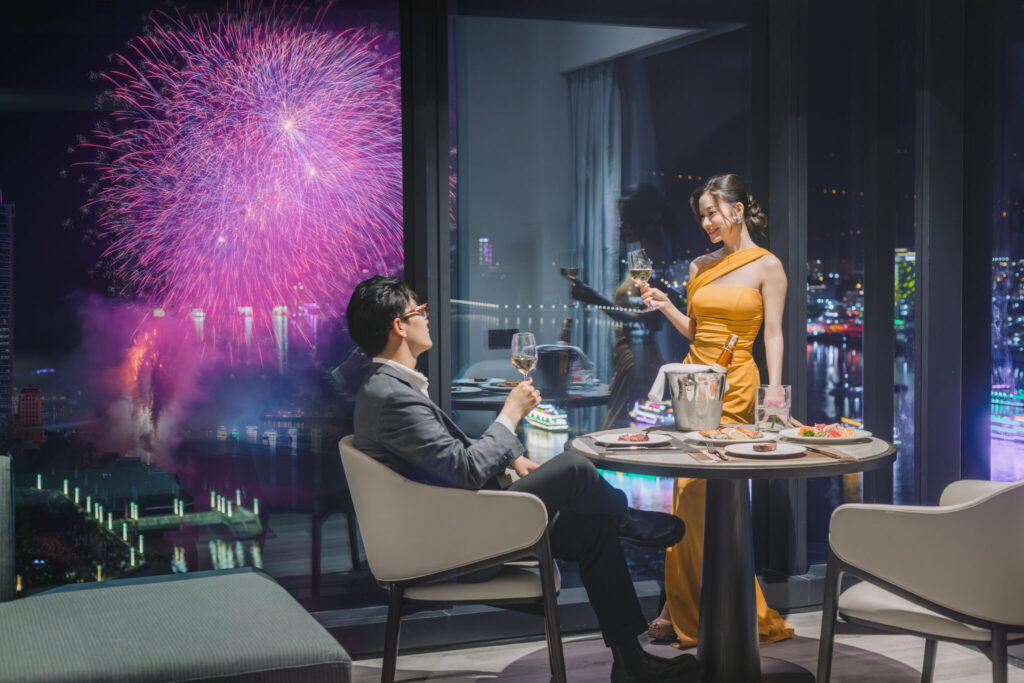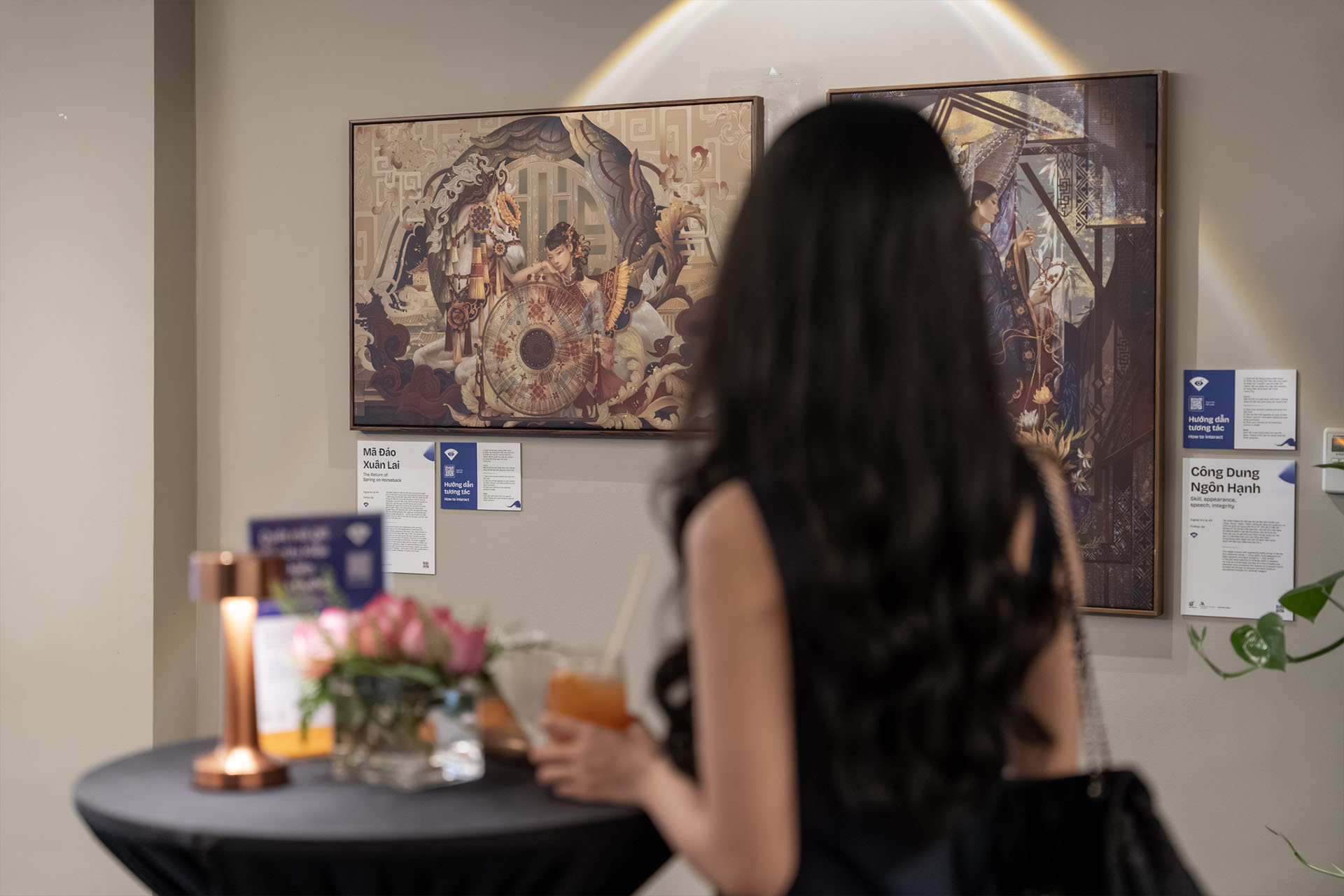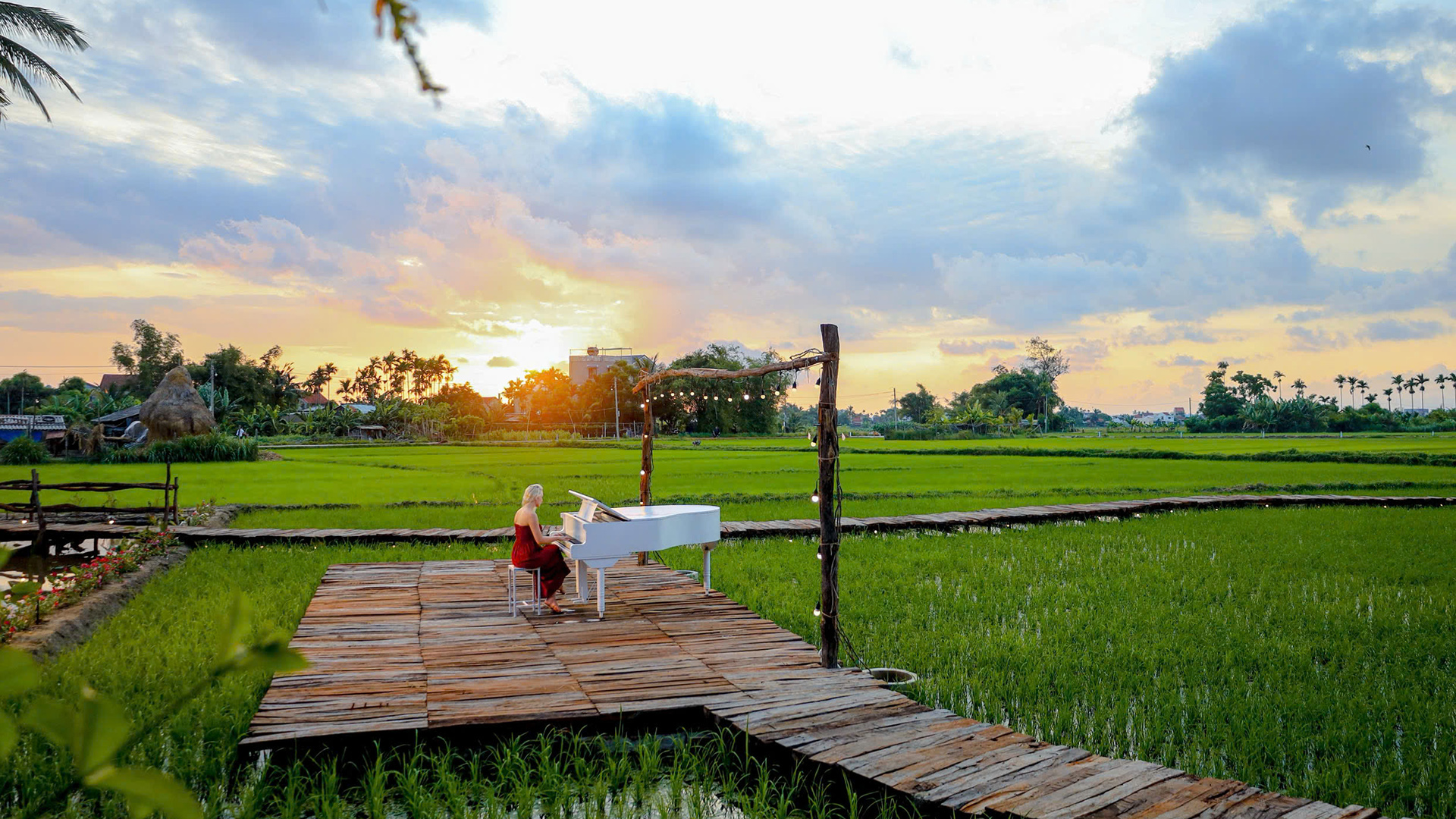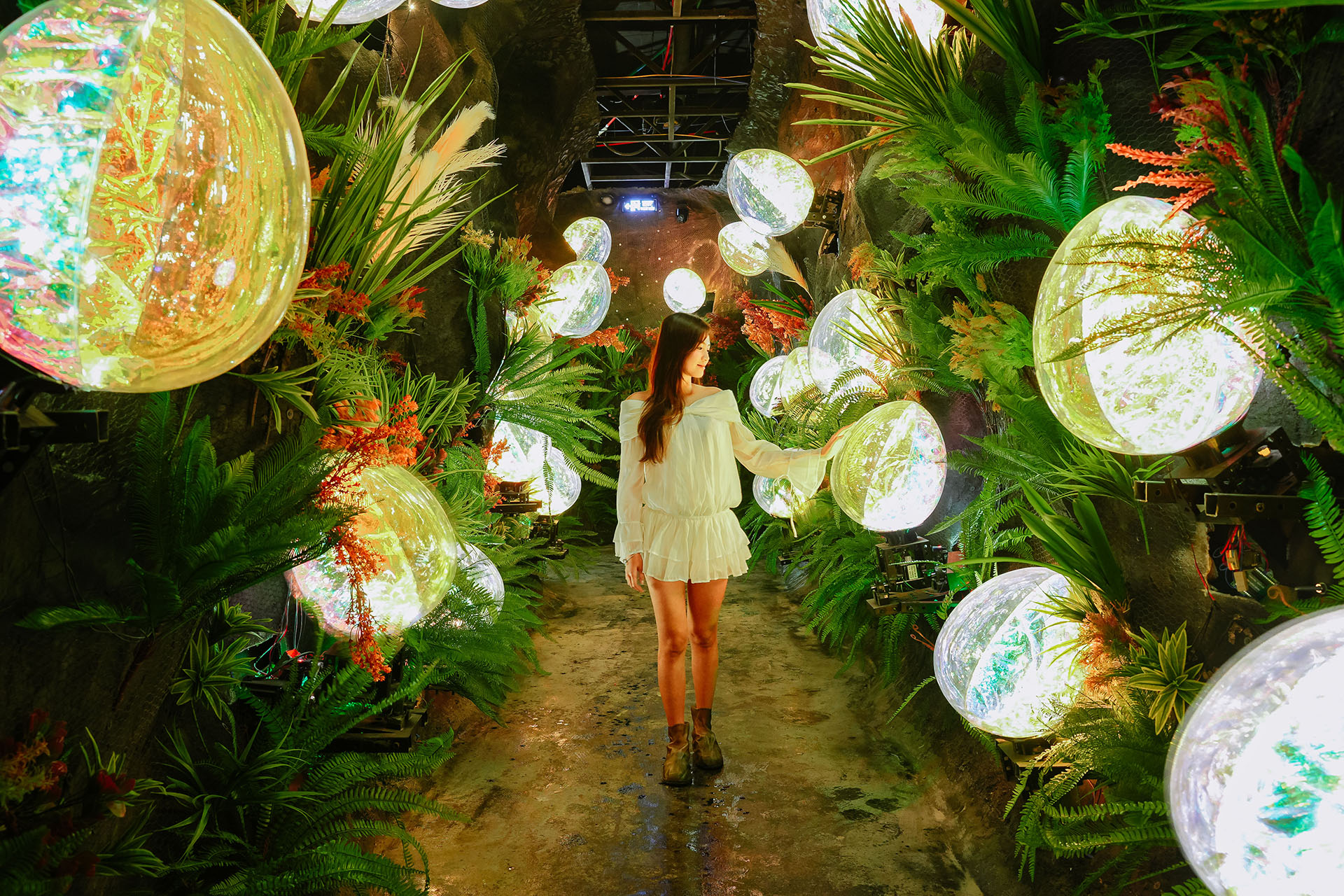
















Each time Lunar New Year arrives, Hoi An dresses its ancient streets in a very distinctive springtime charm—spreading through every alley, rooftop, and familiar rhythm of daily life. The town’s timeless beauty remains intact, yet it is gently awakened by the fresh energy of spring: bright, tender, and rich with emotion.
So what makes Hoi An such an enduringly attractive destination during Lunar New Year? Below are the unique hallmarks that invite visitors to fully live each moment, touch the spirit of Vietnamese Tết, and feel the rhythm of spring flowing through the heart of the ancient town.
Touching early spring at Cam Ha kumquat gardens
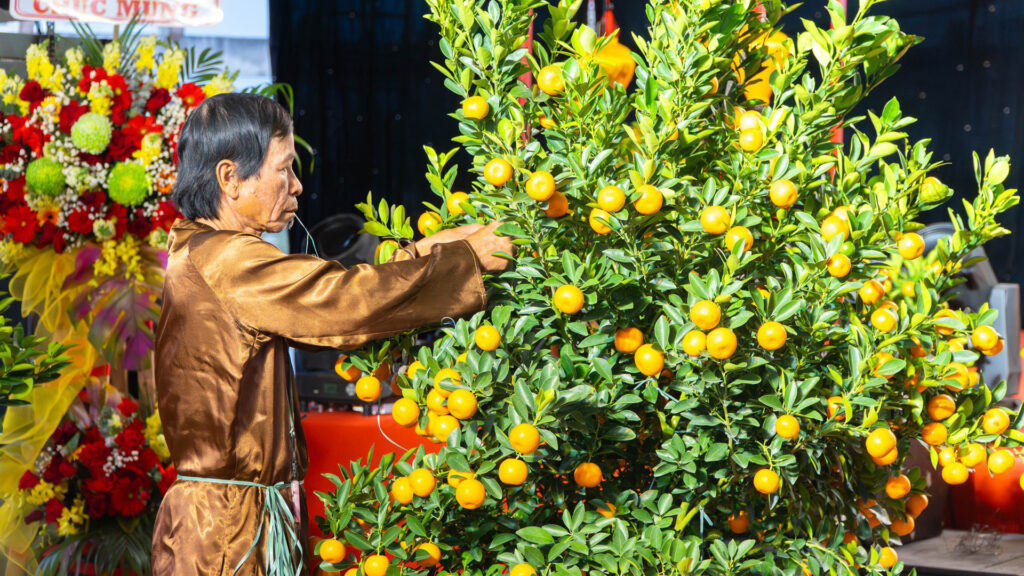
Cam Ha kumquat gardens are not only the source of iconic Tết ornamental trees but also where spring first arrives in Hoi An. Wandering among rows of golden kumquat trees, amid the lively chatter of gardeners and traders, visitors can clearly sense that Tết is just around the corner—simple, fresh, and full of life.
Each year, the gardens become even more vibrant with the Kumquat Festival, where visitors can experience the traditional craft of kumquat growing, choose trees for Tết decoration, and enjoy local specialties such as kumquat jam and kumquat wine—bringing the full spring atmosphere of Hoi An home with them.
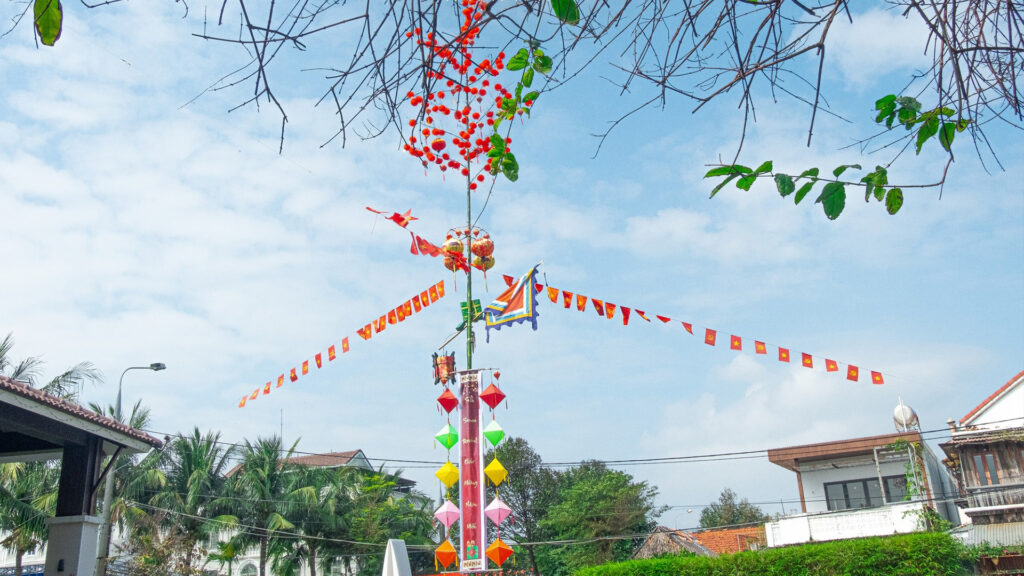
Discovering the tradition of erecting the New Year’s bamboo pole
On the 25th day of the last lunar month each year, Hoi An remembers a very special moment: more than 50 communal houses, temples, shrines, churches, as well as restaurants and hotels simultaneously erect the New Year’s bamboo pole to welcome Tết. From sacred spaces to contemporary life, this traditional ritual spreads throughout the town, creating a festive scene that is both solemn and lively—rarely found elsewhere.
Through the decorations on each bamboo pole, visitors can sense the community’s wishes for peace, prosperity, and happiness in the new year—simple yet enduring values preserved across generations.
Praying for peace at the beginning of the year
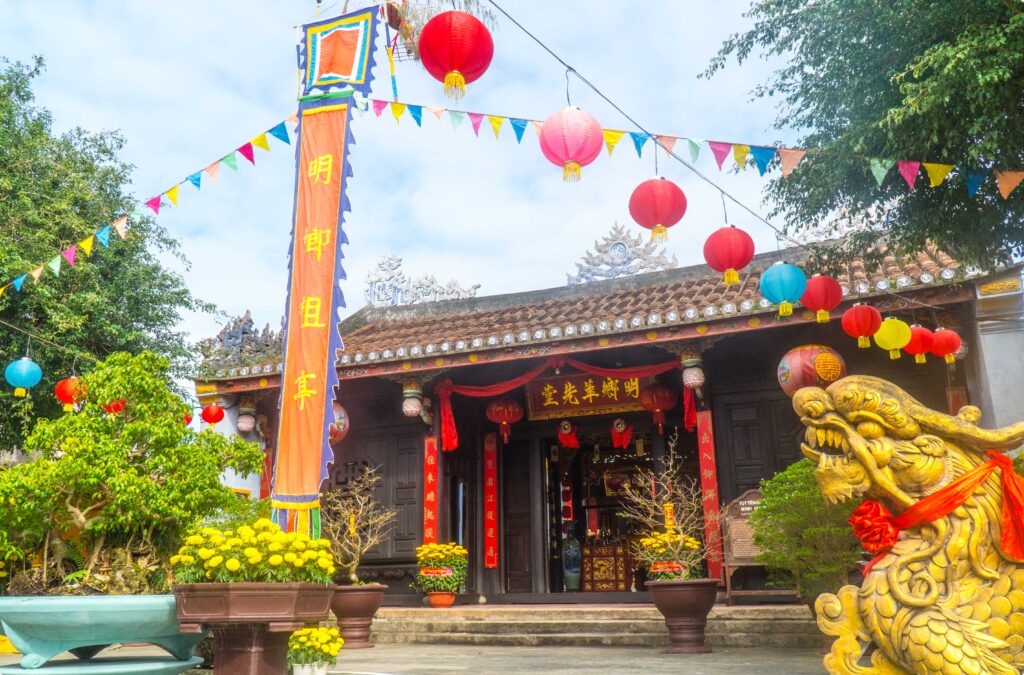
At Lunar New Year, visiting pagodas is a long-standing cultural tradition of Hoi An residents. During Tết, pagodas across the town open their doors for locals and visitors alike to offer incense, pay respects, and stroll in contemplation. Near the ancient town, visitors can visit Ong Pagoda, Phap Bao Pagoda, and various Chinese assembly halls.
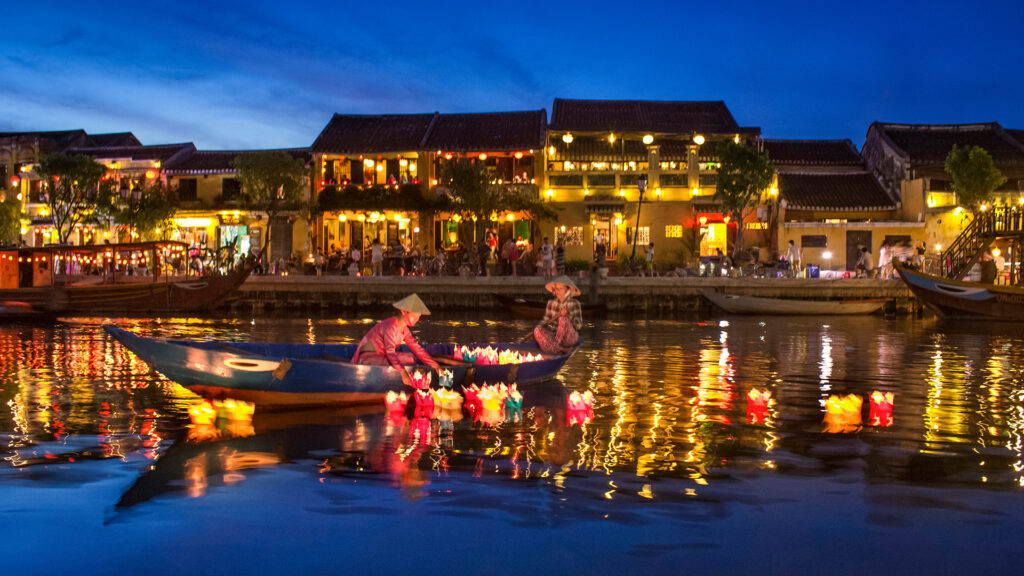
Another beloved early-year ritual is releasing floating lanterns on the Hoai River. As night falls, softly drifting lanterns carry wishes for peace, creating a moment of quiet reflection amid the ancient town. The combination of temple visits and lantern releasing offers a gentle way to welcome the new year—with serenity and a sense of wholeness.
Immersing in Tết festivals and traditional arts
Hoi An during Tết holds a special allure thanks to its rich mix of cultural, artistic, and folk experiences unfolding day and night. The ancient town glows with spring flowers and lanterns, as yellow chrysanthemums, marigolds, apricot blossoms, kumquat trees, and bougainvillea line the streets.
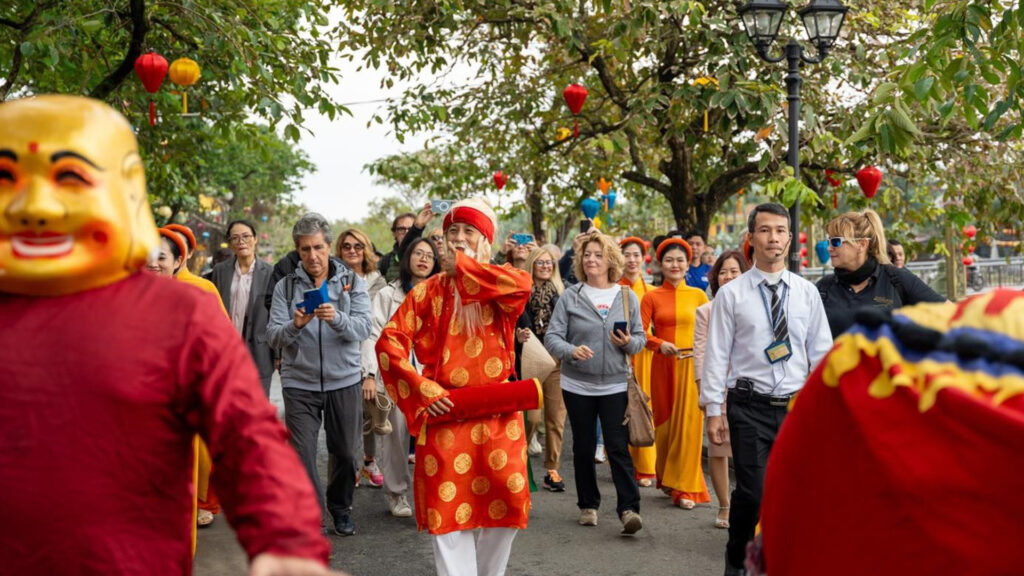
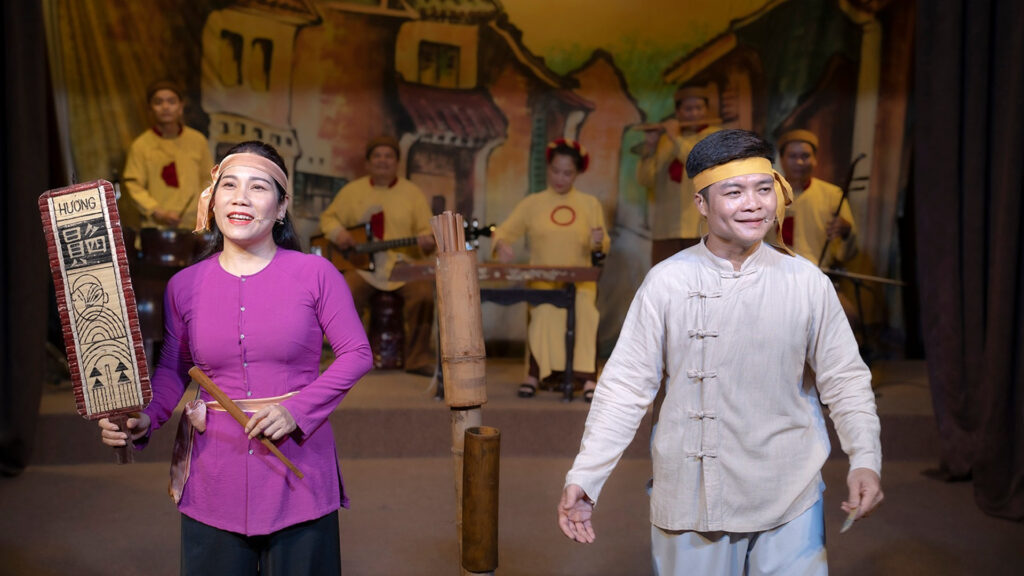
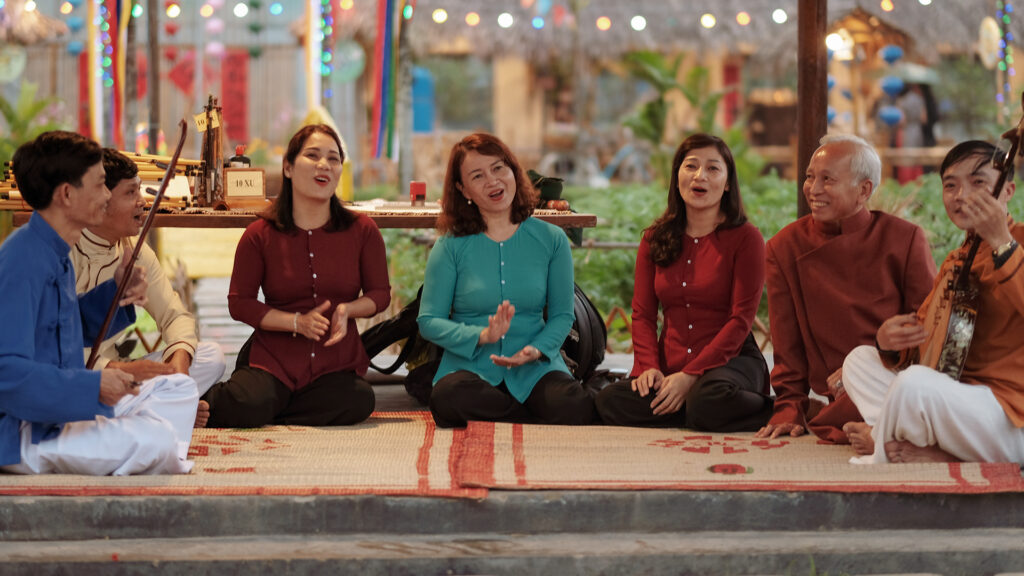
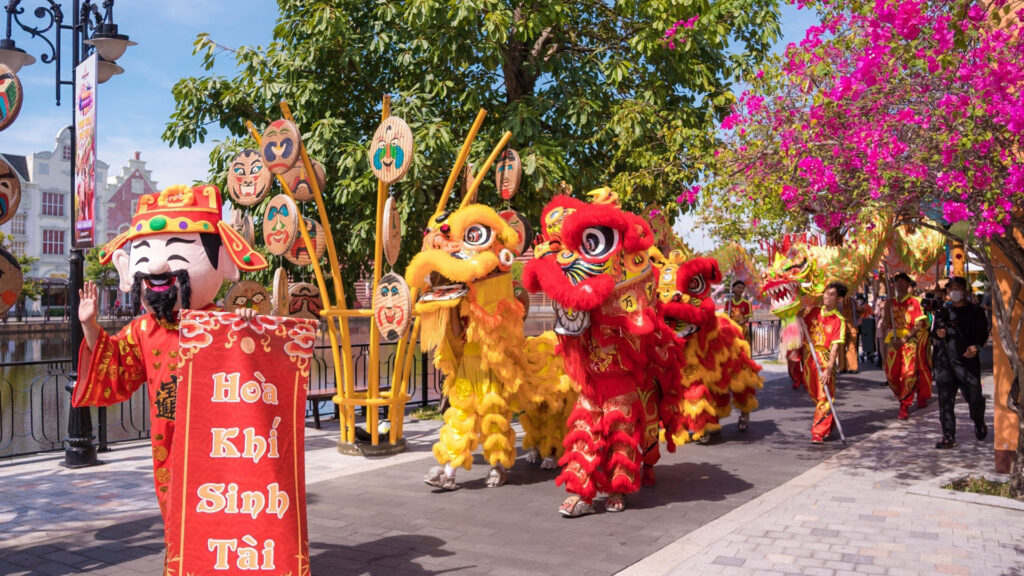
New Year’s Eve comes alive with the Sac Bua blessing procession, joyful Bai Choi singing, energetic Lion–Dragon dances, and lantern releases on the Hoai River to send wishes into the new year. Interwoven with this rhythm are craft-village festivals such as the Kim Bong Carpentry Ancestors’ Ceremony, the Tra Que Vegetable Village Cau Bong Festival, the Lantern Festival, and familiar folk games—together creating a Hoi An Tết that is both vibrant and warmly intimate.
Strolling through heritage spaces, feeling the life of the old town
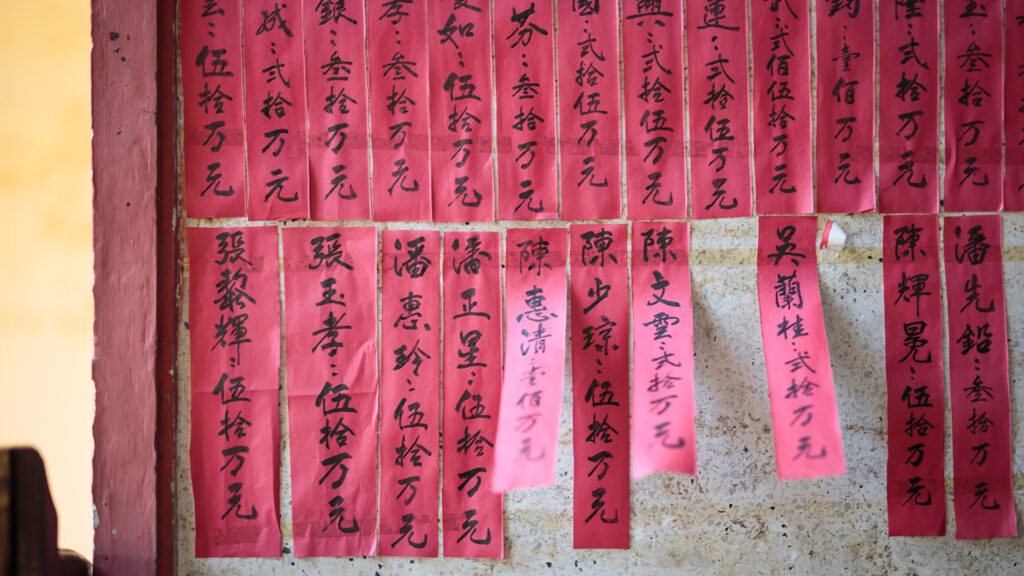
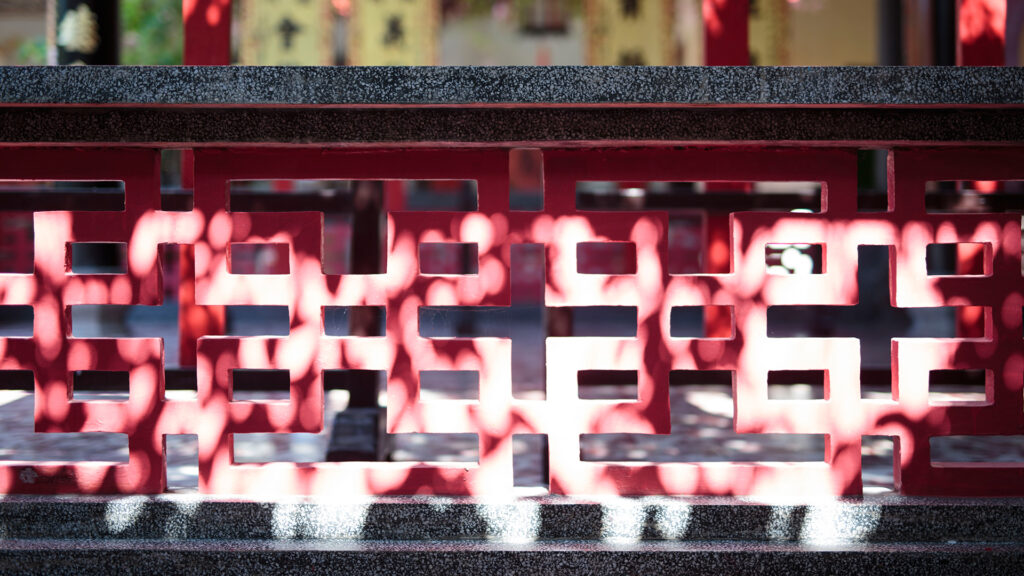
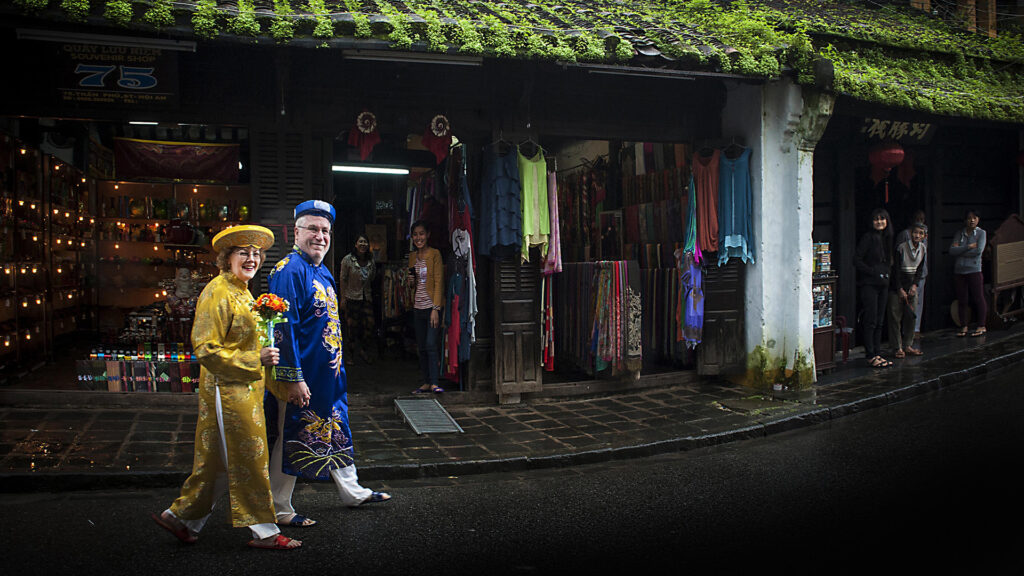
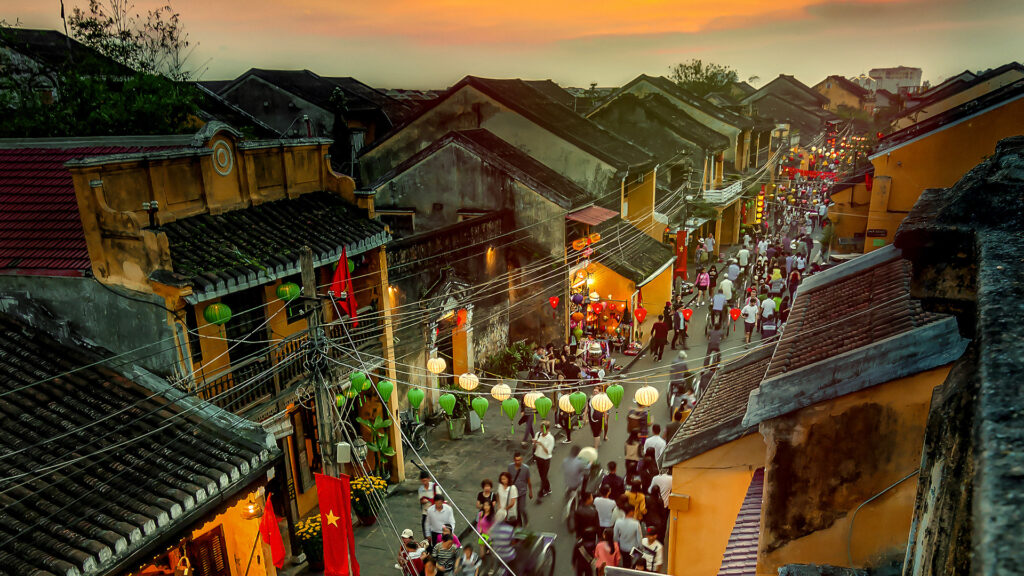
During Tết, exploring Hoi An becomes more contemplative when visiting ancient houses, assembly halls, temples, and pagodas. Familiar spaces are adorned with lanterns, fresh flowers, and red couplets, creating an atmosphere that is both solemn and welcoming.
Visitors can leisurely walk past century-old houses, pause at Chinese assembly halls, or visit temples for early-year sightseeing—feeling the harmony between historic architecture, spiritual life, and the gentle pace of spring. It is a quiet journey that reveals the layered spaces and cultural depth of Hoi An during Tết.
Welcoming spring through the rhythm of craft villages
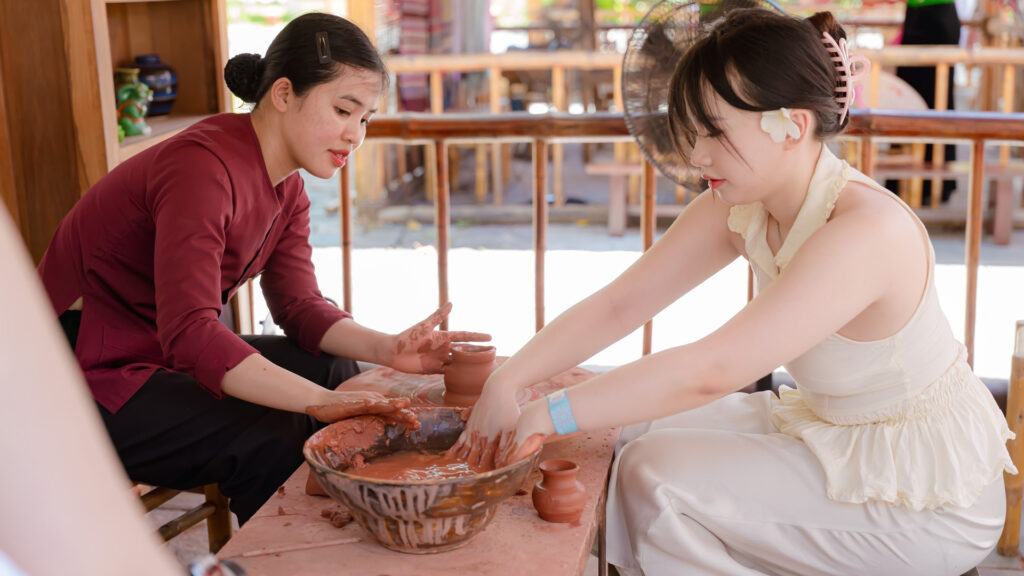
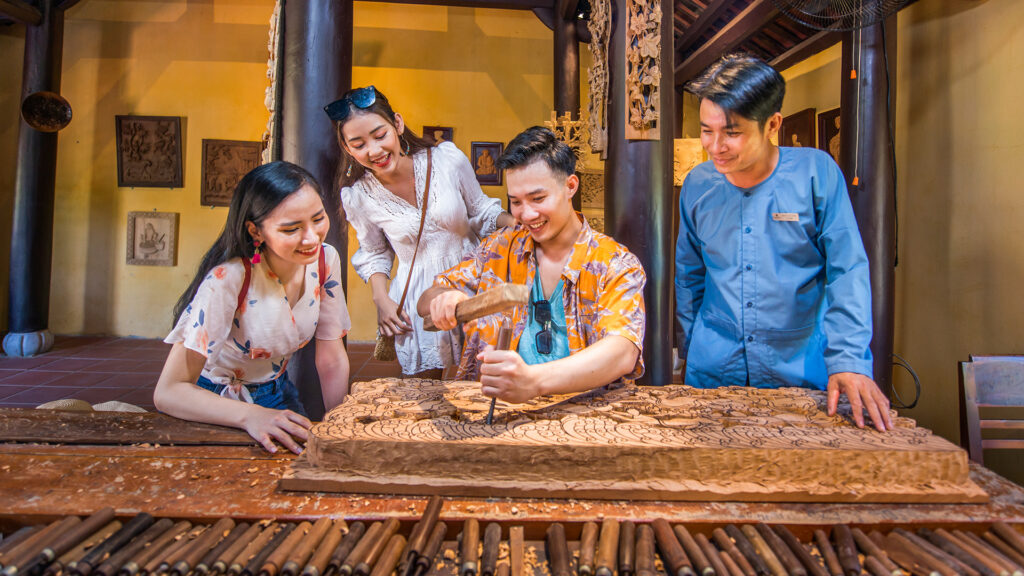
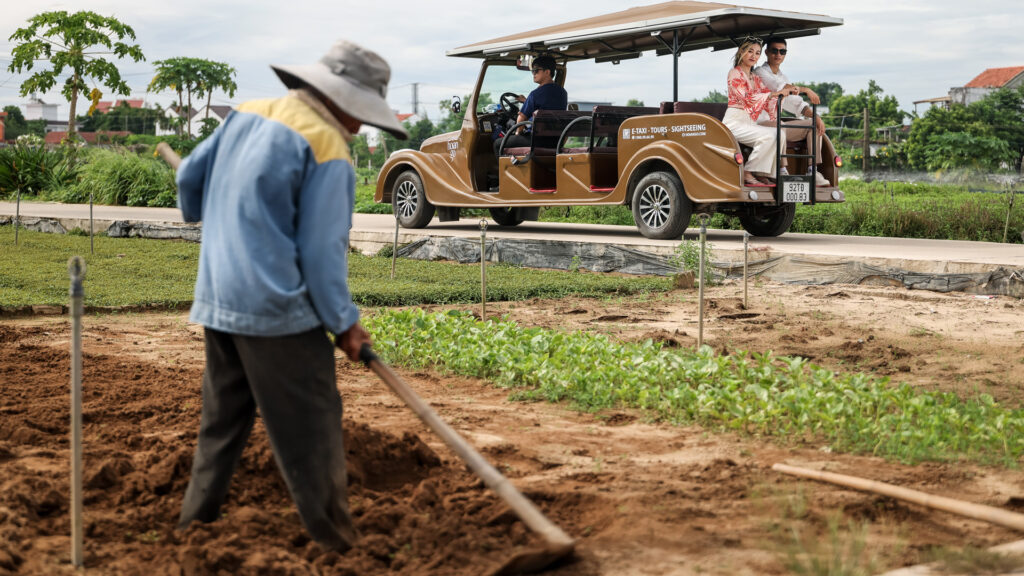
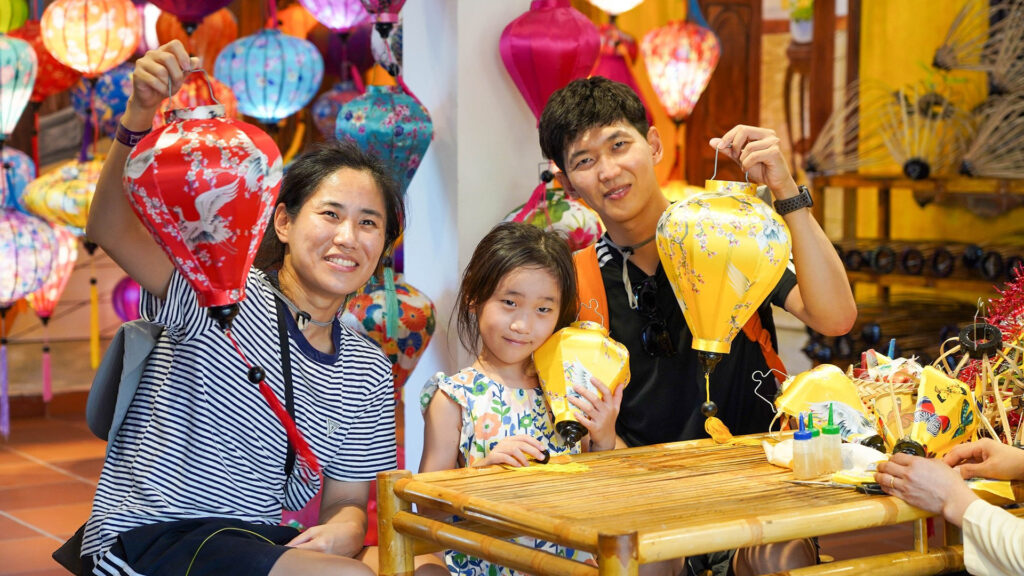
A Tết journey in Hoi An feels complete with visits to signature craft villages such as Thanh Ha Pottery Village, Kim Bong Carpentry Village, and Tra Que Vegetable Village. Each offers a different rhythm of life—from shaping clay and carving wood to the fragrance of herbs carried by the spring breeze.
During Tết, villages become livelier with exhibitions and hands-on workshops where visitors can create their own keepsakes. In Tra Que, early-year gardening and tasting fresh herbs add to the experience. From pottery and woodcarving to planting and tending vegetables, each activity tells a gentle, heartfelt story of Hoi An culture in the first days of the new year.
Savoring the full flavors of Hoi An Tết cuisine
Tết in Hoi An is deeply felt through familiar flavors. Dishes such as mi Quang, cao lau, chicken rice, white rose dumplings, banh xeo, and sweet soups become even more meaningful in the early-year atmosphere, tied to family gatherings and wishes of good fortune.
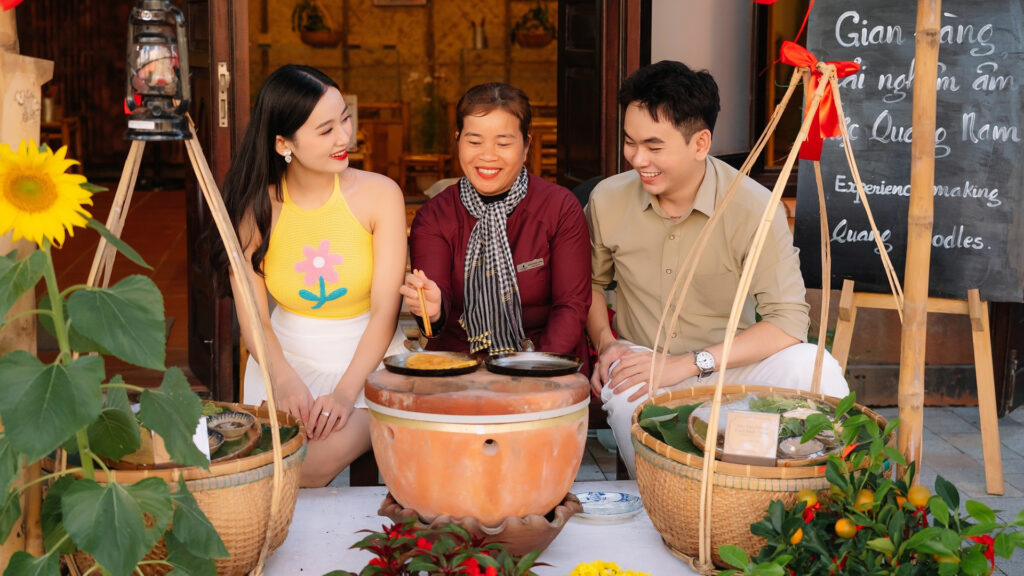
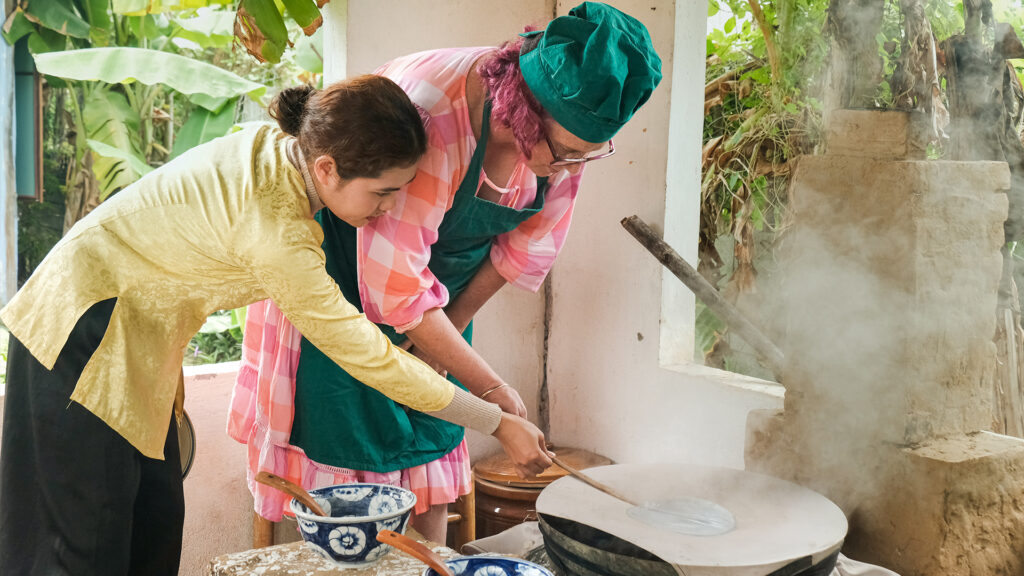
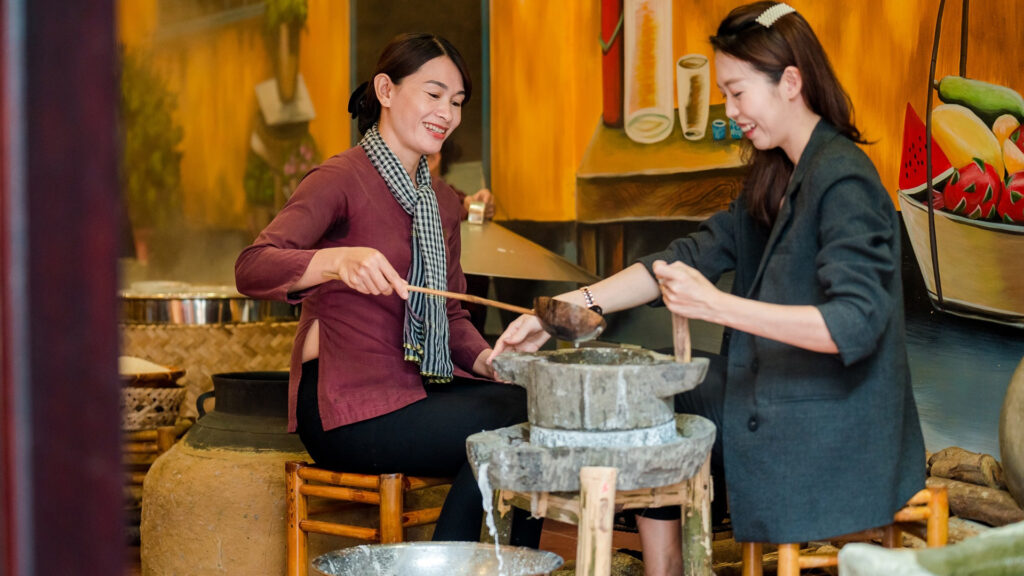
Local Tết treats—kumquat preserves, Hoi An banh in, banh to, banh chung, and banh thuan—are widely available at experience spaces and Tết markets. Strolling the streets, stopping by shops open throughout the holidays, and enjoying freshly prepared dishes amid the gentle pace of the town allow visitors to experience Hoi An Tết with all their senses—subtle, refined, and lingering.
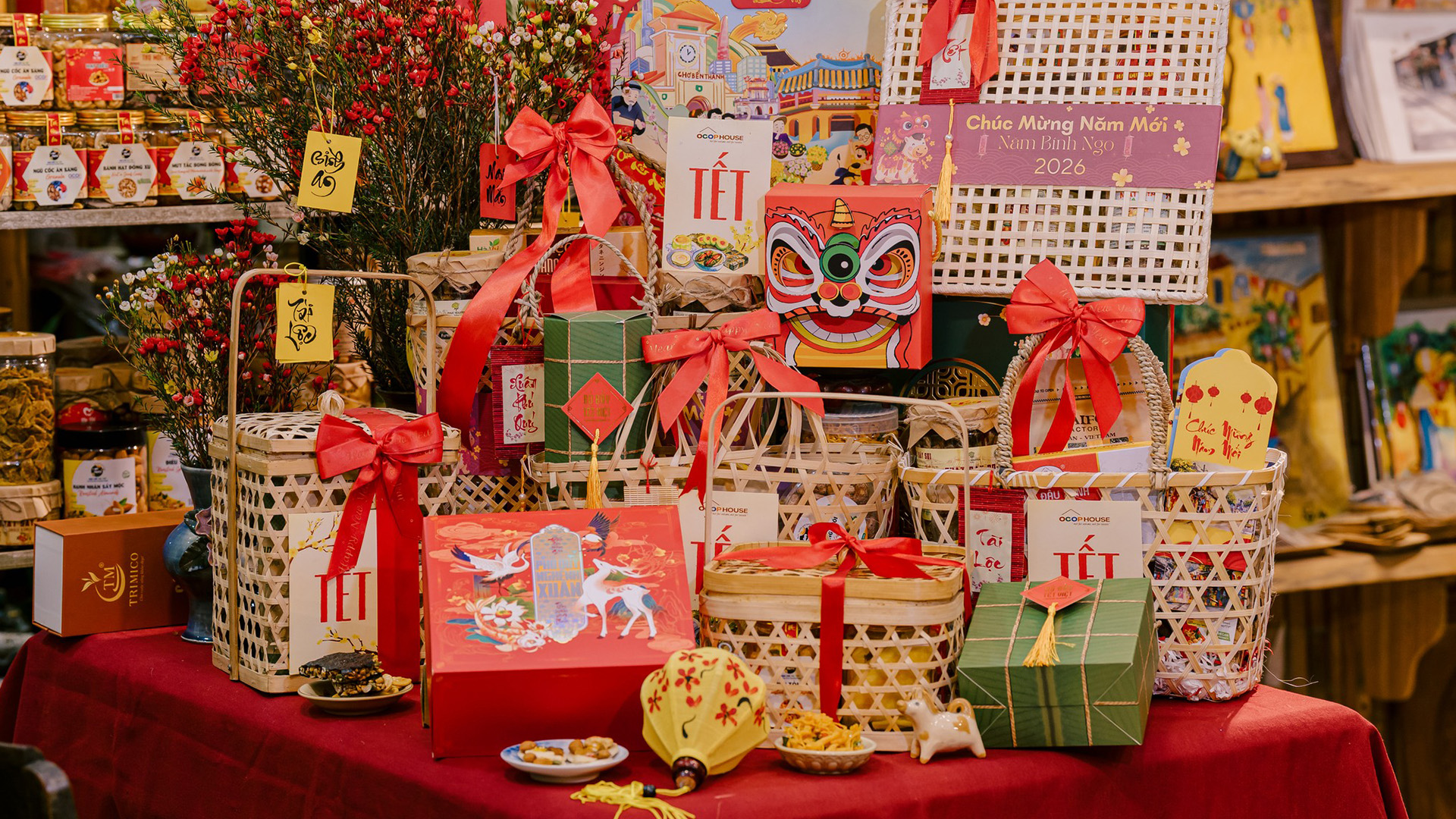
Reliving traditional Tết in contemporary spaces
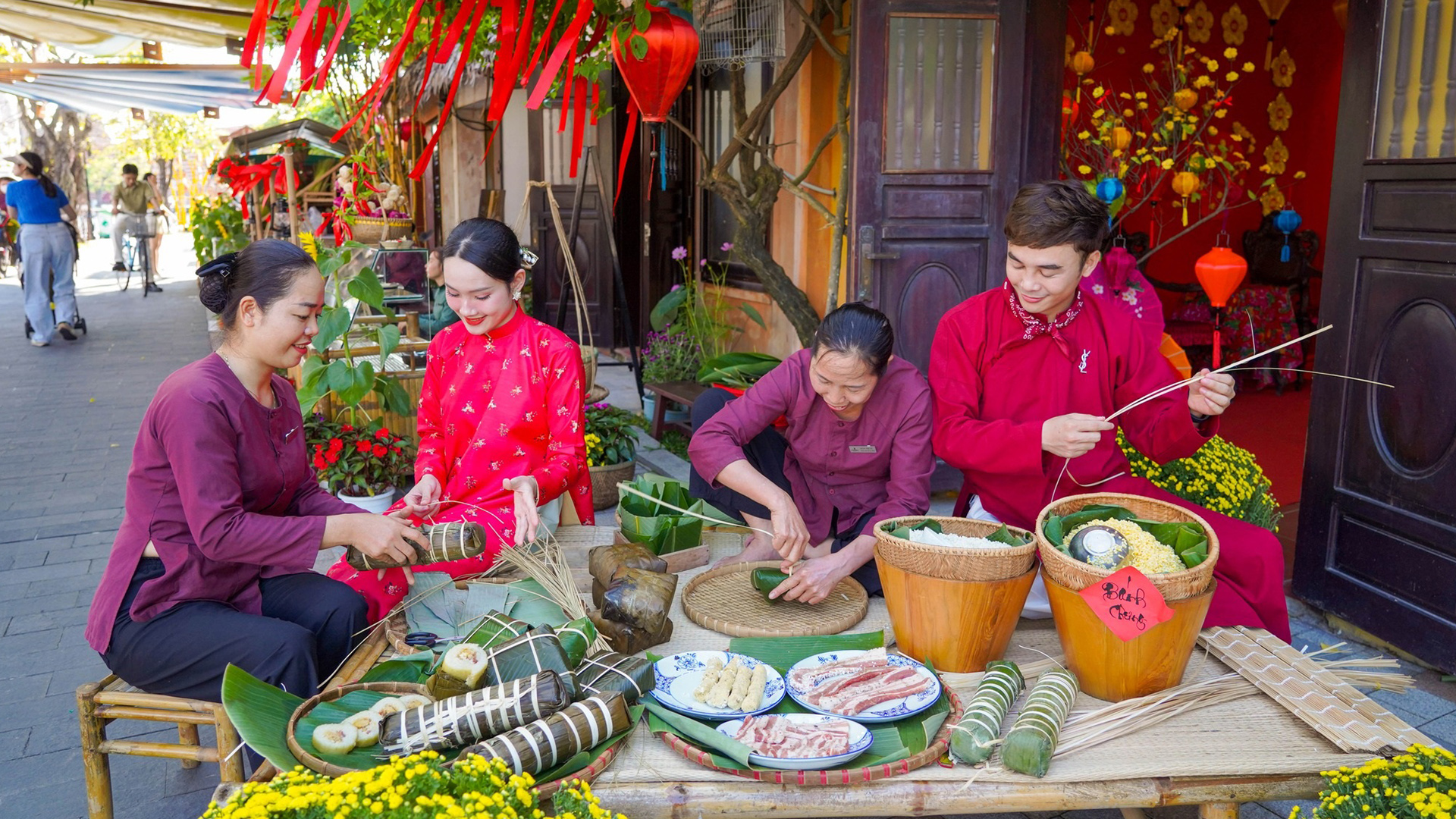
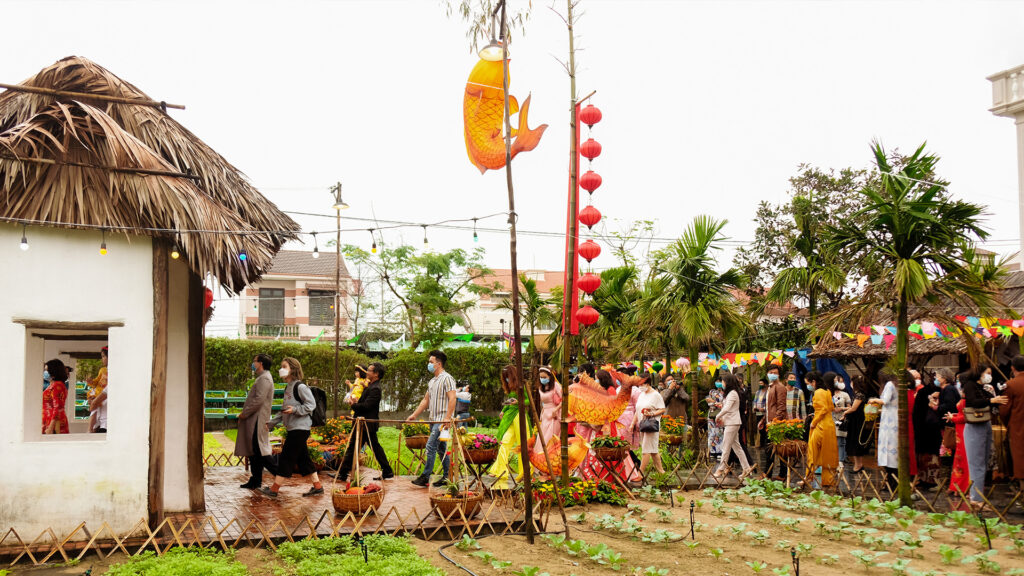
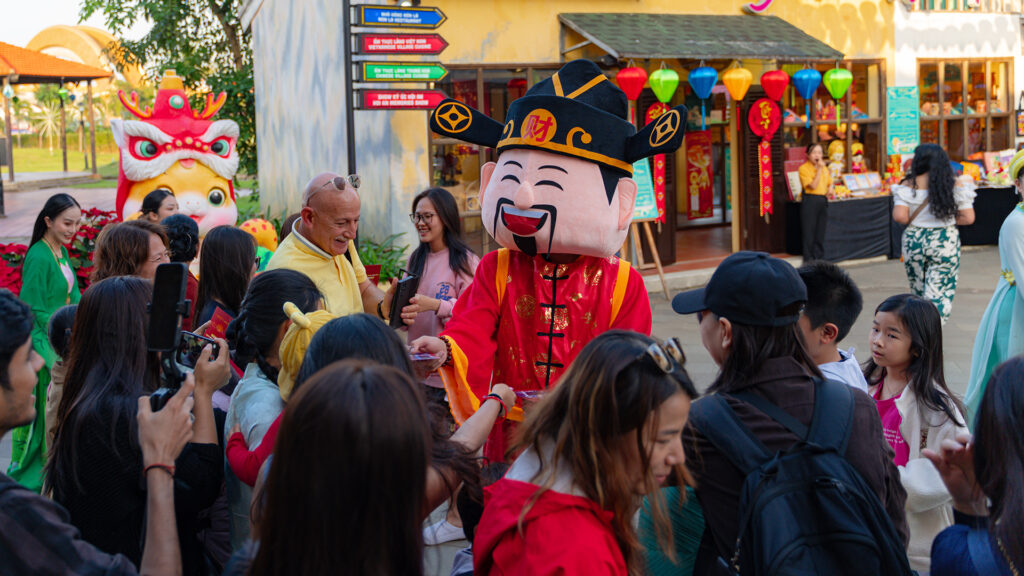
During Tết, many tourism venues in Hoi An recreate the spirit of traditional Vietnamese New Year. Visitors can make Tết cakes, explore old-style markets with traditional trading customs, enjoy Bai Choi singing, and immerse themselves in spaces richly decorated in spring colors.
Rustic scenes, familiar sounds, and an unhurried pace are delicately re-imagined within modern settings through unique cultural products—bringing Tết closer and more vivid. It is a way to fully embrace the first moments of the year and feel the spirit of Vietnamese Tết through simple yet memory-filled experiences—making spring in Hoi An not just a destination, but an emotional journey.
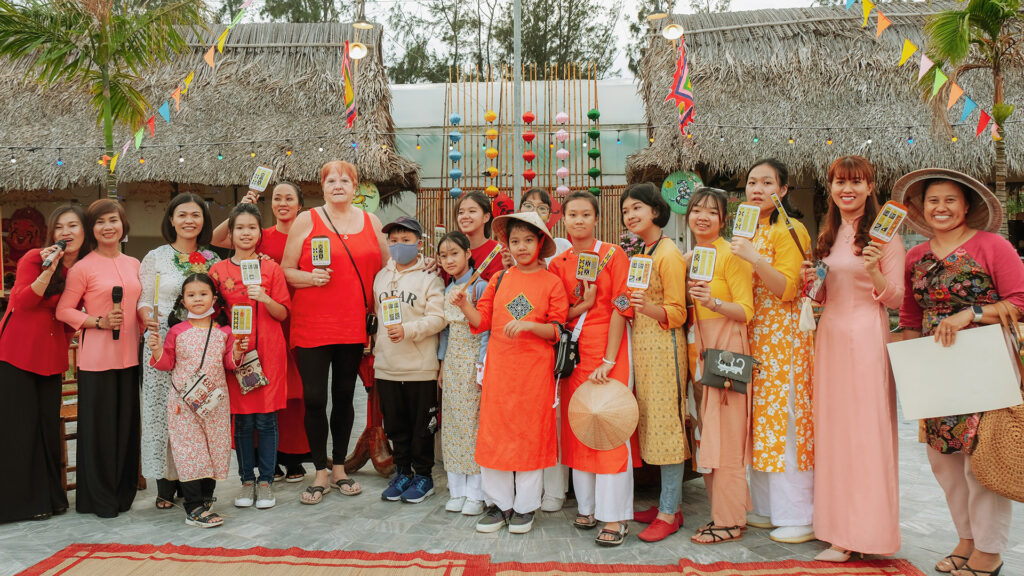
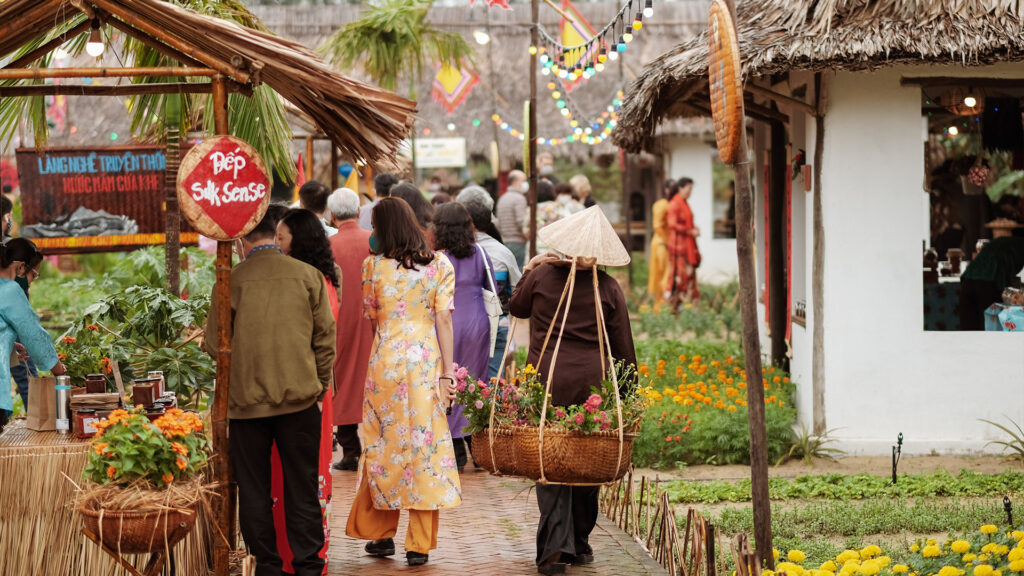
Lunar New Year weather in Hoi An – tips for an early-spring journey
Lunar New Year is an ideal time to enjoy Hoi An, with pleasant weather and temperatures typically ranging from 18–26°C. Early mornings and evenings are slightly cool, while daytime brings gentle sunshine and little rain—perfect for strolling, joining festivals, and outdoor experiences. During this time, the ancient town is radiant with apricot blossoms and lanterns, capturing the essence of traditional spring.
A few helpful notes for visitors:
- Ticket sales for the ancient town and craft villages may be temporarily suspended at certain times, allowing free exploration and a fuller Tết atmosphere.
- Pedestrian-only zones may be adjusted during Tết; visitors should plan transportation accordingly and move carefully within the ancient town.
- Bring a light jacket for early mornings and evenings, especially when walking or boating on the river.
- Plan sightseeing earlier in the day, as some shops operate on special holiday hours.
- Prepare a fully charged camera or phone—the natural light and spring scenery are perfect for memorable moments.
With favorable weather and a festive atmosphere throughout the ancient town, Tết in Hoi An offers a comfortable, relaxing, and emotionally rich journey—an ideal way to begin the new year gently and meaningfully.

Start your new year full of energy by immersing yourself in the Lunar New Year atmosphere of Hoi An—where every experience carries its own emotion. From spring colors in the ancient town and folk festivals to the flavors of Tết cuisine, everything comes together to create unforgettable moments, leaving your own mark on a journey that is gentle, complete, and inspiring.
Which emotion will you choose for this Tết in Hoi An?
DA NANG TOURISM PROMOTION CENTER