














Tuồng (also known as Hát bội) is a traditional Vietnamese theatrical art form rich in national identity, regarded as one of the quintessential cultural symbols — the “soul” of Vietnamese performing arts.
Through a process of accumulation, refinement, and creative evolution — combined with the artistic ingenuity of the local people and a unique folk cultural foundation — Tuồng has become deeply rooted in the daily life of Da Nang’s residents. It appears everywhere, from rural villages to urban centers, as part of cultural activities, festivals, and major community events. Over time, Tuồng evolved from folk performances into professional stage productions with ticketed shows, becoming a beloved and familiar spiritual nourishment cherished by generations of Da Nang people.
HISTORY AND DEVELOPMENT
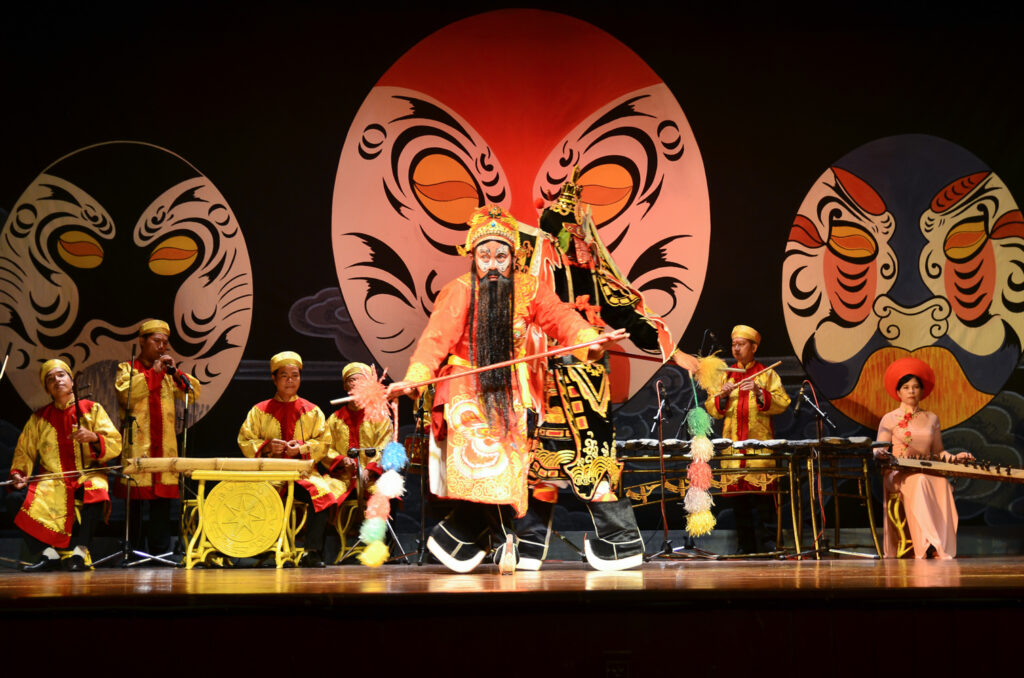
The art of Tuồng in Da Nang originated as early as the 17th century. Following the migration of settlers to the South, Tuồng journeyed with them to the new land and soon became an integral part of local cultural life. By the early 19th century, many Tuồng troupes had been established in Da Nang — such as the Đức Giáo troupe (now in Quế Sơn) and the Khánh Thọ troupe (in Chiên Đàn). During this period, Tuồng was mainly performed in communal courtyards and private homes, traveling between villages to entertain the people.
In the early 20th century, the art of Tuồng in Da Nang entered a golden era. Numerous theaters and Tuồng schools were established — such as Chú Châu Theater, Vĩnh Điện Tuồng School, and Bàu Toa Tuồng School — alongside major performing venues like Miếu Bông, Chợ Mới, and Nam Ô. This marked the transformation of Tuồng from a folk and ritual performance to an urban theatrical art form. Tuồng in Da Nang during this period developed a distinct identity, pure yet vibrant through its exchanges with other regional traditions.
One cannot speak of Tuồng in Da Nang without mentioning Nguyễn Hiển Dĩnh (1853–1926) — a prominent artist who made major contributions to shaping the distinctive Tuồng style of the region. He gathered artists, established theaters, prepared costumes and props, and composed numerous classic Tuồng scripts that became benchmarks for performers across Vietnam — many of which are still staged today.
CHARACTERISTICS OF TUONG IN DA NANG
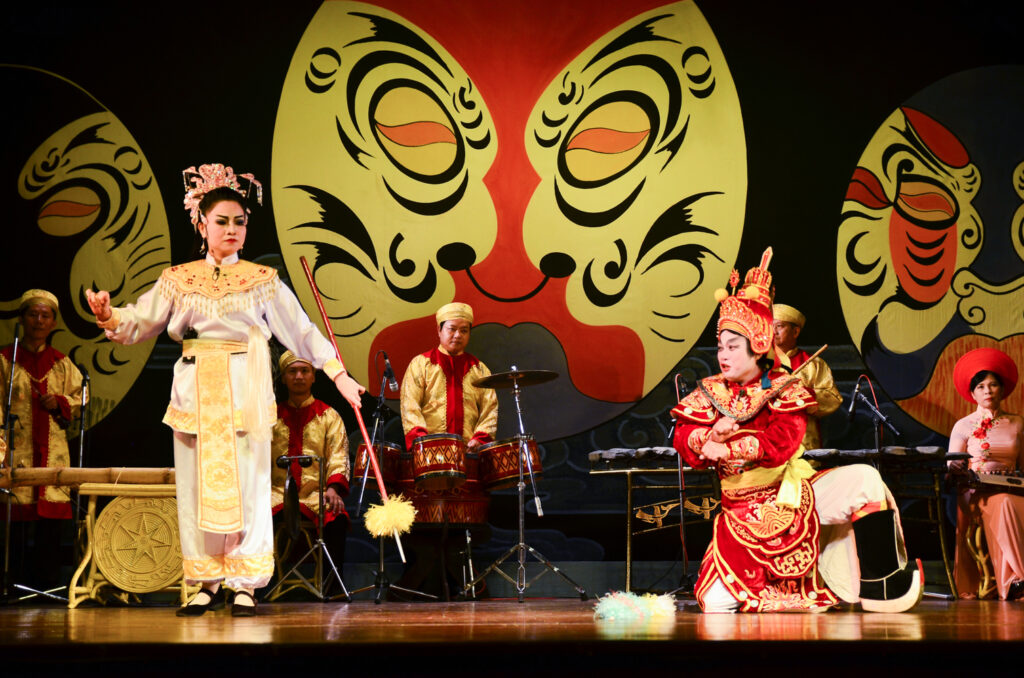
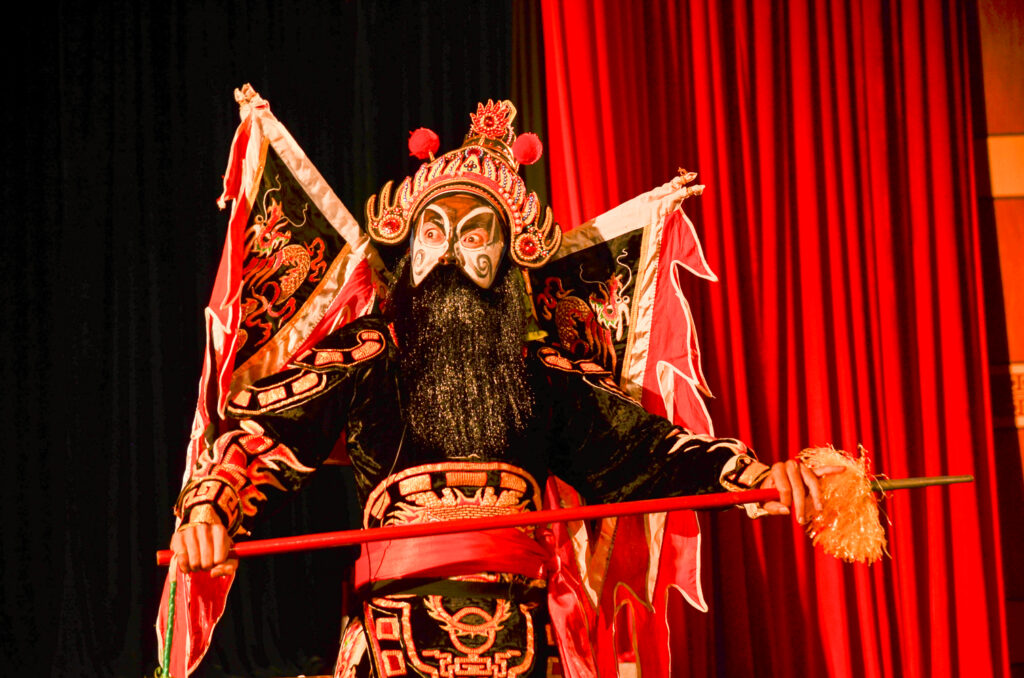

The art of Tuồng in Da Nang often draws upon historical or legendary stories, emphasizing the heroic and tragic spirit of loyalty, righteousness, and patriotism. The performances convey profound moral lessons about human ethics, virtue, family harmony, and love for the homeland. Each play reflects the culture, history, and labor of Da Nang’s people, infused with deep humanistic values and aspirations.
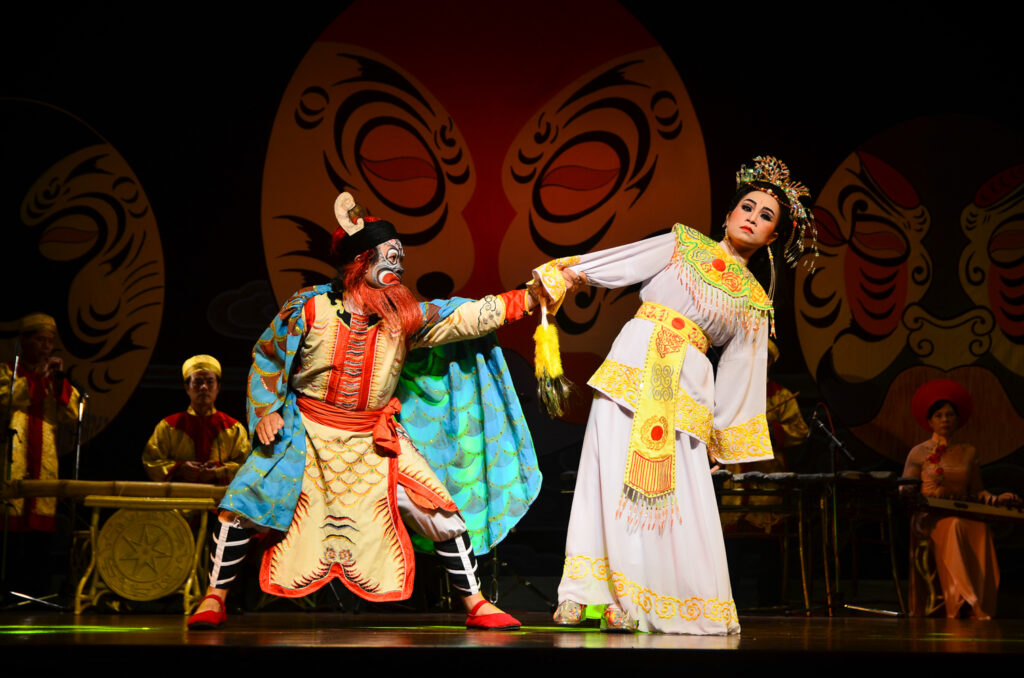
A Tuồng script usually follows a tight structure in three or four acts — introduction, conflict, climax, and resolution. The characters are categorized into archetypal roles: sinh (young male), đào (female), lão (elderly), nịnh (traitor), trung thần (loyal official), tướng lĩnh (general), and yêu tinh (villain or demon). Each represents a specific moral or social quality — loyalty versus treachery, virtue versus evil, courage versus weakness.
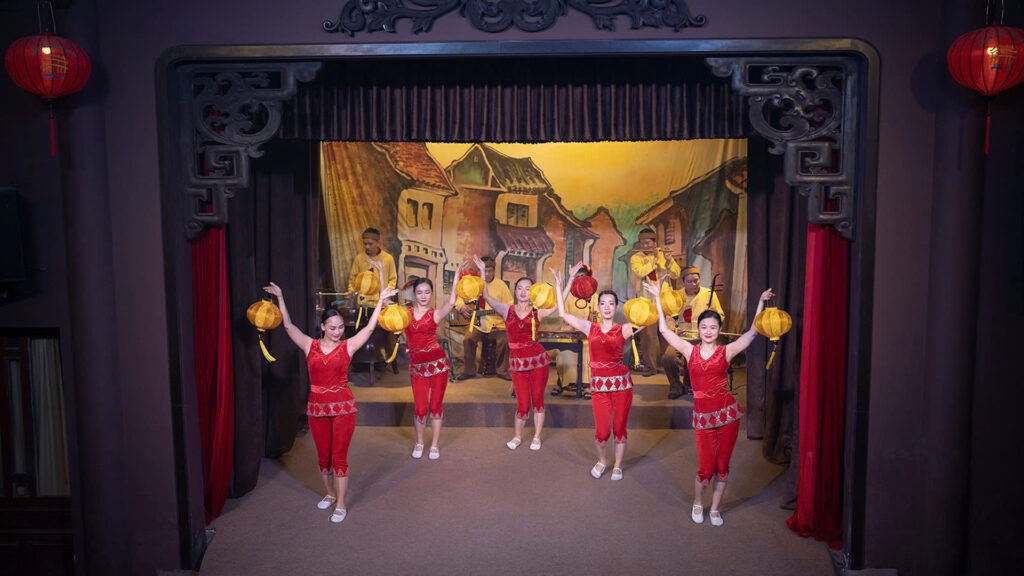
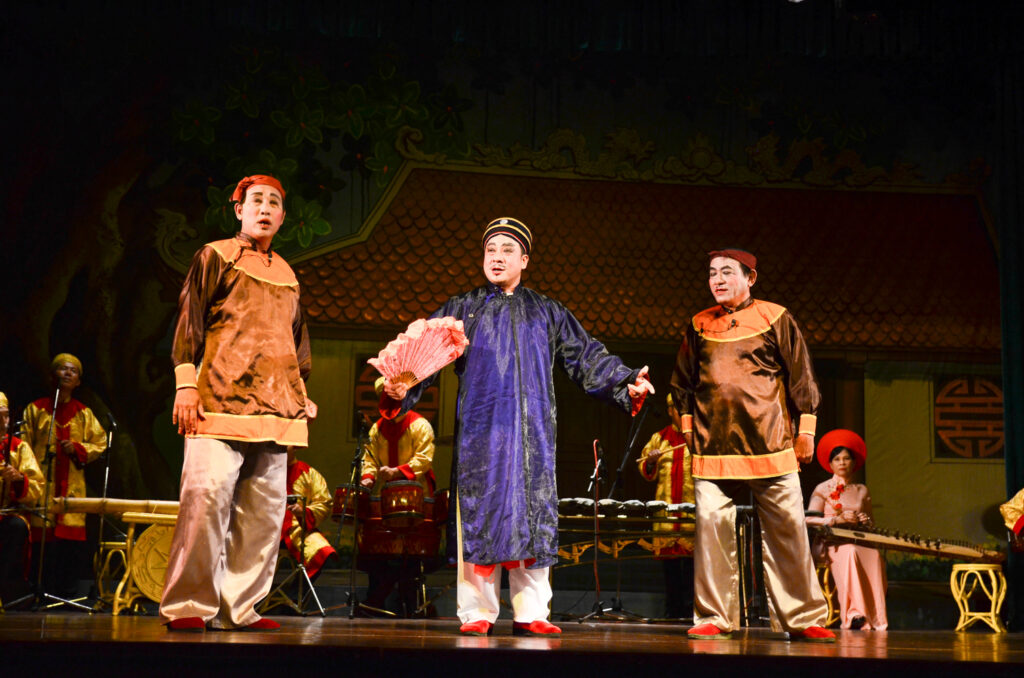
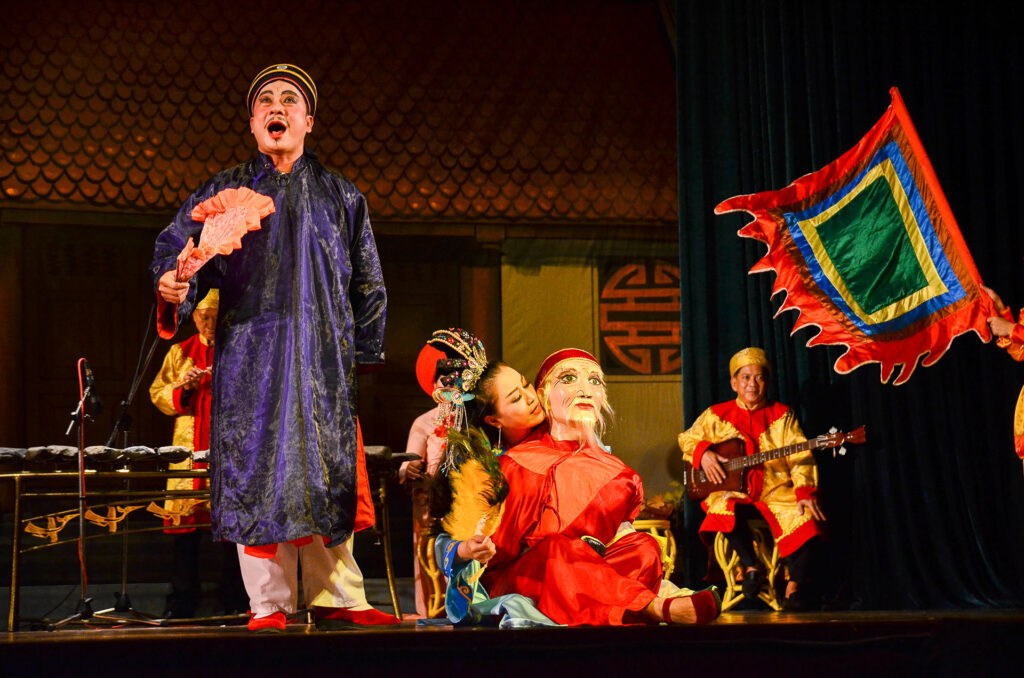
The musical system of Da Nang Tuồng is highly diverse, with three main modes: Lối nói (recitative style), Hát nam (southern singing style), and Hát khách (northern style). Other melodic variations such as xuân, ai, oán, and ngâm express the characters’ emotions in different contexts. The accompanying orchestra often includes battle drums, ceremonial drums, two-string fiddles (đàn nhị), Tuồng trumpets (kèn bóp), cymbals, wooden clappers, and gongs.
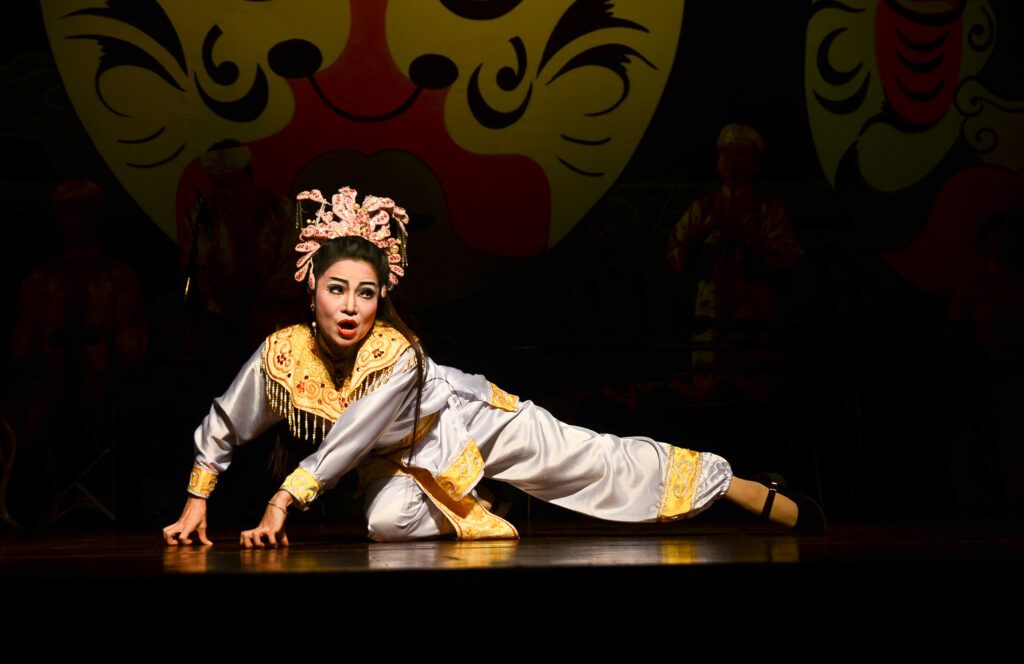
Dance in Tuồng serves as a vital expressive tool that conveys the character’s emotions and personality. Movements are stylized, symbolic, and often inspired by daily life activities, infused with elements of folk and ritual dance. Compared to other regions, Da Nang Tuồng emphasizes lyrical gestures and inner expression — reflecting the gentle and emotional character of Da Nang’s people.
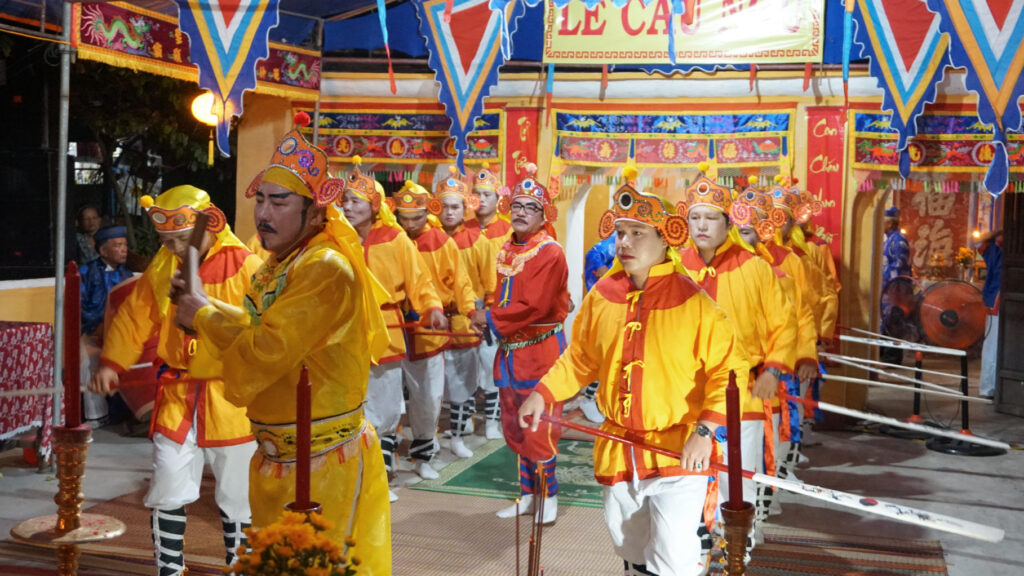
Unlike realistic theater, Tuồng focuses on capturing the “spirit” (thần), aligning with the spiritual life of the people. Costumes and makeup are stylized yet expressive — every color and line conveys meaning. Through facial patterns and costume details, audiences can immediately recognize whether a character is loyal or deceitful, good or evil.
EXPERIENTIAL ACTIVITIES
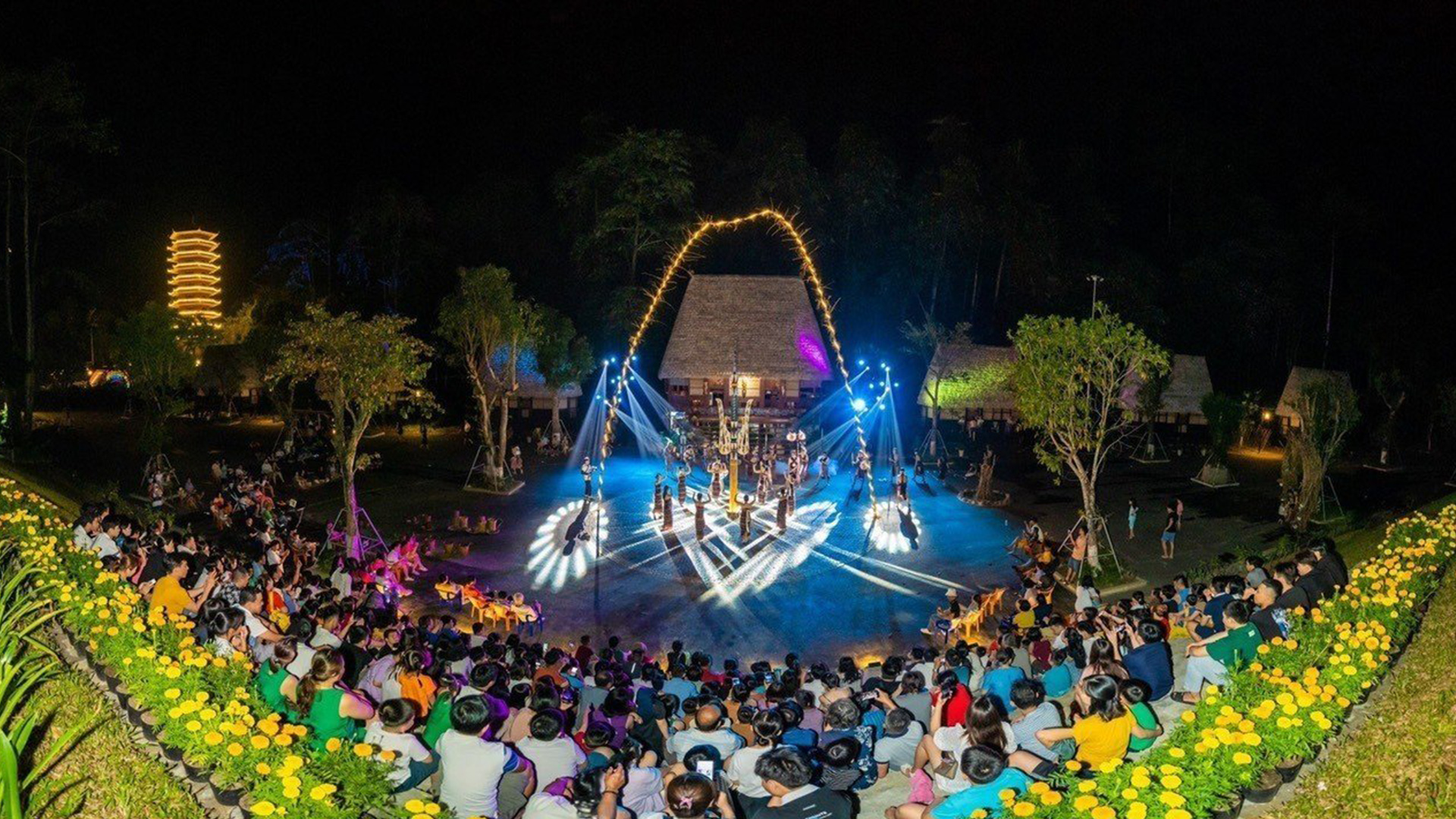
Visitors to Da Nang can experience Tuồng in various ways — from professional theaters to open-air performances and interactive programs. During spring festivals, the resounding Tuồng drums create an atmosphere that is both sacred and joyful. Watching a traditional Tuồng excerpt alongside the locals offers a deeply cultural and emotional experience.
The Nguyen Hien Dinh Tuong Theater, located at 155 Phan Chau Trinh, Hai Chau District, is the cradle of professional Tuồng in Da Nang and a must-visit for art enthusiasts. Here, visitors can enjoy classic excerpts, traditional musical ensembles, and interact or take photos with artists in costume. The on-site exhibition space features Tuồng masks, costumes, headpieces, and armor, offering insights into this distinctive art form.
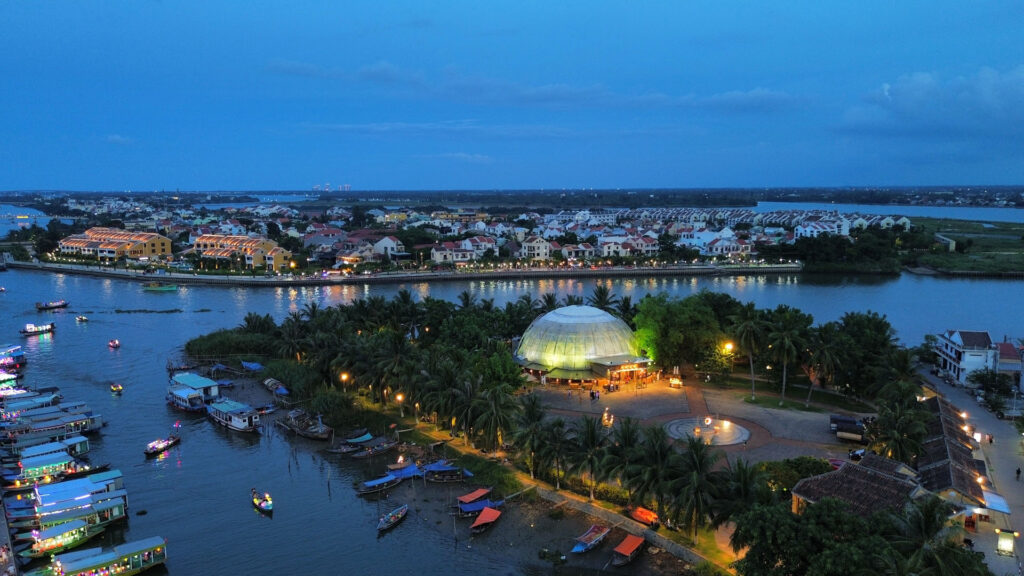
In Hoi An Ancient Town, Tuồng excerpts are performed at the Hoi An Traditional Art Performance House (66 Bach Dang Street) as part of the Hoi An Ancient Town Night (on the 14th day of the lunar month), the Mid-Autumn Festival, Tet, and other cultural events.
Visitors can also try painting traditional Tuồng masks with master artisan Bui Quy Phong, who has spent more than 40 years preserving this paper-mâché art at his studio “Masks of Time.”
Beyond performance, the art of Tuồng in Da Nang carries deep humanistic values — fostering community bonds, nurturing patriotism, and preserving the nation’s cultural identity. The Art of Tuong in Da Nang was recognized as a National Intangible Cultural Heritage by the Ministry of Culture, Sports and Tourism under Decision No. 1877/QĐ-BVHTTDL, dated June 8, 2015.
DANANG TOURISM PROMOTION CENTER