















If you are used to a bustling Tet in the city—lively, crowded, and filled with nonstop events—then Tet in the western mountainous areas of Da Nang offers a very different feeling. Here, spring does not arrive with fireworks or dazzling lights, but through the echo of gongs and drums across the forested mountains, the gentle scent of kitchen smoke drifting in the air, and a community rhythm that is slower yet deeply warm and welcoming.
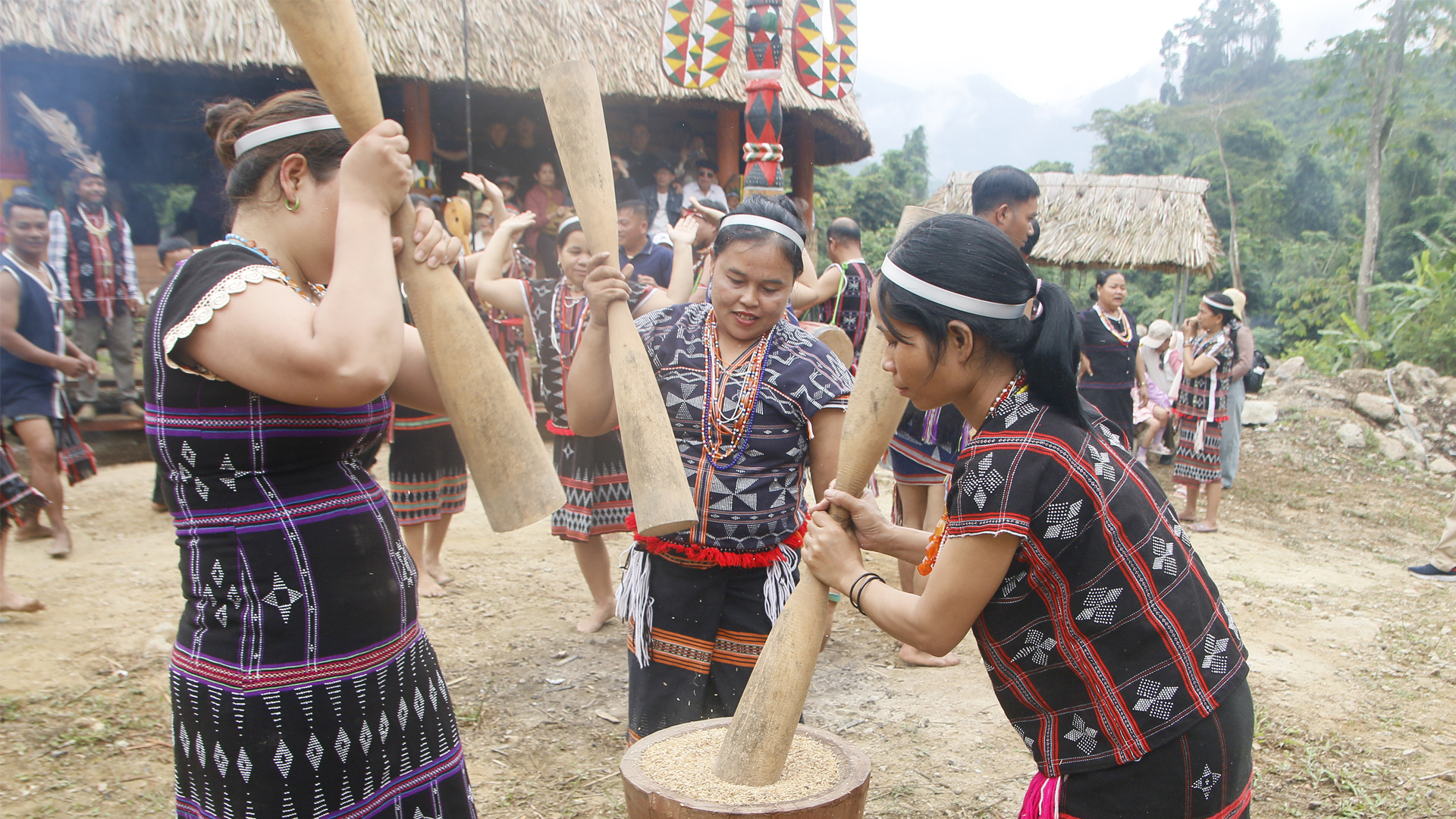
Within this setting, the 1st Dong Giang Cơ Tu Cultural Spring Festival – Spring of Binh Ngo 2026 unfolds as an invitation for those who wish to return to the origin—to rediscover the spirit of Tet rooted in community, nature, and indigenous culture.
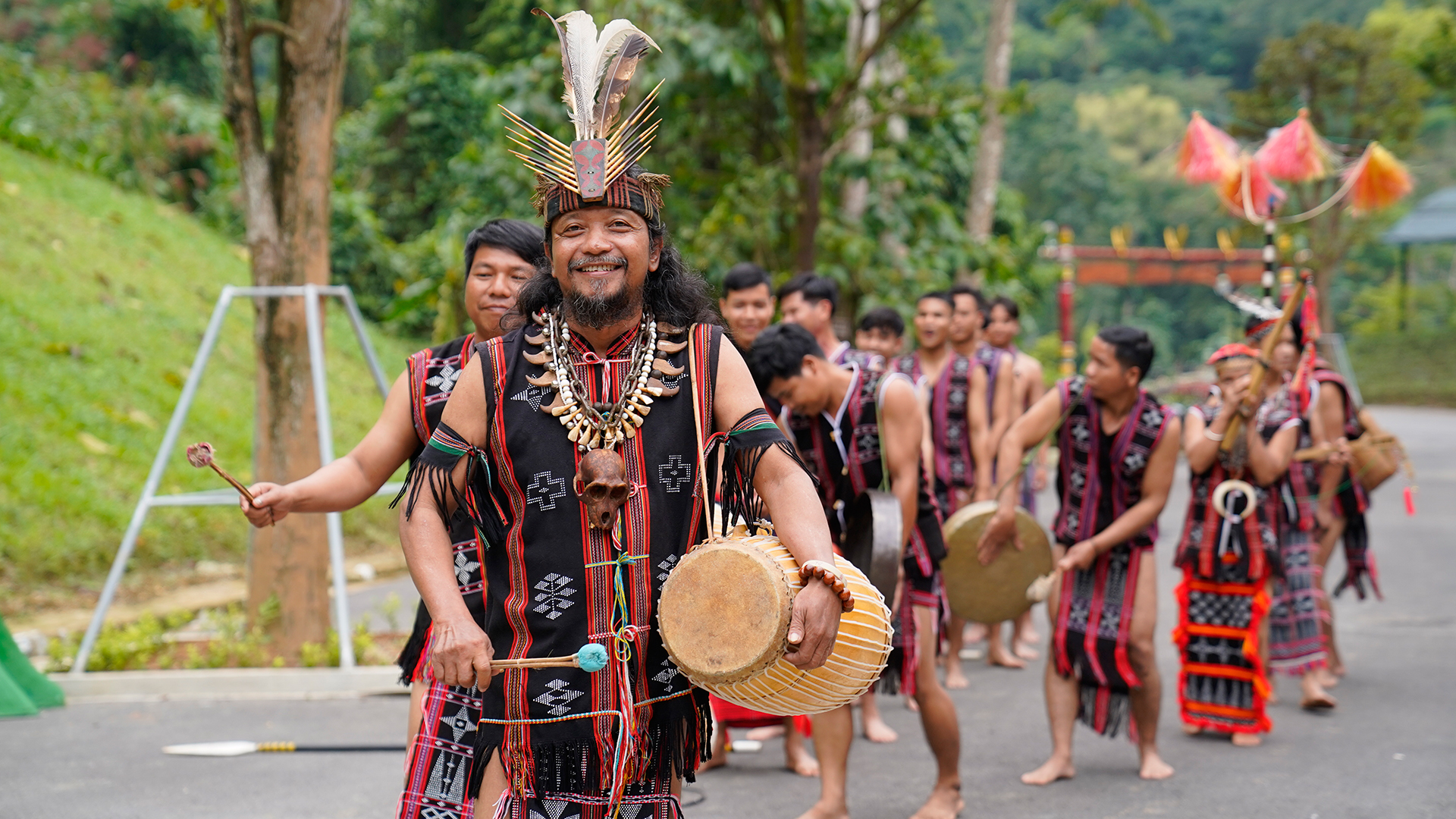
A Community Tet Space in the Heart of the Great Forest
Taking place over three days, from February 5 to 7, 2026, at Prao Park (Nga Ba hamlet, Dong Giang commune, Da Nang City), the festival space is designed like a miniature Cơ Tu village. From the moment you arrive, it is easy to sense that you are not merely visiting—you are stepping into a living Tet celebrated together with the community.
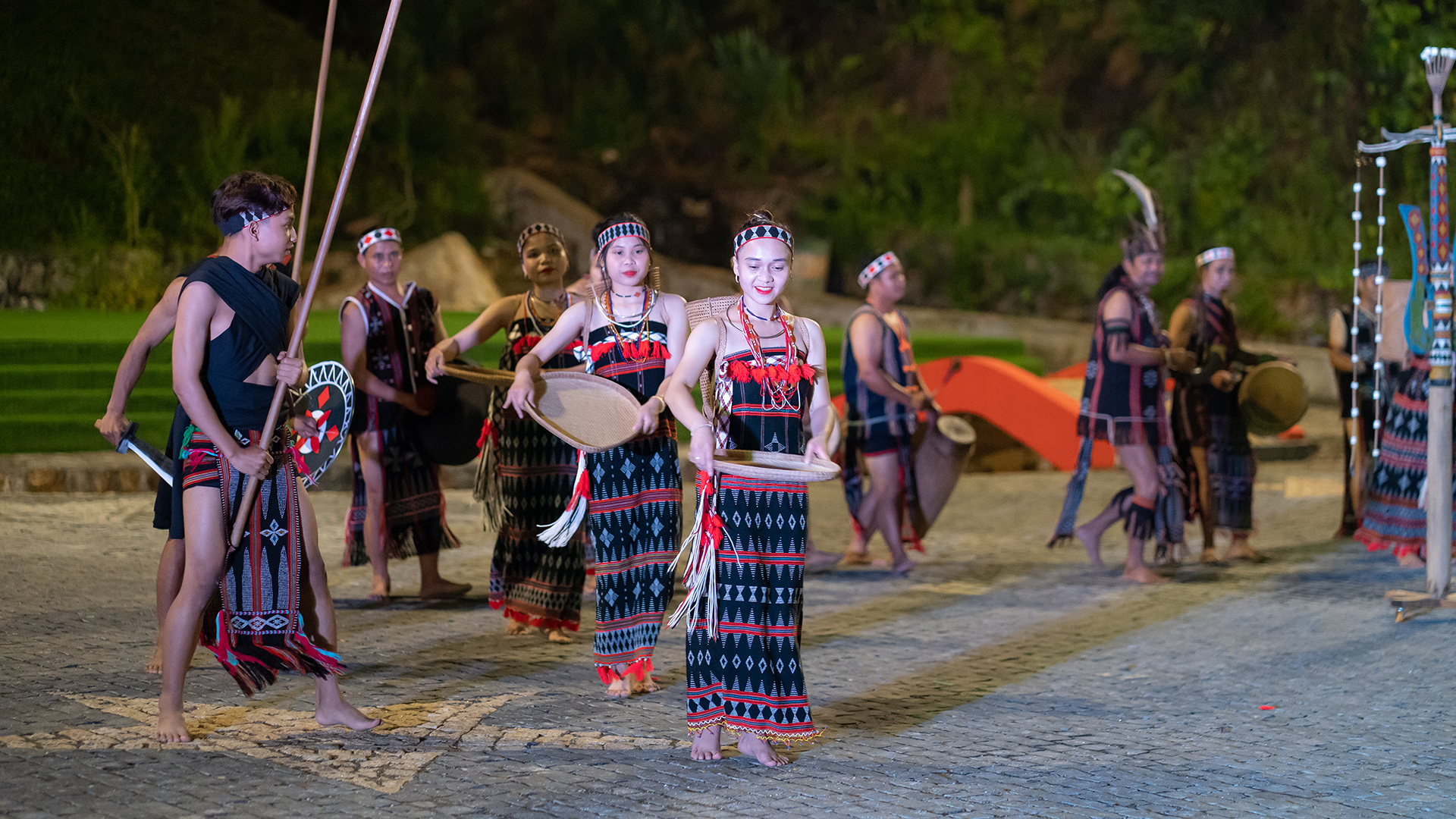
Local residents wear traditional costumes, gather, converse, perform, and welcome visitors in an open and friendly atmosphere. This is a place where you can slow down a little, observe more, and experience Tet through full presence.
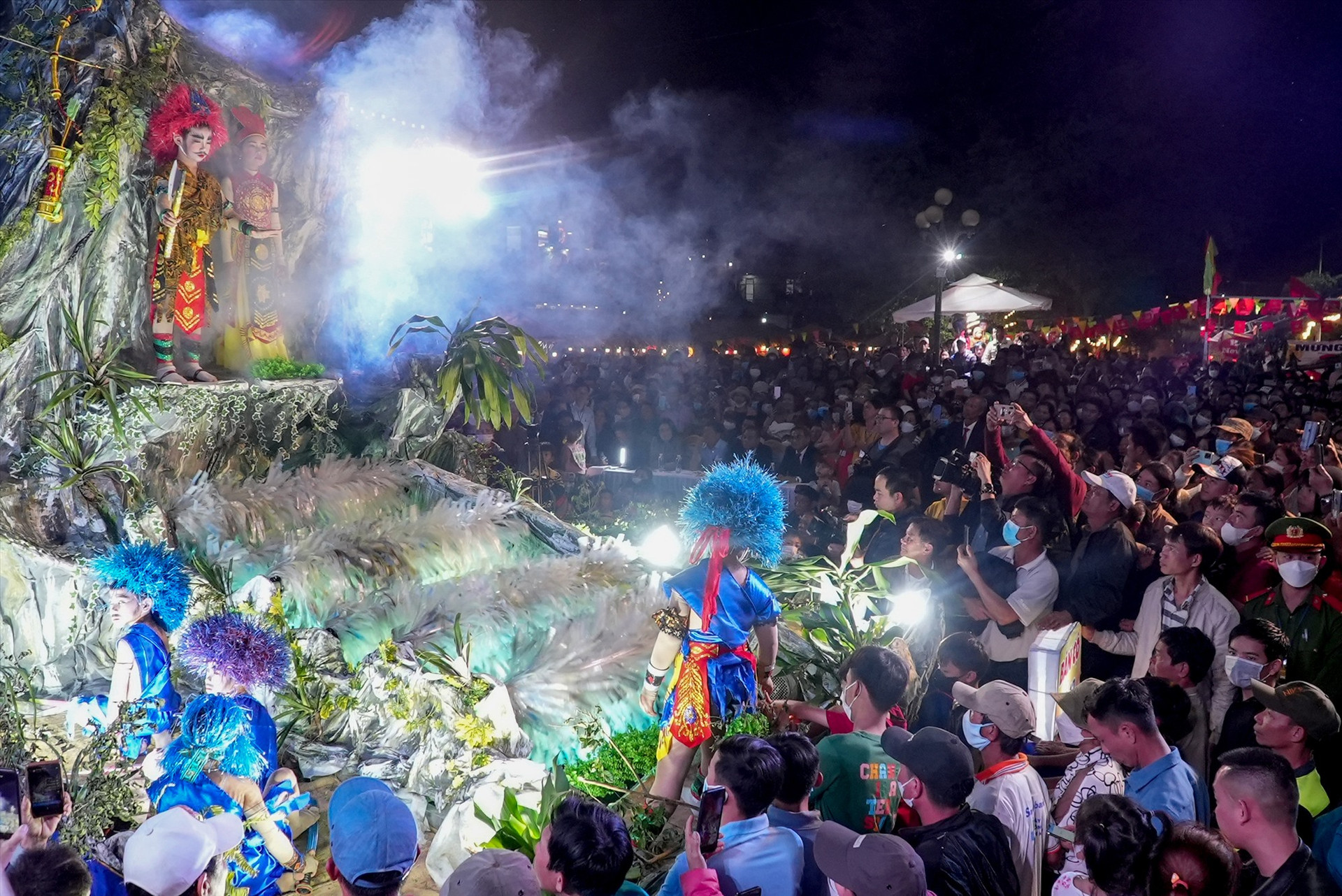
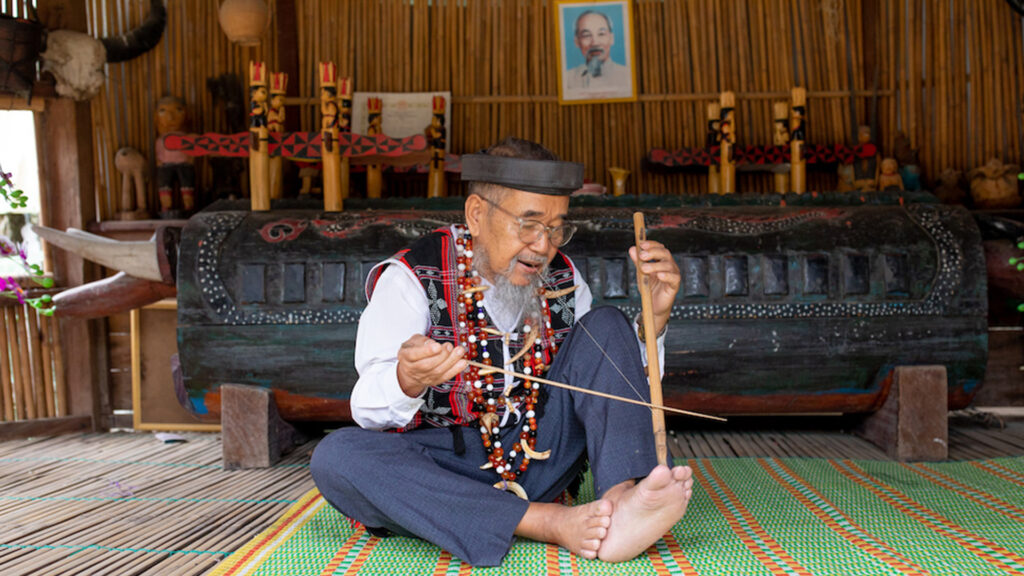
The spring journey in Dong Giang begins with the Cơ Tu New Year ritual held during the opening ceremony. The ceremonial space—featuring the gươl communal house, the cây nêu ritual pole, drums, gongs, and presided over by village elders—creates an atmosphere that is solemn yet intimate. This moment helps visitors understand that Tet for the Cơ Tu people is not only a time of celebration, but also an occasion to give thanks to deities, pray for health, good harvests, and peace for the entire community—a cultural touchpoint that invites respectful listening and deeper understanding of indigenous beliefs.
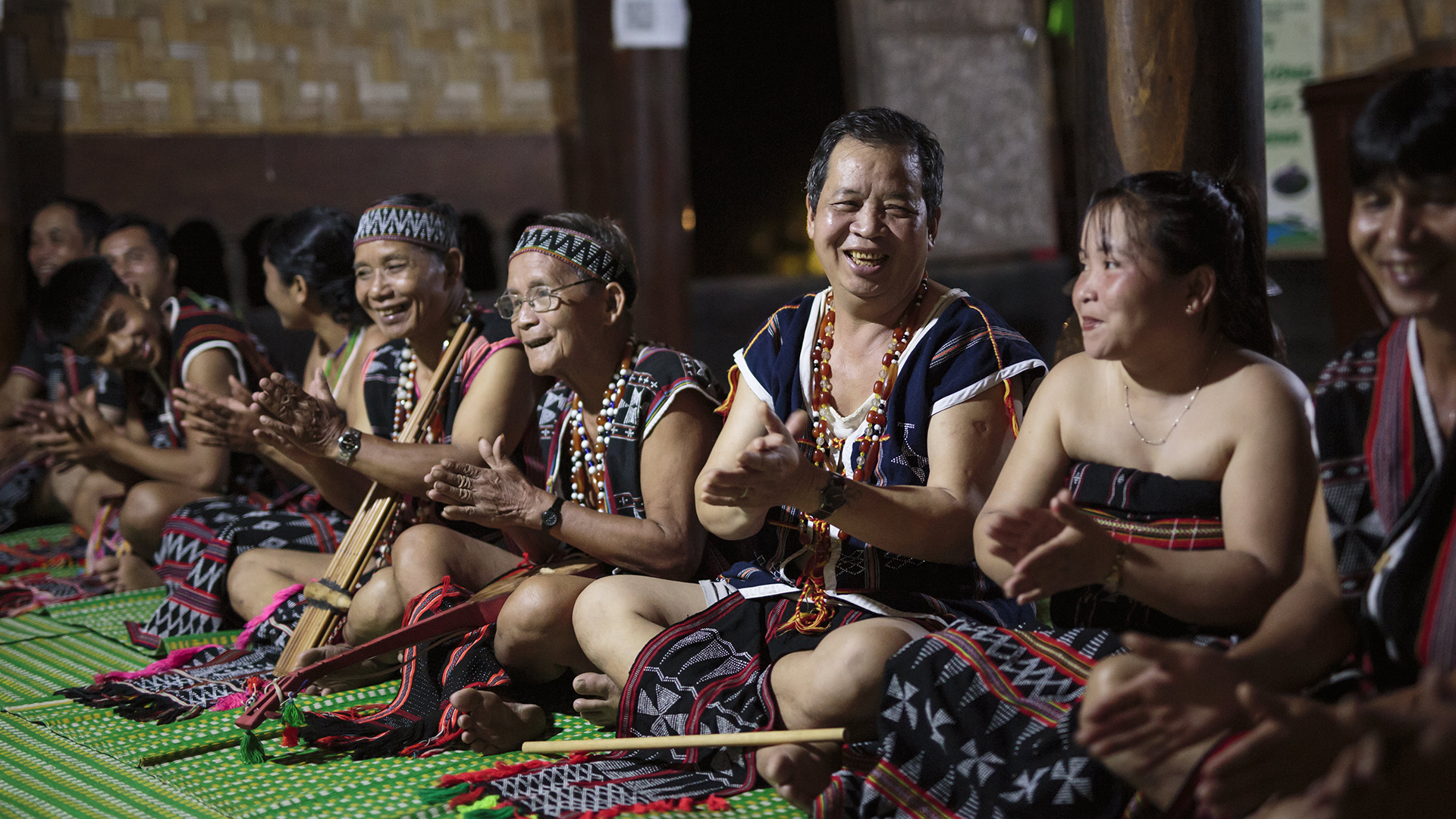
Immediately after the ritual, the atmosphere becomes vibrant with gong exchanges and the Tân tung da dá dance. The sounds resonating through the mountains are not only meant to be heard, but to be felt—through heartbeat and body movement. Visitors are invited to join the dance circle, try following the gong rhythms, and experience a very natural sense of human connection. No grand stage is needed, yet the impression lingers long in memory.
Touching Cultural Essence Through the Cơ Tu Tet Experience
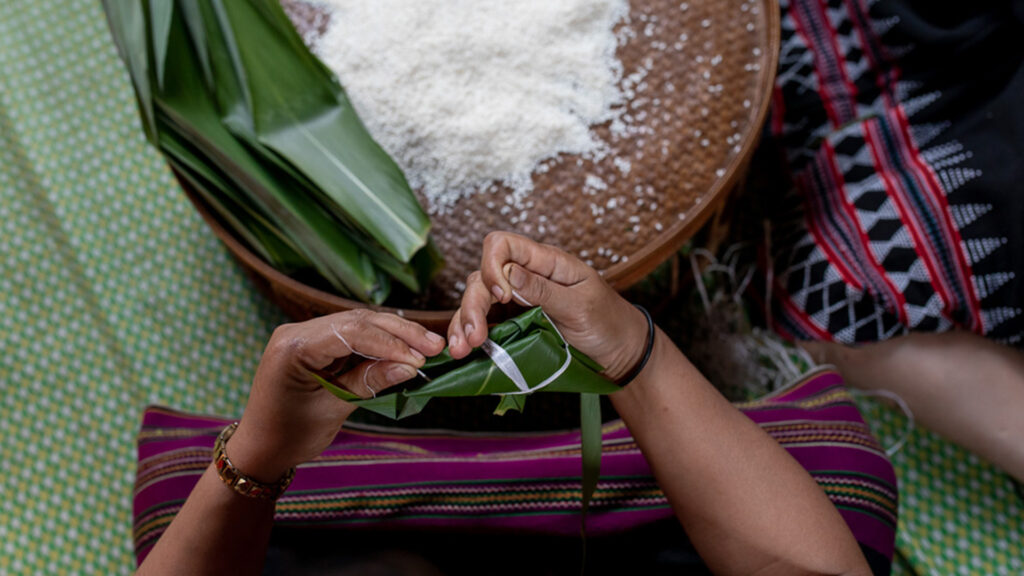
Throughout the three days of the festival, 21 cultural, culinary, and local product booths line Prao Park, bringing together villages of Dong Giang commune, OCOP producers, and community-based tourism cooperatives. Visitors can stroll at ease, chat with locals, explore cultural artifacts, and sample traditional Cơ Tu dishes. Each booth is not just a place for display or shopping, but a story—about daily life, livelihoods, and the ways the community preserves its identity in contemporary times. This is a very natural way of touching cultural essence.
If you want Tet to be more joyful, don’t just watch. Traditional folk games and sports such as crossbow shooting, tug of war, buffalo-tail tossing, stilt walking, and ball tossing into bamboo baskets are always open for participation. There is no boundary between hosts and guests—everyone plays together, laughs together, and cheers together. These moments create a Tet that feels truly “alive,” where connection happens naturally, without introductions.
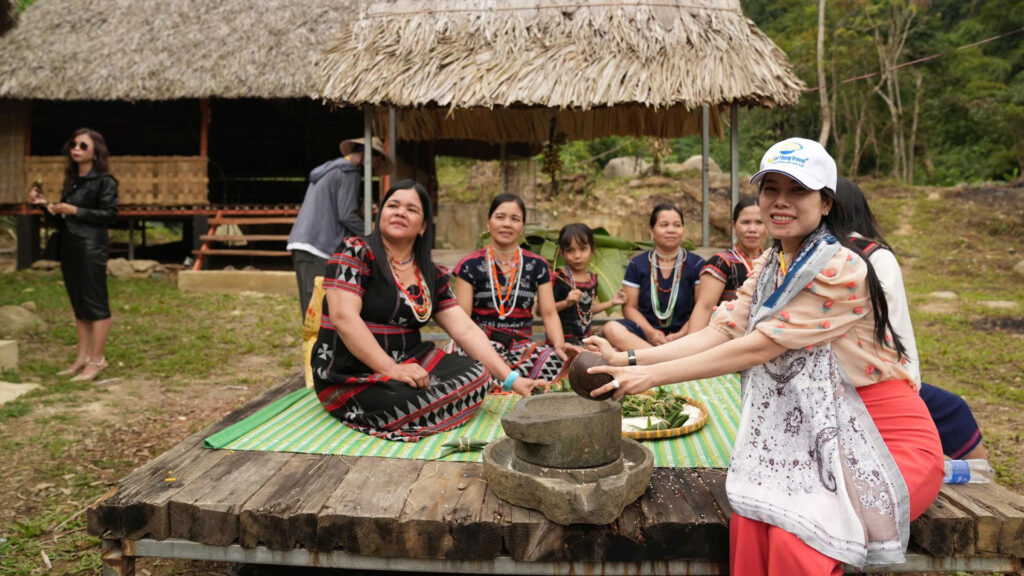
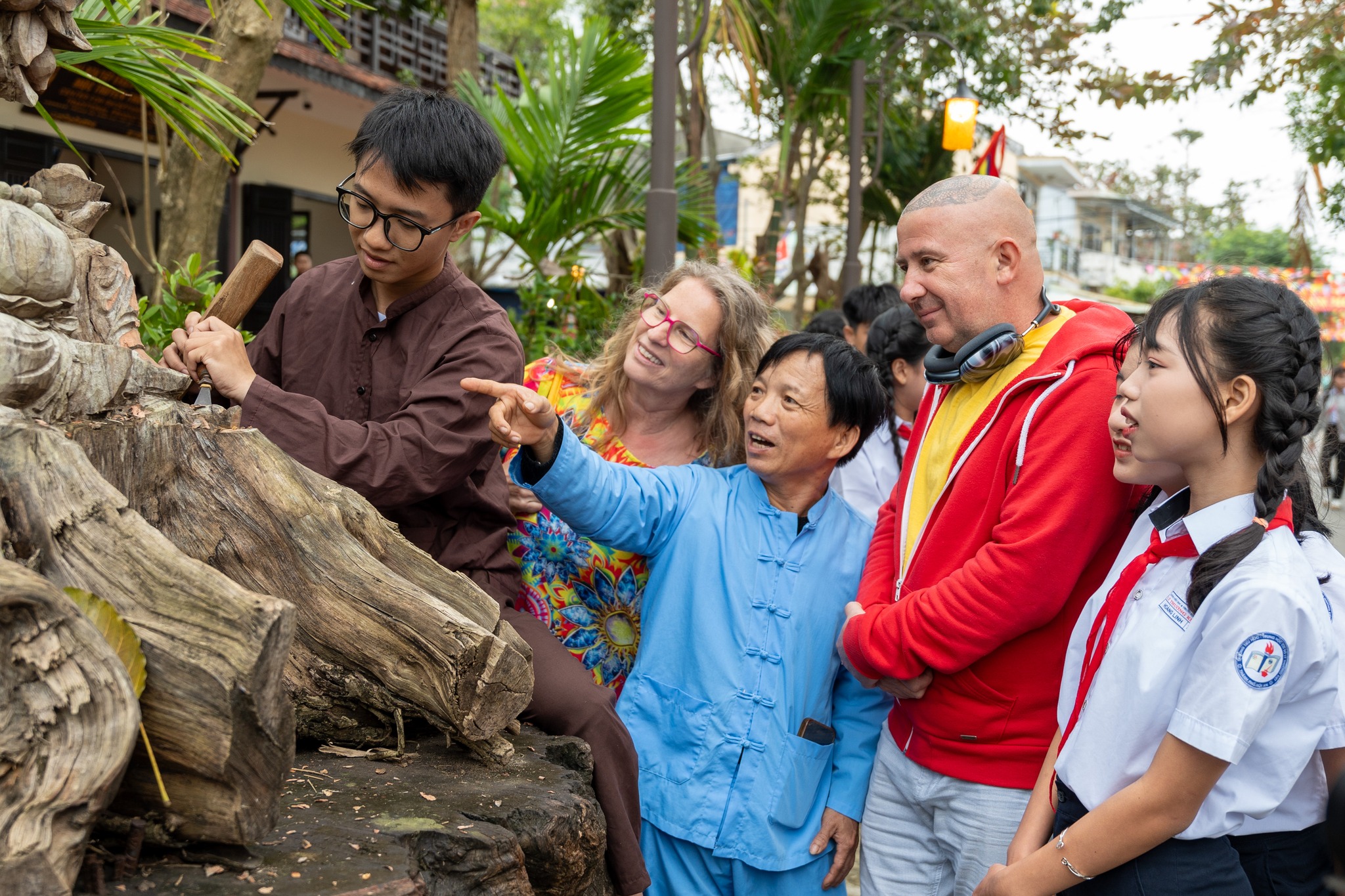
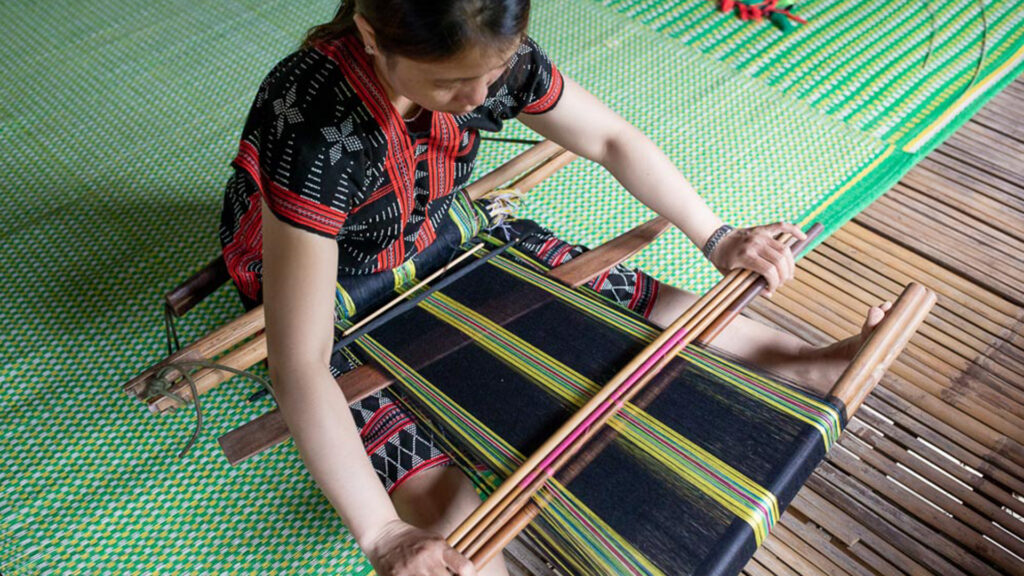
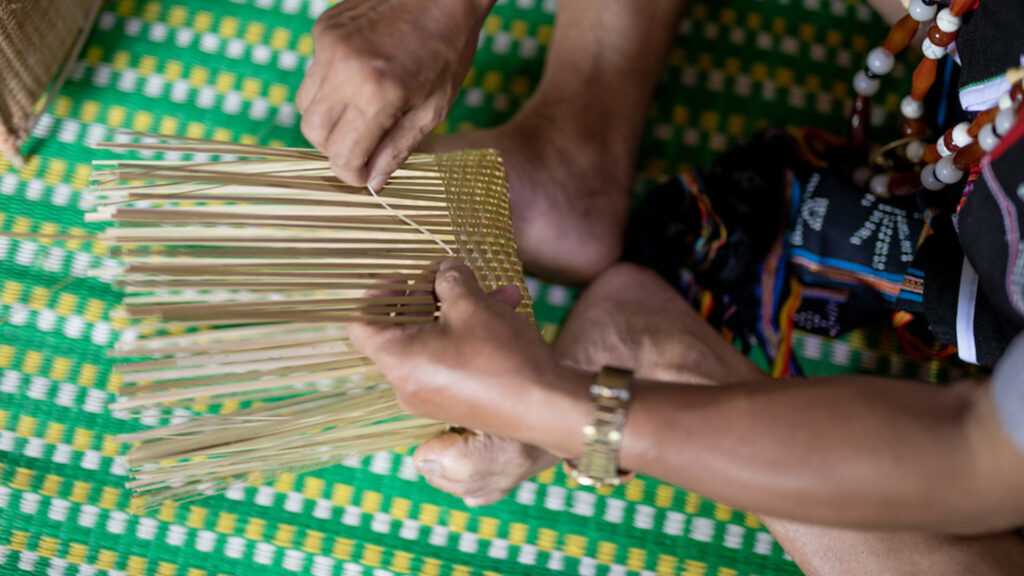
Another highlight not to be missed is the space showcasing traditional crafts such as brocade weaving, bamboo and rattan weaving, and wood carving. Artisans demonstrate their skills right before visitors’ eyes, from the first steps to the finished products. You can watch, ask questions, and even try your hand at certain techniques. Here, culture is not displayed behind glass—it lives through hands, eyes, and stories, embodying the true spirit of returning to the origin.
The festival space becomes even more vibrant with competitions featuring traditional Cơ Tu costumes alongside folk music and performance acts. Each costume and performance is not only visually striking, but also carries stories of customs, daily life, and cultural pride from each village and family.
The final day of the festival allows visitors to continue strolling, shopping for local products, socializing, and absorbing the community rhythm before the closing ceremony. Leaving Dong Giang, what remains is not just imagery, but the feeling of having truly lived within a Tet celebration.
Amidst the mountain forests, the Dong Giang Cơ Tu Cultural Spring Festival is not merely an early-year event, but a spring journey choice for those who wish to move more slowly, go deeper, and connect more fully—to experience Da Nang not only through its beaches and urban life, but through the cultural depth of its highland communities.
DA NANG TOURISM PROMOTION CENTER