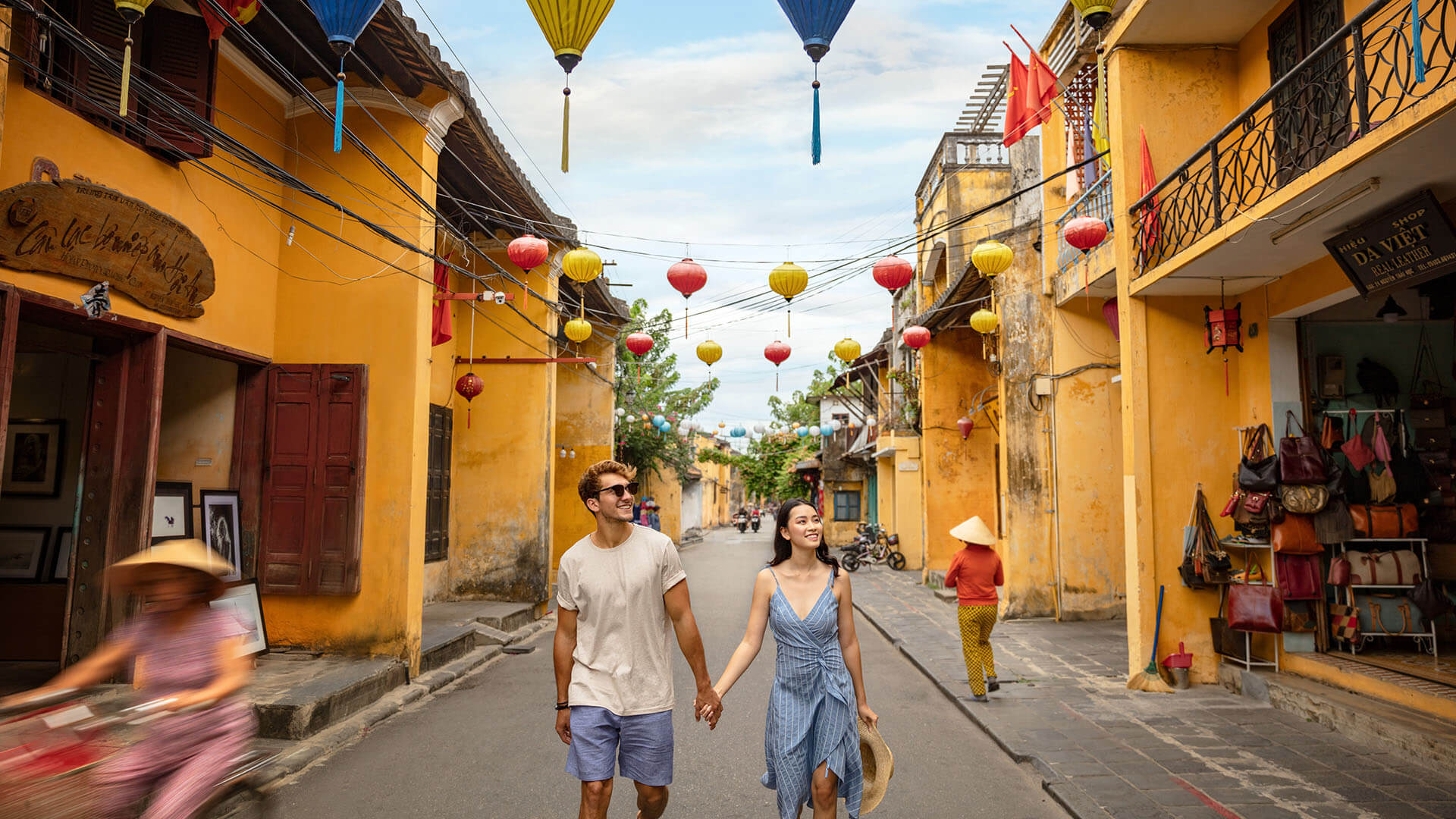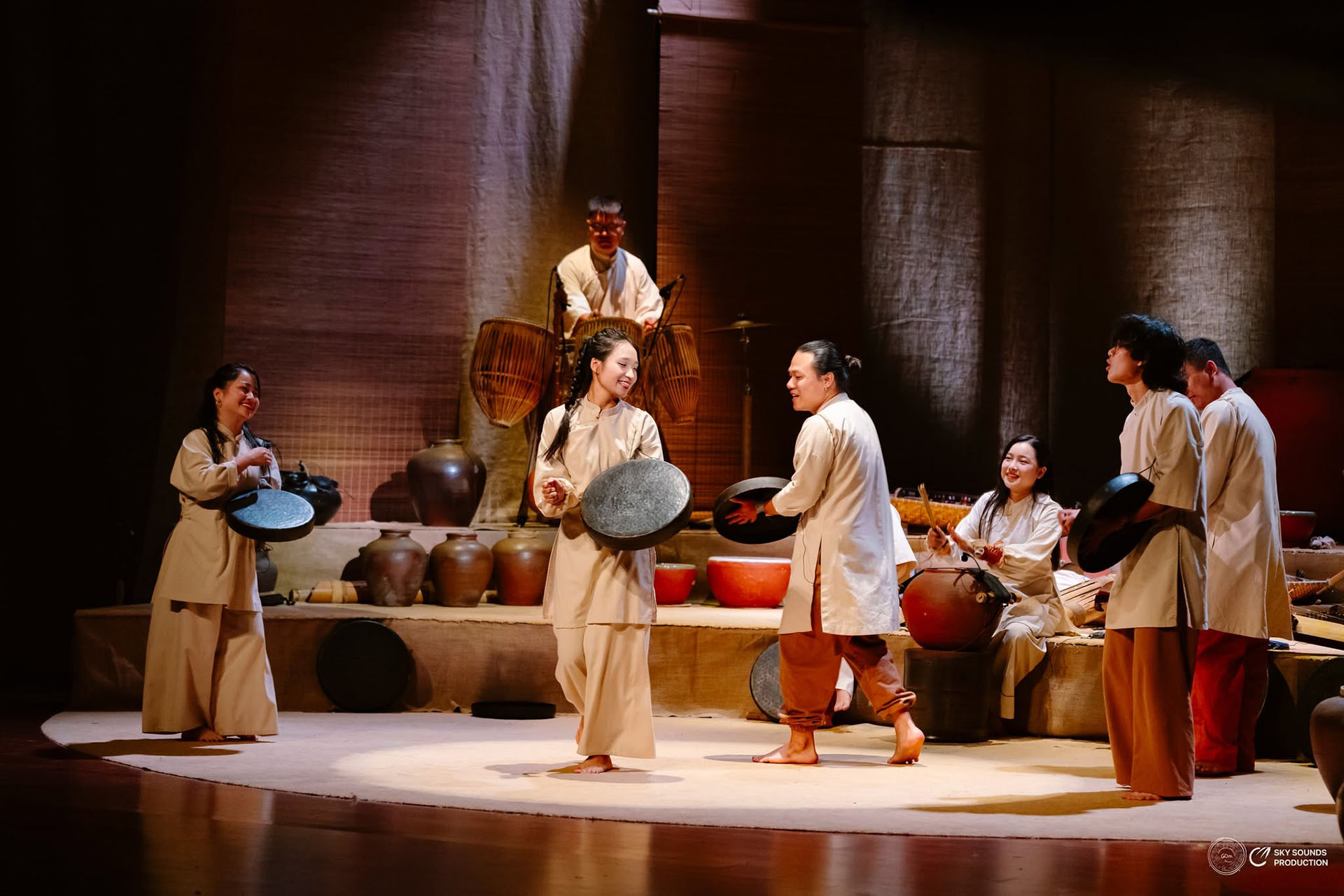
















Known not only for its iconic yellow-walled ancient houses and colorful lanterns, Hoi An is also a destination where visitors can experience layers of culture, history, and local life within a single journey.
Recently, Lonely Planet highlighted seven standout experiences that offer deeper insight into this remarkable destination, from the Ancient Town and traditional craft villages to local cuisine, peaceful countryside landscapes, and inspiring photography opportunities.
1. Discover Cultural Fusion in the Ancient Town
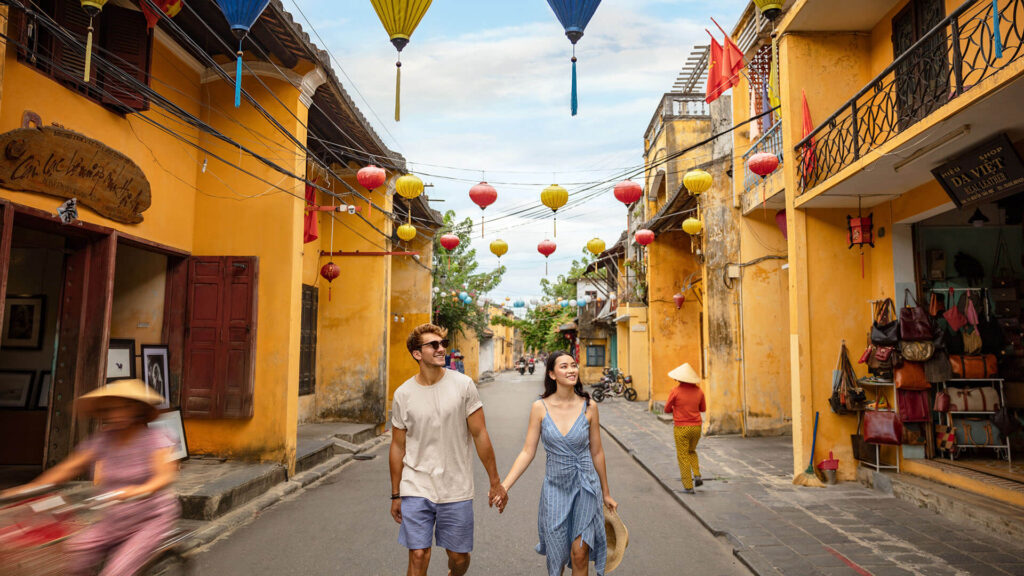
According to Lonely Planet, first-time visitors to Hoi An should begin their journey in the Ancient Town, home to architectural landmarks that reflect centuries of international trade and cultural exchange.
What makes Hoi An so captivating is not any single attraction but the overall atmosphere of the historic town, where different cultural influences coexist harmoniously. Visitors can easily spot Japanese heritage through the iconic Japanese Covered Bridge, originally built to connect the Japanese and Chinese merchant quarters. Nearby assembly halls, established by Chinese immigrant communities, continue to showcase the town’s rich cultural and spiritual traditions.
Lonely Planet also recommends taking time to explore My Son Sanctuary, a temple complex that served as the religious center of the Champa Kingdom for nearly a thousand years. With its red-brick towers adorned with intricate sandstone carvings, My Son has often been compared to a more intimate and less crowded version of Angkor Wat.
2. Experience Traditional Crafts
From the era of the Champa Kingdom to Hoi An’s heyday as an international trading port, the region has long been associated with skilled artisans, including weavers, stone masons, carpenters, potters, and silk craftsmen.
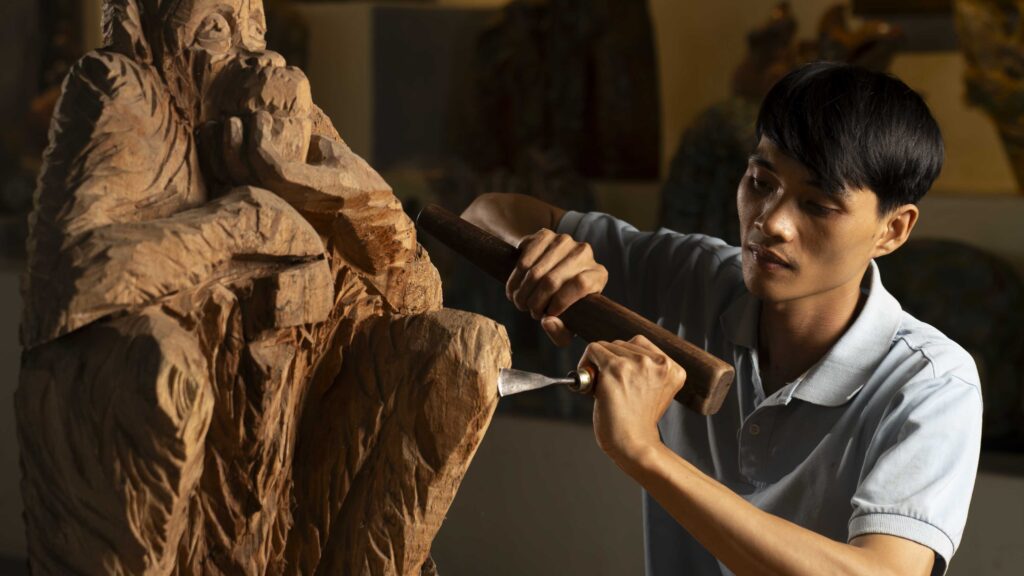
Today, traditional craft villages such as Kim Bong Carpentry Village and Thanh Ha Pottery Village continue to preserve centuries-old techniques and craftsmanship.
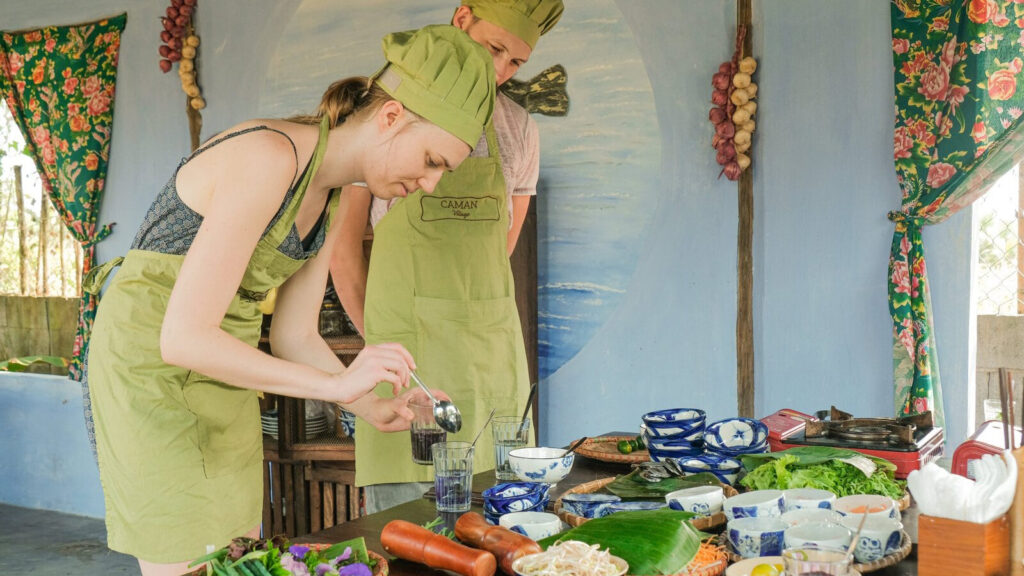
At the same time, Hoi An has embraced new creative experiences, offering workshops in lantern-making, wood carving, tofu production, Vietnamese coffee brewing, and fish sauce appreciation. According to Lonely Planet, these hands-on activities allow visitors not only to observe but also to participate directly in the creative process while gaining a deeper understanding of local culture and traditions.
3. Enjoy Water-Based Experiences
Surrounded by the Thu Bon River and the East Sea, Hoi An offers a wide range of experiences connected to its waterways.
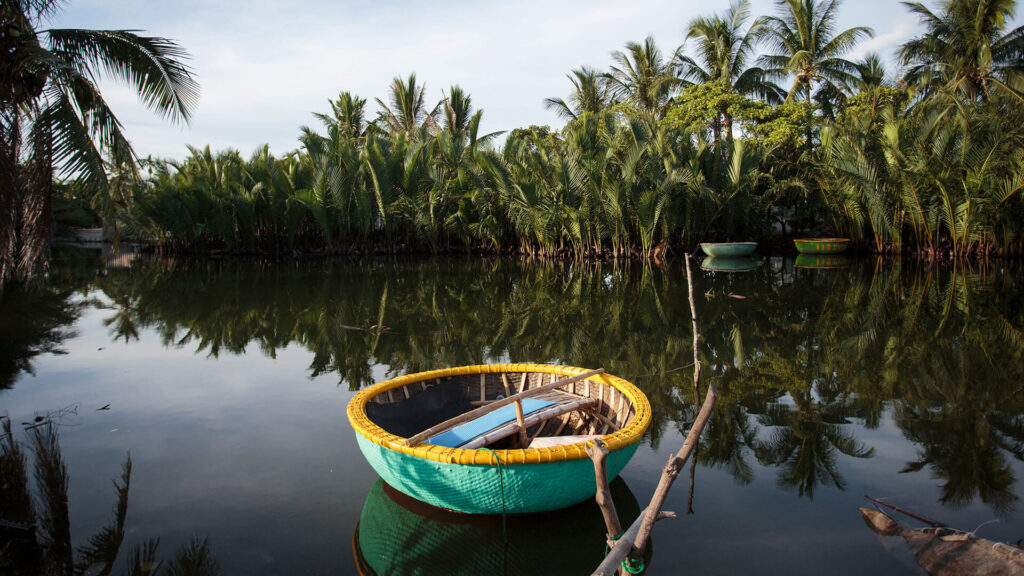
Beyond the popular basket boat rides in Cam Thanh Coconut Village, visitors can explore a quieter side of Hoi An by kayaking or stand-up paddleboarding along the river. Some programs even combine paddling with river clean-up activities, helping to protect the local environment.
For those seeking relaxation, An Bang Beach and Cua Dai Beach remain popular choices. An Bang, in particular, is known for its wide sandy shoreline and laid-back atmosphere, making it an ideal place to spend a leisurely day by the sea.
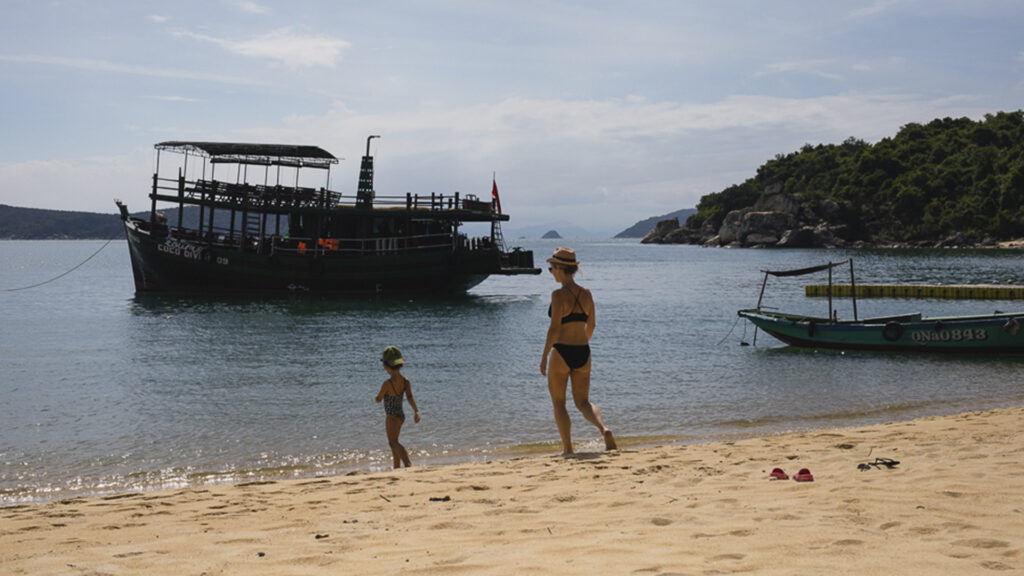
Nature enthusiasts may also want to visit Cham Islands, which Lonely Planet praises for their rich coral ecosystems and well-preserved marine environment. According to marine biologists, June and July are among the best months to experience the crystal-clear waters surrounding the islands.
4. Find Souvenirs with a Local Touch
Hoi An’s Ancient Town is filled with boutiques and souvenir shops, but Lonely Planet encourages visitors to seek out products that genuinely reflect the destination’s character.
One of the most rewarding options is joining lantern-making or jewelry-making workshops, allowing travelers to create and take home their own handcrafted keepsakes.
In addition, many local stores showcase handicrafts made from traditional materials sourced from ethnic communities across Vietnam, offering distinctive alternatives to mass-produced souvenirs.
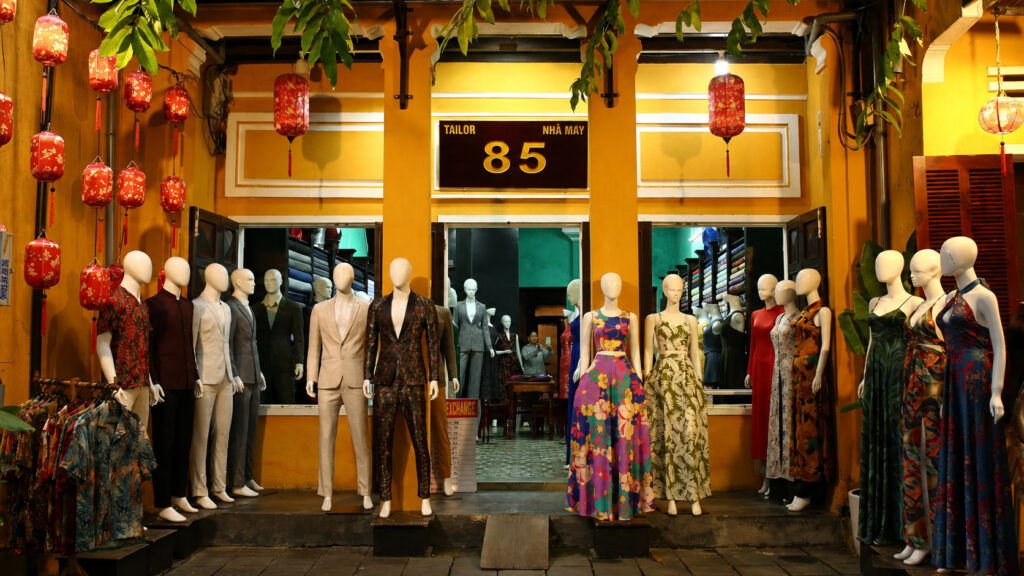
Hoi An is also renowned for its hundreds of tailor shops and leather workshops. Many businesses can produce custom-made suits, dresses, or leather shoes within just 24 to 48 hours, making bespoke shopping one of the town’s most memorable visitor experiences.
5. Discover Hoi An’s History Through Its Cuisine
According to Lonely Planet, Hoi An’s trading history is reflected not only in its architecture but also in its culinary traditions.
White rose dumplings (banh bao banh vac) are believed to have been inspired by Chinese dumpling-making techniques before being adapted to local ingredients and tastes.
Hoi An chicken rice is another iconic specialty, featuring fragrant rice cooked in chicken broth and served with shredded chicken, pickled vegetables, and a light broth.
Most notably, cao lau—Hoi An’s signature dish—is often regarded as a culinary reflection of the town’s multicultural heritage. Some theories suggest that the char siu-style pork was influenced by Chinese cuisine, while the noodles bear similarities to Japanese udon. Traditionally, the noodles are prepared using water from the historic Ba Le Well and lye water derived from ash sourced from Cham Islands.
6. Cycle Through Peaceful Countryside Landscapes
Just ten minutes from the Ancient Town, visitors can discover a completely different side of Hoi An, where emerald rice fields, fish ponds, and rural scenery create a peaceful atmosphere.
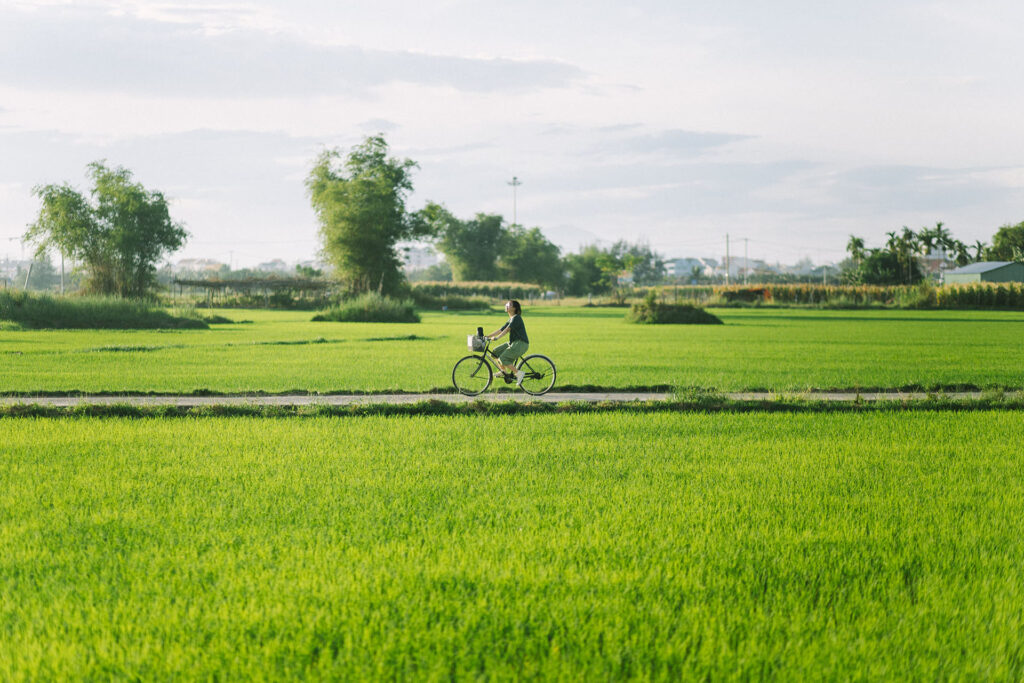
With its flat terrain, cycling is one of the best ways to explore the countryside. Among the most popular destinations is the 400-year-old Tra Que Vegetable Village, known for its lush gardens, cooking classes, and authentic rural charm.
Lonely Planet describes the area as an ideal place to experience a slower pace of life and gain a closer connection to the daily routines of local residents.
7. Capture Hoi An Through Photography
With its weathered walls, colorful lanterns, and historic temples, Hoi An has long been a favorite destination for photography enthusiasts.
According to local photographers featured by Lonely Planet, the town transforms throughout the day. Early mornings offer soft light and glimpses of everyday local life, while evenings bring vibrant lantern displays and a lively atmosphere along the riverside streets.
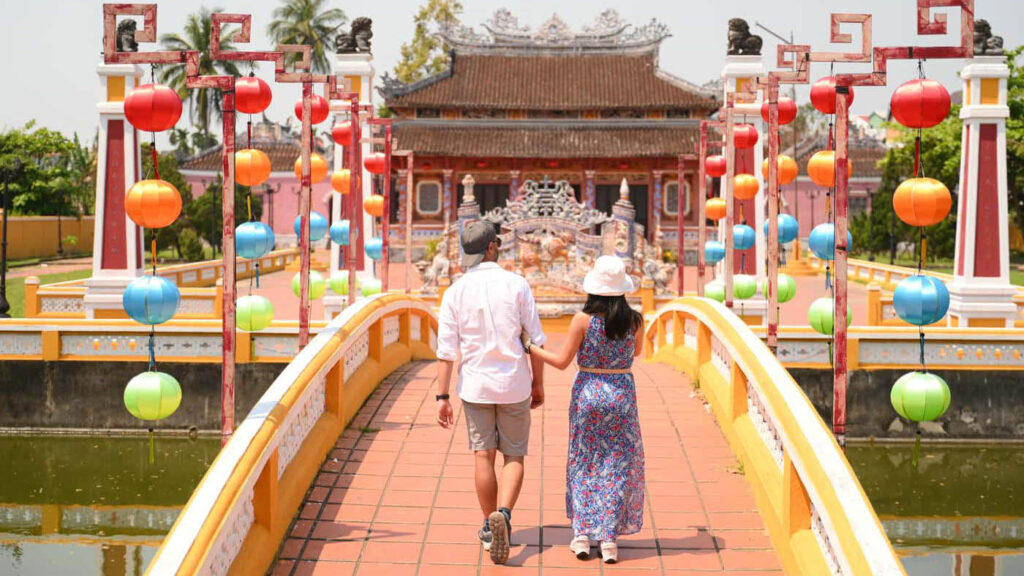
Beyond the Ancient Town itself, the surrounding countryside, fishing markets, and traditional craft villages provide excellent opportunities to capture authentic images of the region and its people.
Hoi An – Where Every Experience Tells a Story
According to Lonely Planet, the appeal of Hoi An extends far beyond its well-preserved architecture. Its true charm lies in the variety of experiences it offers within a single destination. From the cultural influences that shaped its history as a trading port to its traditional crafts, distinctive cuisine, waterways, and peaceful countryside, each experience contributes to a richer understanding of Hoi An and continues to inspire travelers from around the world.
Source: Lonely Planetdiscover. Perhaps that is why Hoi An continues to inspire travelers to return—not just once, but many times throughout their journey in Vietnam.
DANANG TOURISM PROMOTION CENTER