















Some flavors do not require a long journey to discover. Simply take a seat at a street-side stall, a family-run eatery tucked inside a local market, or a familiar corner restaurant, and visitors can begin to experience the layers of history and memory woven into Central Vietnam’s culinary traditions.
When exploring Da Nang, beyond its pristine beaches, iconic bridges, and modern resorts, the city’s world of noodle dishes forms an essential part of local life. From a bowl of mì Quảng in the morning and fish cake noodle soup at noon to a steaming bowl of bánh canh in the late afternoon, each dish tells its own story about the people, culture, and spirit of this coastal region.
From Rice Grains to Culinary Heritage
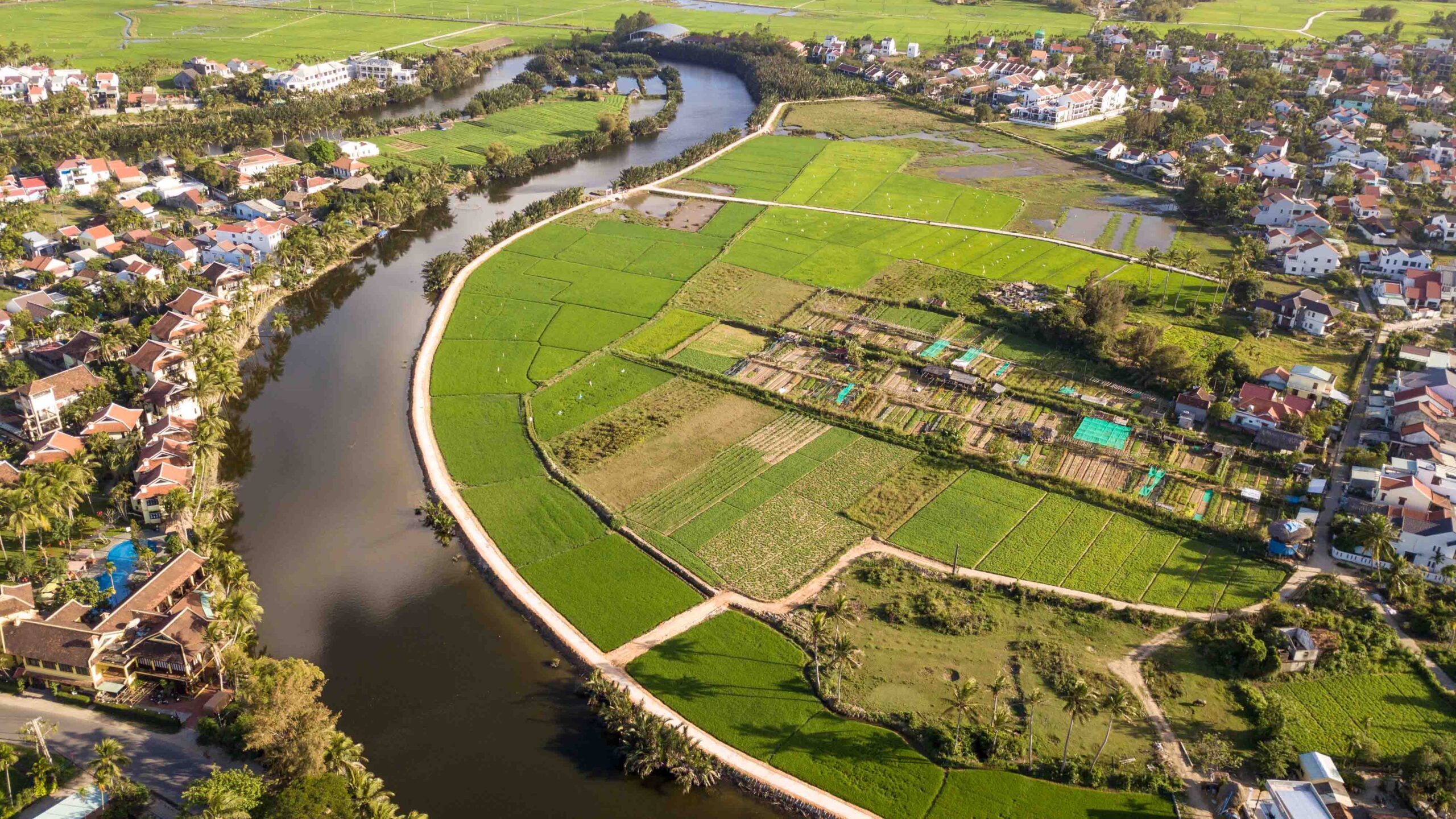
Vietnamese cuisine has been shaped by thousands of years of rice cultivation. From the humble grain of rice, generations of Vietnamese people have created an extraordinary variety of noodles, including mì, bún, phở, bánh canh, and hủ tiếu. Each has its own texture, appearance, and serving style, reflecting the natural conditions and lifestyle of different regions across the country.
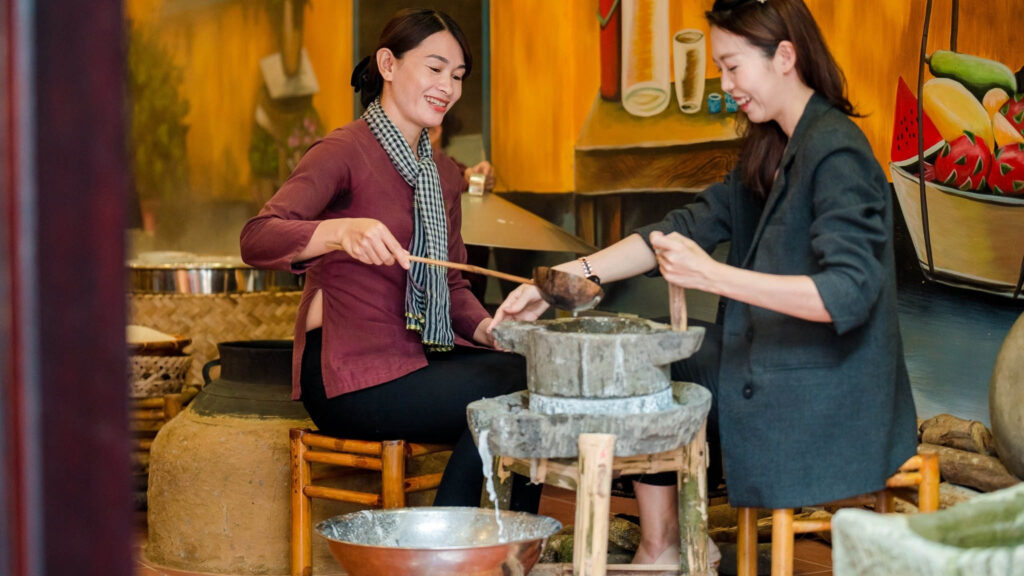
What makes noodle dishes particularly remarkable is their versatility. Some are served in delicate broths, others are mixed dry with rich seasonings. Some originated in rural markets, while others have found a place on the menus of luxury resorts and fine dining establishments.
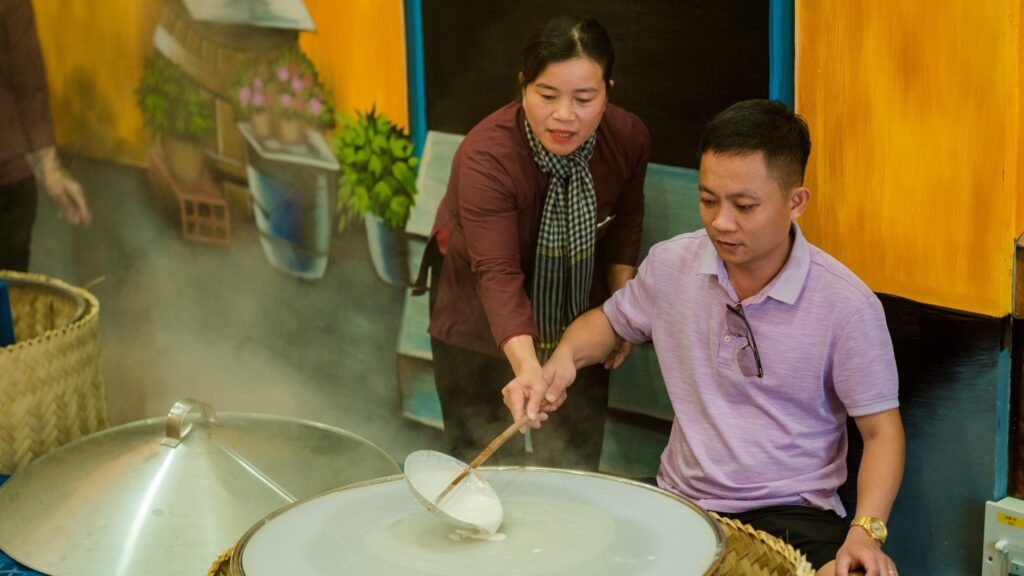
In Da Nang, noodle dishes can be found everywhere. They are part of daily meals, traditional markets, night markets, food streets, and upscale restaurants serving international visitors.
More than simply food, these dishes offer a sense of comfort and balance. They embody authenticity, where familiar ingredients come together harmoniously to create culinary experiences that are both accessible and deeply rooted in local culture.
Mì Quảng – The Flavor of Central Vietnam’s Daily Rhythm
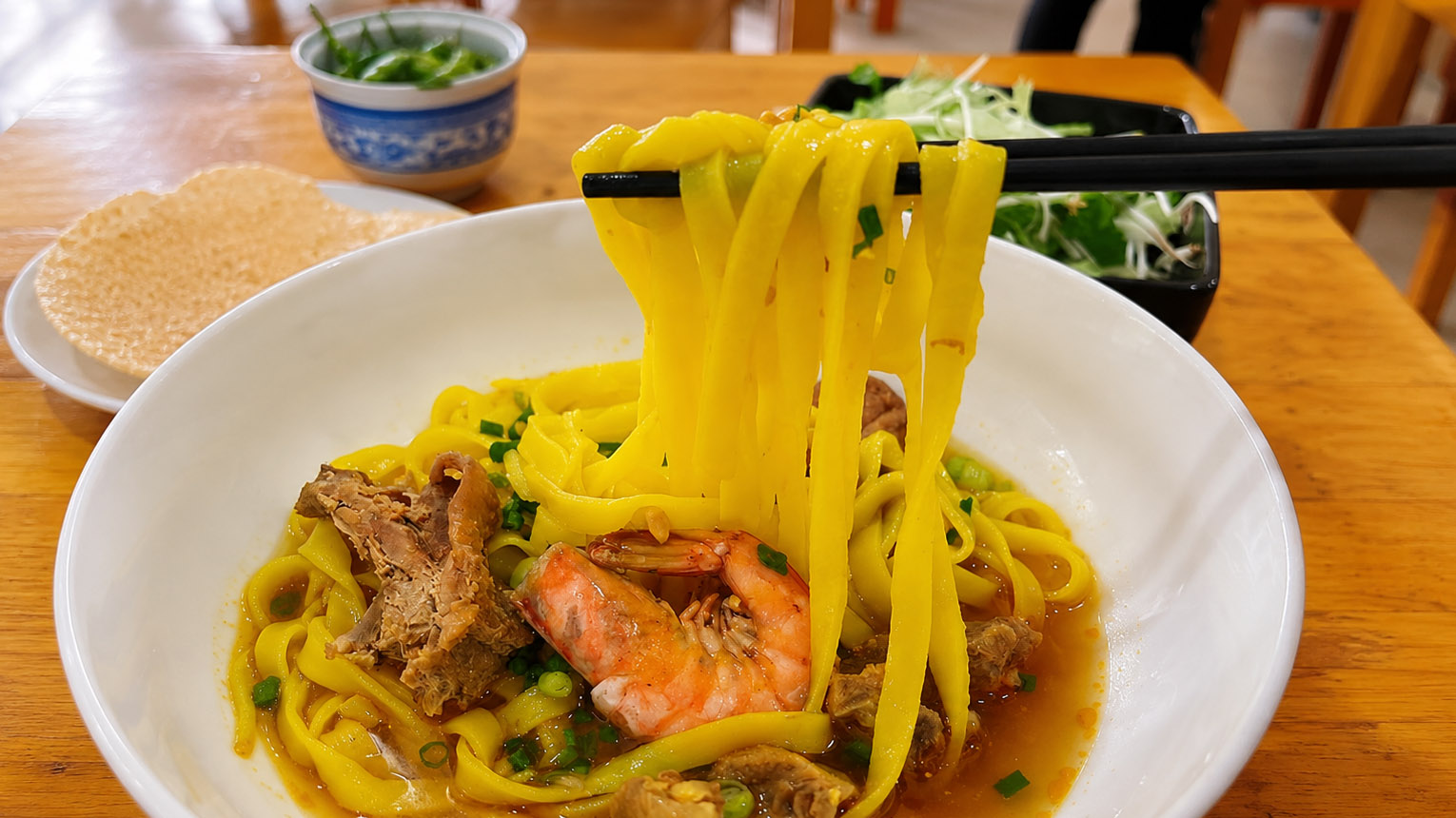
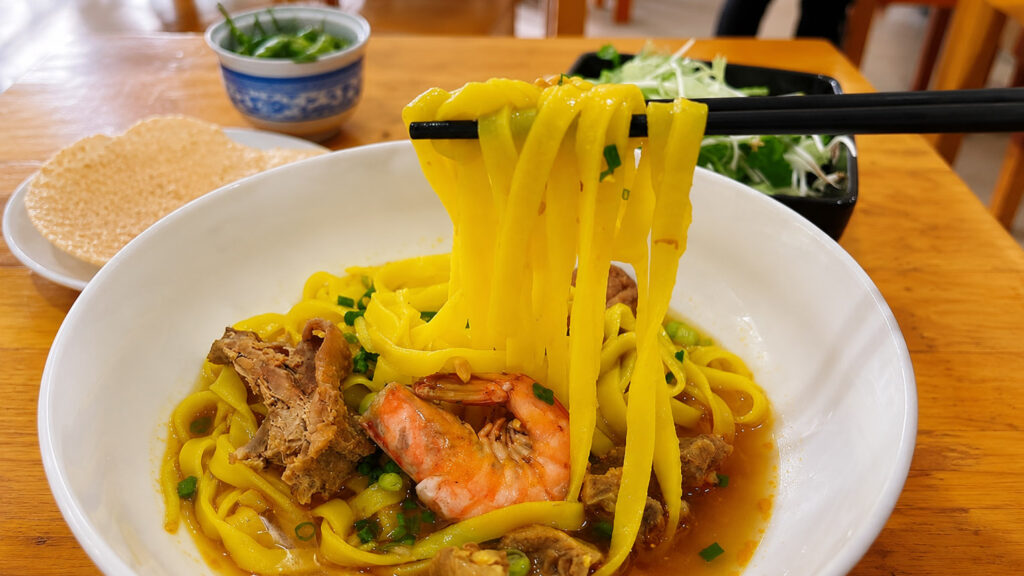
For many residents of Da Nang, mì Quảng is not reserved for special occasions; it is a natural part of everyday life. The signature bowl combines golden rice noodles, a modest amount of concentrated broth, fresh herbs, and crispy rice crackers, creating the distinctive balance that defines Central Vietnamese cuisine.
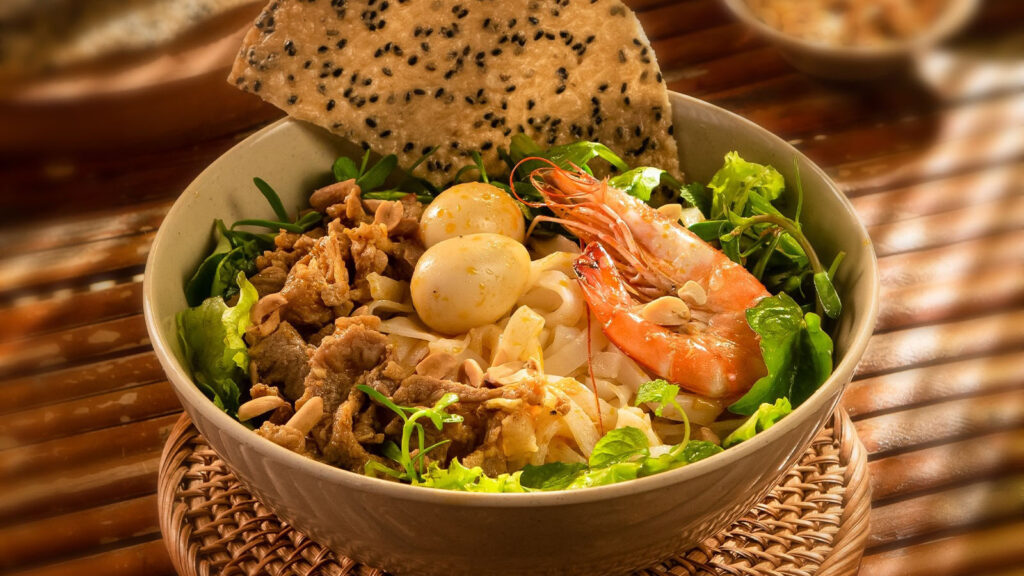
The appeal of mì Quảng lies not in complexity but in the harmony of its ingredients. When the noodles, herbs, and flavorful broth are mixed together, diners can appreciate a simple yet complete culinary experience in every bite.
Enjoying a bowl of mì Quảng in the morning is also one of the best ways for visitors to begin their exploration of Da Nang, following the rhythm of local life.
Bún Chả Cá – The Taste of Sea and City
As one of Da Nang’s signature dishes, bún chả cá (fish cake noodle soup) captures the essence of this coastal city. The broth is simmered from fish and vegetables, producing a naturally sweet and clear flavor. It is served with slices of steamed or fried fish cake that add both aroma and texture.
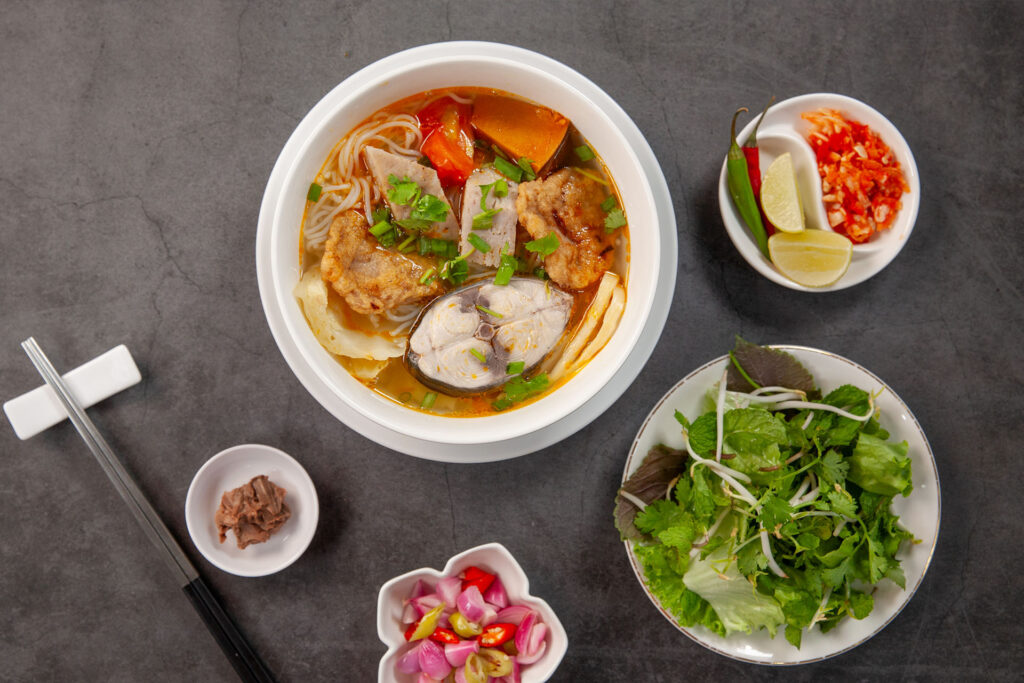
A good bowl of bún chả cá achieves a delicate balance between the sweetness of the broth, the fragrance of the fish cakes, and the freshness of accompanying herbs. A touch of fermented shrimp paste, garlic chili sauce, or pickled onions can enhance the flavor while preserving the dish’s characteristic lightness.
More than just a local favorite, bún chả cá is one of the first dishes many visitors seek out when exploring Da Nang’s culinary scene.
Cao Lầu – A Heritage Flavor in Da Nang
Cao lầu is one of the signature dishes closely associated with the ancient town of Hội An, reflecting the rich cultural and historical heritage of this remarkable destination. With its distinctive flavors and unique preparation methods, the dish has become a sought-after culinary experience for travelers exploring Central Vietnam, enriching their journey through the region’s culture, history, and local cuisine.
Cao lầu features thick, chewy noodles served with char siu-style pork, crispy pork cracklings, and fresh herbs. Unlike many Vietnamese noodle dishes, it contains very little broth, allowing diners to fully appreciate its layered textures and flavors.
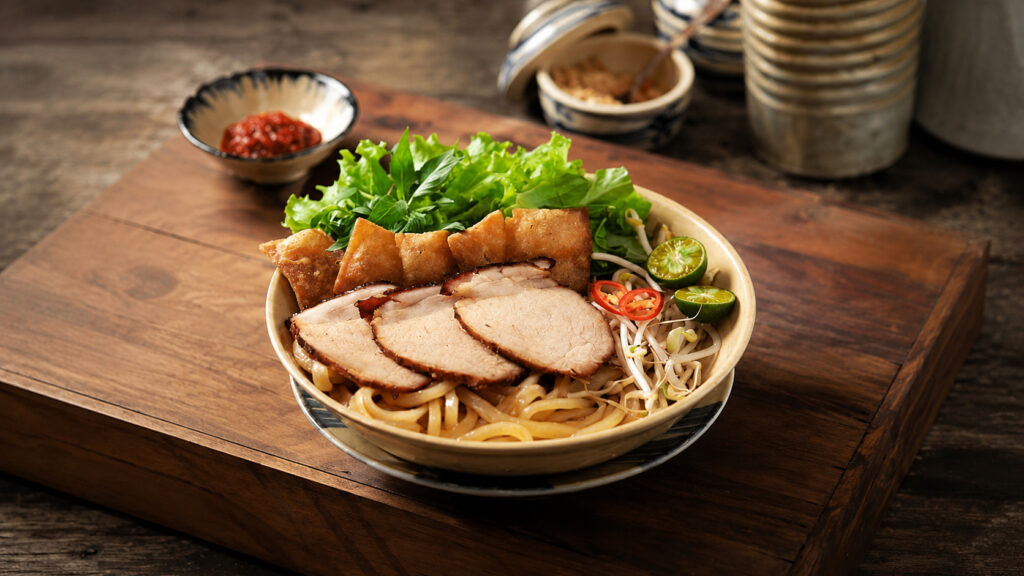
Amid the modern pace of Da Nang, a bowl of cao lầu carries the spirit of Quảng heritage. It is not merely a specialty dish but also a culinary bridge connecting two culturally rich regions, offering visitors a deeper glimpse into Central Vietnam’s authentic way of life.
Quế Sơn Cassava Noodles – A Creative Culinary Legacy
Beyond the well-known mì Quảng and cao lầu, Quế Sơn cassava noodles offer a unique culinary experience from the countryside of Quảng Nam. The dish reflects the ingenuity of local communities in transforming readily available ingredients into something distinctive.
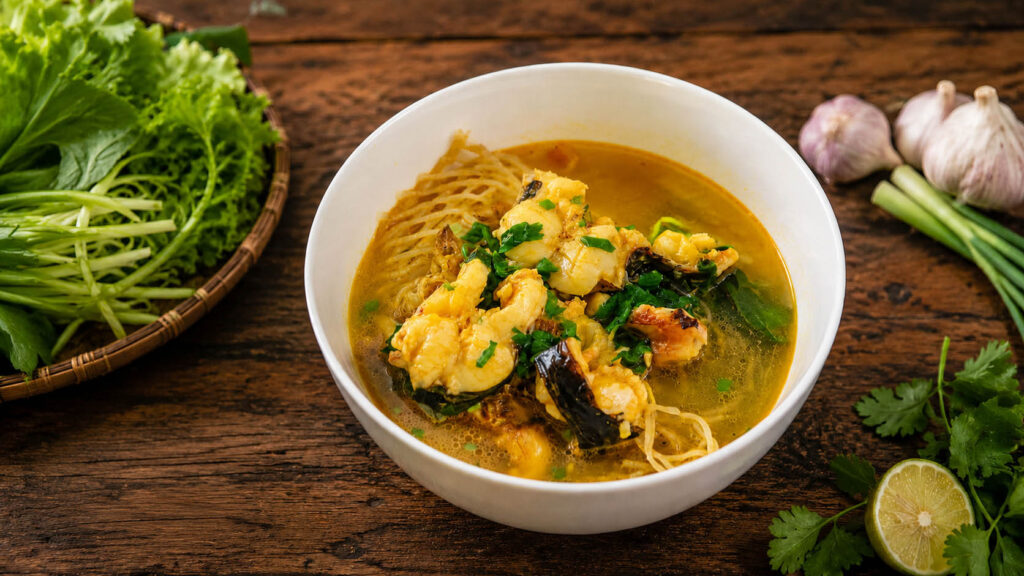
The noodles are made from cassava, formed into woven sheets and sun-dried before use. Once prepared, they develop a pleasantly chewy texture and a subtle aroma unlike any other noodle variety. Cassava noodles are often served with snakehead fish or prepared as a mixed noodle dish, creating a rustic yet memorable flavor.
More than a regional specialty, cassava noodles represent the resourcefulness, simplicity, and resilience of generations of people from Quảng Nam.
Bánh Canh – A Comforting Local Favorite
Bánh canh is one of the most familiar dishes in everyday life throughout Da Nang. Its thick, soft, and chewy noodles are served in rich broths made from ingredients such as crab, fish, shrimp, pork, or fish cakes, resulting in a dish that is both comforting and approachable.
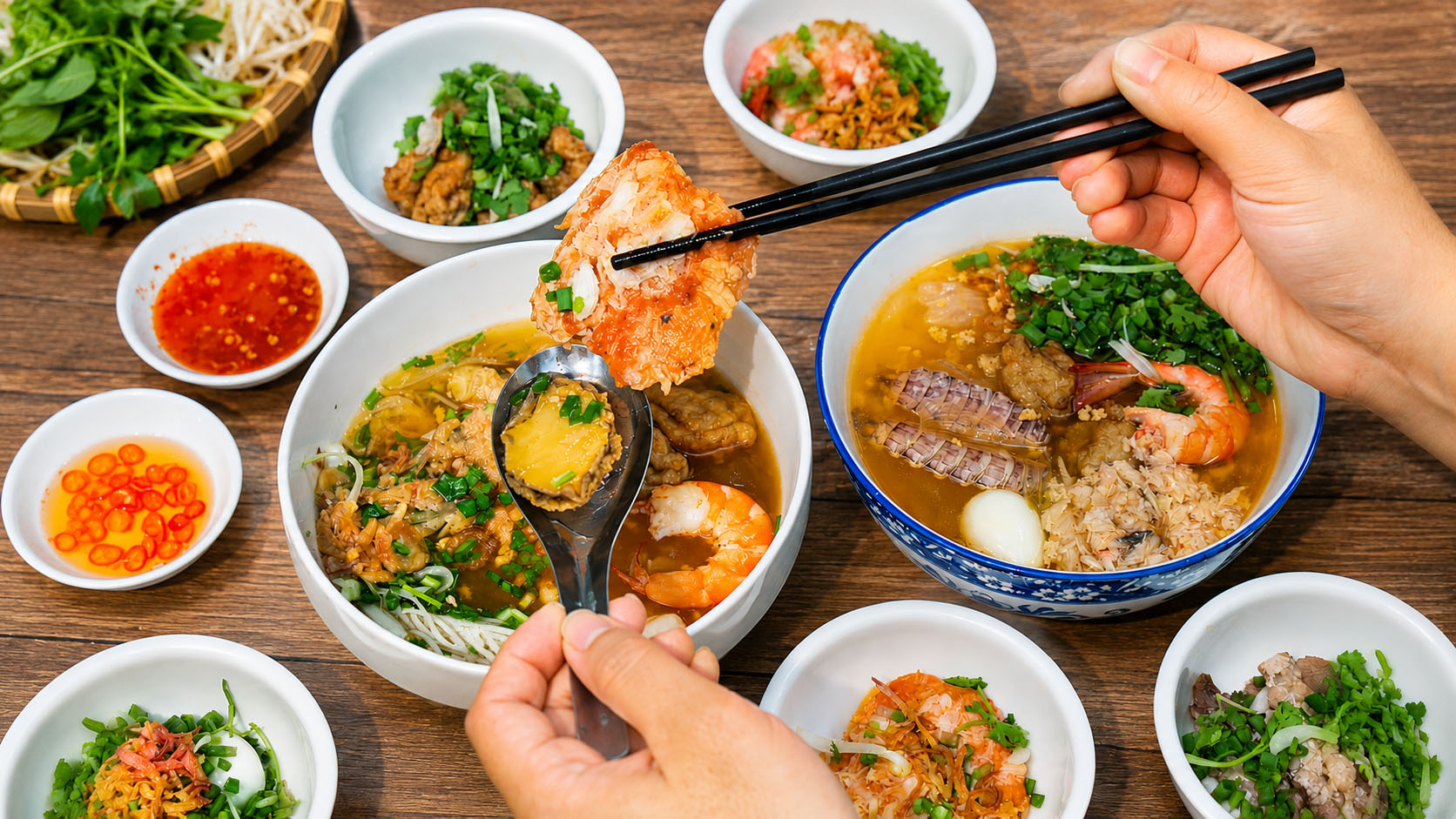
Among its many variations, bánh canh ruộng is particularly associated with Da Nang. The name originated from noodle shops that once stood beside rice fields on the outskirts of the city. What began as an affordable meal for local workers gradually evolved into a beloved specialty sought out by visitors.
Today, bánh canh ruộng continues to attract diners thanks to its flavorful broth, generous ingredients, and rustic character that reflects the essence of local cuisine.
Bún Mắm Nêm – Central Vietnam in a Bowl
If there is one dish that best represents the bold personality of Central Vietnamese cuisine, it is bún mắm nêm. This noodle dish is defined by its intensely flavorful fermented anchovy sauce blended with garlic, chili, pineapple, and various seasonings.
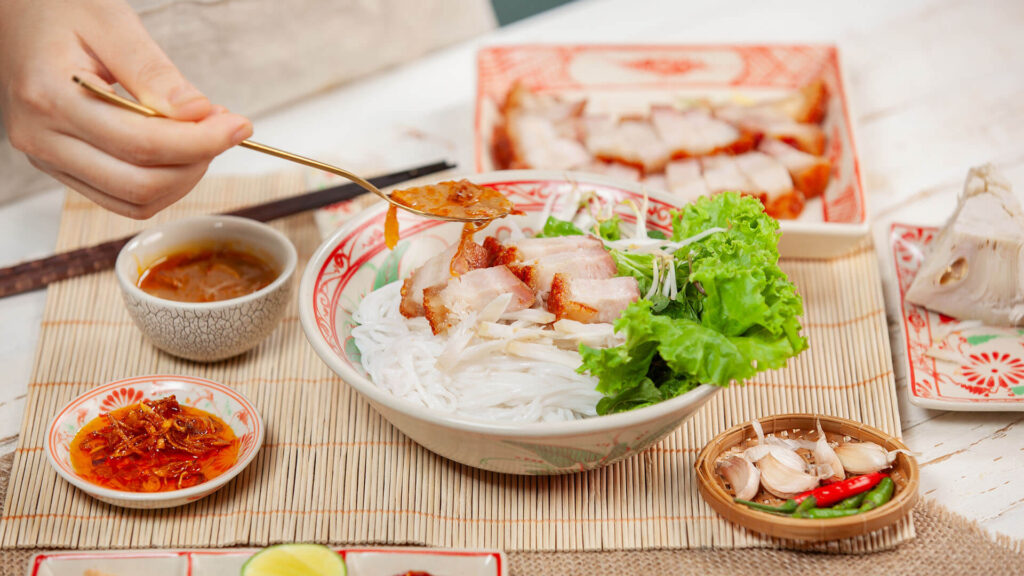
Combined with fresh rice vermicelli, pork, young jackfruit, herbs, and roasted peanuts, the ingredients create a vibrant and harmonious combination. More than a popular local dish, bún mắm nêm offers visitors an authentic taste of the honesty, simplicity, and cultural identity of Central Vietnam.
Bún Thịt Nướng – A Familiar Urban Flavor
Simple in preparation yet consistently appealing, bún thịt nướng holds a special place in Da Nang’s food culture. Marinated pork is grilled over charcoal until fragrant, then served with fresh vermicelli, herbs, and a balanced dipping sauce.
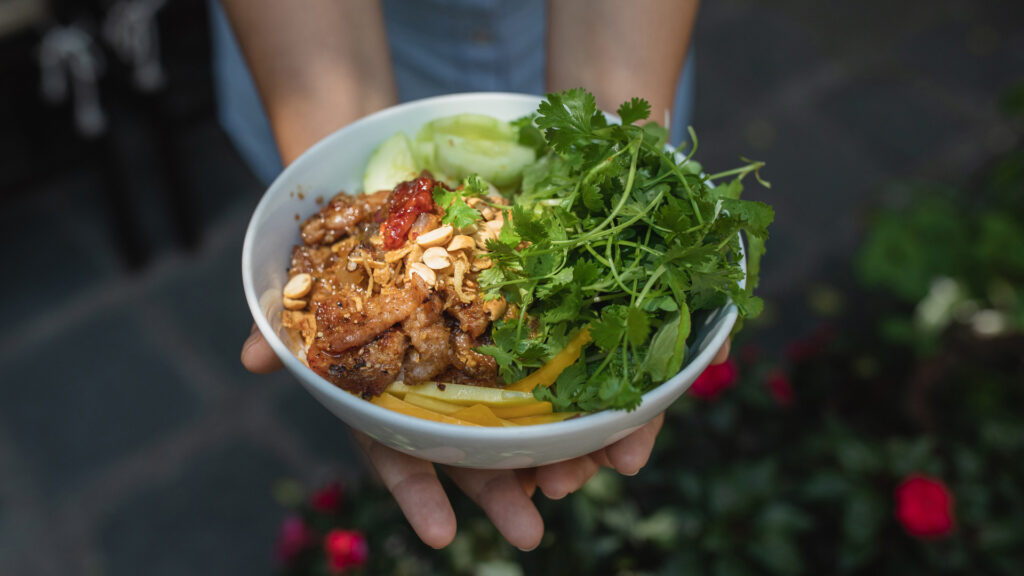
The dish can be found everywhere—from neighborhood eateries and traditional markets to bustling food streets. For visitors, it offers a natural way to experience local daily life: uncomplicated, approachable, and full of Central Vietnamese character.
Hủ Tiếu – A Reflection of Culinary Exchange
Originating from cultural exchanges in Southern Vietnam and Chinese communities, hủ tiếu has gradually adapted to local tastes in Da Nang. From its light, naturally sweet broth to its combination of ingredients, each restaurant presents its own interpretation while maintaining the dish’s gentle and easy-to-enjoy character.
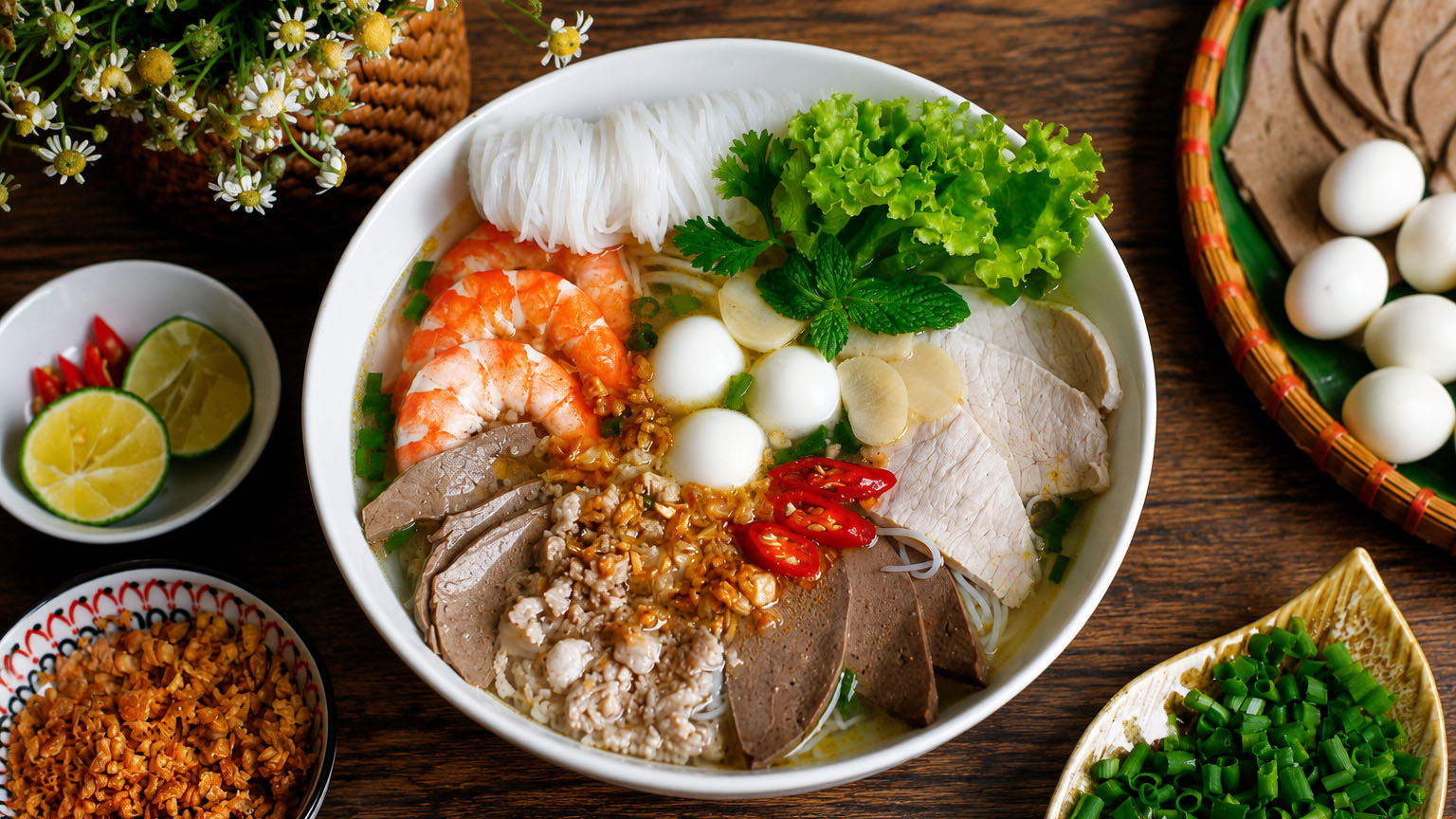
Its presence in Da Nang’s culinary landscape reflects the city’s openness, where diverse cultural and culinary influences come together. For travelers, hủ tiếu provides a familiar and balanced option, especially after exploring the bolder flavors of Central Vietnamese cuisine.
Exploring Da Nang Through Its Noodle Dishes
In addition to Da Nang’s local specialties, visitors can also find many of Vietnam’s most famous noodle dishes throughout the city, including phở, bún bò Huế, hủ tiếu, and bún riêu, served in regional restaurants, food courts, and dining establishments.
This gathering of culinary traditions from across Vietnam creates a diverse noodle culture right in the heart of Da Nang. From the refined flavors of Northern Vietnam and the bold character of Central cuisine to the diversity of the South, each dish contributes to a rich and inspiring culinary journey.
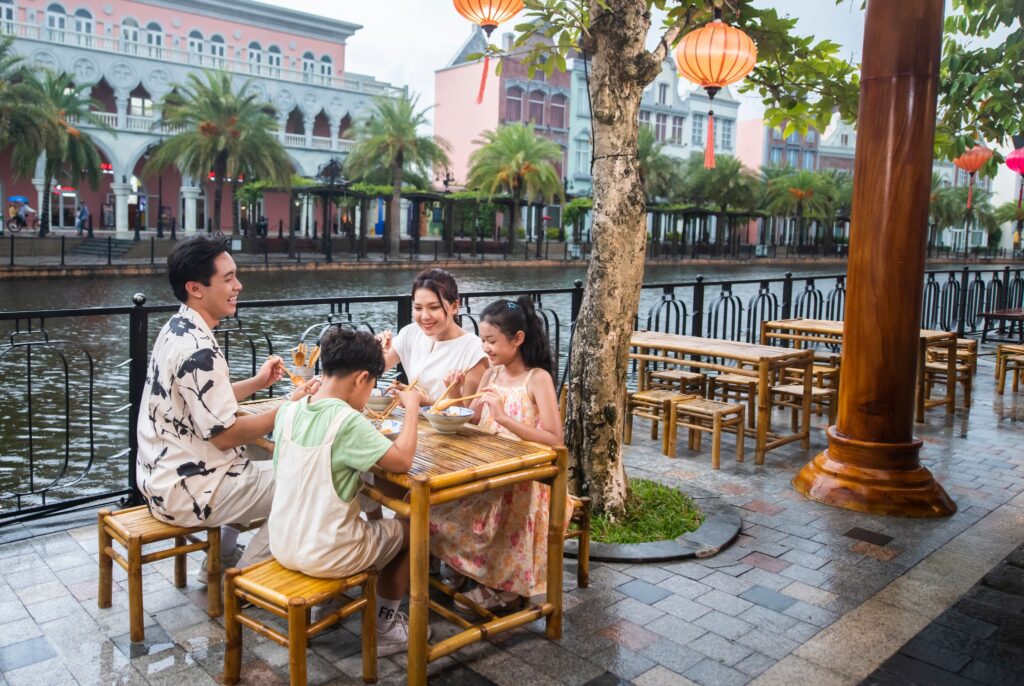
From a morning bowl of mì Quảng and midday fish cake noodle soup to afternoon bún mắm nêm and a steaming bowl of bánh canh after sunset, Da Nang’s noodle dishes offer visitors a pathway into the city’s everyday life.
These dishes are more than stories of ingredients and cooking techniques. They are stories of memory, tradition, and the enduring connection between people and the land they call home.
DANANG TOURISM PROMOTION CENTER