















Beyond illuminating the charming streets of Hoi An Ancient Town, traditional lanterns carry cultural meanings through their shapes, forms, and frame structures. From round and hexagonal lanterns to garlic-shaped, pyramid-shaped, and diamond-shaped designs, each form reflects folk beliefs and aspirations for peace, prosperity, and a fulfilling life.
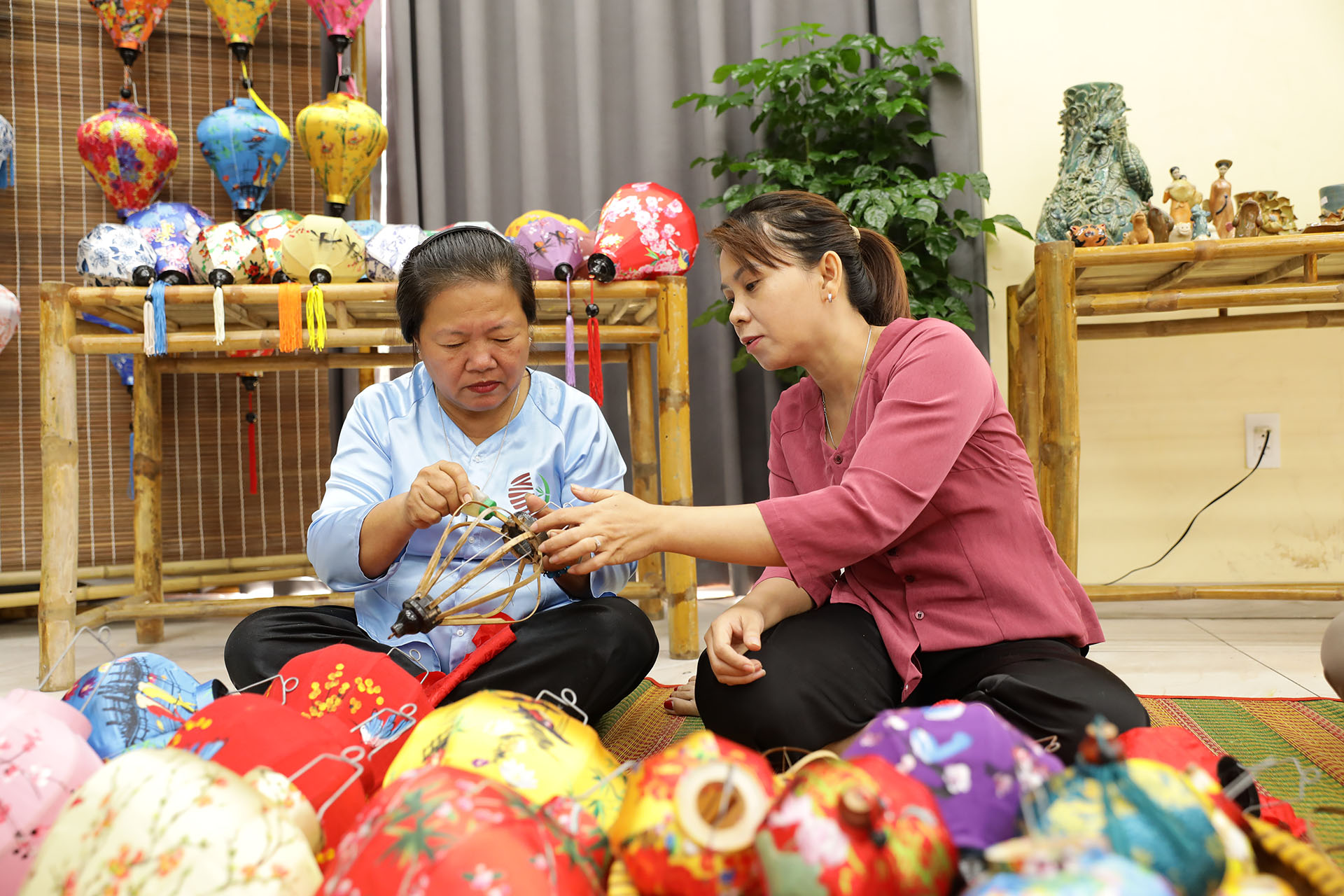
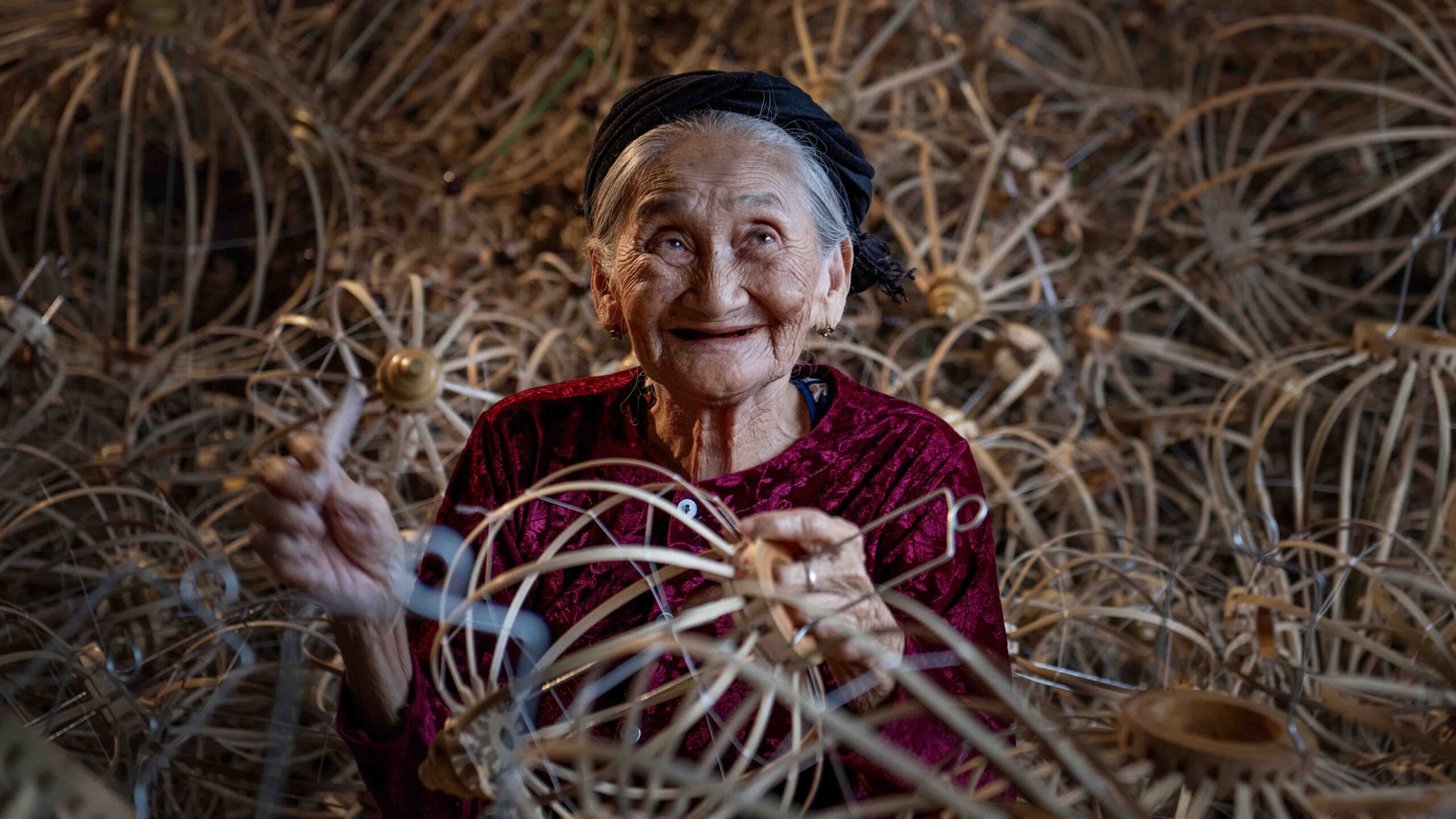
In Hoi An’s traditional lantern-making craft, bamboo strips are carefully shaped into a variety of forms. According to notes compiled by Hien Le based on insights shared by long-time lantern-making artisans in Hoi An, each lantern shape represents not only craftsmanship but also cultural meanings rooted in local traditions.
Lantern Shapes Symbolizing Peace and Prosperity
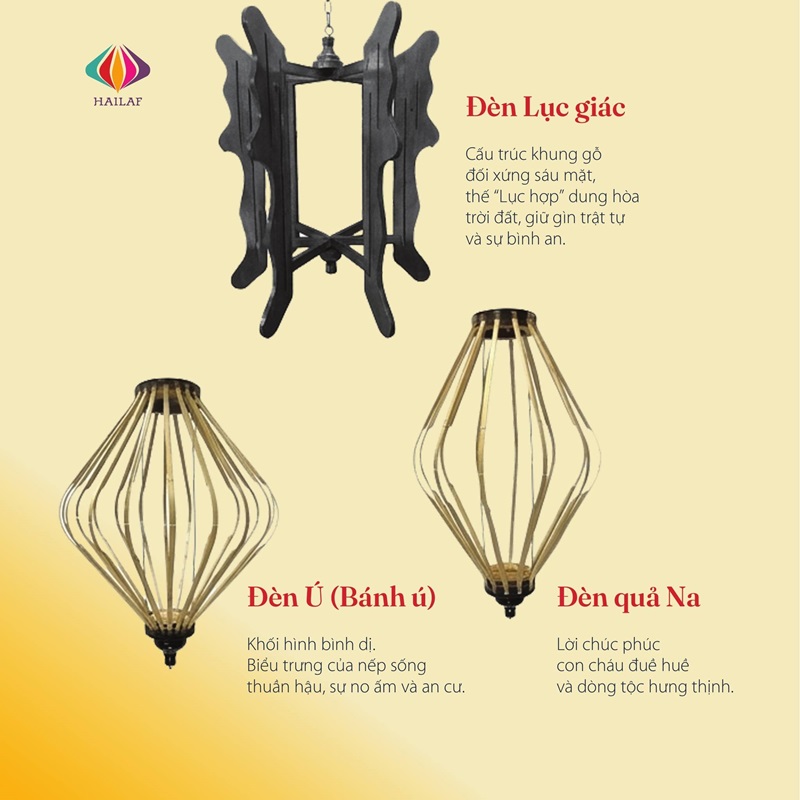
The hexagonal lantern features a symmetrical six-sided wooden frame and is associated with the Eastern concept of the “Six Directions”: East, West, South, North, Heaven, and Earth. It symbolizes harmony, order, and peace and is traditionally found in formal spaces such as ancestral shrines and assembly halls.
The round lantern is one of the most familiar designs, resembling a full moon. Its circular form symbolizes family reunion, harmony, and wishes for a fulfilling and prosperous life.
The pyramid-shaped lantern (Banh U lantern) features a simple form inspired by a traditional Vietnamese rice cake and the country’s wet-rice agricultural heritage. It represents abundance, warmth, and the humble values of rural life.
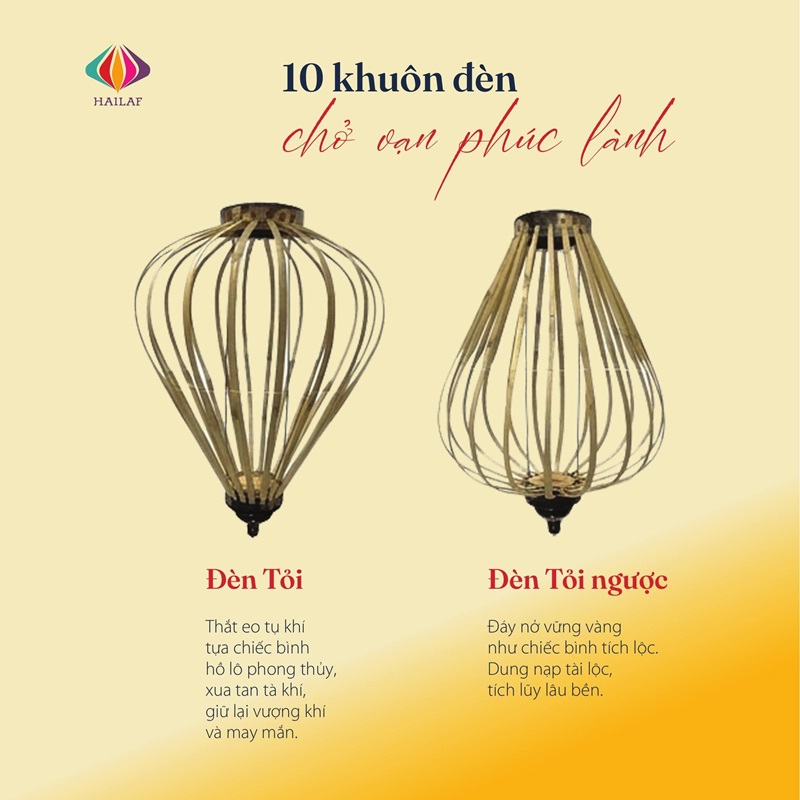
The sugar apple-shaped lantern has a rounded, full-bodied structure, conveying wishes for a large family and prosperity across generations. Meanwhile, the garlic-shaped lantern, with its broad upper body tapering towards the base, resembles a traditional feng shui gourd and is believed to ward off misfortune and protect peace and well-being.
In contrast, the inverted garlic-shaped lantern has a wider base resembling a vessel for collecting wealth, symbolizing stability, prosperity, and good fortune.
Artistic Forms and Meanings Inspired by Everyday Life
Beyond lanterns associated with family wishes, other traditional designs reflect ideas of growth, openness, and hospitality.
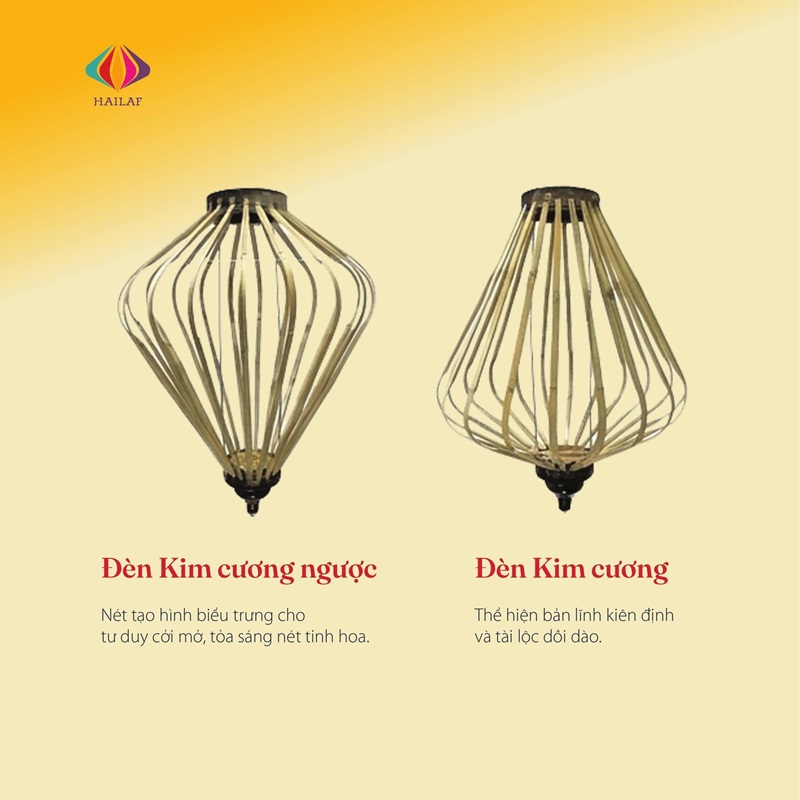
The diamond-shaped lantern, characterized by its angular lines, symbolizes determination and integrity. The inverted diamond-shaped lantern, wider at the top and gradually narrowing towards the base, represents open-mindedness and the ability to embrace and learn from new ideas.
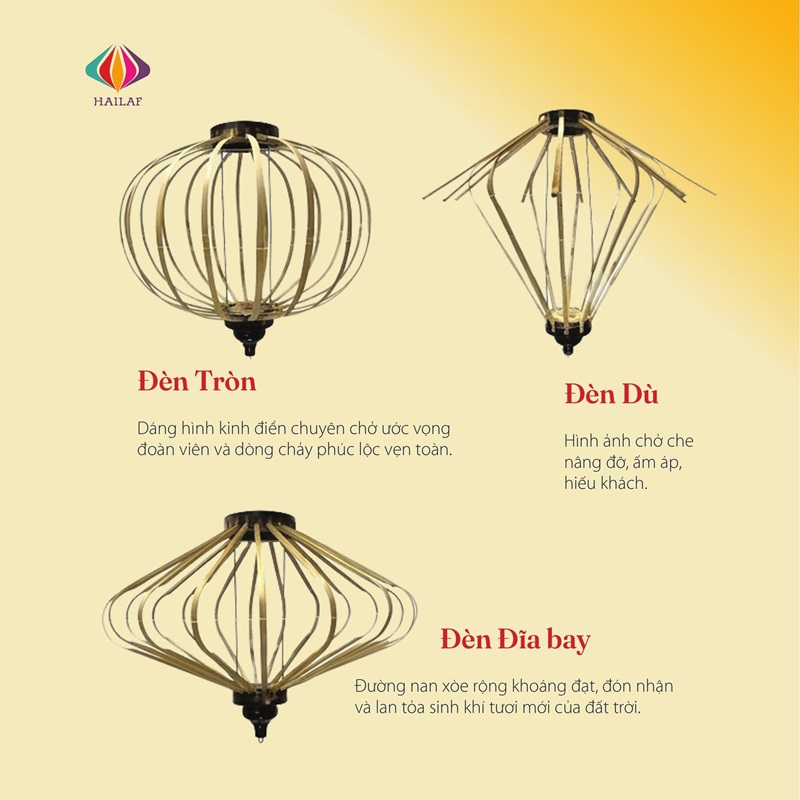
The flying saucer-shaped lantern (flat lantern) features widely spread bamboo ribs, symbolizing openness, generosity, and the welcoming of fresh energy from nature.
The umbrella-shaped lantern (canopy lantern) draws inspiration from a protective umbrella or ceremonial canopy, representing care, protection, and the welcoming spirit of Hoi An’s people.
Another distinctive form is the carousel lantern, known for its moving images. Heat from the flame creates rising air currents that rotate an inner mechanism, bringing silhouettes and scenes from traditional stories to life. This movement evokes the cyclical nature of time and traditional beliefs about cause and effect.
From Traditional Lantern Frames to Hoi An’s Cultural Identity
Each Hoi An lantern reflects a combination of craftsmanship, artistic expression, and cultural beliefs passed down through generations. In the hands of local artisans, bamboo strips, wooden joints, and silk coverings are transformed into diverse lantern designs that contribute to the distinctive visual identity of the ancient town.
Discovering the meanings behind these lantern shapes offers another way to explore Hoi An through familiar details of everyday life, where traditional craftsmanship continues to preserve stories of local culture and community.
DA NANG TOURISM PROMOTION CENTER
Author: Hien Le (compiled from insights shared by long-time lantern-making artisans in Hoi An).
Source: Hoi An World Cultural Heritage Conservation Center.