















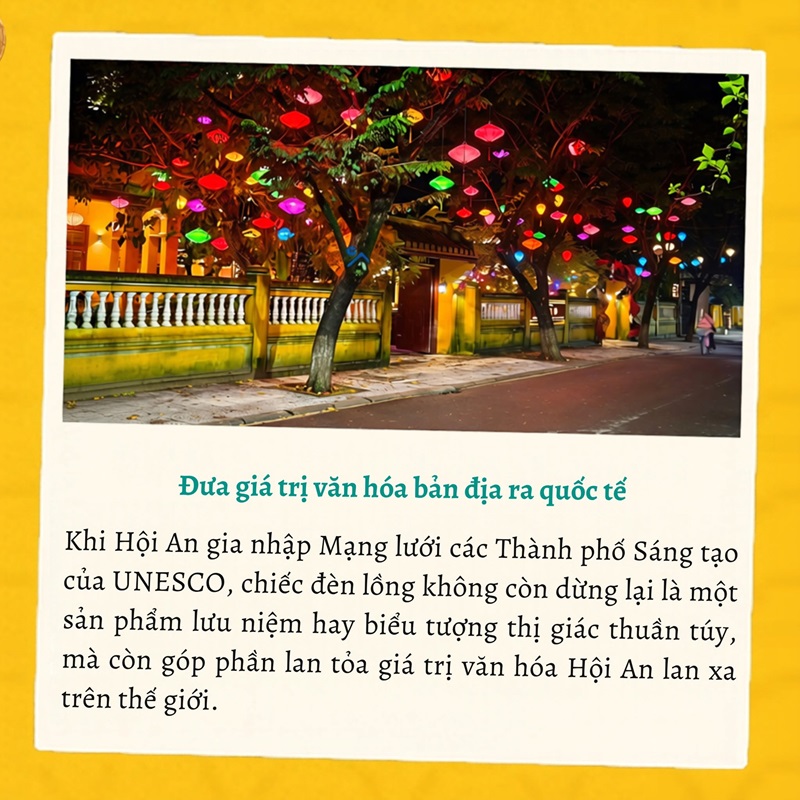
From an iconic symbol of the ancient town to a source of inspiration for contemporary art and design, Hoi An lanterns embody cultural values shaped over centuries. As a member of the UNESCO Creative Cities Network in the field of Crafts and Folk Art, Hoi An continues to highlight the role of traditional lantern making in connecting local heritage with contemporary creativity and international cultural exchange.
Traces of Cultural Exchange in Every Lantern
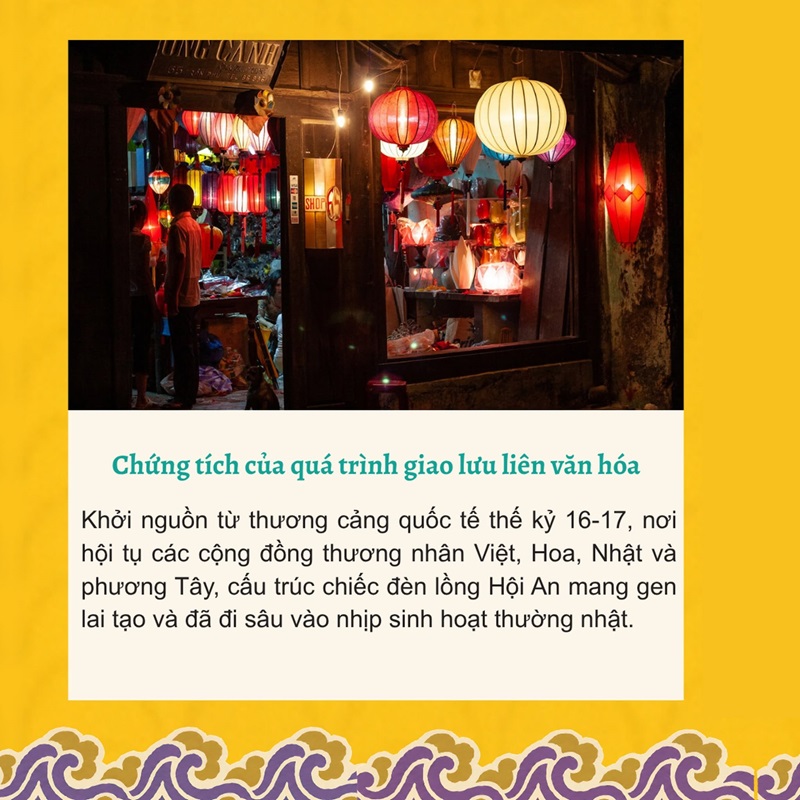
The history of Hoi An’s lantern-making craft is closely associated with the development of the town as an international trading port during the 16th and 17th centuries, when Vietnamese, Chinese, Japanese, and Western merchant communities came together.
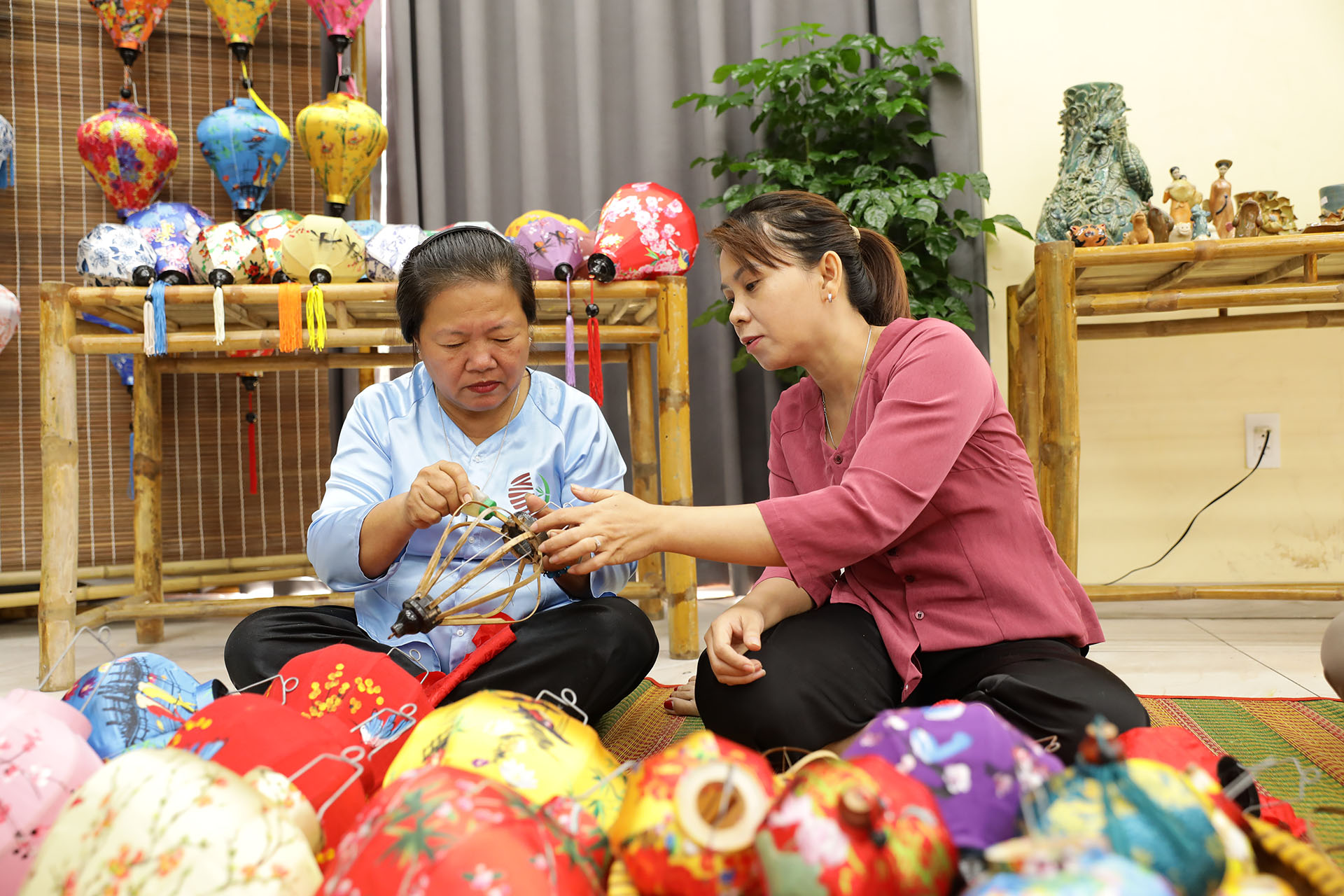
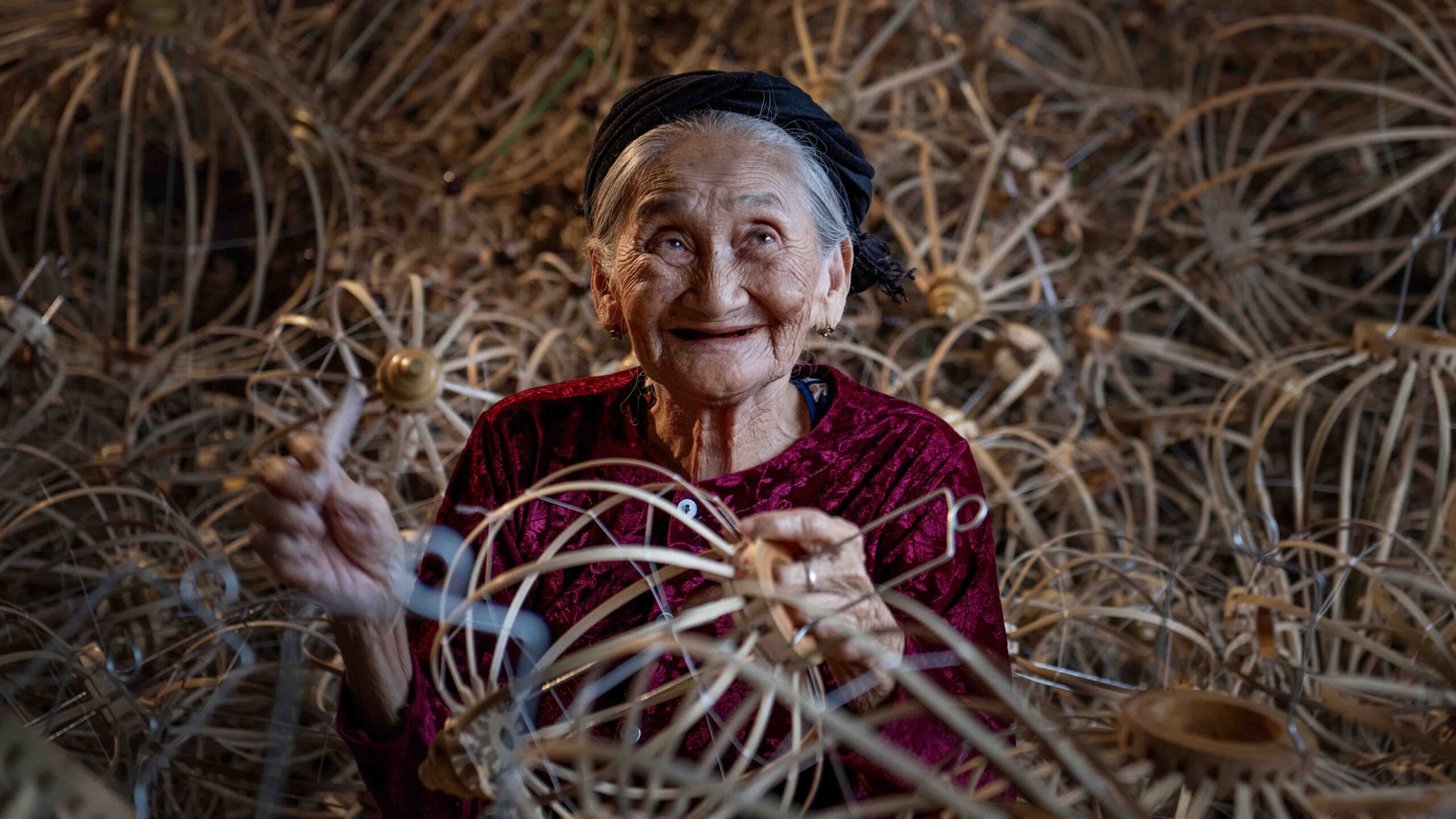
Through centuries of cultural exchange, Hoi An lanterns developed distinctive structural and artistic characteristics. Local bamboo-processing and shaping techniques were combined with Eastern aesthetics and the delicate beauty of silk, creating handcrafted products that reflect the unique cultural identity of the ancient town.
Beyond their presence in craft shops or their role as souvenirs for visitors, lanterns remain closely connected to community life, from religious spaces in assembly halls and the livelihoods of artisan families to the traditional full-moon nights of Hoi An Ancient Town.
Over time, lanterns have become part of Hoi An’s living heritage, preserving the legacy of cultural exchange and contributing to the town’s distinctive identity.
From Traditional Craftsmanship to Contemporary Creative Expression
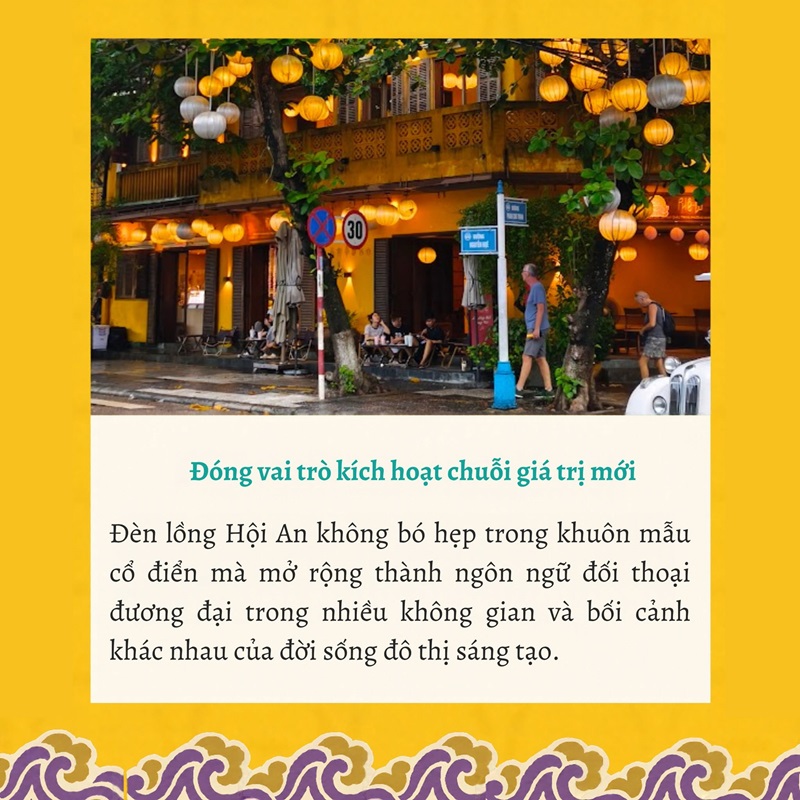
As a UNESCO Creative City, Hoi An is exploring ways to preserve traditional lantern making while embracing new approaches to art and design.
The combination of traditional bamboo-shaping techniques with contemporary artistic forms, alongside experimentation with materials such as coconut paper, natural fibres, and bamboo, opens up new possibilities for the craft.
Notably, a workshop held on October 27, 2026, introduced Japanese Neputa lantern structures, offering an example of cultural exchange through different lantern-making techniques and artistic traditions.
Beyond traditional decorative lanterns, lantern art is increasingly being explored through public art installations, light performances, and landscape design, creating new ways for audiences to engage with cultural heritage in contemporary settings.
Hoi An lanterns therefore contribute not only to the town’s identity as an international tourism destination but also serve as cultural ambassadors, connecting traditional craftsmanship with creative communities and global artistic trends.
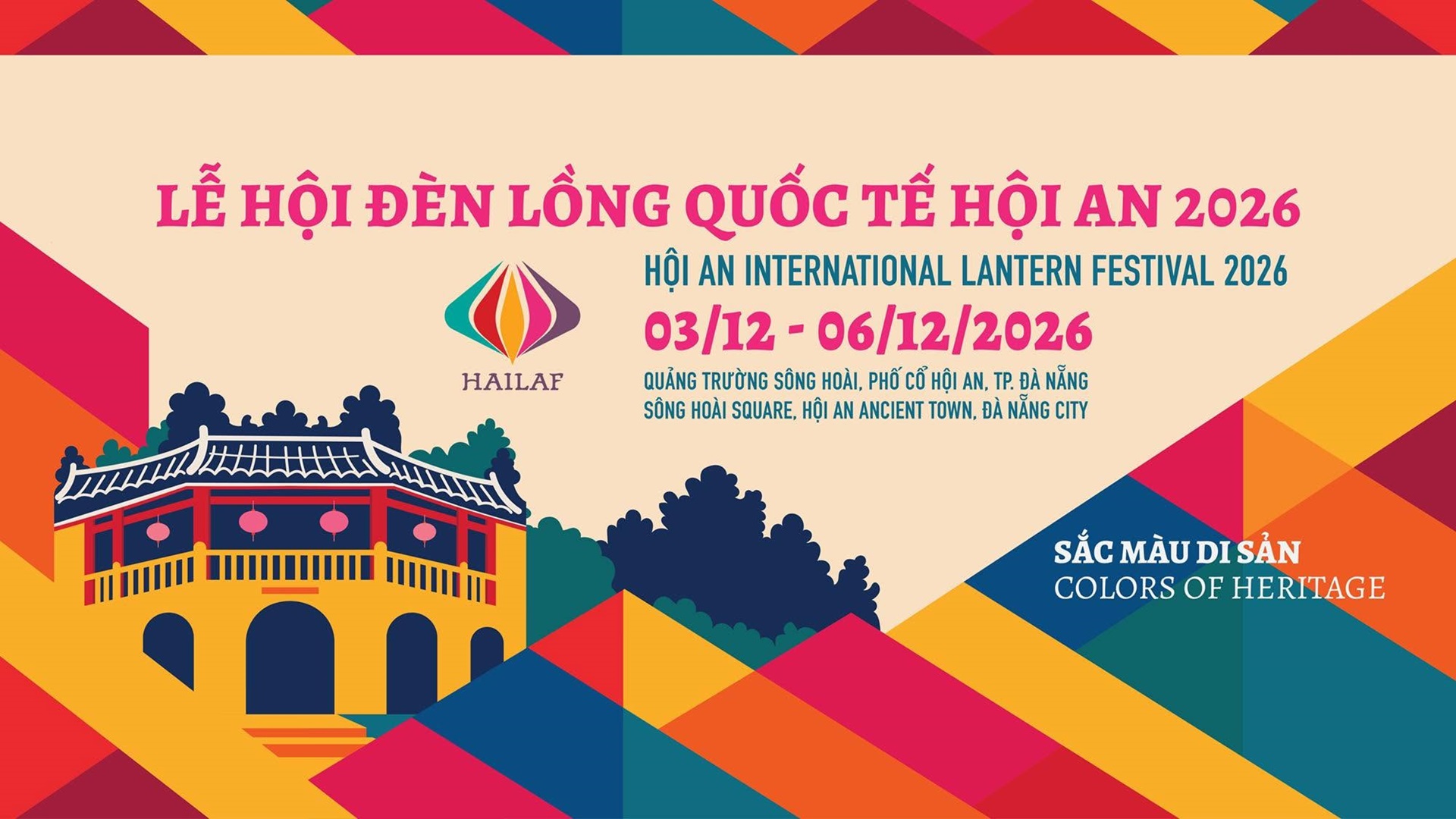
This spirit of cultural connection will also be celebrated at the Hoi An International Lantern Festival 2026, under the theme “Colors of Heritage”, taking place from December 3 to 6, 2026, at Sông Hoài Square and Hoi An Ancient Town, Da Nang City.
The festival will create a space for artistic exchange between Hoi An and international participants, further sharing the ancient town’s distinctive cultural heritage with visitors from around the world.
DA NANG TOURISM PROMOTION CENTER
Author: Le Thu Hien
Source: Hoi An World Cultural Heritage Conservation Center