





Da Nang’s street food is more than just delicious—it preserves the city’s rhythm of life, culture, and local stories in every humble dish.
It is no coincidence that many travelers say the flavor is what they remember most about Da Nang.
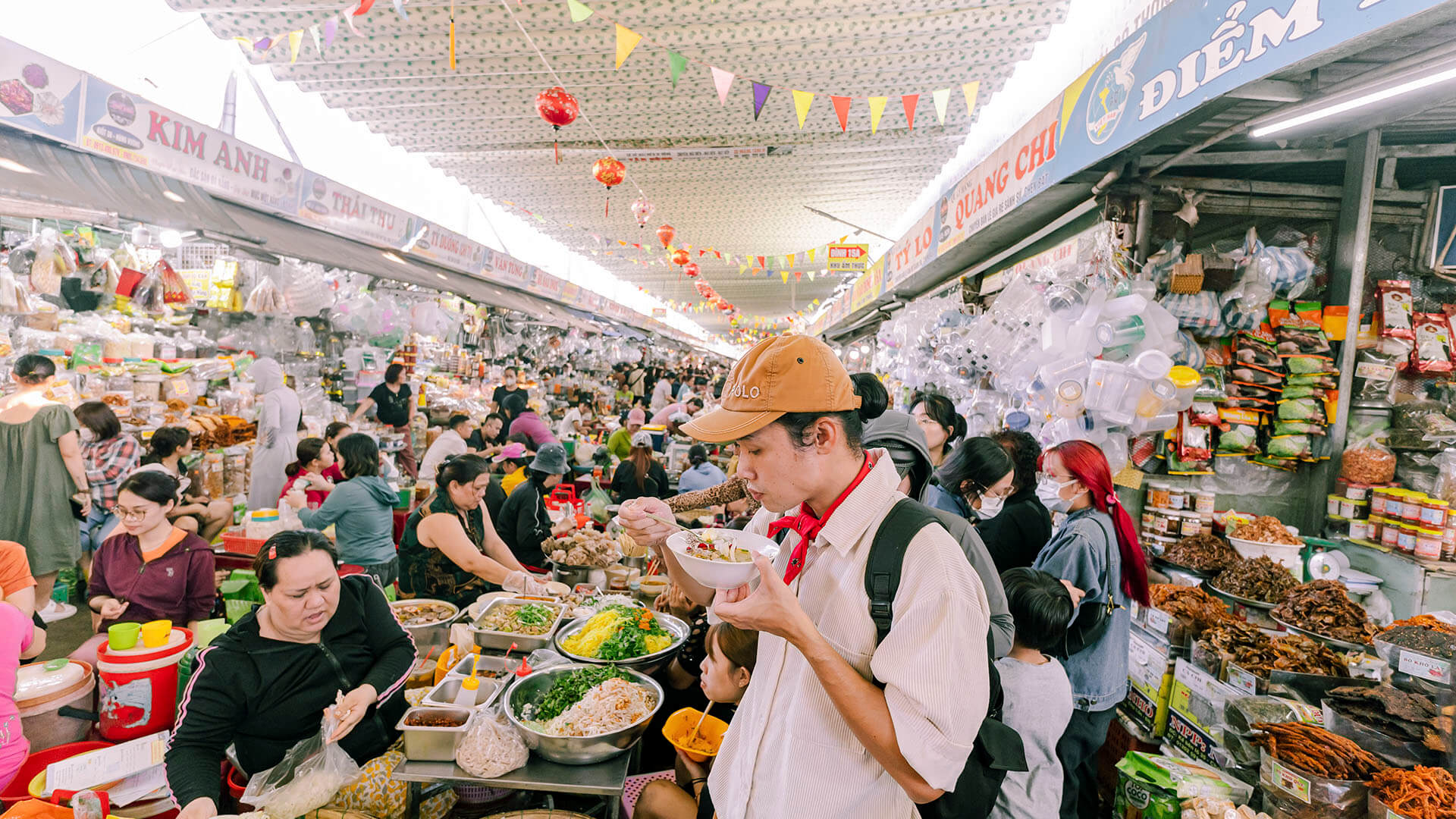
The city does not have a single street food district where everything can be found, nor does it gather all of its specialties into one destination. Instead, food is woven into everyday life: in traditional markets that awaken before dawn, along bustling streets filled with locals, and within the timeless atmosphere of Hoi An as lanterns begin to illuminate the streets each evening.
This very sense of discovery makes every meal an unexpected encounter. Sometimes it is a recommendation from a taxi driver, sometimes a tiny eatery packed with local diners despite having no signboard at all, and sometimes simply an irresistible aroma that persuades you to stop.
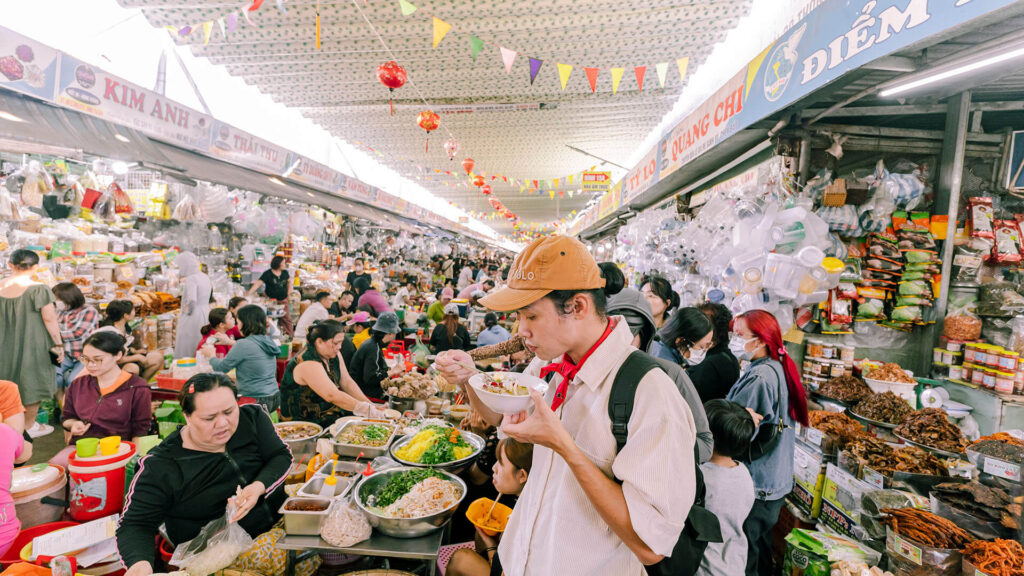
Da Nang does not tell its story through elaborate menus. Instead, it tells it through flavors that have been passed down for generations, preserved in traditional markets, family-run eateries, and recipes prepared every day as a natural part of local life.
That is why exploring street food remains one of the most authentic ways to truly understand this city.
A Taste of Da Nang’s Everyday Life
Street food in Da Nang is not merely about great flavors—it is an integral part of the city’s daily rhythm. Created from familiar local ingredients, authentic recipes, and cooking techniques handed down through generations, every dish reflects the harmony between nature, people, and local culture. From the freshest seafood brought in from the coast to produce from the fertile plains and distinctive ingredients sourced from the western part of the city, each contributes to a diverse culinary landscape while preserving its unique identity.
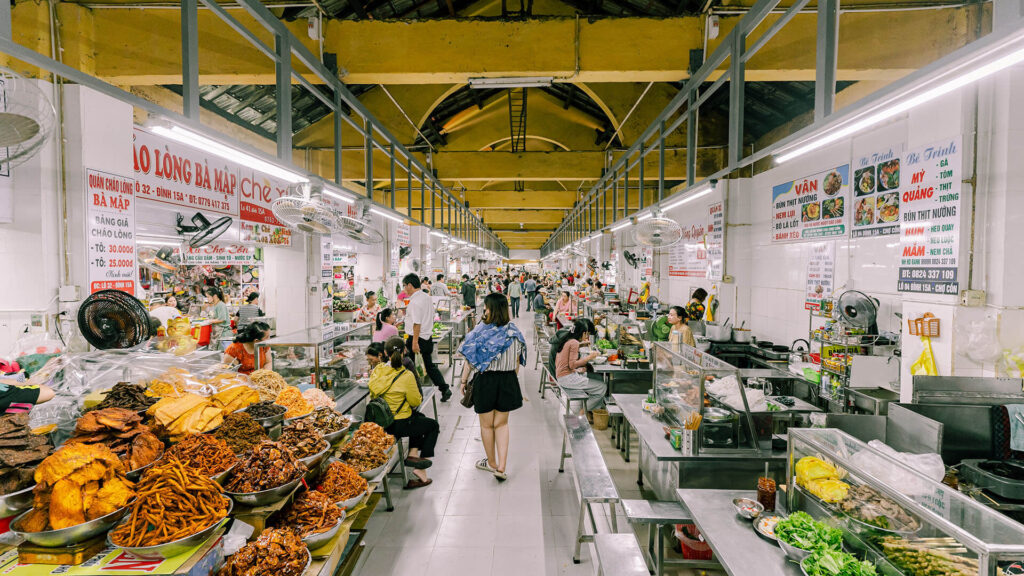
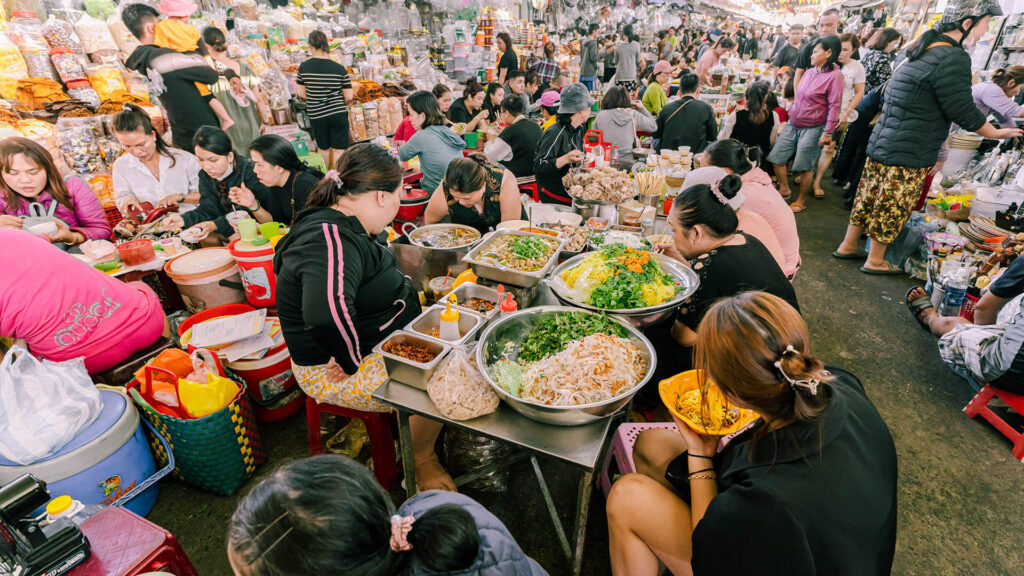
Unlike many other dining experiences, the charm of street food lies not only in the food itself but also in the atmosphere. It may be enjoyed on a small plastic stool along the sidewalk, at a lively corner of a traditional market, or in a modest family-run eatery that has served local residents for decades. Meals are often prepared fresh to order and served piping hot, allowing diners to enjoy both the flavors and the city’s everyday rhythm through the familiar calls of vendors, the sizzling sounds from the stove, cheerful conversations, and the constant flow of people passing by.
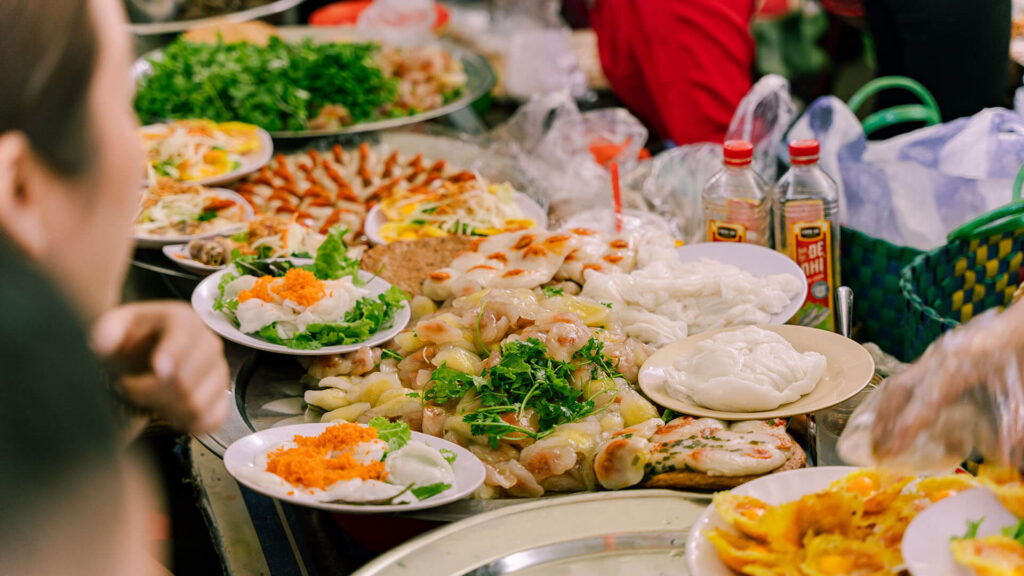
Most street food dishes are quick meals, light bites, or snacks that can be enjoyed at almost any time of day. They are available throughout the year, from early morning until late at night, scattered across traditional markets, neighborhood streets, residential areas, and familiar street corners. Their accessibility and close connection to everyday life have made street food an indispensable part of both local culture and every visitor’s journey through Da Nang.
Every dish on Da Nang’s street food map offers another way to discover the city through its flavors. From everyday local specialties and beloved snacks to refreshing desserts and drinks, each taste tells a story about the people, their lifestyle, and the city’s cultural heritage. For food lovers, no trip to Da Nang is truly complete without taking time to stop at these humble eateries, savor the local specialties, and experience the unique rhythm of life that defines this vibrant coastal city.
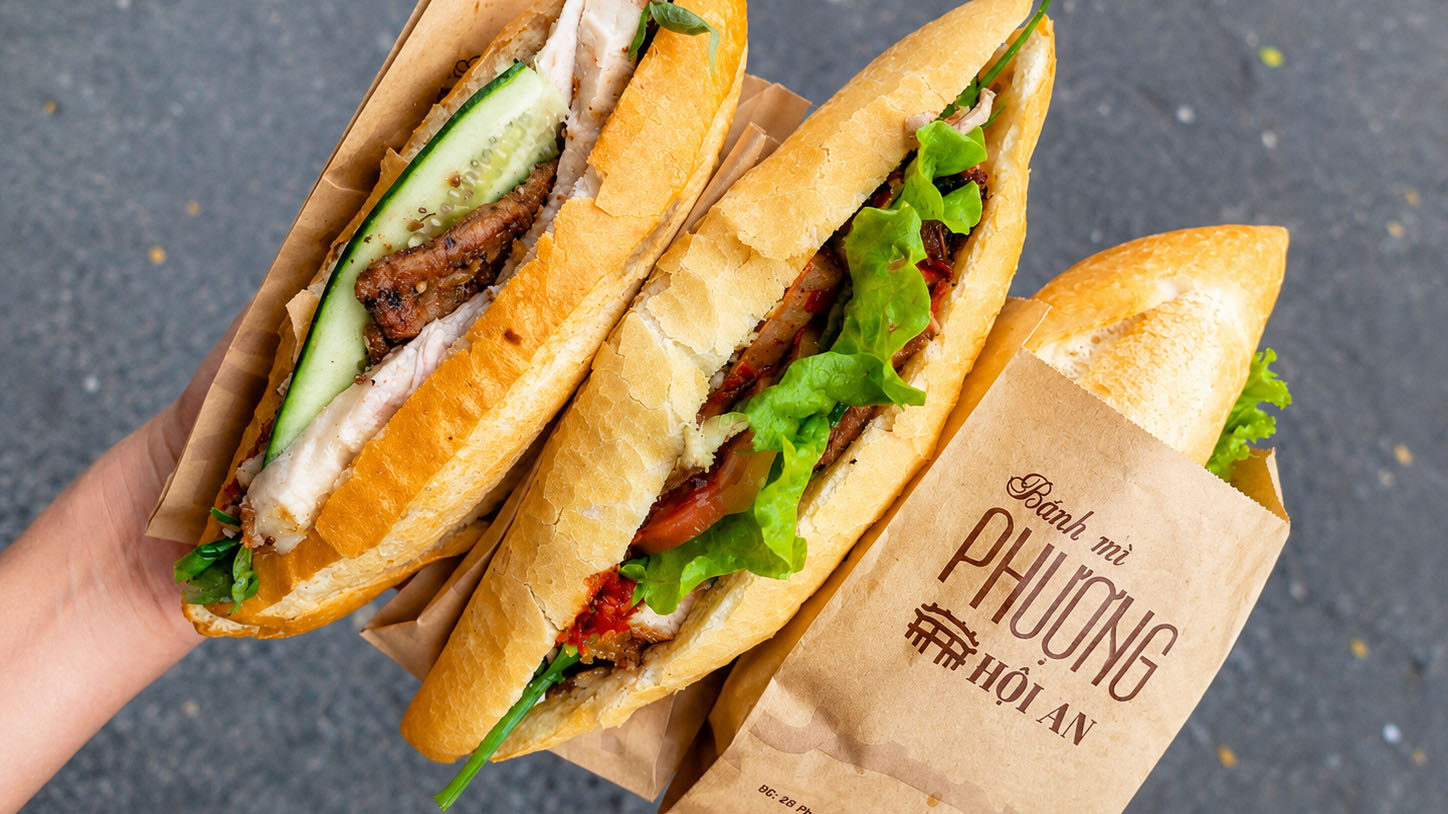
Bánh Mì
When people think of Vietnamese street food, bánh mì is often the very first dish that comes to mind. In Da Nang, you’ll find small bánh mì carts lining the sidewalks, long-established bakeries, and market stalls serving freshly made sandwiches from early morning until late at night.
A great bánh mì begins with its crispy, golden crust, fresh from the oven. Inside is a harmonious combination of pâté, meats, Vietnamese sausage, fresh herbs, pickled vegetables, and a rich, flavorful sauce. Every vendor has its own recipe, creating distinctive flavors while maintaining the familiar taste that has made bánh mì an instant favorite among visitors.
More than just a convenient breakfast, bánh mì is also the perfect choice for anyone looking to recharge before continuing their exploration of the city.
Recommended places:
In Da Nang city center: Bà Lan Bánh Mì, Ông Tý Bánh Mì, Cô Chi Bánh Mì, BQ Bánh Mì.
In Hoi An: Phượng Bánh Mì, Madam Khánh Bánh Mì, Lành Bánh Mì, Bích Bánh Mì, Sài Gòn Bánh Mì.
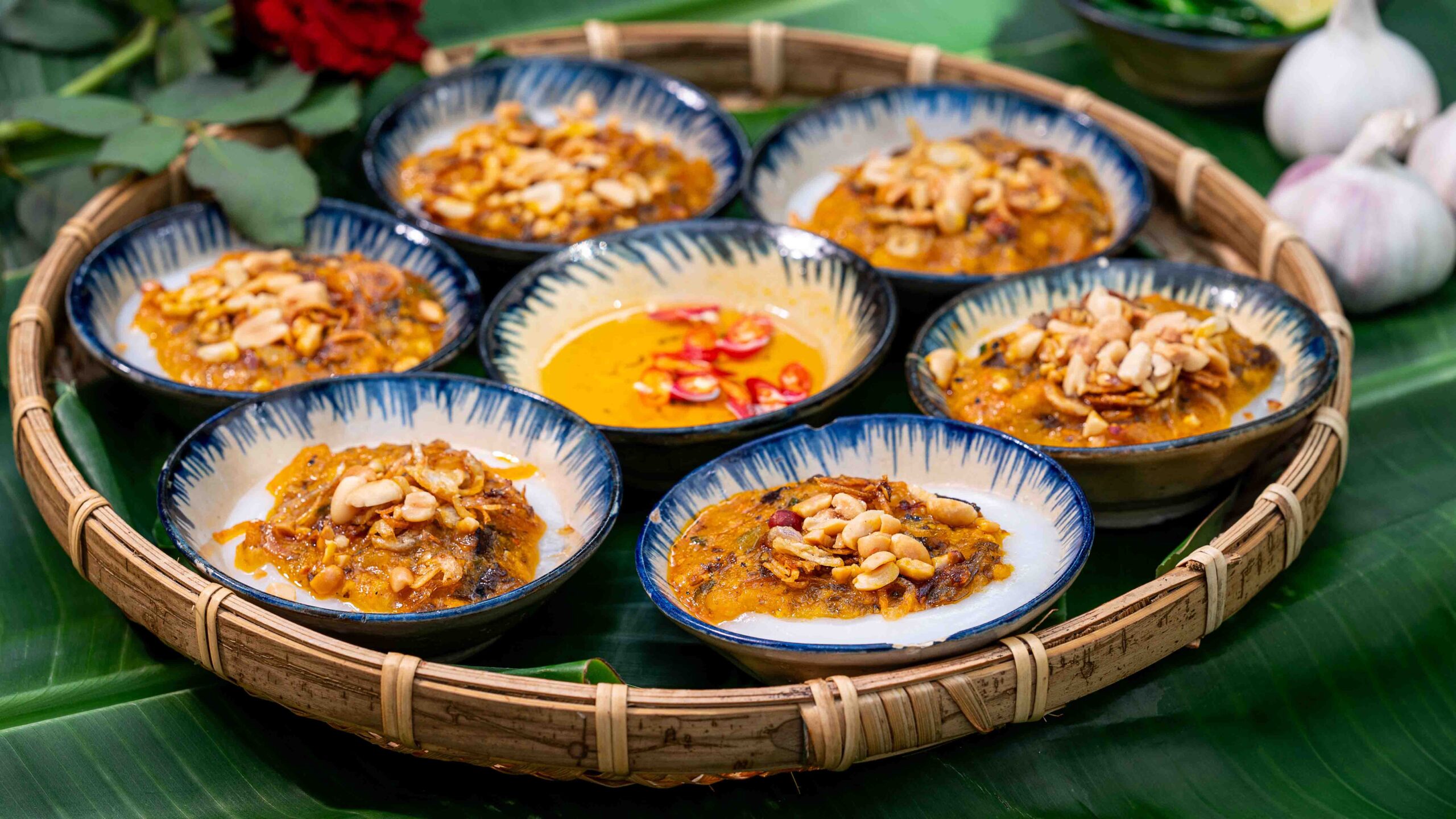
Bánh Bèo
Small in size but full of flavor, bánh bèo has long been a beloved local delicacy in Da Nang. These soft steamed rice cakes are served warm in small dishes, topped with shrimp, minced pork, crispy fried shallots, and crunchy pork cracklings, making them appealing from the very first glance.
What makes bánh bèo special is not its complexity but its perfect balance of flavors. The softness of the rice cakes, the sweetness of the topping, the richness of the pork cracklings, and the savory-sweet dipping sauce come together to create a light yet incredibly satisfying dish that often leaves diners ordering several more servings.
It is also an ideal afternoon snack after strolling around the city or exploring local markets.
Recommended places:
In Da Nang city center: Nhung Bánh Bèo, Lò Củi Bánh Bèo, Bánh Bèo Nóng, Bà Bé Bánh Bèo, Quán Tâm.
In Hoi An: Bà Mỹ Bánh Bèo, Cô Tú Bánh Bèo, Bà Bảy Bánh Bèo, Cô Tý Bánh Bèo, Cô Tại Bánh Bèo.
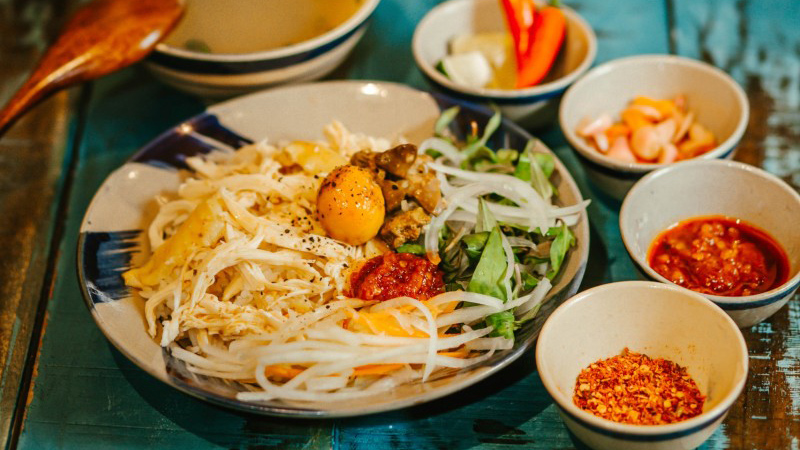
Chicken Rice (Cơm Gà)
While bánh mì and bánh bèo are popular grab-and-go dishes, chicken rice is the perfect choice for a complete meal. The dish is known for its fragrant golden rice, cooked in chicken broth until fluffy yet pleasantly chewy, served alongside tender shredded chicken, Vietnamese coriander, sliced onions, and pickled green papaya.
Interestingly, every eatery has its own preparation and seasoning style, giving visitors plenty of opportunities to experience different flavors throughout their journey. In Da Nang city center, you can enjoy the local version of chicken rice or compare it with the famous styles from Hoi An and Tam Ky as you travel between destinations.
Recommended places:
In Da Nang city center: Gia Vĩnh Chicken Rice, Tài Ký Chicken Rice, Hồng Ngọc Chicken Rice.
In Hoi An: Bà Buội Chicken Rice, Bà Nga Chicken Rice, Ty Chicken Rice, Giếng Đình Chicken Rice, Long Chicken Rice, Bà Lắm Chicken Rice.
In Tam Ky: Bà Luận Chicken Rice, Tam Duyên Chicken Rice.
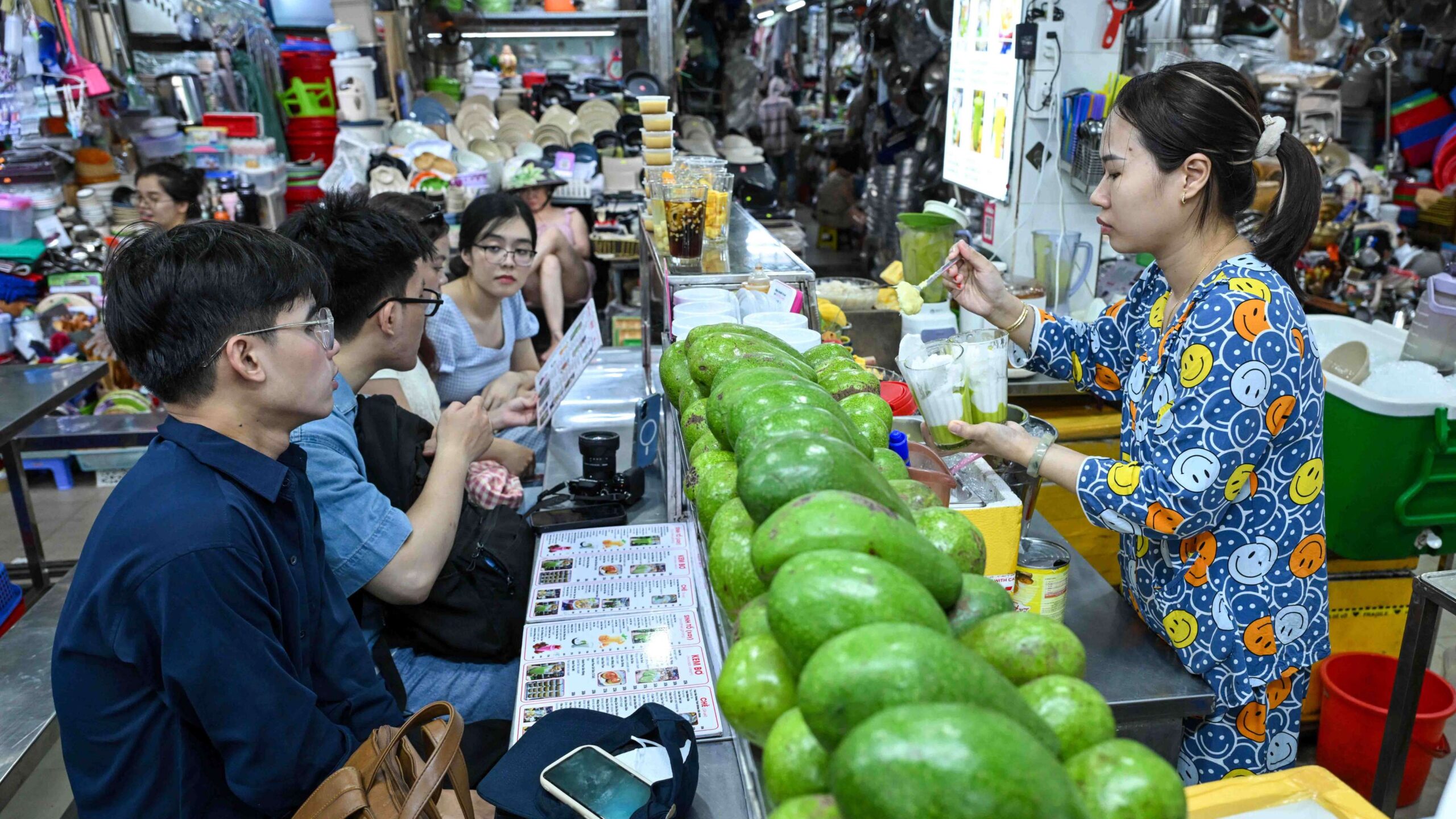
Avocado Ice Cream (Kem Bơ)
After enjoying a variety of savory dishes, many visitors look for a refreshing dessert before continuing their journey around the city. Among the favorites is kem bơ—Da Nang’s signature avocado ice cream.
Simple yet satisfying, a good serving of avocado ice cream combines smooth, freshly blended avocado with rich coconut ice cream, topped with familiar ingredients such as shredded coconut, toasted coconut flakes, or crushed peanuts. The creamy avocado, cool ice cream, and gentle sweetness create a dessert that appeals to visitors of all ages.
Although avocado ice cream can be found throughout the city, many people immediately associate it with Bắc Mỹ An Market, one of Da Nang’s best-known food destinations for both locals and travelers. Sitting amidst the lively atmosphere of the market while enjoying a chilled cup of avocado ice cream is also a wonderful way to experience the city’s everyday rhythm.
Recommended places: Cồn Market, Hàn Market, Bắc Mỹ An Market (well-known stalls include Cô Vân and Cô Cúc), along with popular shops such as Thiên Thanh Avocado Ice Cream, Ngân Hà Avocado Ice Cream, and Phạm Tứ Avocado Ice Cream.
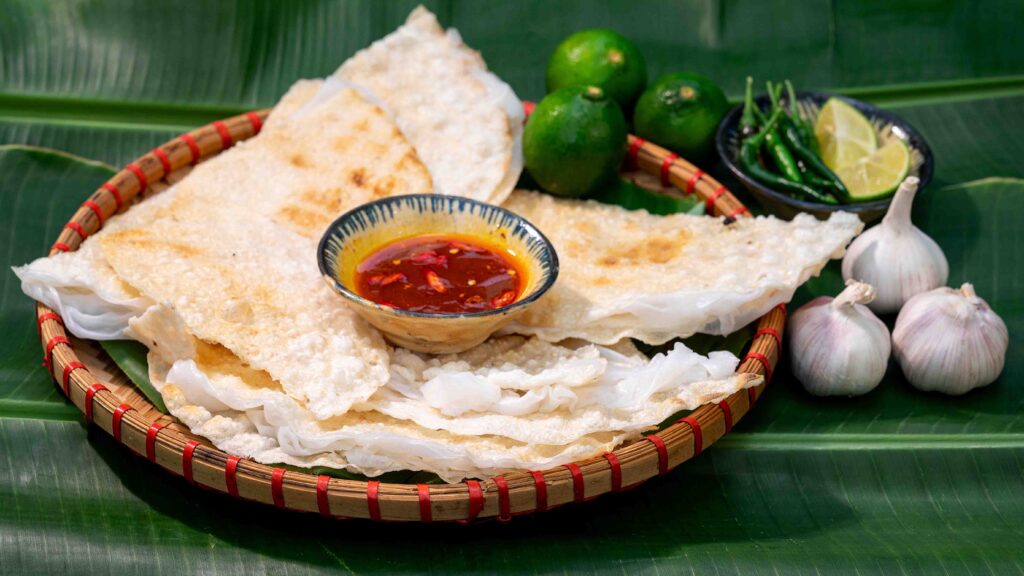
Bánh Đập (Crispy Rice Cracker with Steamed Rice Cake)
Among Da Nang’s street food specialties, bánh đập is perhaps one of the most intriguing dishes, even by name. The name literally means “to press” or “to smash,” referring to the way diners gently press a crispy grilled rice cracker together with a soft steamed rice sheet before breaking it into bite-sized pieces.
This seemingly simple combination creates a uniquely enjoyable texture. The crispiness of the grilled rice cracker contrasts beautifully with the softness of the steamed rice cake, while everything comes together with the bold, savory flavor of fermented anchovy dipping sauce (mắm nêm). It is precisely this contrast in texture and flavor that gives the dish its distinctive appeal.
Bánh đập is commonly found at casual eateries, traditional markets, and small neighborhood food stalls throughout the city. It is an excellent choice for travelers who want to discover dishes deeply rooted in the everyday lives of local people.
Recommended places: Ni Bà Già Bánh Đập, Bánh Đập No. 9, Phúc Restaurant, Bánh Đập No. 2, Cô Cư Bánh Đập, Cô Sáu Bánh Đập.
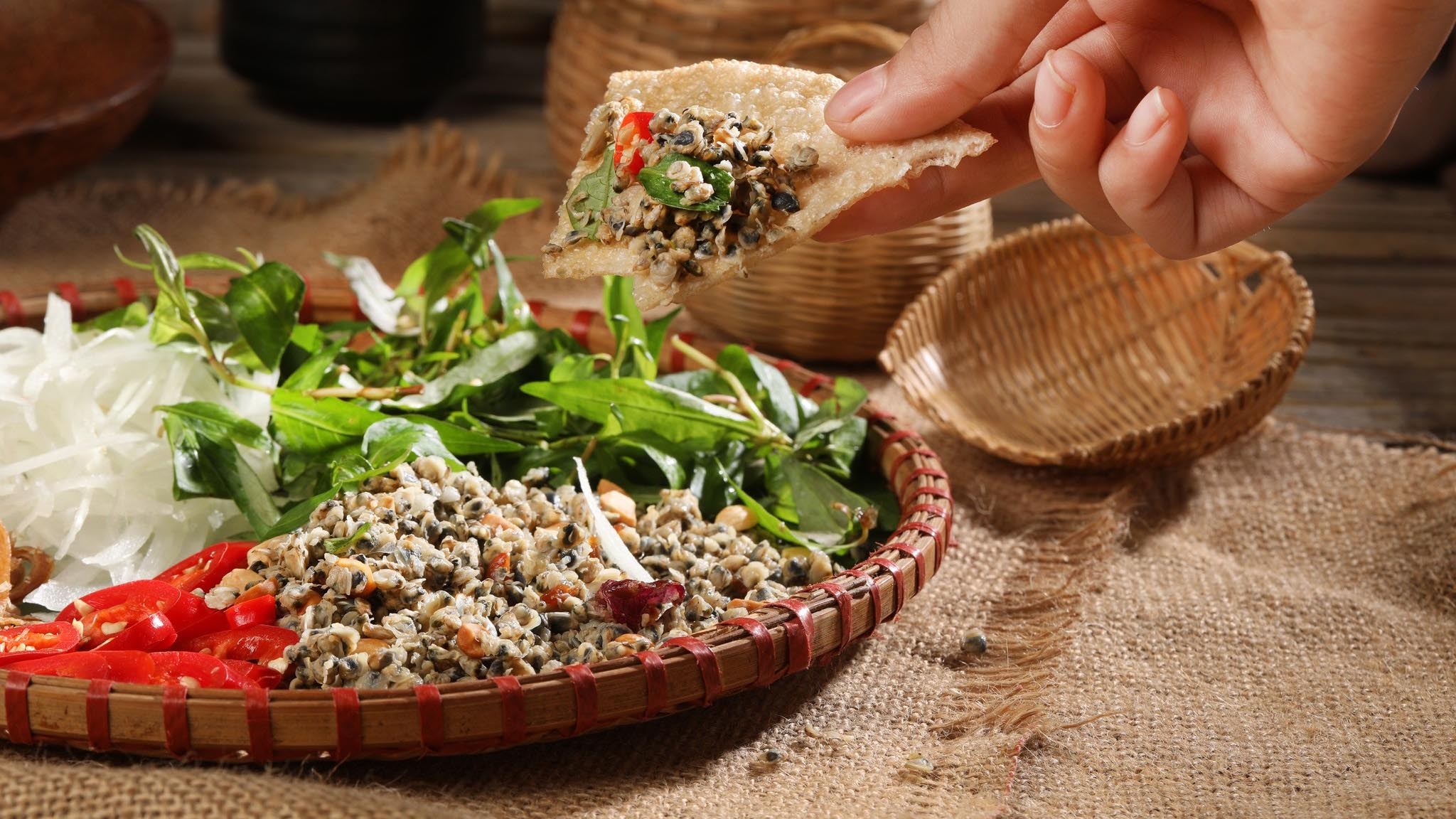
Stir-fried Baby Clams (Hến Xào)
If bánh đập impresses diners with its unique way of eating, hến xào (stir-fried baby clams) wins them over with its bold and distinctive flavor.
Fresh baby clams are stir-fried with onions, Vietnamese coriander, roasted peanuts, and seasonings, preserving their natural sweetness while delivering a rich, aromatic taste. The dish is commonly served with grilled rice crackers or bánh đập. Simply spooning a little of the stir-fried clams onto a crispy rice cracker allows diners to enjoy the harmony of sweet clams, nutty peanuts, fragrant herbs, and a gentle touch of chili.
Though uncomplicated, its balanced flavors have made hến xào one of the local specialties many visitors seek out when exploring Da Nang’s culinary scene.
Recommended places: Bánh đập and hến xào eateries in Cẩm Nam, Hoi An.
Young Jackfruit Salad (Mít Trộn)
Not often found on upscale restaurant menus, mít trộn is a beloved local snack enjoyed by many Da Nang residents.
Tender young jackfruit is boiled until soft, shredded by hand, and mixed with shrimp, pork, fresh herbs, roasted peanuts, and a well-balanced fish sauce dressing. Each ingredient contributes its own flavor and texture, creating a dish that is nutty, savory, aromatic, and pleasantly rich.
One of the most interesting aspects of mít trộn is that, despite using simple everyday ingredients, it delivers a flavor that is truly distinctive. It is commonly sold at local markets and casual snack shops, making it an excellent choice for travelers wishing to experience authentic local cuisine beyond the city’s more famous specialties.
Recommended places: Cồn Market, Tam Kỳ Market, Bà Già Young Jackfruit Salad.
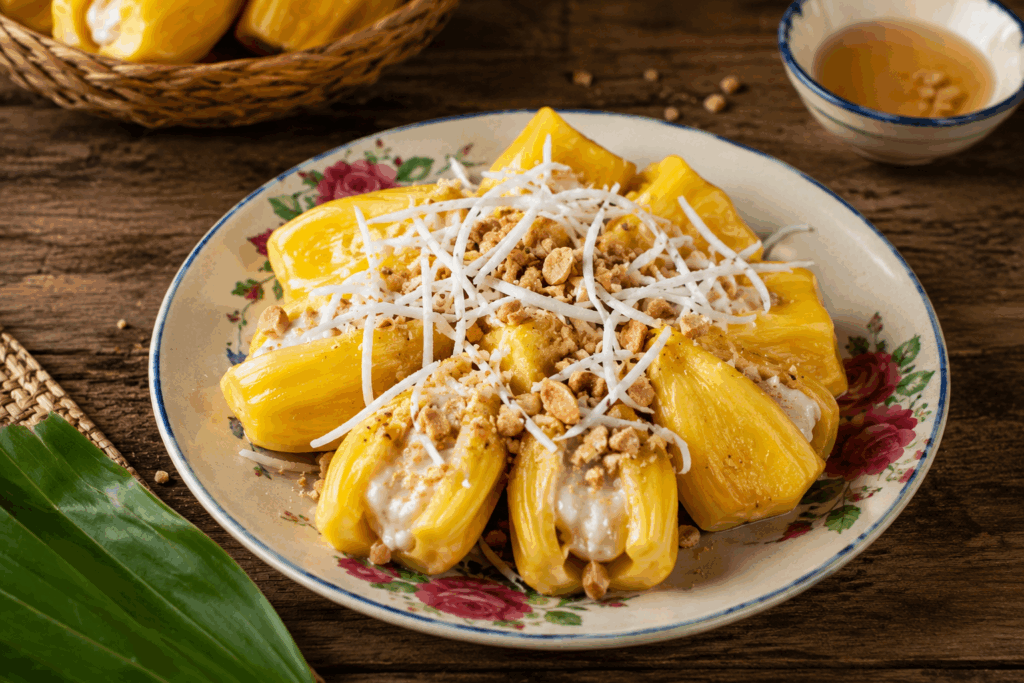
Tam Kỳ Steamed Stuffed Jackfruit (Mít Hông Tam Kỳ)
Within Da Nang’s diverse culinary landscape, mít hông Tam Kỳ is a humble traditional delicacy closely associated with the southern part of the city.
What makes this dish remarkable is its meticulous preparation. Ripe jackfruit bulbs are carefully separated from their seeds. The seeds are then boiled, mashed, seasoned, and stuffed back into the jackfruit before being gently steamed. Before serving, the dish is typically sprinkled with freshly grated coconut and crushed roasted peanuts, creating a harmonious combination of the jackfruit’s natural sweetness, the nutty richness of the jackfruit seeds, and the fragrant creaminess of coconut.
Although mít hông is less common today than many other street food dishes, it remains a fascinating part of the region’s culinary heritage. For many visitors, it offers a rare opportunity to discover a traditional delicacy closely tied to the memories of generations of local families.
Recommended places: Bà Nam Restaurant, Trường Xuân Mít Hông.
Discover Da Nang Through Its Simplest Pleasures
Street food is an essential part of exploring any destination, and Da Nang is no exception.
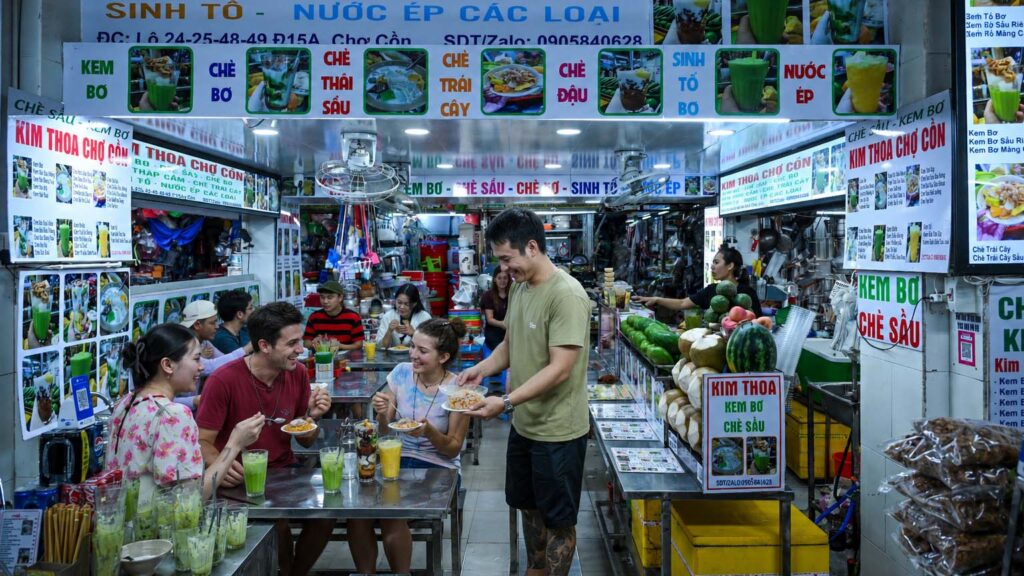
Without relying on luxurious restaurants or expensive ingredients, Da Nang’s street food captivates visitors through its authenticity, simplicity, and flavors that have been cherished by generations of local people. More often than not, it is the small plastic stools along the sidewalk, the lively traditional markets, or an unexpected dish discovered by chance that become the memories visitors treasure most about this riverside city.
If you are a food enthusiast, be sure to set aside time to explore Da Nang’s own street food map. You may discover that the dish you remember most from your journey was never part of your original itinerary—it simply appeared at a small street corner somewhere along your adventure through the city.
DANANG TOURISM PROMOTION CENTER