














Located at the west of China, and 39 kilometers away from Chengdu City, the capital of Sichuan Province, Dujiangyan City covers an area of 1208 square kilometers. It has permanent resident population of around 800 thousand, with 5 towns and townships, 6 sub-districts. Dujiangyan City is the best tourism city of China, national historically cultural city and national-level ecological demonstration area.
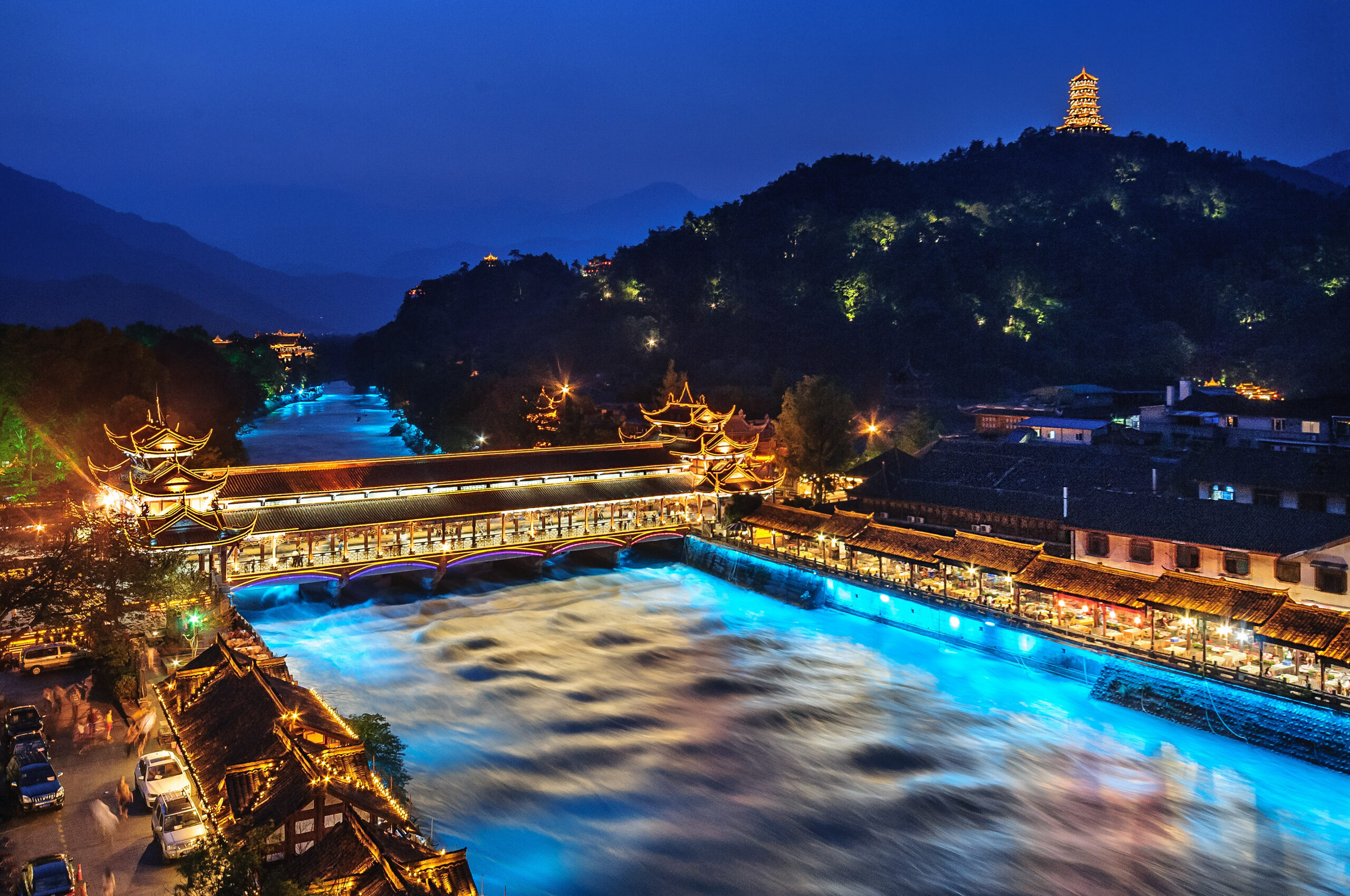
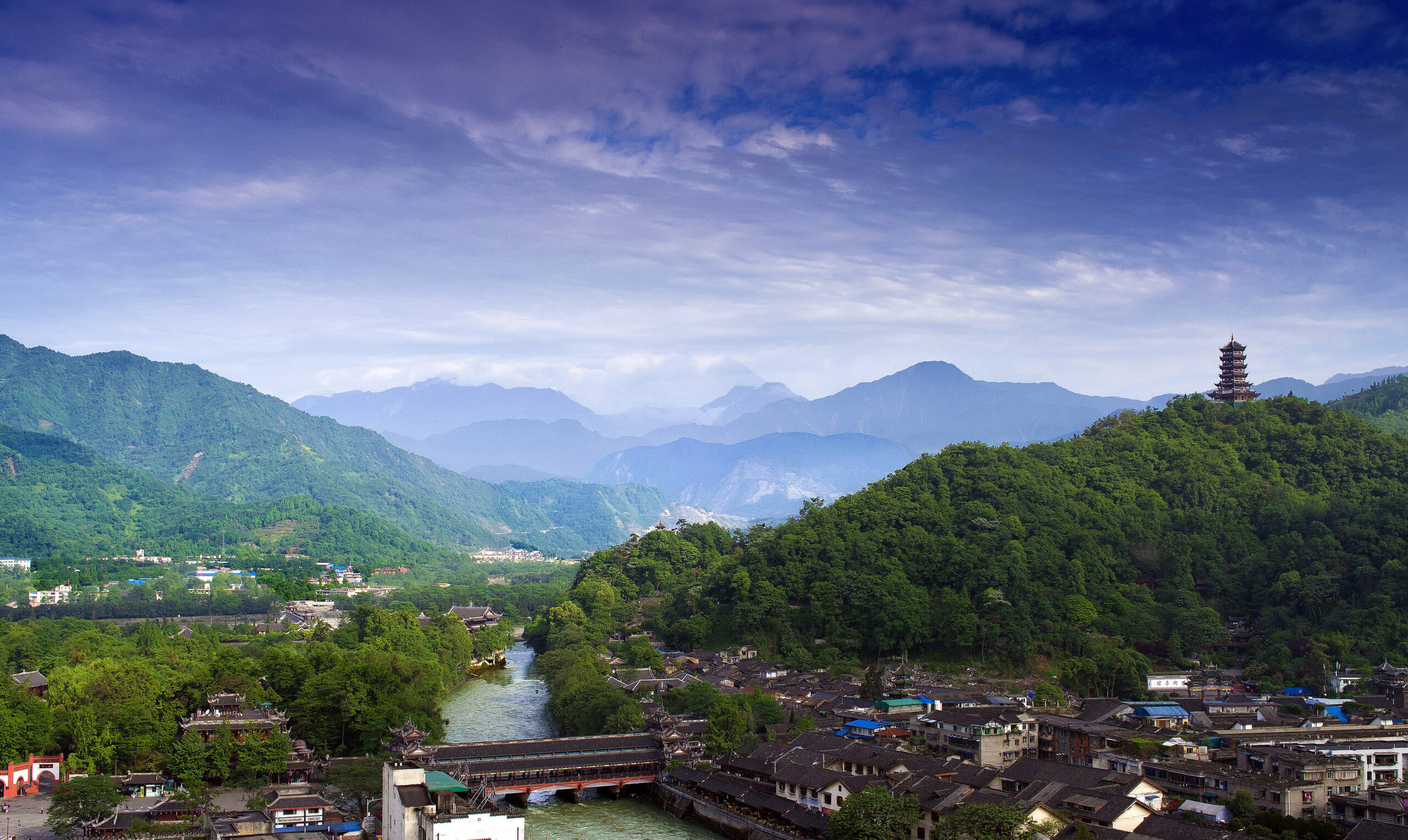
Located in the subtropical humid climate zone, Dujiangyan City has a favorable climate. The average annual temperature is 15.2℃and the average annual rainfall is about 1238mm, air quality and water quality always stay at the first level of national standard. The total forest coverage rate is 52.8% for the whole city, which provides the upper reaches of Yangtze River with an important ecological barrier, and work as the only water conservation areas for Chengdu City.
Dujiangyan is a tourism city with long history and profound culture. It is a city with three world heritages: Dujiangyan Irrigation System and Mt.Qingcheng, habitat of giant panda, and Dujiangyan Irrigation System. Dujiangyan Water Conservancy Project was built in 256 BC, with more than 2270 years history, Dujiangyan Water Conservancy Project can direct water for irrigation without dam, and it is the only ancient water conservancy project still functioning very well nowadays. Mt. Qingcheng, the cradle land of Taoism religion, gave birth to the extensive and profound Taoism culture, having an influence on the politics, economy and culture of China for over 1800 years. Now, more than 60 pandas, a national treasure, live in Dujiangyan’s two panda bases all year round.
At present, Dujiangyan City has joined in 9 international organization such as LHC, and established international friendship cities or international friendly cooperative relations cities with 32 international cities in Austria, Germany, France, Japan, the United States, Italy, Finland, Switzerland, Thailand, etc.
Dujiangyan Scenic Area
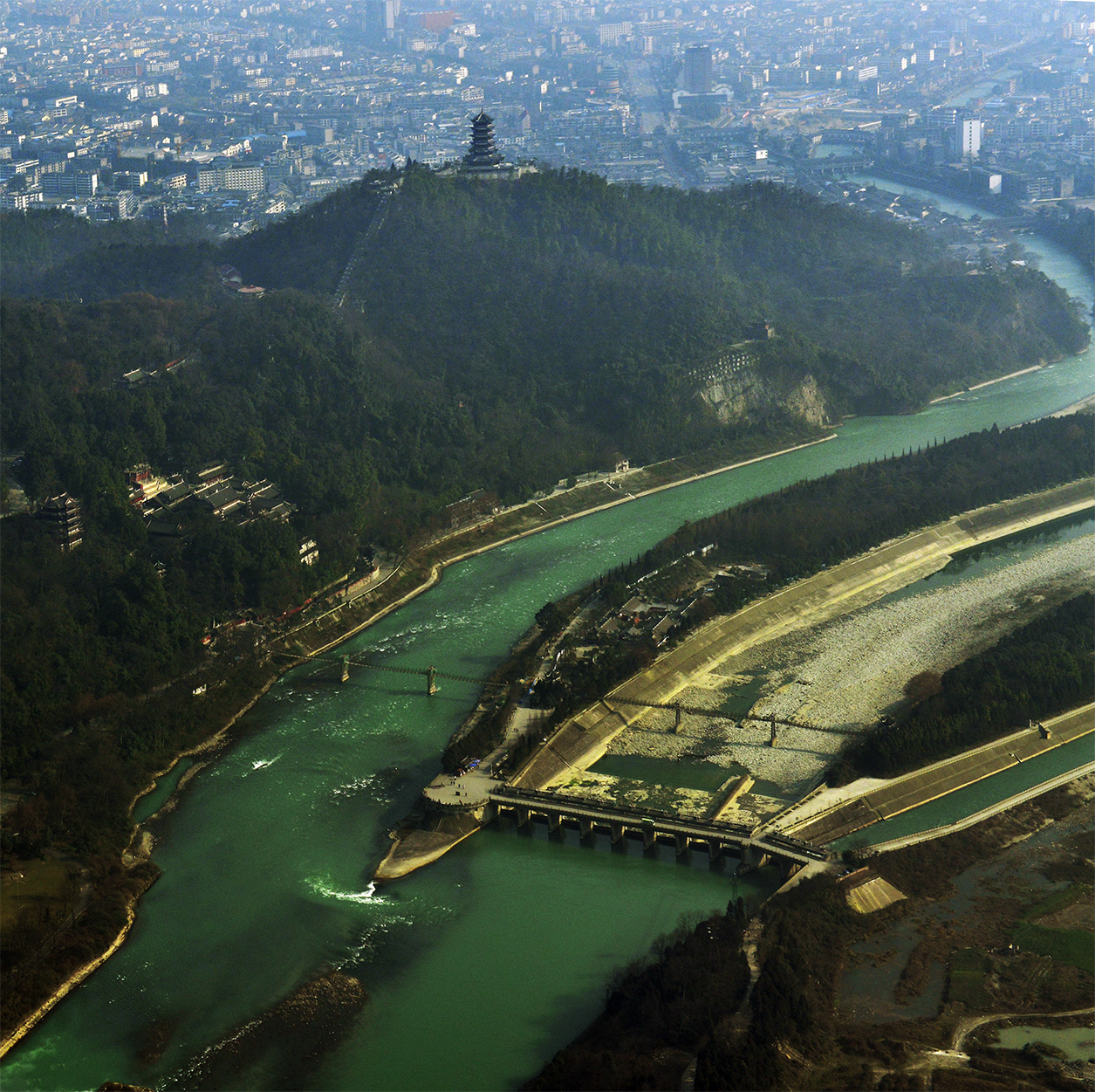
Located in the southwest of Dujiangyan City, Dujiangyan Scenic Area is a world cultural heritage and national key scenic area. It is a tourist loop consisting of more than 20 important scenic spots such as Lidui Ancient Park, Dujiangyan head works, Erwang Temple, Yulei Mountain and Song-Mao Ancient Path. It integrates water conservancy culture, Taoist culture and garden culture, with high ornamental, ecological and characteristic values.
Dujiangyan Water Conservancy Project is a large-scale water conservancy project built in 256 BC by Li Bing, the governor of Shu Prefecture of the Qin State, aiming to control Minjiang River flood. It is composed of Yuzui water-dividing dike, Feishayan spillway and Baopingkou water inlet. It is not only a great miracle of water conservancy engineering technology in China, but also a bright pearl of water conservancy engineering in the world.The project adopts the way of “water diversion without dam”, cleverly makes use of the natural topography of Minjiang River and the flow law of the bend, effectively solving the problems of water diversion and irrigation, flood and sand discharge. This scientific and complete automatic drainage and irrigation system has been nourishing the fertile Chengdu Plain, the “Land of Abundance” .
Guanxian Ancient City
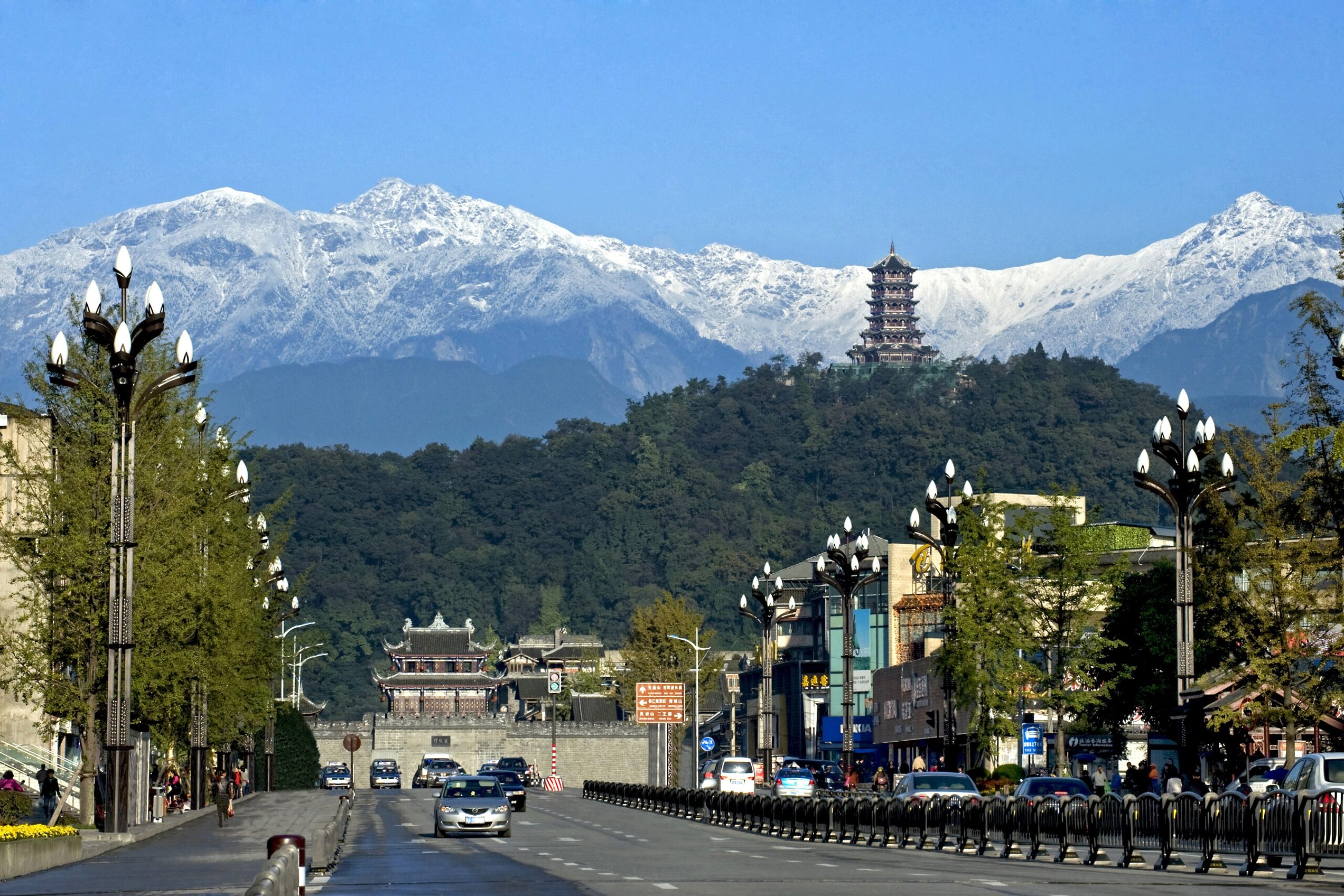
More than 2,200 years ago, Dujiangyan area was officially set up as an administrative region, named Jiandi , and was renamed for several times. In the ninth year of Hongwu in the Ming Dynasty ( 1376 AD), Guan county (Guanxian) was set up and have lasted for over 600 years.In 1988, Guan County was withdrawn and Dujiangyan City was established, which has continued to today. Guanxian ancient city integrates scenery and architecture into a whole, accompanied by the ancient water conservancy project. In 2008, the 5.12 earthquake severely damaged the ancient city, and the reconstruction work was completed in 2012.The region retains cultural relics and monuments closely related to water culture, ancient alleyways, courtyards and public buildings of different architectural styles in different periods, as well as simple folk customs. The buildings on the streets of the ancient city are all built in accordance with the style of Ming and Qing Dynasties in western Sichuan, and at the same time, water is diverted into the city, winding and twisting. It’s like traveling through history when you are in it, and he troubles and noise of the modern age dissipate at the same time. At night, the ancient city, Yulei Pavilion and the pavilions in the mountains are lit together, adding another scene to the beautiful ancient city rebuilt after the disaster.
Panda Valley(Chengdu Field Research Center for Giant Panda )
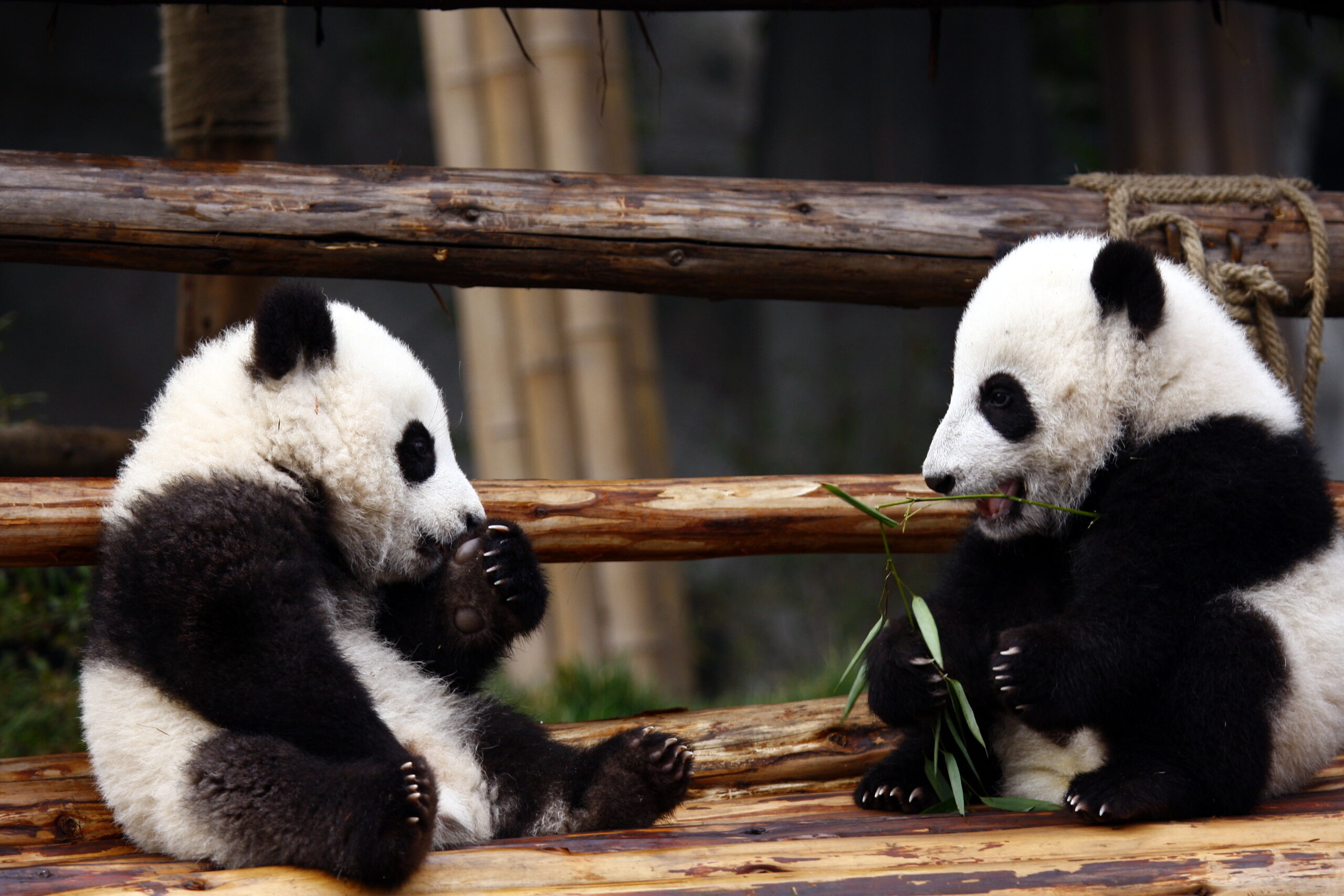
Dujiangyan has an indissoluble bound with giant panda. In 1953, after the People’s Republic of China was founded, the first sick and hungry wild giant panda was found at Yutang Town, Dujiangyan and sent to Chengdu Zoo for rescue. The history of captive breeding and protection for giant pandas thus began; in July, 2005, another wild giant panda entered Dujiangyan downtown area, which was found by people and sent to experts for treatment and nursing. In 2006, under the rapid increase of the captive giant panda population in Chengdu and in order to ensure the safety of the giant panda , the reintroduction study was carried out to promote the rejuvenation of the small wild giant panda population, and the site of wild-release research center was selected in Majiagou, Yutang Town, Dujiangyan.
The center was constructed in May 2010 and covers an area of 2,023 mu. The first phase of construction was completed and put into use in 2012. On April 20, 2015, the wild-release enter was officially opened to visitors for ticketing. The first phase of the center is composed of giant panda ecological house, red panda ecological stocking area, Sansheng Temple lake area, scientific research area, science popularization activities area, office area, tourism supporting facilities, mainly for carrying out wildlife protection, wild training and release, disease prevention and control, field rescue, nature education, ecological tourism and other work. The second phase of construction mainly includes academic exchange center, breeding house, ecological experience village, multifunctional cinema, research room, observation station and so on. There are currently 15 giant pandas and 22 red pandas living in the park.
Mt.Qingcheng
Mt.Qingcheng is a national 5A scenic area and a national tourist scenic area. The highest point is 2434 meters above sea level and the average temperature is 15.2 degrees centigrade. There are 39 peaks, 8 large caves, 72 small caves and 108 scenic spots in the scenic area. On November 29, 2000, Mt. Qingcheng was added to the UNESCO World Cultural Heritage List along with Dujiangyan Water Conservancy Project.
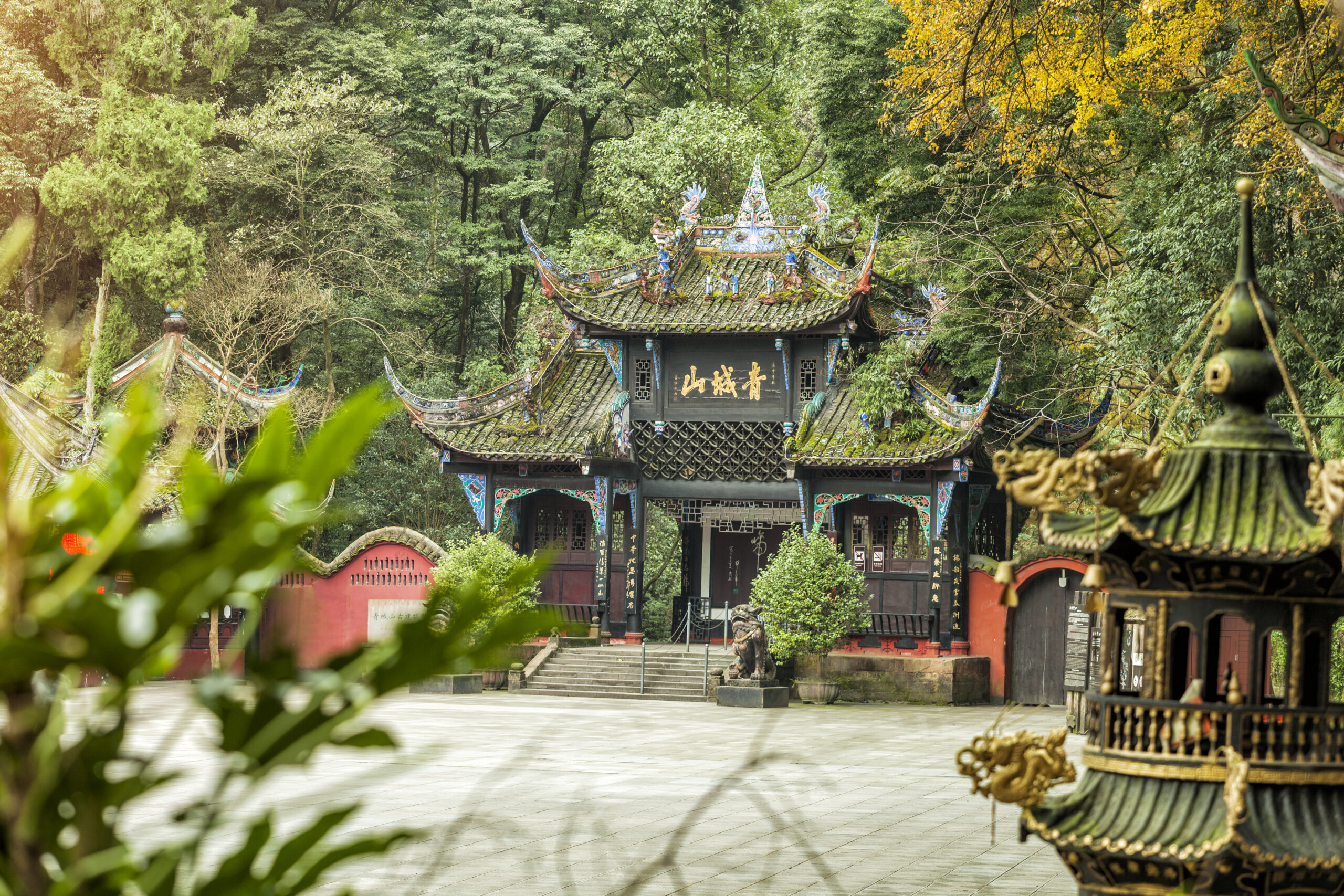
Mt. Qingcheng is one of the four famous mountains of Taoism in China. It is the birthplace of Taoism and the ancestral mountain and temple of Tianshi Taoism. With the reputation of “the most tranquil place in the world “, Mt.Qingcheng, together with the steep Jianmen , elegant Mt. Emei and and magnificent Kuimen are called “Four Beauties of Sichuan”.Mr.Qingcheng has rolling peaks,verdant trees, steep steps and winding paths. The highest peak Laojun Pavilion is 1260 meters above sea level. The majestic sunrise of the first peak of Mt.Qingcheng, the sunset of Chaoyang Cave, the vast cloud sea of Zhangren Peak, the danger of the sky ladder, the wonderful Yuanyang well with different water and the green brook of Weijiang River form the natural pictures, making people happy and refreshed.